The best thing about summer, aside from fishing, is having time to dream about fall hunting seasons. With days getting shorter, you have time to nail down plans for upcoming hunting trips and make a list of the gear you’ll need.
In terms of importance, boots are high on the gear list. Well-built, properly-fitted, supportive boots can be the difference between an enjoyable, comfortable hunting trip and the curse of sore-footed, blistered misery that ill-fitting bargain boots can bring.
Bringing together the best of two worlds, the boot experts at Meindl USA have teamed with the trophy hunt experts at Worldwide Trophy Adventures to provide guidance in selecting the best boots for your next hunt.
Meindl knows hunting boots. WTA knows where and when to hunt. If you have hunts inked on your calendar or you’re dreaming of future adventures, this is an unbeatable combination for information and advice.
The key is knowing where you’ll be hunting and when, and what the weather is likely to be. It’s important to match your boots to your intended use and activity, the location and type of terrain, weather conditions, and what you want out of your boots. Comfort, fit, and durability are givens. But you should also consider performance factors like height, weight, support, traction, and crampon compatibility. All boots are not created equal.
There’s a rule of thumb that says “wear enough boot,” meaning it’s a good idea to wear boots suited to the wettest, driest, toughest, coldest, warmest, meanest, nastiest, rockiest, steepest conditions you might encounter.
Let’s look at three types of popular hunts in North America, though the conditions of each can translate to overseas hunts in similar terrain and climate. For all of these hunts, the last thing you want to think about is aching feet.
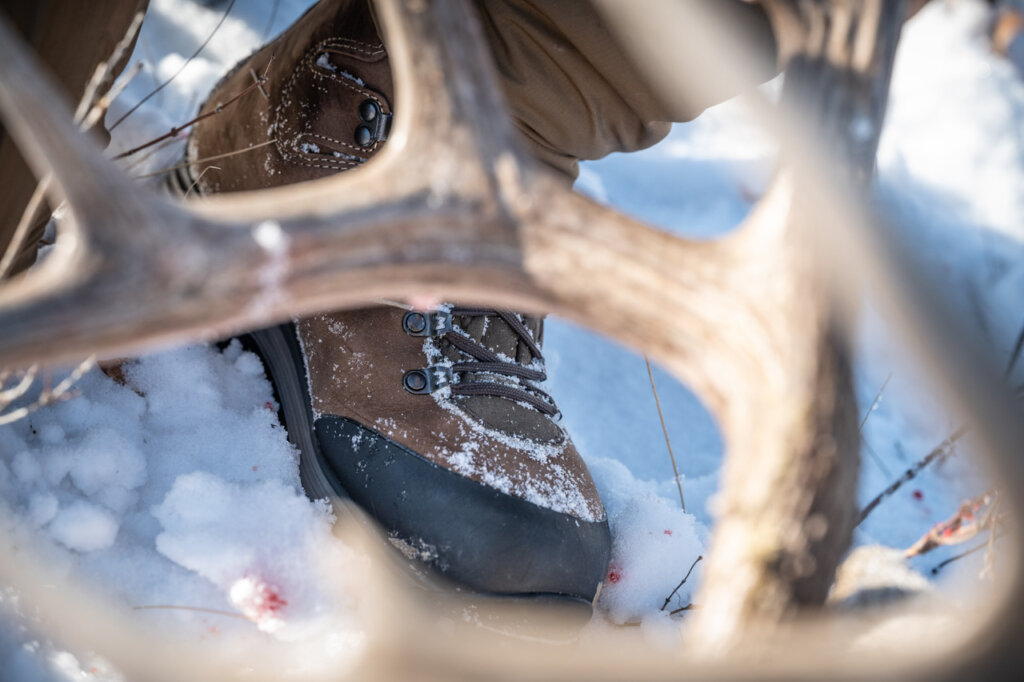
For Western Big-Game Hunting Boots
The variety of weather and terrain conditions faced by big-game hunters in the West, where buffalo roam and deer and antelope play, runs the gamut. Boots must be versatile enough to take you from a careful spot-and-stalk deer hunt in August to a late-season trophy elk hunt high in the mountains. It’s a tall order that not all boots can fulfill, but Meindl builds boots that have the versatility to match the variables likely when hunting bison, antelope, deer, elk, caribou, and moose in the Lower 48, Alaska, Canada, as well as on overseas adventures.
Vakuum Hunter

One of Meindl’s top sellers, with 9″ full-grain leather uppers for support and protection and MFS Vakuum foam booties for comfortable, foot-hugging non-slip grip of your feet. These will take you from deer-and-antelope-dotted prairies to areas where elk ghost through the timber. And don’t forget the Lady Vakuum GTX models.
Comfort Fit Hunter 400

Meindl’s most versatile insulated hunting boots, these feature 9.25″ leather uppers and the Comfort Fit system with a roomy toe box that allows toes to naturally point forward and spread out in cushioned comfort. These are truly all-season boots. We’re talking about antelope on the flatlands, whitetails and mule deer on prairies, and elk in fields and forests which can be up, down, here, or there. Got licenses for all of them? Get these boots to go find them.
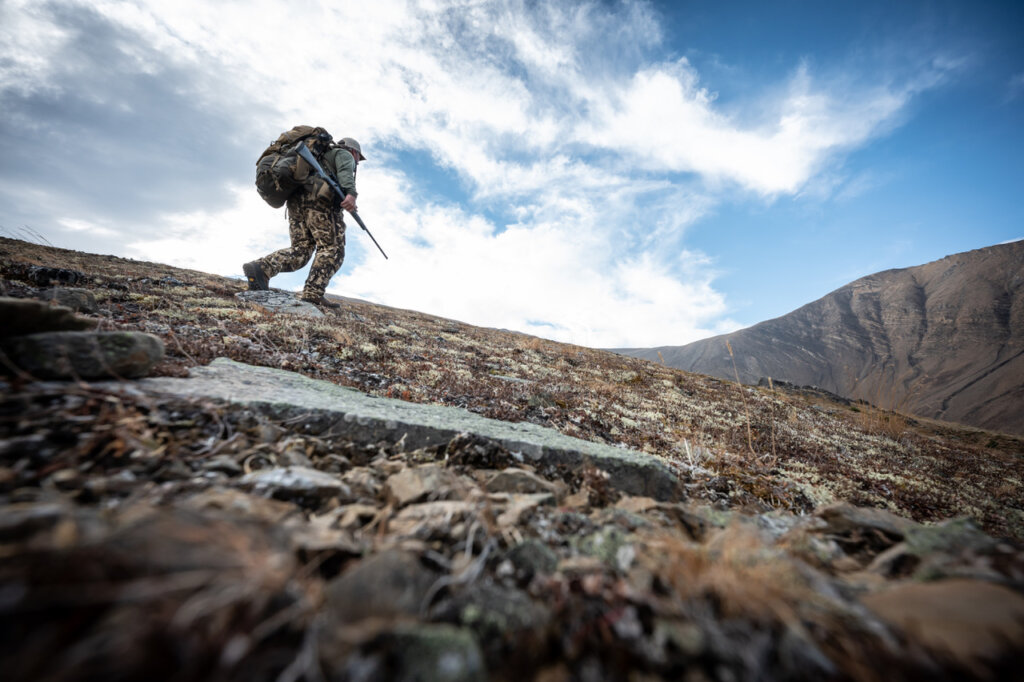
For Extreme High-Country Hunting Boots
Timberline is back down there somewhere, and you’re still climbing after sheep, goat, or other top-of-the-mountain trophies on your once-in-a-lifetime, bucket-list hunt. You’re dealing with jagged, rocky terrain where loose shale and steep inclines create a tricky combination. In the high elevations, you concentrate on every step. Your boots are your link to the ground and they must be supportive, comfortable, and provide a stable, non-slip connection to the earth.
Glockner MFS Hunter

Expect all-season performance from these uninsulated mountain boots featuring MFS foam panels for a comfortable fit, more comfortable than you might expect in alpine boots. Rigid support comes from the nubuck leather uppers and a rubber rand protects from nicks, cuts, and gouges. Meindl’s exclusive Vibram sole has aggressive, multidirectional lugs for traction on tricky terrain.
Comfort Fit Extreme

Built for above-timberline performance, combining Meindl’s foot-cradling MFS Vakuum foam panels that custom-wrap your feet and Comfort Fit cushioning and support. Tall 11″ protective shafts prevent ankle rolling, rubber rands protect from wear and tear, and Multigrip soles grip rugged, rocky terrain. Of course they’re waterproof, thanks to a Gore-Tex® lining, since it’s likely to get wet up there.
Kibo GTX Hunter

Built with the coldest conditions in mind, these are Meindl’s warmest insulated hunting boots. With Gore Air Fibre 600 technology with waterproof, breathable, warm synthetic insulation, they provide more warmth with less weight. Supportive 10″ nubuck leather upper for support going up, down, or across steep inclines, plus Meindl’s multi-grip Rock Outsoles with the latest traction technology. A full rubber rand protects from cuts, digs, and abrasions from unforgiving terrain. If you know it’s going to be cold and snowy, get these.
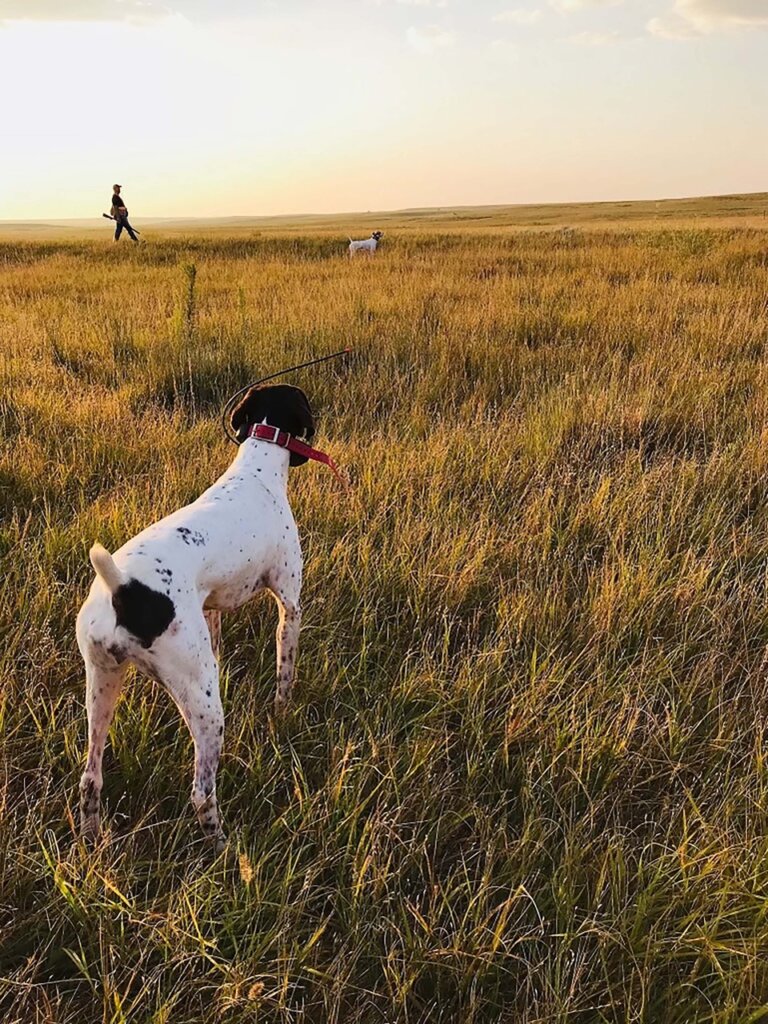
For Upland Hunting Boots
Bird hunting can be a game of miles. In fact, someone said the equation for upland bird hunters is “Miles = Birds.” The more area you cover, the more opportunity increases. Upland hunters may cover brushy fields and field edges, bottomlands, rolling hills, agricultural fields, open prairie, broken country, timbered country, dry, hot, cold, or wet. You get the picture, any kind of birdy terrain, and in any kind of weather, so your boots need to provide walking comfort and stability to cover who-knows-how-many miles. The birds may be at the start of the field or you may be in for a 10+ mile hike behind your dogs.
Comfort Fit Hiker

Perfect for early season, these lightweight waterproof 7.25″-high hikers provide big-boot stability, traction, and protection in any terrain from easy to rugged. Meindl’s Comfort Fit system is created on an anatomically-designed last, with more room in the toe box and width at the ball of your feet, and a wide, stable walking platform and flex with every step. Gore-Tex® provides waterproof, breathable protection from wet, clammy feet.
Comfort Fit Hunter

We’re recommending the uninsulated version because of the miles upland hunters are likely to encounter. Two inches higher than the Comfort Fit Hikers, they also have Meindl’s popular Comfort Fit system that allows toes to naturally point forward and spread out in cushioned comfort for more room at the ball of the foot, too. Waterproof, and as mentioned under the Big Game Category, also available in an insulated model. Both insulated and uninsulated versions can take you through the hunting seasons from beginning to end. You’ll be surprised how far into the hunting calendar the uninsulated boots will take you.
Vakuum Hunter

Meindl’s best-selling boots because of their innovative boot-within-a-boot design that wraps your feet in stable, supportive comfort. The Vakuum MFS (Memory Foam System) foam panels mold to the shape of your feet for a perfect fit without pressure points or blister-causing slippage. Gore-Tex® provides waterproof, breathable protection. Also available in Lady Vakuum GTX.
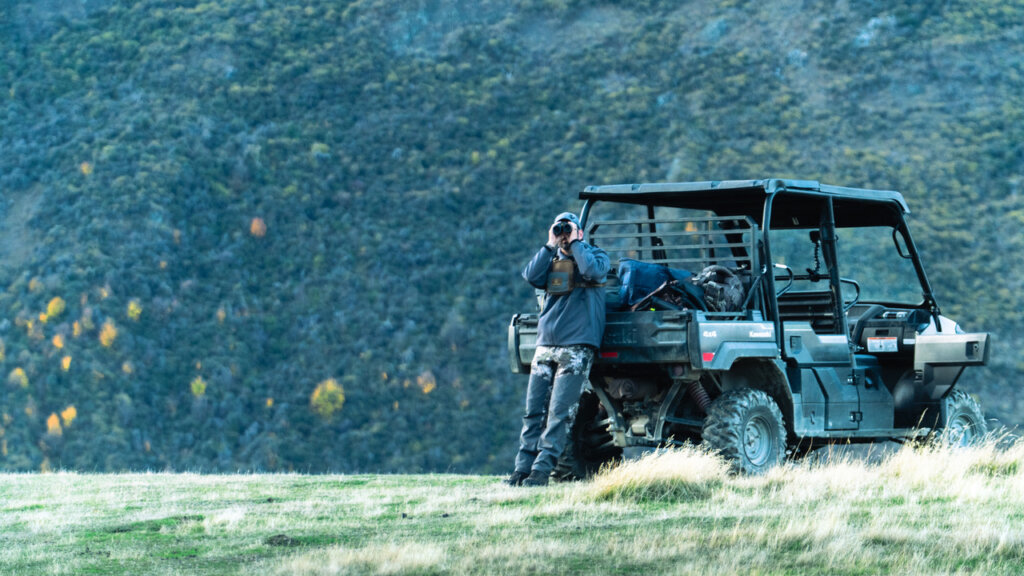
Off-Season, Scouting, Range Practice, and Kicking Back
Whew! OK. Let’s back up a bit. Before the hunt, long before the hunt, whether it’s for upland, western big game, or high-country critters, there’s likely to be pre-season scouting, practice at the range, training, and conditioning. Plus there’s the gathering with friends to hash out details for the hunt. While it is a good idea to train and condition in the boots you’ll be wearing while hunting, there are times when you can get by with comfortable hiking boots. Meindl has you covered there as well.
Comfort Fit Hiker

Yes, we recommended them for upland hunting, and they’ll do double duty as early-season hikers. Waterproof, tough, and comfortable, they’re actually three-season boots recommended for spring, summer, and fall excursions like scouting, checking game cameras, hitting the range, or hanging around town.
Bergell MFS Hiker

Here’s Meindl’s foot-hugging Memory Foam System in a classic uninsulated, waterproof hiking boot with comfort built in at every detail. This includes their DiGafix lacing system that prevents pressure points while wrapping the upper boot around your instep. Early-season comfort on or off the trail.
Vakuum Hiker

Classic everyday hikers with MFS Vakuum foam panels that lock your feet into place for a custom-like fit. Waterproof and lightweight, yet with high-tech design blending support and comfort on treks in easy to rough country. Hiking trails, game trails, or no trail…it makes no difference.
The point is that the various conditions, terrain, and situations encountered during the wide array of hunting opportunities demand different footwear to get you comfortably there and back. Well, they don’t demand it, but experience is the best teacher and we’ve learned that choosing the right boot for your hunt deserves serious consideration.
For a full lineup of the footwear Meindl offers, visit their website.