Colorado is perhaps best known for producing big mule deer bucks as well as being home to the largest Rocky Mountain elk population in the West, but often overlooked are the amazing hunting opportunities it offers for Shiras moose, Rocky Mountain bighorn sheep and mountain goats. The simple fact is Colorado offers more non-resident tags for these species than any other western state.
Shiras Moose
One of the West’s greatest wildlife reintroduction success stories is Shiras moose in Colorado. Not only are they flourishing, but the state is producing the largest-racked Shiras moose in the U.S. It all started in 1978, when Colorado Parks and Wildlife released 24 moose near Walden, then over the next 30 years more than 200 additional animals were released. Before the moose-transplant project, the only moose in Colorado were a few that strayed in from Wyoming. Theoretically, the moose may have established a significant population in the state on their own but wildlife biologists decided to seed the population with animals from Wyoming and Utah. It worked, now there are more than 2,400 and they are expanding their range. It’s one of the fastest growing populations of Shiras moose in the Lower 48.
Now with a sustainable moose population, Colorado offers one of the best opportunities for non-residents to draw a Shiras moose tag. In the pool are 22 bull (either-sex) tags and 29 cow tags and, even better, Colorado went a step further in 2020 and designated the either-sex licenses as “season-choice.” If drawn, you can hunt in any (or all three) designated season dates (archery, muzzleloader and rifle) until you are successful or the last season closes. However, cow licenses are still designated-weapon seasons.
Sheep and Goats
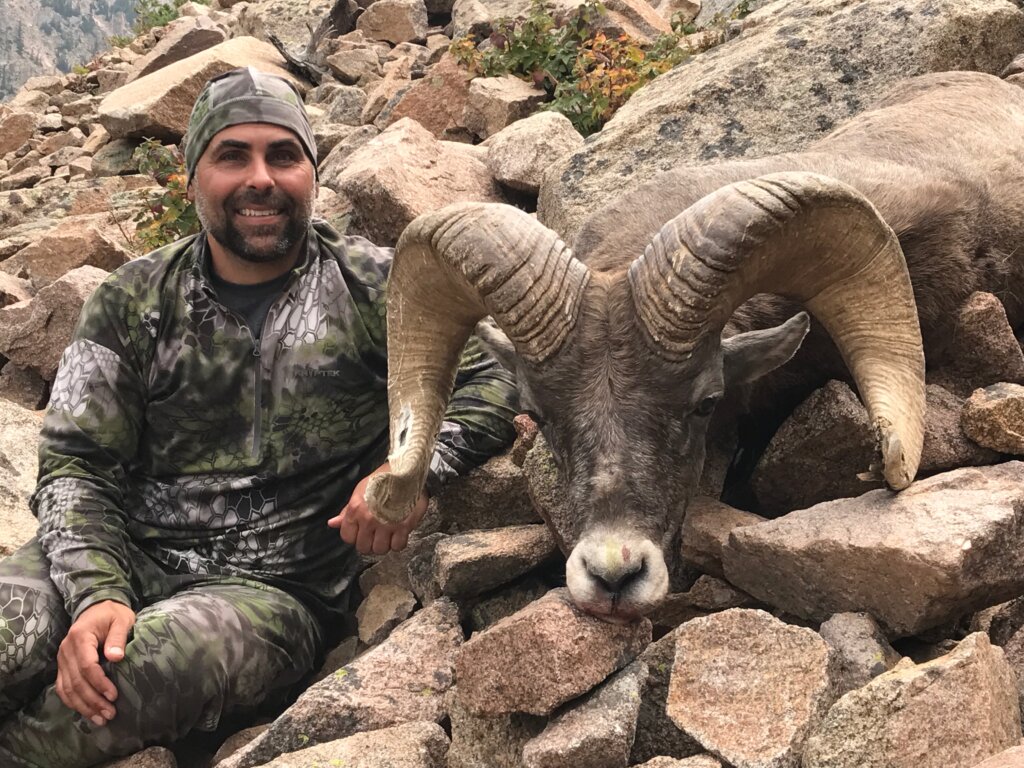
Colorado’s Rocky Mountains are the best sheep and goat country in the United States. Period. Home to 58 mountain peaks exceeding 14,000 feet, Colorado has an abundance of the sub-alpine and alpine terrain in which sheep and goats thrive. Similar to non-resident moose-hunting opportunities, Colorado’s allocation of 30 non-resident Rocky Mountain bighorn sheep tags are one of the highest in the country. This quota is divided into 16 ram rifle tags, eight ewe tags and six archery ram tags. I’d say rams in Colorado are average in size with most harvested rams typically scoring in the 160 class. However, in the right unit with the right outfitter, 170-plus rams are harvested each year.
As a bonus opportunity for sheep hunters, Colorado offers one Desert bighorn sheep tag each year in a lottery-style draw. There are no preference points available for these highly sought-after tags and applicants must choose between sheep species, Rocky Mountain or Desert. You cannot apply for both. So, the only reason to apply for Desert bighorn tag is you already have harvested a Rocky Mountain bighorn. Or you are a gambler.
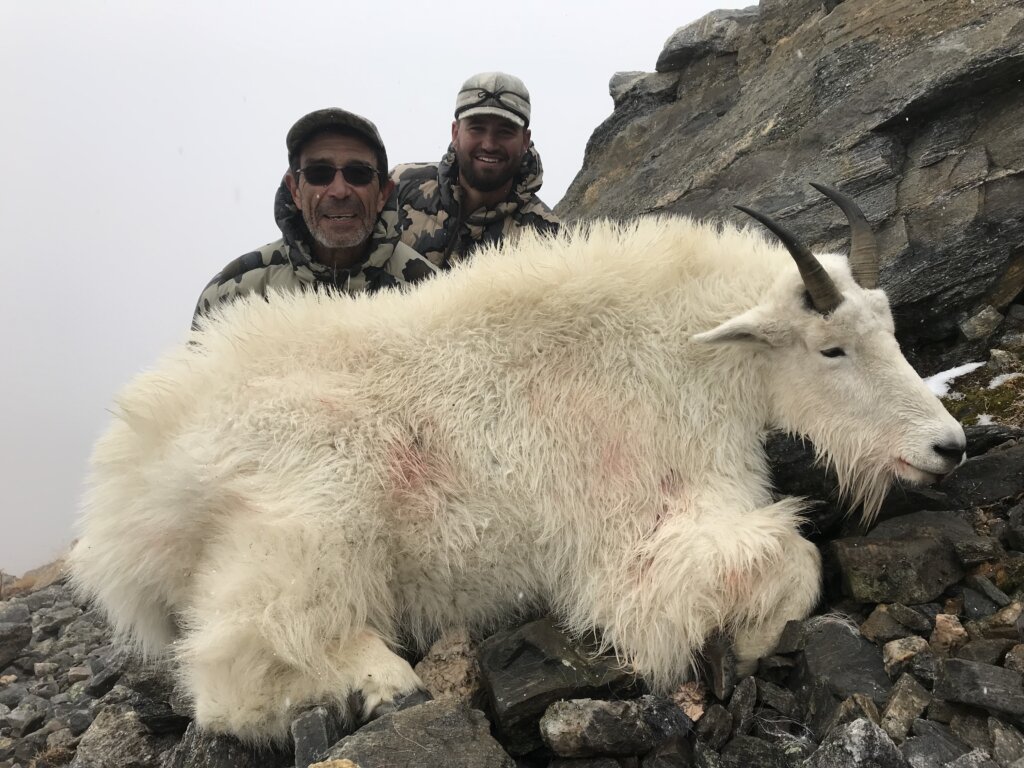
Much like the Shiras moose reintroduction, the reintroduction of mountain goats in Colorado has been a huge success. Goats were first introduced in 1947 when 14 were brought in from Montana and released. In subsequent years, more goats from Idaho, South Dakota and British Columbia were released. In 1993, the Colorado Wildlife Commission declared mountain goats a native species though some claim they had never actually occurred naturally in the state.
Nevertheless, today the vast national forests and wilderness areas (with ample trails) proved to be ideal goat habitat and now provide opportunities for goat hunters. I almost said the trail system provides hunters with an advantage, but don’t want to jinx it. Come prepared to work for your trophy. Colorado’s 21 non-resident tags make it a must-apply state for anyone with dreams of pursuing these gorgeous animals. The tags are broken down into 17 either-sex tags and 2 nanny tags and, similar to their bighorn sheep allocation, Colorado offers two archery-only, either-sex permits. If asked to categorize goat hunting in Colorado, I’d say you’ll have a good opportunity at a good representative of the species. Eight-inch billies are a realistic expectation, but keep in mind 9-inch-plus billies are harvested each year by lucky tag holders.
In Closing
Colorado’s point system for moose, sheep and goats is unique. To draw an either-sex or male tag, you must have three loyalty points before you are eligible to draw. After you have built up three points, you will be eligible to draw but if you are unsuccessful in drawing you will earn a weighted point for each subsequent year you apply. Each weighted point will increase your drawing odds for future drawings.
To apply, you are required to purchase Colorado’s annual small-game license and habitat stamp, plus pay the $109 state application fee (per species), which includes your fee for the loyalty point.
Colorado’s non-resident hunting units can, and often do, change from year-to-year. Add in changes to the overall quota and non-resident allocation and Colorado’s requirements can be a confusing to navigate for anyone not completely immersed in the process. That’s why we at WTA TAGS stay up to date on all requirements and changes in policies and procedures. And that’s why we say the simple and safe solution is to contact WTA TAGS prior to the April 6 deadline and speak to a TAGS consultants. We can help make sense of the confusion.
All-in-all, Colorado offers non-residents more opportunities than most western states when it comes to hunting moose, sheep and mountain goats, which is why we believe it is a must for your application portfolio when it comes to these three species.