Book Your Adventure 1-800-346-8747

Hunt Elk, Moose, and Bighorn Sheep in this Fine Western State

Erik Schell
|  
Location: Utah

Big-game hunting opportunities in Utah garner a lot of attention, for good reason. With 8 big-game species to apply for and two separate mule deer tags, the state offers a variety of tags likely to align with every hunter’s wishlist.

But the time to act is now. The 2022 draw deadline is March 3.

How the Draw Works

Utah is a first-choice state, meaning they examine every applicant’s first choice before looking at the second choice. So your first choice is the only one that counts on each application. Tags are split evenly with half of the tags awarded to those with the most points and the remaining 50% awarded to all other applicants on what can be termed the “random” element of the draw. If you apply for a hunt with five points and you are not awarded a tag, your name will be entered into the random draw five times. Obviously, these extra names in the hat offer immensely improved draw odds.
The Big 5:

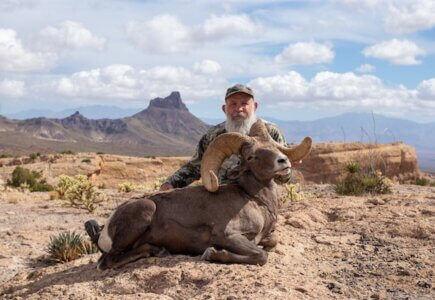
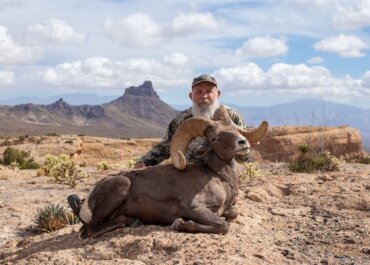
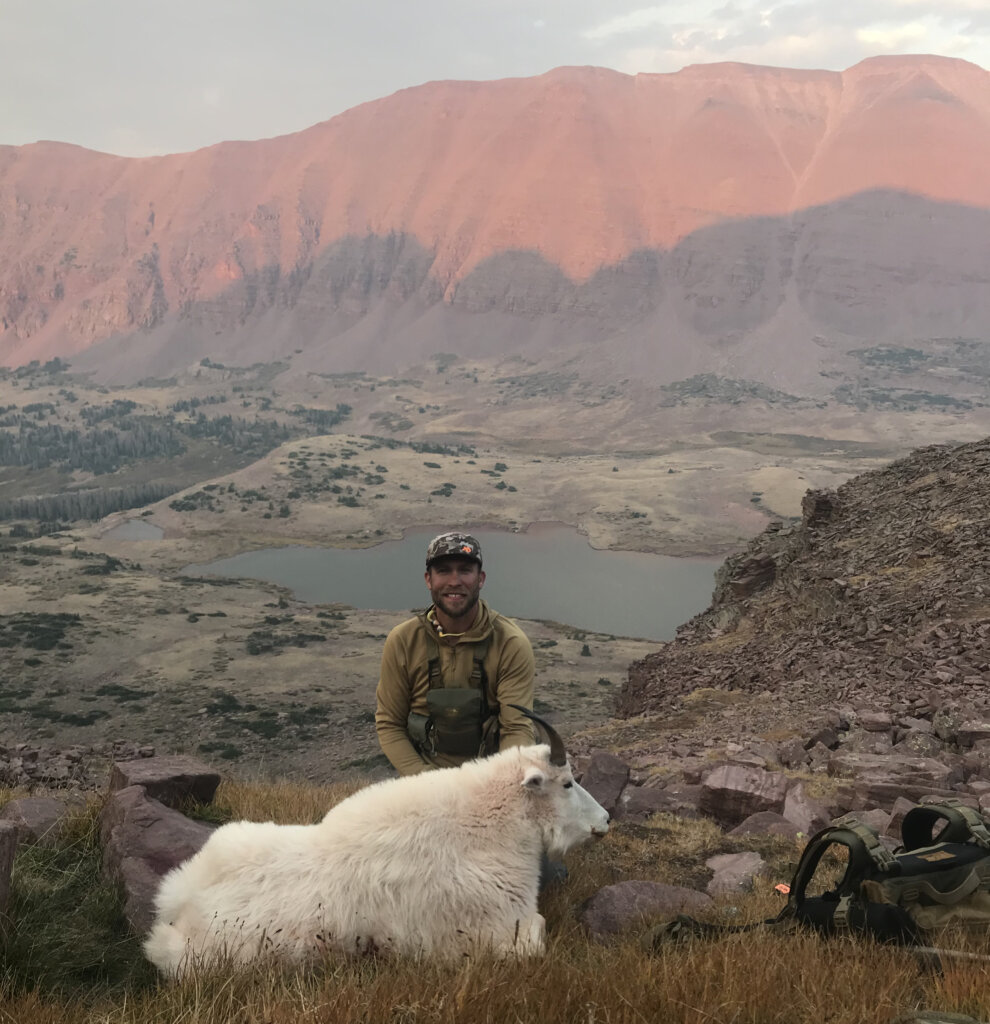
Rocky Mountain Bighorn, Desert Bighorn, Shiras Moose, Rocky Mountain Goat, Bison

Utah’s topography, elevations, and climates are so vast and varied it allows Rocky Mountain bighorn, desert bighorn, Shiras moose, Rocky Mountain goat, and bison to thrive in different portions of the state. Hunters can apply for all five species. These hunts are managed for 100% success on mature animals. Utah is one of only five states that offers true free-range Boone & Crockett-eligible bison tags. If drawn for any of these five species, you can expect a memorable experience. 
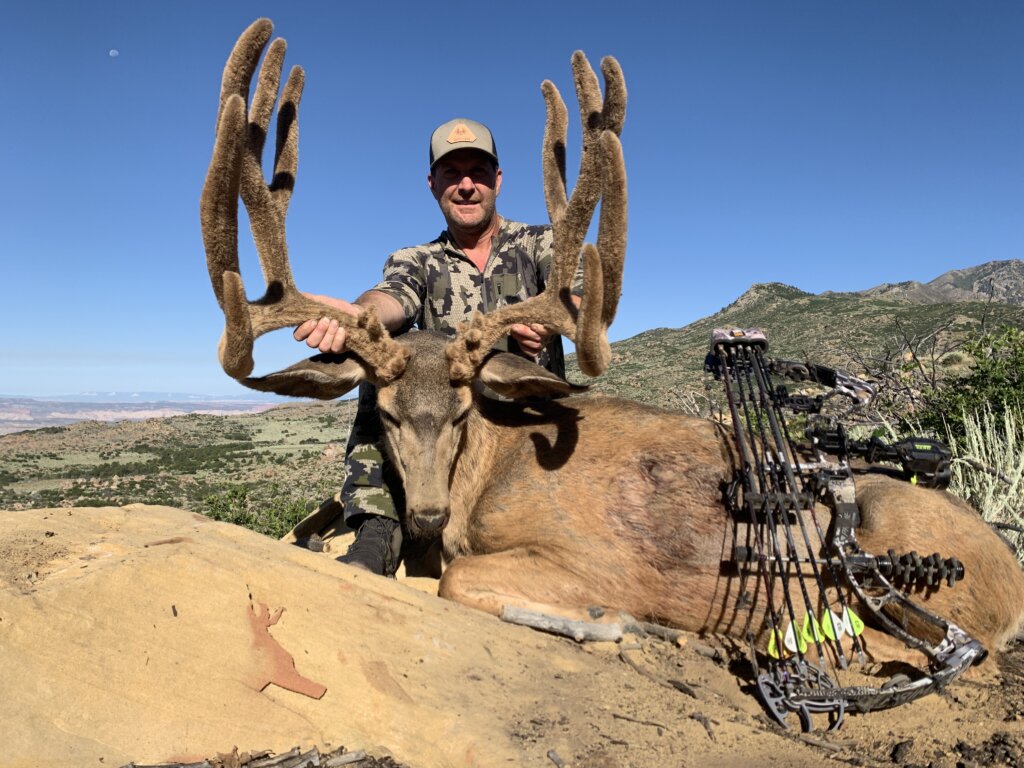
Mule Deer

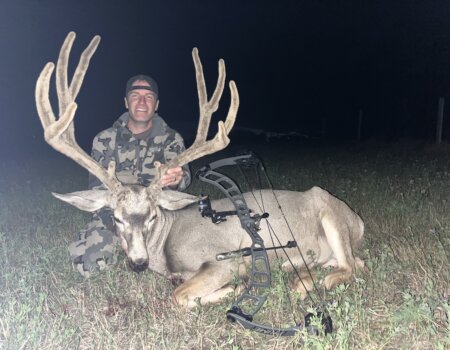
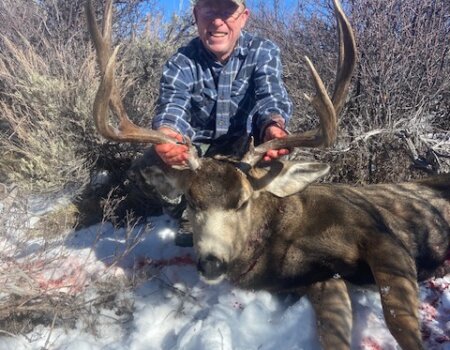
Over the last decade Utah has experienced a regression in average trophy size coming off the premier hunting units and a decline in terms of total herd numbers. In response, Utah has formulated a plan to revitalize the herd in conjunction with an aggressive predator management program. These programs, coupled with the current moisture outlook, should encourage mule deer enthusiasts for the near future in Utah.

Limited Entry versus General Season

Utah offers two deer applications: limited entry and general season. Both allow applicants to select from archery, muzzleloader, and rifle hunt options. Utah’s top limited-entry units rival the finest units across the West in terms of trophy production and historically high hunter-satisfaction ratings. Tag numbers are extremely limited in these areas, so we highly suggest applying with the most primitive weapon you feel comfortable hunting with to increase your draw odds.

But the general deer hunting opportunities should not be overlooked. These tags are ideal for enjoying time in Utah’s grand outdoors and can provide a great opportunity at representative bucks, specifically when hunting with an outfitter very familiar with the area. True trophy-minded hunts do exist within the general season offerings but are few and far between.
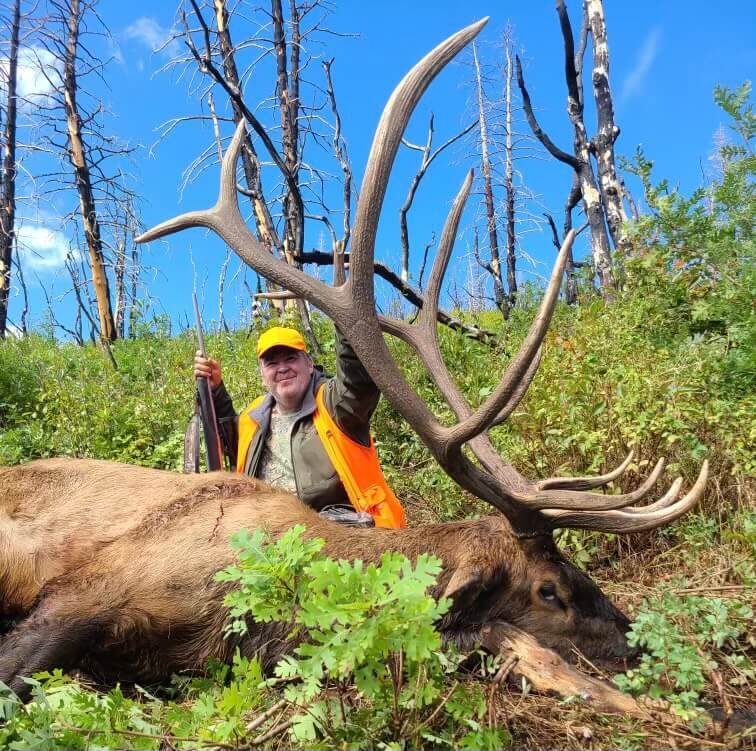
Rocky Mountain Elk

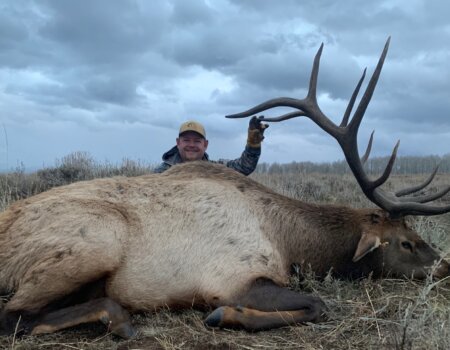
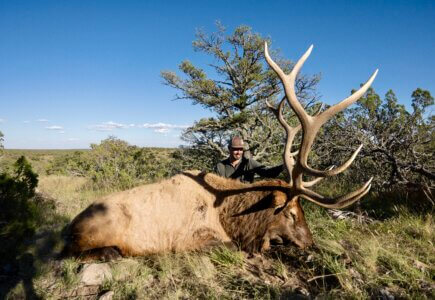
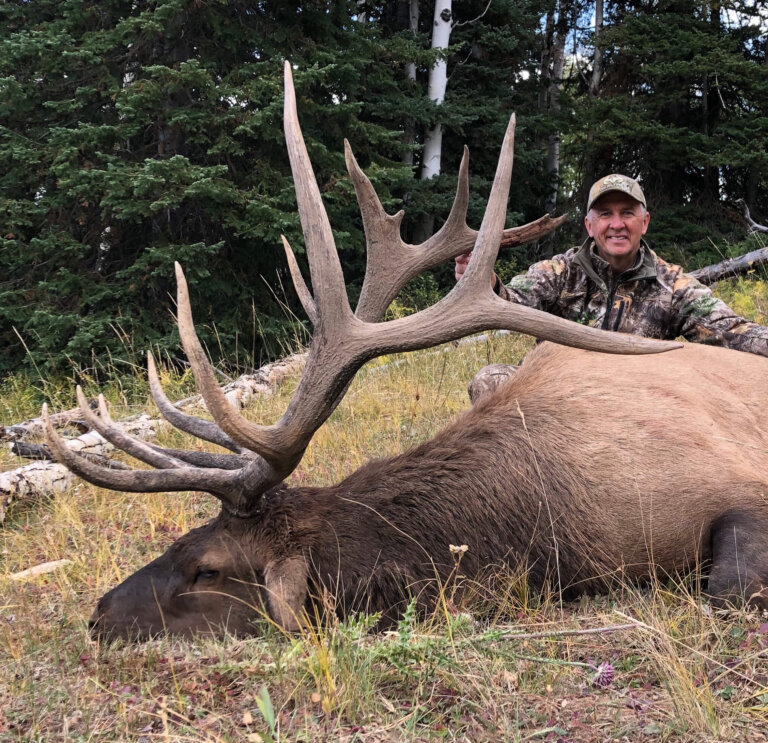
The quality of elk hunting in Utah rivals any state in the West. Just take a look at a B&C record book and you’ll see what I’m talking about. Although certain units offer higher odds of taking a 380+ bull, nearly every limited-entry unit produces 360+ bulls each year. If you are set on drawing one of the premier units, strap in, you will typically be in for a long wait. I encourage you to look at applying for the muzzleloader, archery, and late rifle hunts instead of the September rifle hunt during the heart of the bugle (which everyone else wants ) to improve overall odds. These hunts are still phenomenal opportunities, and your draw odds will monumentally increase.

Antelope

Antelope thrive across the state, but tags are extremely limited. If you are currently applying, and have points, stay the course and continue to apply yearly. If you have not started, I would encourage you to speak with one of the WTA TAGS consultants regarding opportunities outside of Utah that may offer better hunting quality without the wait that has become the norm for an antelope tag in Utah.

If you are currently applying in Utah and question your current application strategy or are simply considering applying for your first tag in the West, do not hesitate to contact WTA TAGS. The expert consulting team will give you sound advice gathered through first-hand experiences and relationships built over the last 20 years with the finest outfitters in the state.

Dial 1-800-755-8247 to speak with a consultant or click here to email.

Recent Articles

Popular Hunts

Elk, Rocky Mountain Elk   ·
Utah
From 
$2,500
Outfitter #075
Draw Required
Rocky Mountain Elk   ·
Wyoming
From 
$11,000
Outfitter #1075

Top Utah Hunting Trips

Elk, Rocky Mountain Elk   ·
Utah
From 
$2,500
Outfitter #075
Mountain Lion   ·
Utah
From 
$6,000
Outfitter #1029

Related Articles

Apply for Alaska’s Most Coveted Tags

Apply for Alaska’s Most Coveted Tags

Most sportsmen don’t think of the draw when contemplating a hunt in Alaska. That’s because, for most of the big…
Limited-Entry Alaska Dall Sheep: North America’s Pinnacle Hunt

Limited-Entry Alaska Dall Sheep: North America’s Pinnacle Hunt

As the December 15 deadline to apply for Alaska’s most coveted big-game tags approaches, one opportunity stands above all others: limited-entry Dall sheep. If you’ve ever dreamed of pursuing this iconic high-country species, now is the time to apply.

Why this Hunt Matters More than Ever

In the not-too-distant past, Alaska suffered back-to-back-to-back severe weather events that dramatically impacted Dall sheep populations across much of the state, resulting in fewer over-the-counter opportunities and even closures. Hunters have been forced to look to Canada, where hunts are now largely sold out through 2027 and prices have surged beyond $60,000. Even at such outrageous prices, availability is scarce.

This shift has made Alaska’s limited-entry draw areas for Dall sheep one of the most valuable options left for serious hunters. With hunts priced between $28,000 and $35,000, applicants can still access very high-quality white sheep at nearly half the cost of Canadian alternatives.

Exceptional Success Rates

Despite the challenges statewide, the limited-entry regions—managed by very conservative tag allocations—continue to produce outstanding results for the lucky applicants of WTA TAGS:

  • 100% shot opportunity during the past three seasons,
  • 90%+ harvest rates on mature rams,
  • Some of the largest Dall rams in North America.

For those willing to embrace the physical challenge, this hunt represents the ultimate North American mountain adventure.

Why…
Against the Odds: Drawing Back-to-Back Sheep and Goat Tags 

Against the Odds: Drawing Back-to-Back Sheep and Goat Tags 

Drawing a sheep tag with 1-in-5,300 odds is amazing. Drawing a mountain goat tag the next year? That’s lottery luck. That’s why it didn’t seem real when my WTA consultant, Jordan Roche, called me two years in a row with that news!

I’d been working with Jordan at WTA TAGS for about five years, letting him manage my hunting applications in multiple states while I focused on staying in shape for whatever hunts might come through. When he called about the Tok Range Dall sheep tag (the only non-resident permit out of 10 total), I knew it was special.

After the excitement of drawing my tag settled in, it was time to find the right outfitter to make my hunt a success. WTA recommended one of their top partners for that area and handled every detail. My outfitter made it clear: this would be a backpack hunt in some of Alaska’s toughest sheep country. At 64, with two hip replacements, I can’t run anymore. But I can hike. So that’s how I prepared—I hiked mile after mile with a weighted pack, knowing the Tok doesn’t care about age or medical history.

We went in a day and a half before the season opened and spotted a band of 14 rams, including one heavy-horned giant that immediately caught our attention. Then Alaska did what Alaska does best. Weather rolled in, the rams vanished, and we spent the three days scouring valleys and ridges to find them again.

When we finally relocated them, we had to break camp and make a major move. After a full day’s work, we spotted six rams bedding down as evening fell. The next morning, we made our play.

The wind that day was unlike anything I’d ever experienced. It sounded like a freight train roaring up the mountain; gusting, dying, gusting again. At 320 yards, I had to time my shot during the lulls. My first shot went wide in the wind. The second shot dropped him—a beautiful 39″ ram. Honestly, I didn’t care about the number. That’s not why I hunt. I’m in it for the experience and a good animal. This ram was both.

The pack-out was its own adventure. We crossed the glacier-fed Tok River multiple times before Matt showed up with a Korean War-era military vehicle that could go just about anywhere. After nine days in the mountains, that slow, bumpy ride was a step up from travelling another 10 miles on foot. This was a trip I’ll never forget.

When Jordan called me in February 2025 to tell me I’d drawn a mountain goat tag, I actually laughed. “Figure out something for next year,” I told him, knowing the odds of a three-peat were one in a million. But first, it was time to prepare for my goat hunt.

I flew into Homer at the end of August, expecting to start hunting on Tuesday. By Monday evening, my outfitter, Paul, was warning me about the incoming weather. “We might not get you in until Friday,” he said. He wasn’t kidding. We sat through three days of howling wind, driving rain, and zero visibility before finally getting our chance.

Paul operates from a landing craft that serves as a mobile base camp. But getting from sea level to where the goats live? That was the hardest climb I’ve ever done, and I’ve completed five sheep hunts.

It was only 1,500 vertical feet, but every step came wrapped in devil’s club thorns, soaking brush, deadfall, and rain-slicked cliff bands. We hiked for what seemed like an eternity before stopping for the night to set up camp.

The next morning changed everything. Once above that coastal jungle, the alpine opened up to reveal why we’d suffered through that brutal climb. There were mountain goats everywhere. Good billies. The kind that makes you forget about devil’s club and exhaustion.

I took my billy on August 30, the first day of actual hunting after being sidelined due to weather. While packing him out, we witnessed something I’d never seen: ravens harassing a billy goat. They would swoop within inches of his head, and he’d swing his horns, trying to knock them away. Paul had told me about this strange relationship between ravens and goats, but seeing it firsthand was incredible.

The trip down gave us one more show. A black bear, fat from gorging on berries, army-crawled through the blueberry patches, entertained us from 400 yards away. I had a bear tag, but watching him was worth more than any trophy. Crossing salmon-choked streams on the way out completed the full Alaskan experience.

Both hunts worked because of solid preparation and connections with the right team. Jordan, my WTA consultant, had been helping me strategically build points and select units for years. When the draw results came through, WTA’s network meant proven outfitters were ready and handled every detail. They provided thorough gear lists, arranged logistics, and coordinated air charters. Everything was dialed in.

Some guys chase record books. Others chase hunting milestones. I finished my slam in 2019 with a desert ram, but what excites me most these days is the experience—the hunts that test you, humble you, and stay with you long after the pack is unloaded. When you work with the right people and put in the preparation, amazing things can happen. Jordan’s already working on my applications for 2026, so we’ll see what adventure comes through next.

Contact WTA TAGS to learn more about drawing the tags of your dreams: 1-800-755-8247

Get Started with WTA TAGS

Get Trip Specials & Cancellations,
Right Where You Want It.

No spam. Just the good stuff. Opt-out anytime.