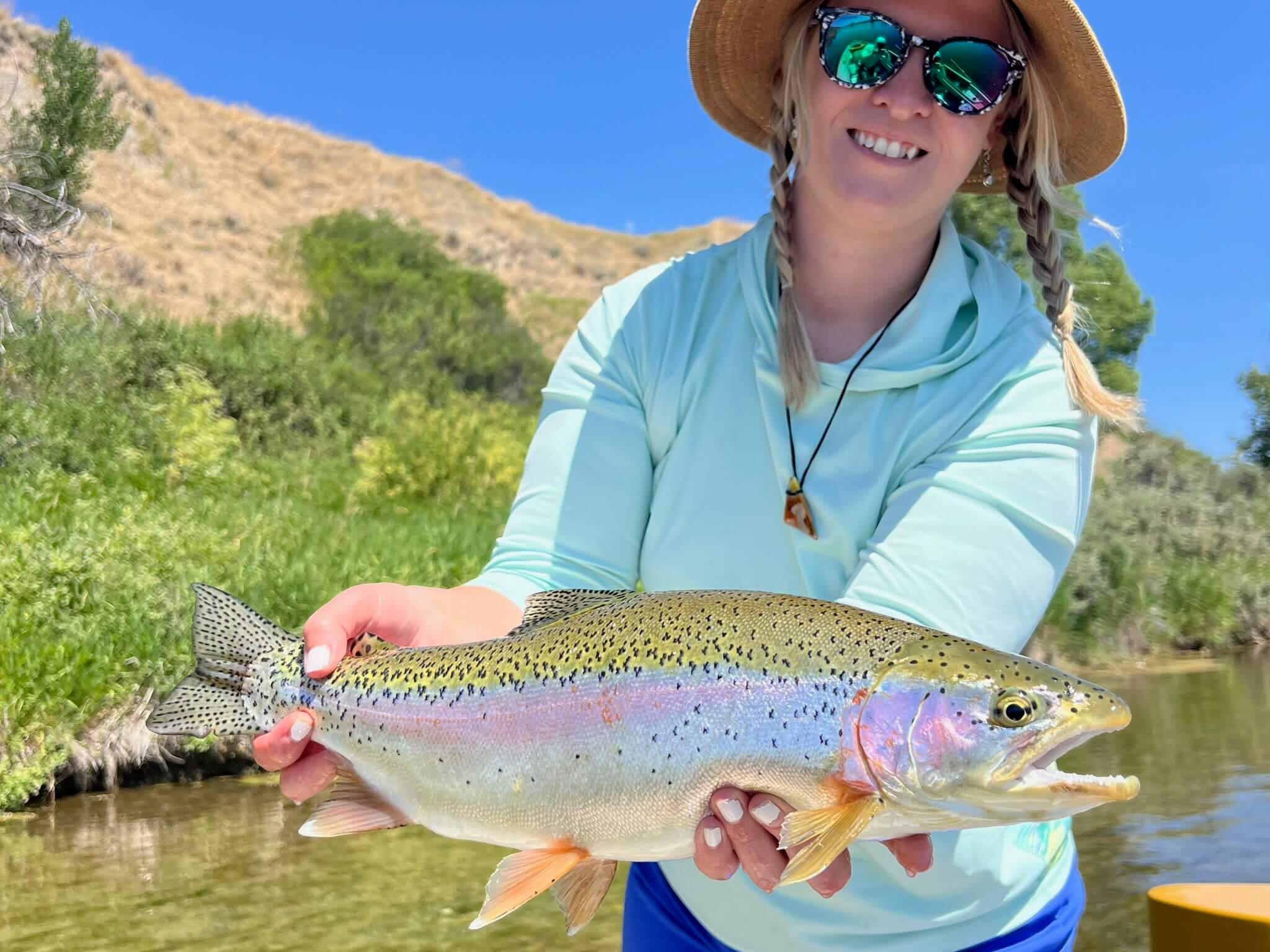
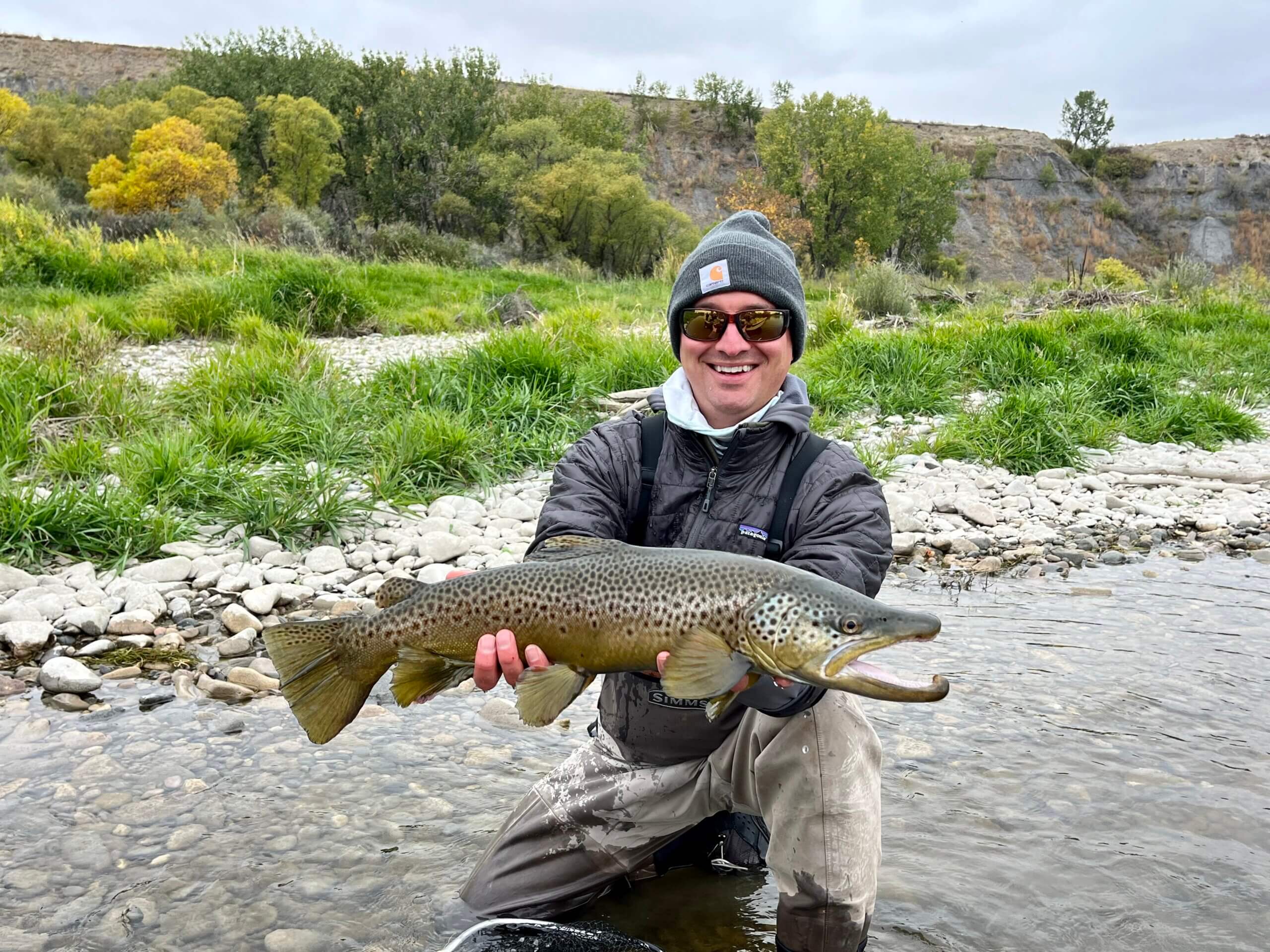
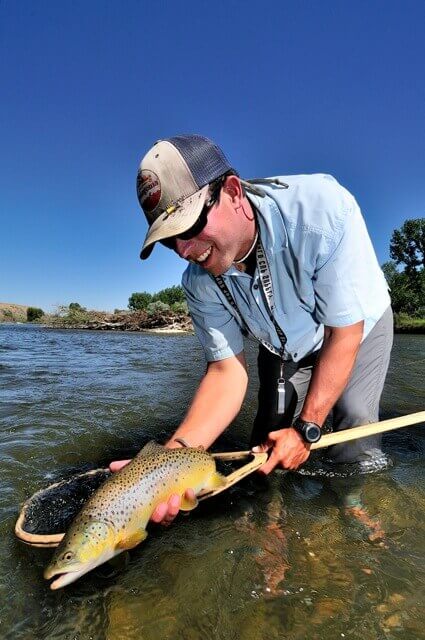
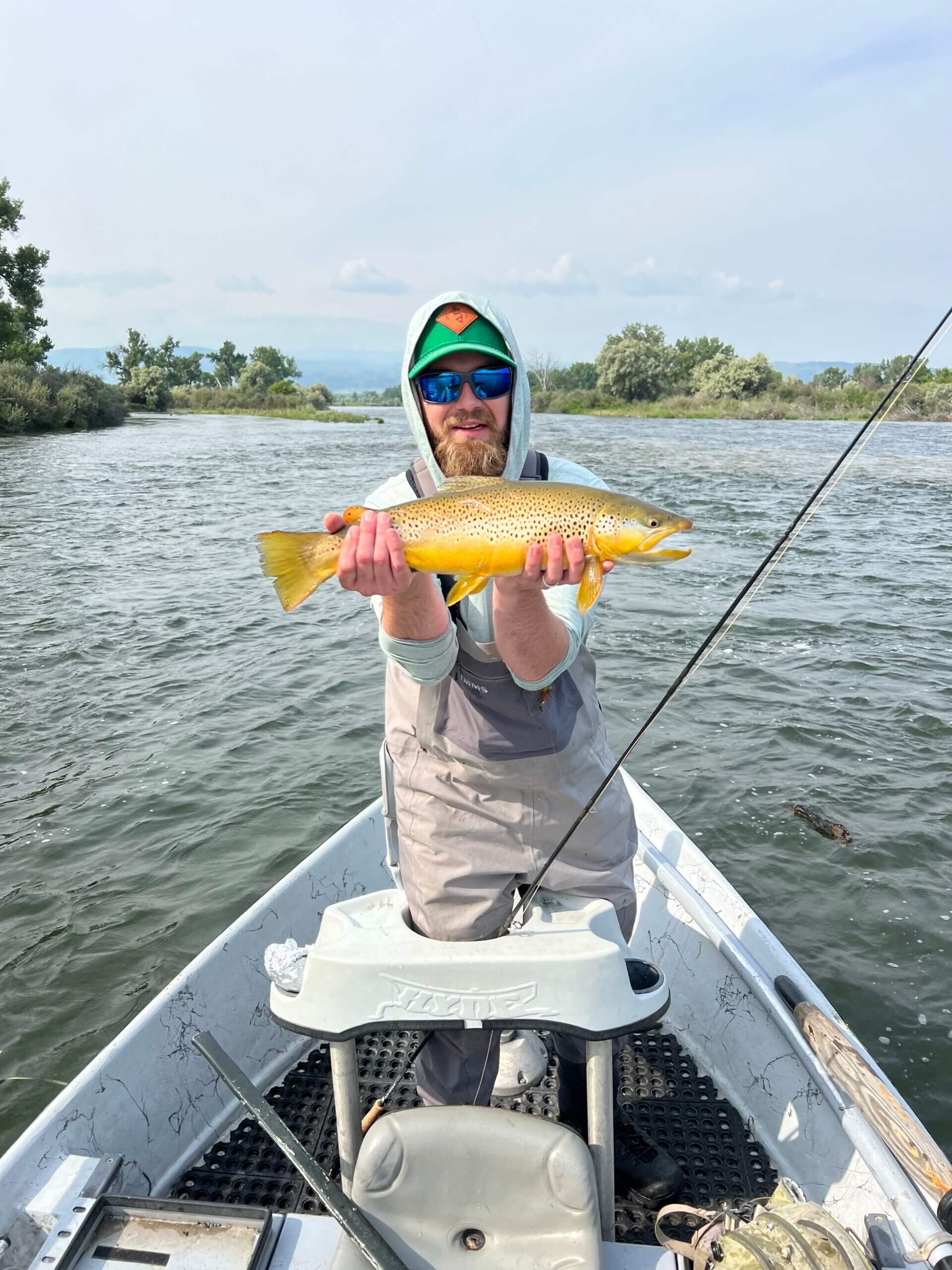
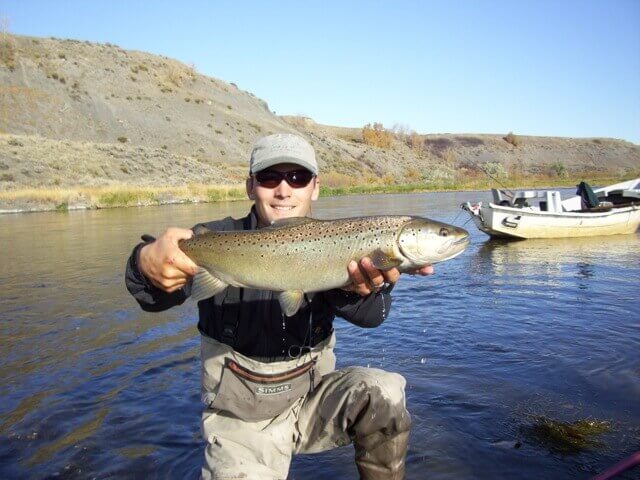
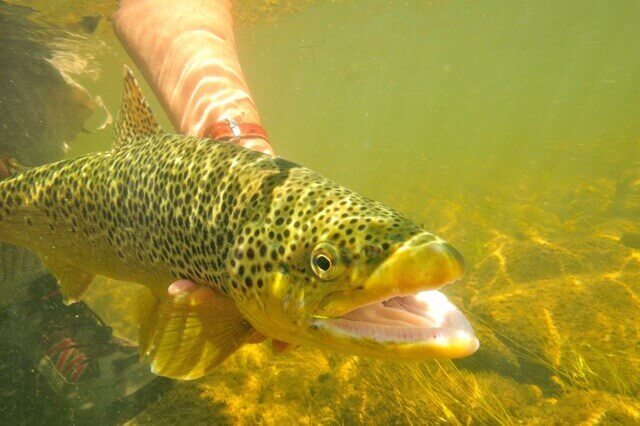
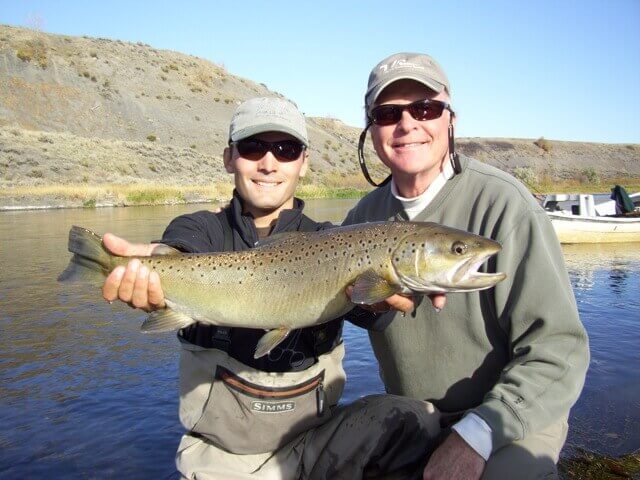
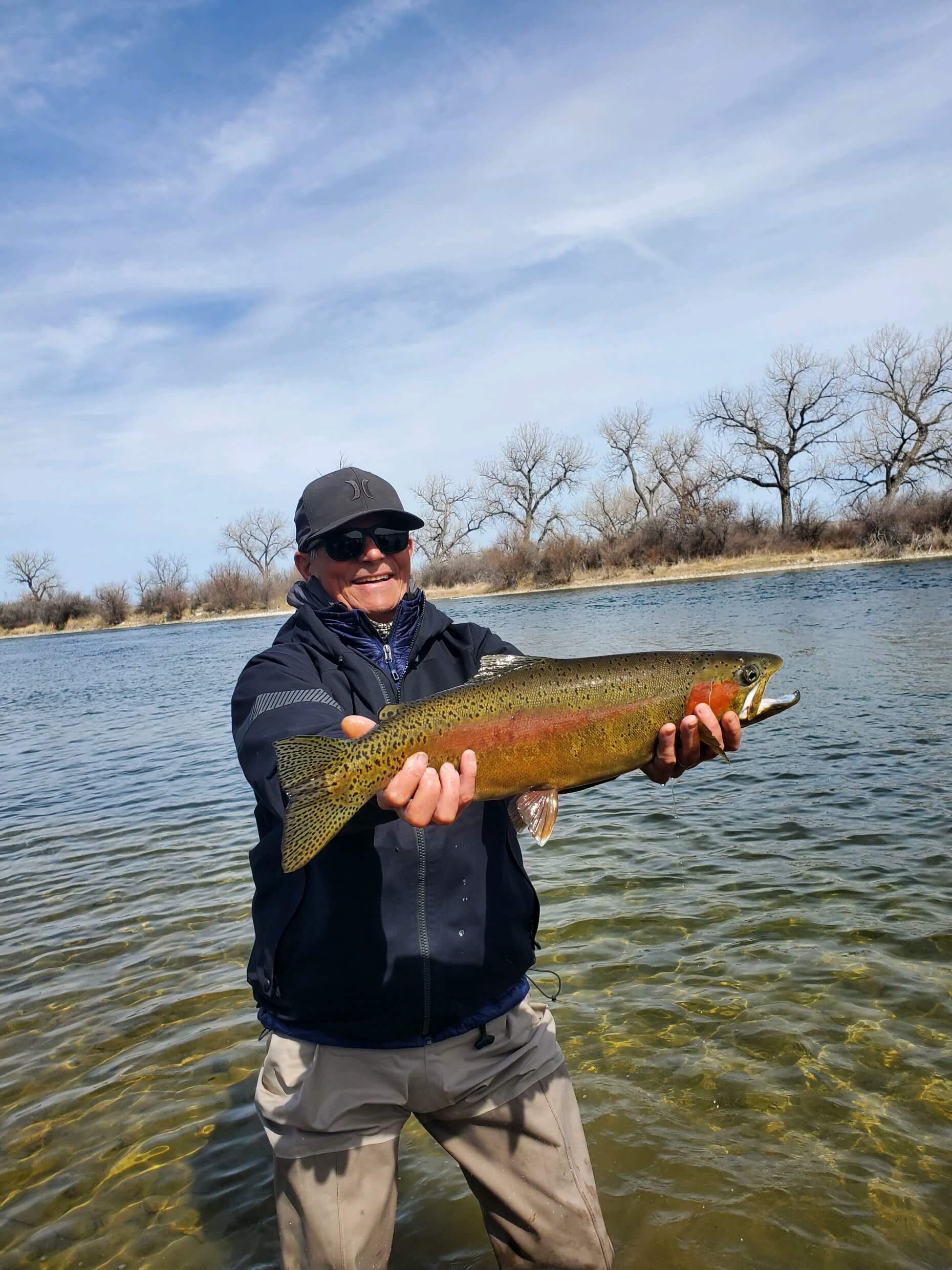
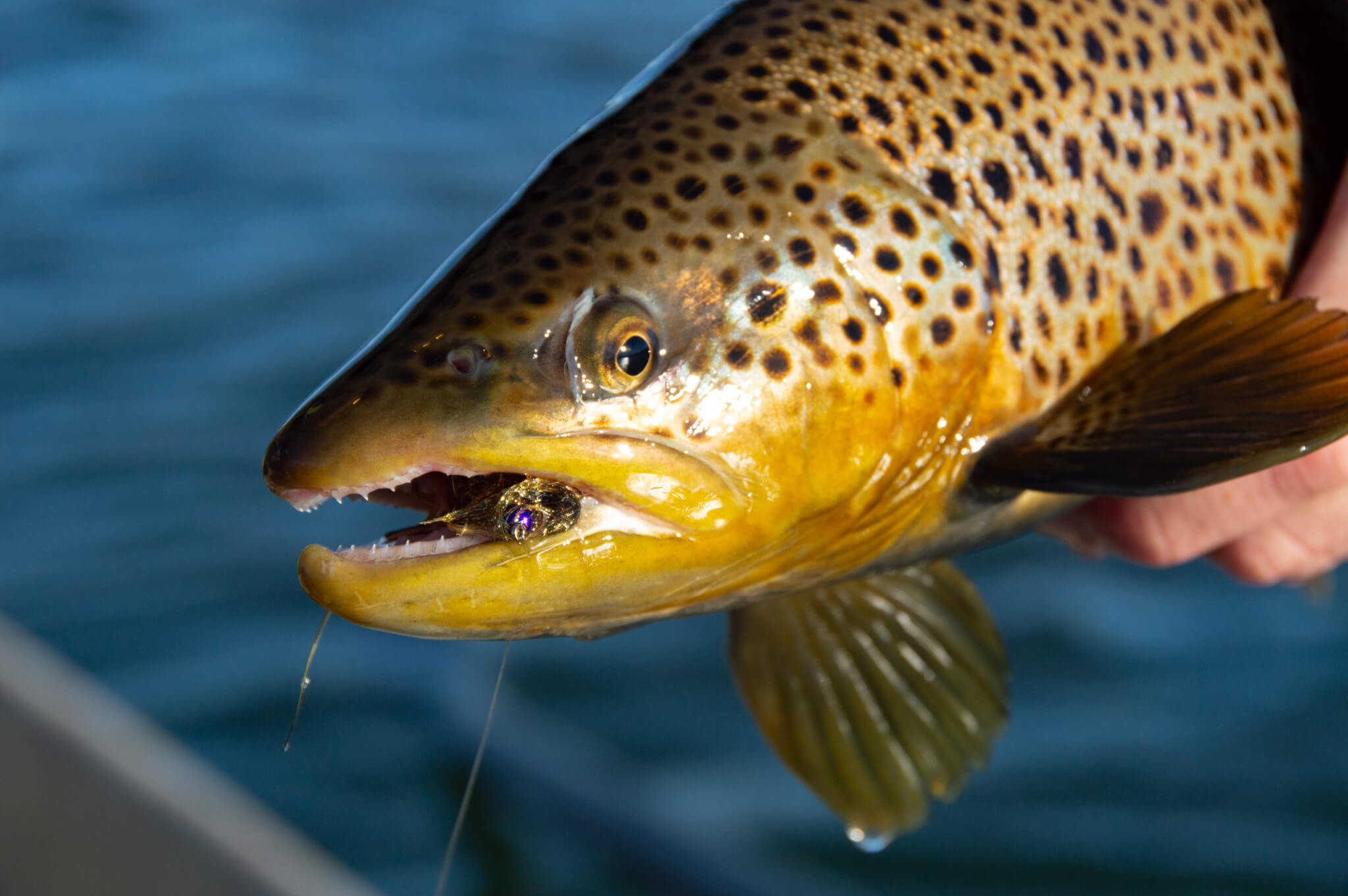
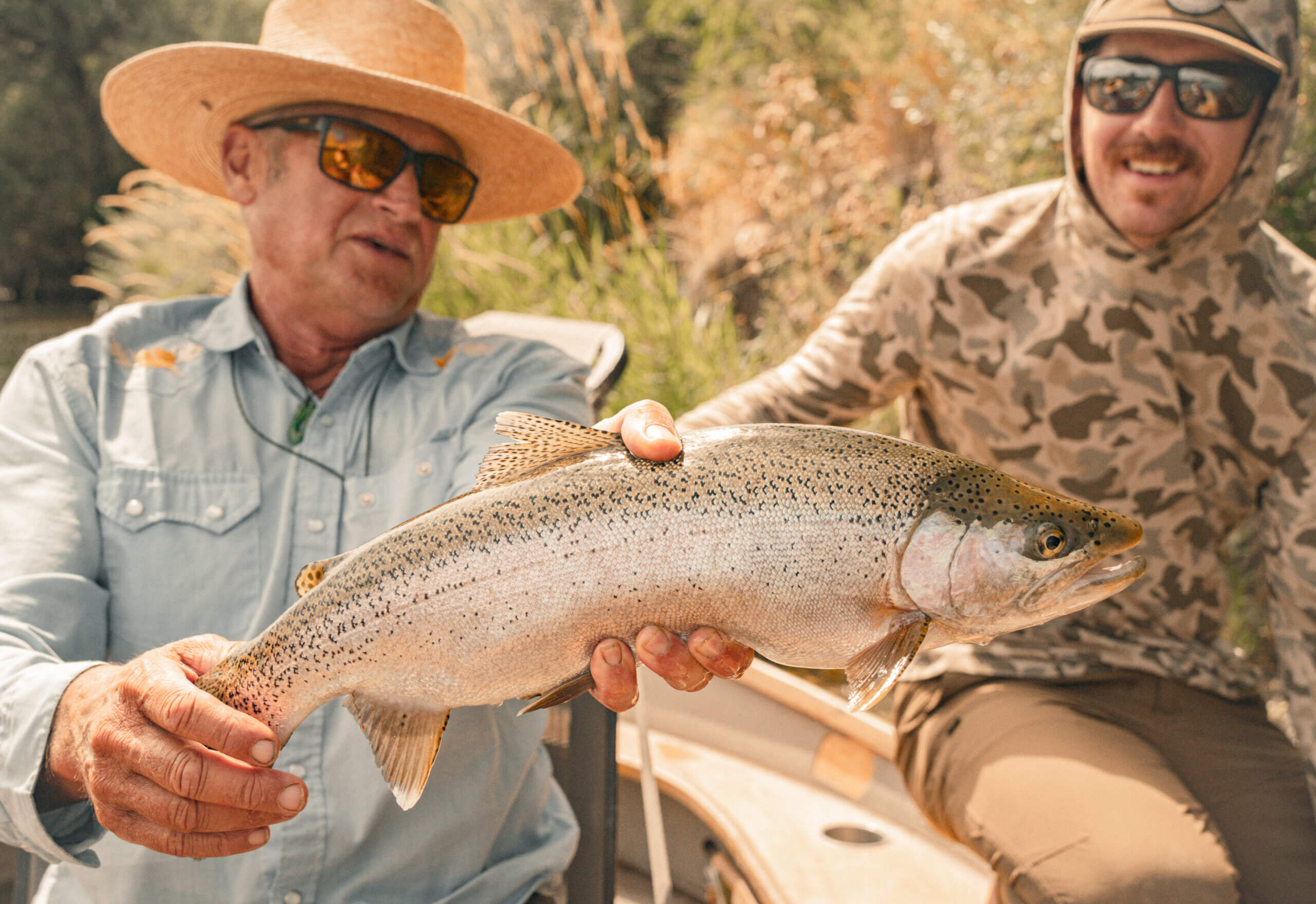
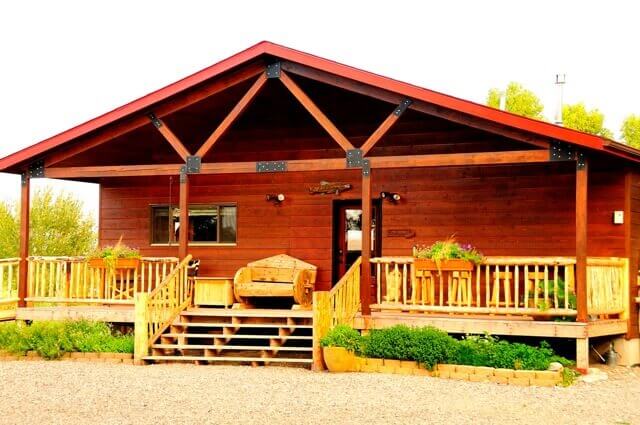
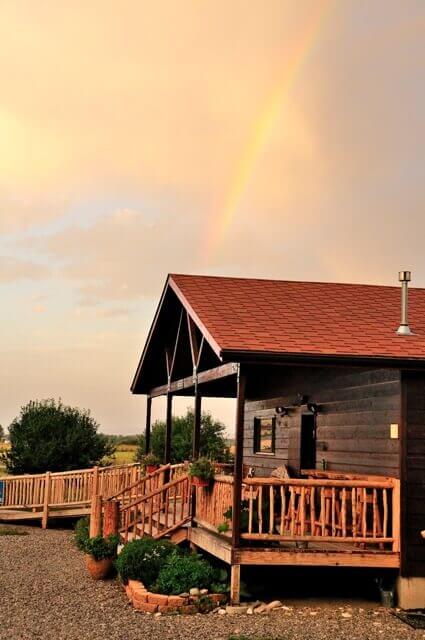
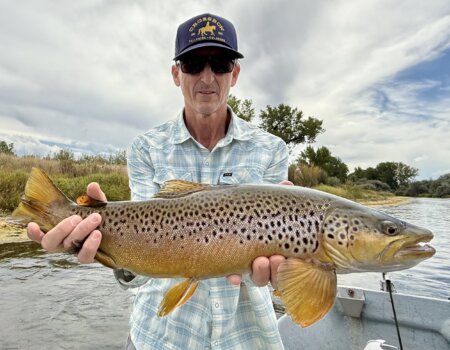
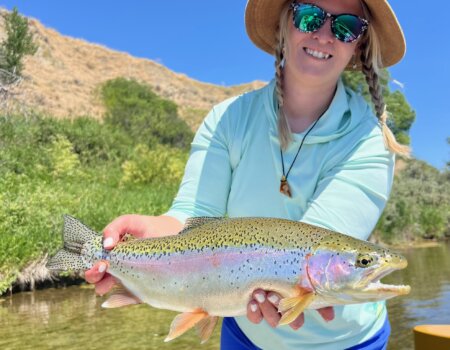
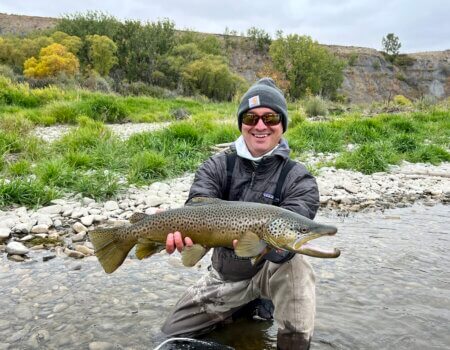
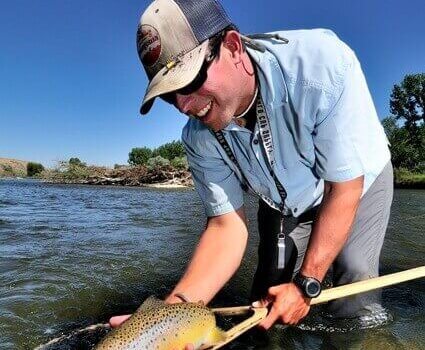
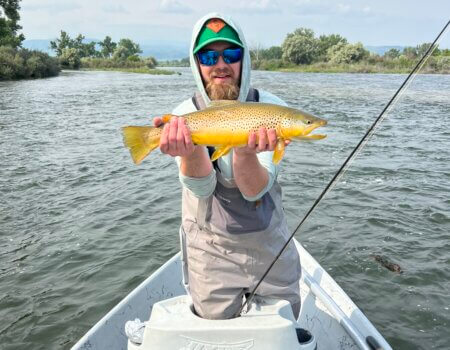
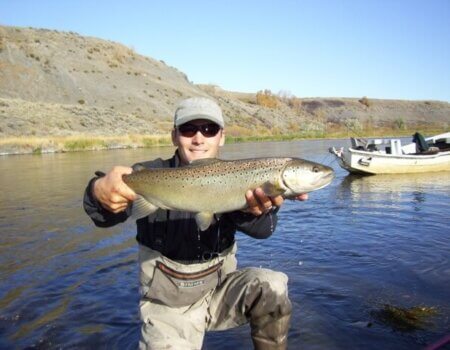
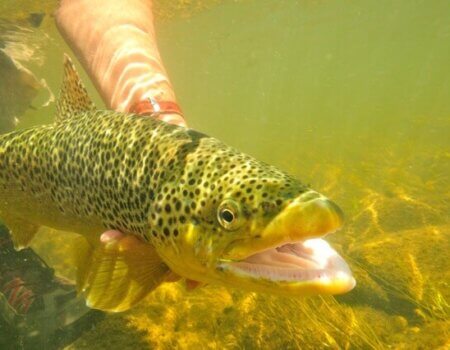
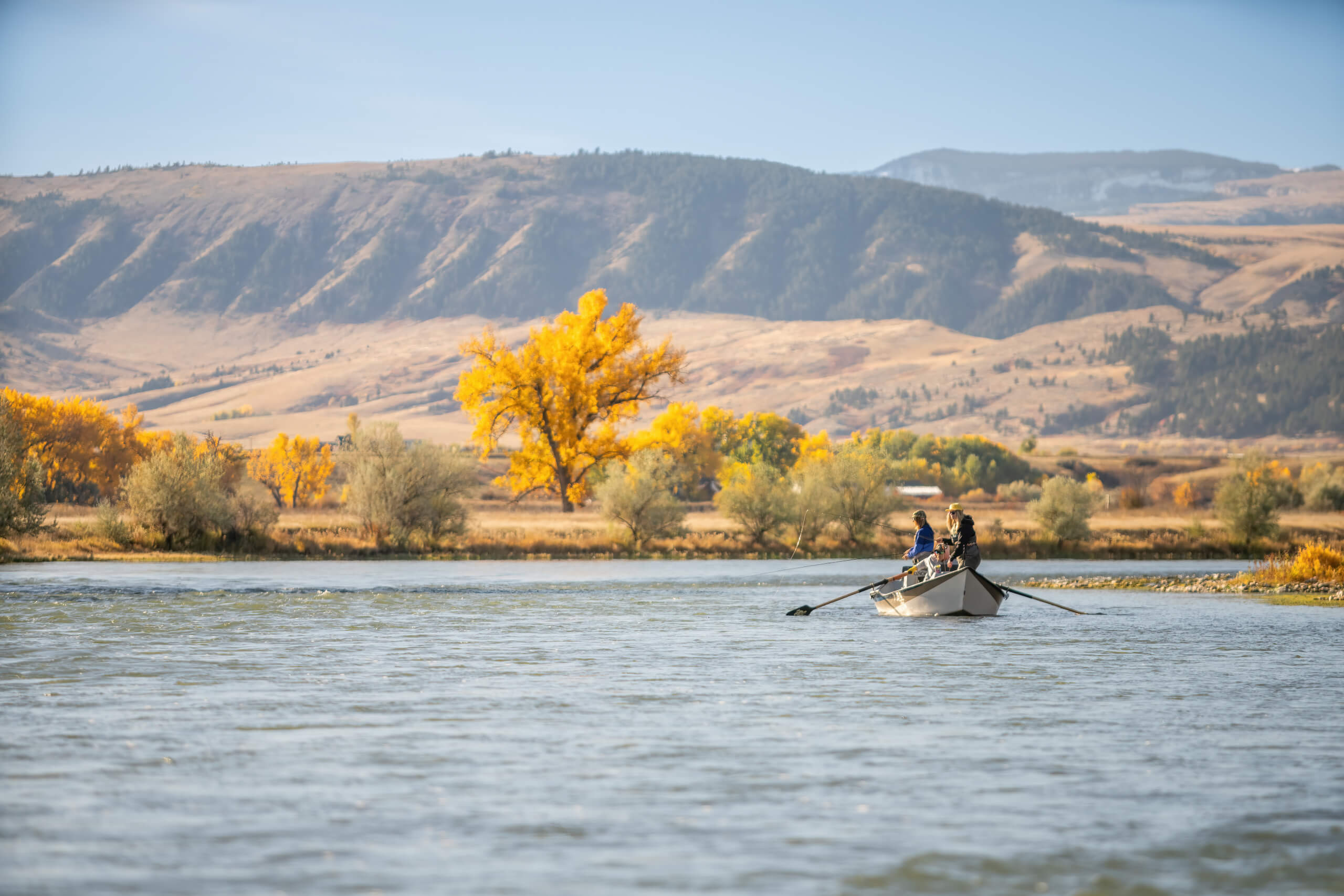
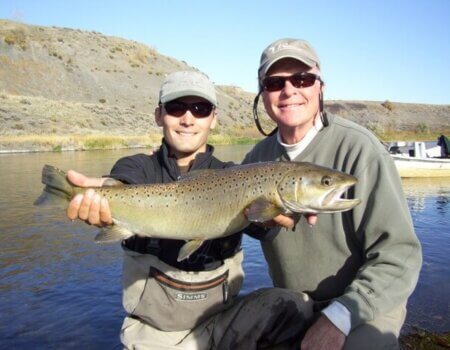
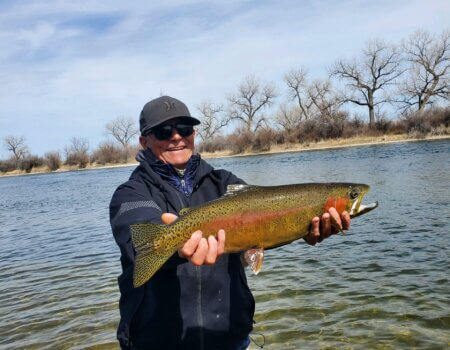
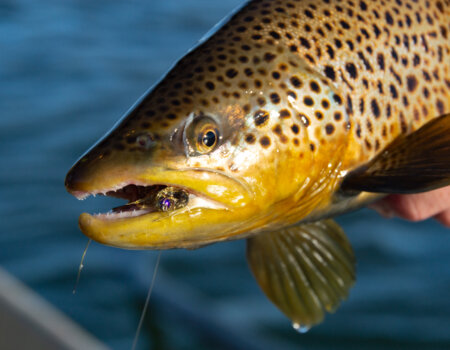
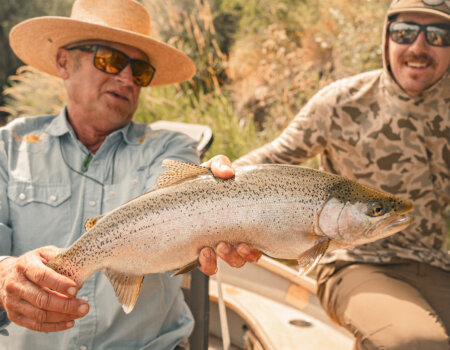
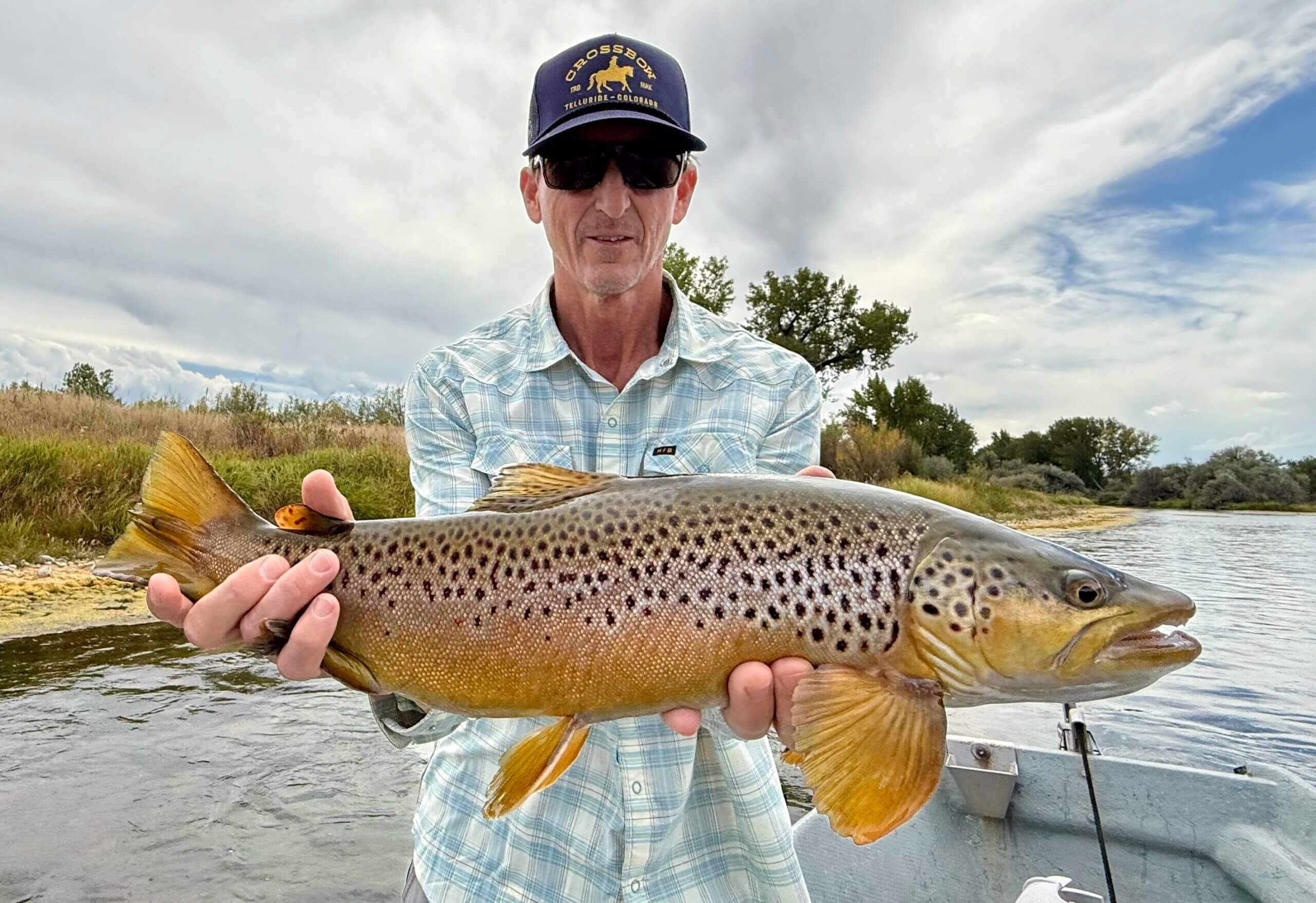
The Bighorn River flows through the open country of southeastern Montana and is widely regarded as one of the most consistent trout fisheries in the West. With high trout densities—often approaching 2,500 fish per mile—and stable, year-round tailwater flows, the Bighorn provides reliable fishing for anglers of all experience levels. Most trout range from 16″-18″, with regular opportunities for fish exceeding 20″.The river offers a variety of fishing options. Anglers may drift indicators from the boat, wade fish side channels and runs, or sight fish to actively feeding trout during dry-fly conditions. This diversity of water and techniques makes the Bighorn equally well suited to first-time anglers and experienced fly fishers. This is a comfortable, well-kept lodge known for excellent food, experienced guides, and friendly service. On arrival and departure days, guests have walk-in access to the lodge’s private water and may fish independently. Guided days include full floats on the Bighorn, with time spent fishing from the boat and wading productive sections along the way. In the evenings, guests and guides often gather outside to relax and talk about the day’s fishing. Overall, this is a classic Montana fishing experience defined by strong fishing, well-prepared meals, and a relaxed atmosphere.
The fishing program focuses on straightforward, effective trout fishing tailored to each guests’ ability and goals. Guides emphasize reading water, presentation, and technique, adjusting daily plans based on conditions and angler preference. Fishing is conducted primarily from drift boats, allowing anglers to efficiently cover water while stopping to wade fish productive runs and side channels.
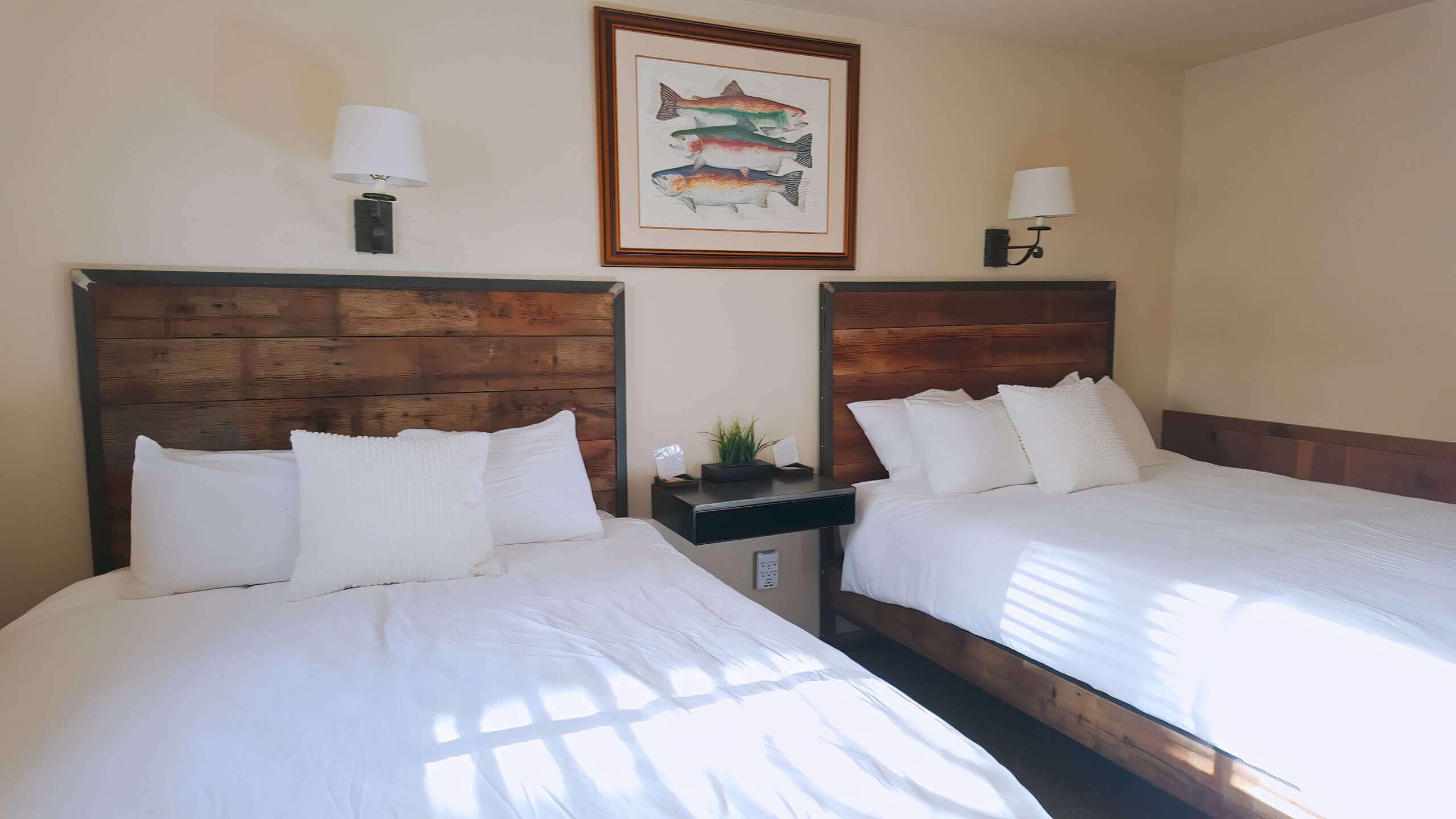
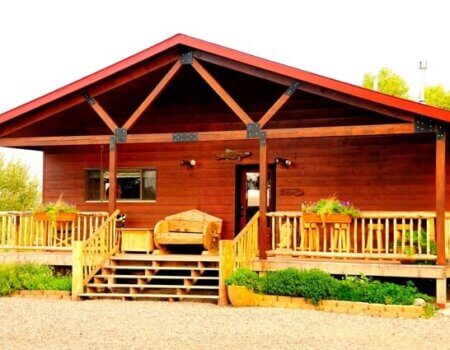
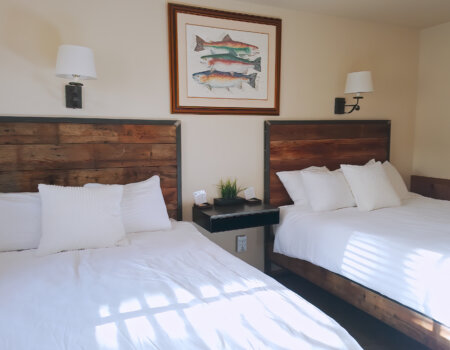
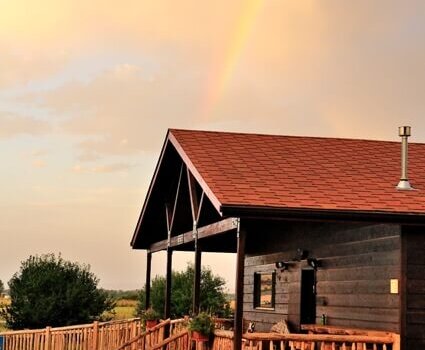
The lodge offers motel-style guest rooms, each with two queen beds, a private bathroom, air conditioning, and a mini refrigerator. All rooms are located just steps from the main lodge, where guests gather for meals and conversation. A small farmhouse with two bedrooms and a full kitchen is also available, along with two larger studio apartments located at the back of the property. Outdoor seating at the main lodge provides a relaxed place to unwind, and the annex offers a pool table, darts, and a large-screen TV
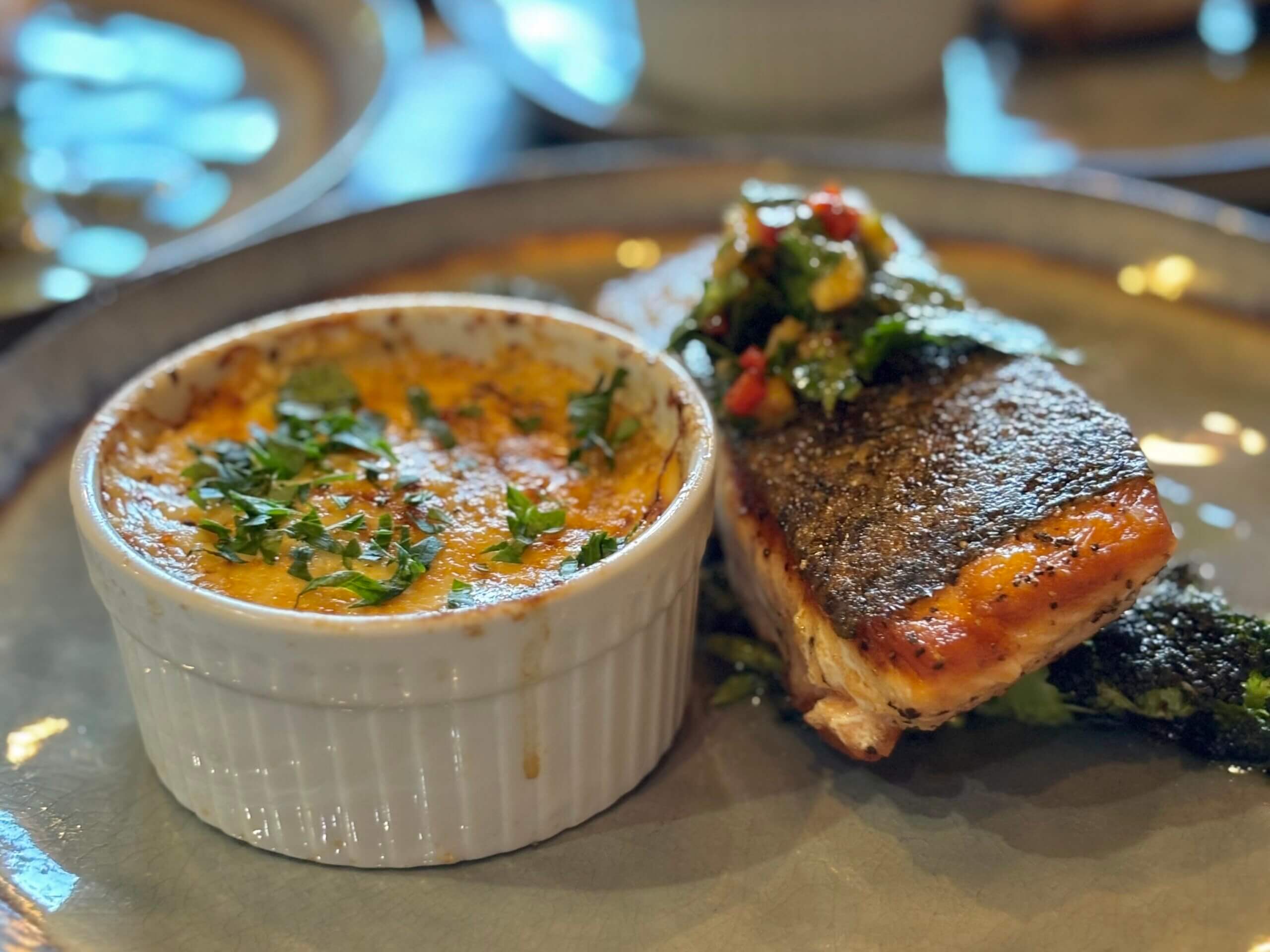
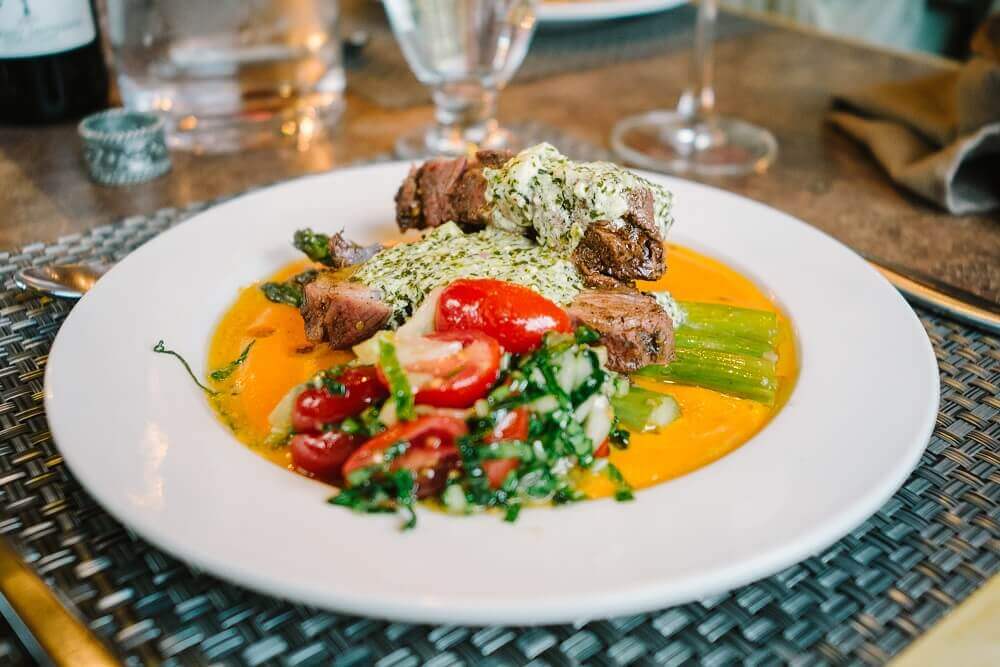
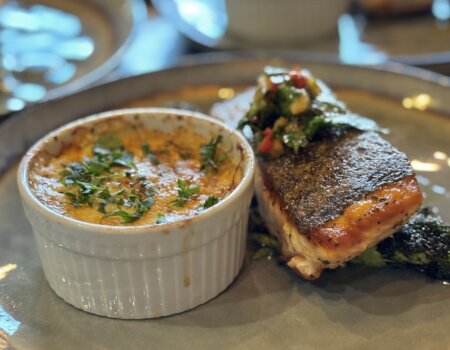
Meals are prepared fresh each day by the lodge chef. A hot breakfast is served each morning along with standard continental options. Lunches are made fresh daily and packed for the boat. In the evening, guests gather for appetizers before dinner is served in the main lodge. Big Horn County is a dry county, and the lodge does not provide alcoholic beverages. Guests are welcome to bring their own.
Most guests book trips lasting four to six nights. Guided fishing days are full days on the Bighorn River, with guides working to match daily plans to water conditions, weather, and each angler’s experience level. Fly rods can be provided if needed, and a detailed packing list is sent prior to arrival. Most anglers fish 4–6 weight rods with floating lines, depending on technique and conditions.



 Easy: Somewhat easy walking when it comes to physicality. Minimal walking or hiking and terrain is very accessible. Mostly hunting from blinds or tree stands.
 Moderate: Physicality is somewhat moderate to advanced. Spot and stalk method of hunting as well as some hunting from blinds. Terrain can vary from prairies to mountains at higher elevations.
 Difficult: Requires an advanced degree of physical endurance. Terrain is typically more mountainous and hunting can take place at higher elevation.
 Extreme: Most difficult and physically demanding hunts. Requires advanced to extreme endurance and terrain or game pursued may involve dangerous situations.