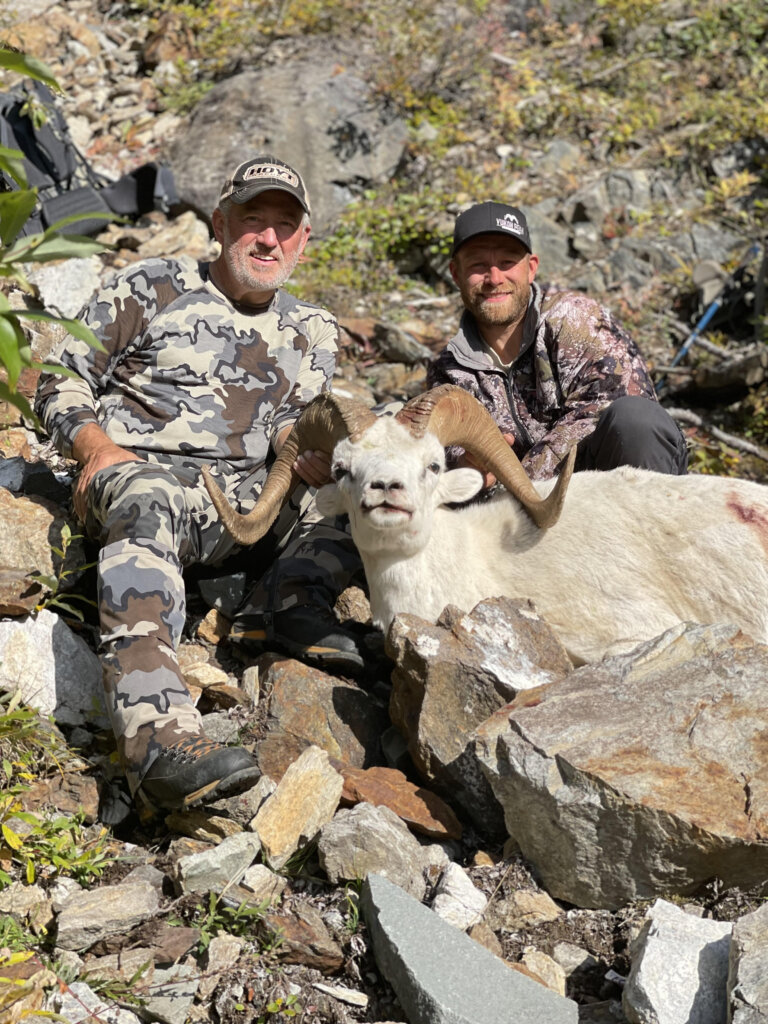
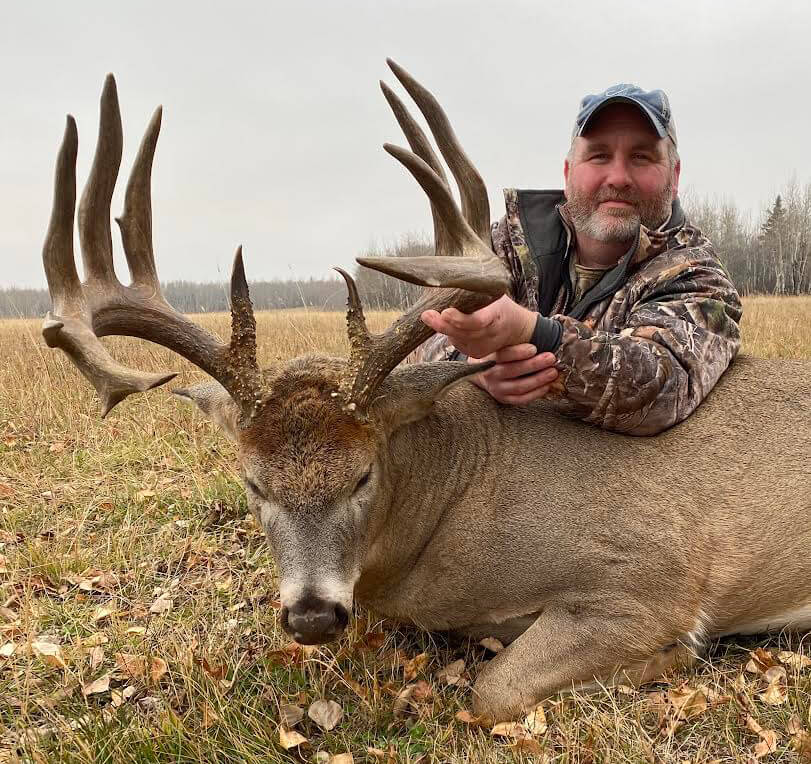
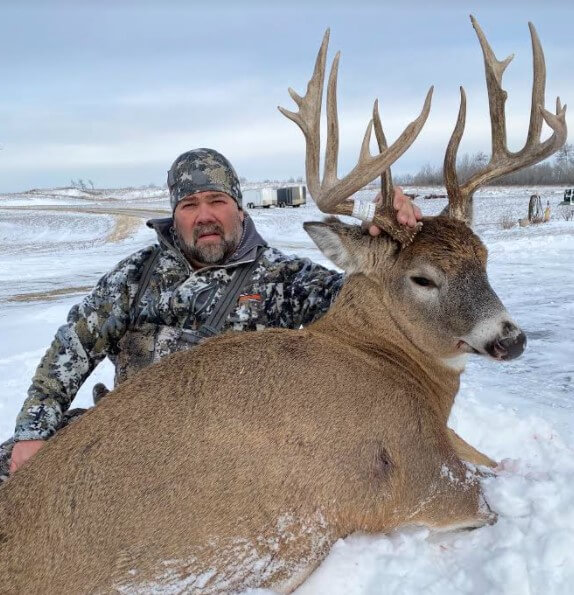


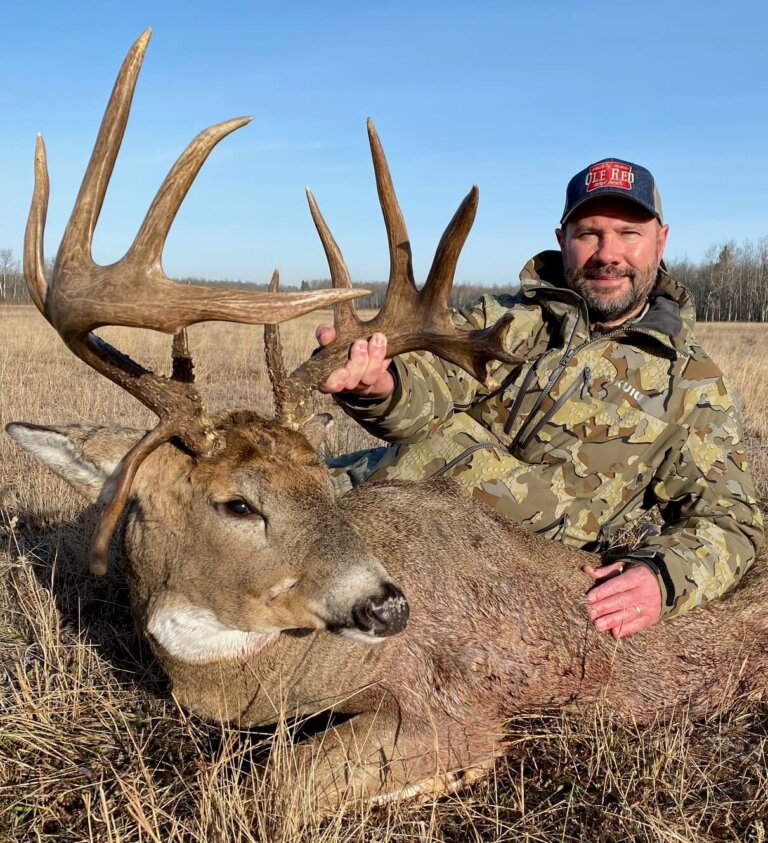
Following the complete closure of Canada to non-resident hunting in 2020, the anticipation for the 2021 season was immense; the building excitement was palpable since remote portions of the country experienced little or no hunting pressure during the shutdown. For those hunters getting to hunt these areas this year, the result was a perfect storm for a hunting season that will not soon be forgotten.
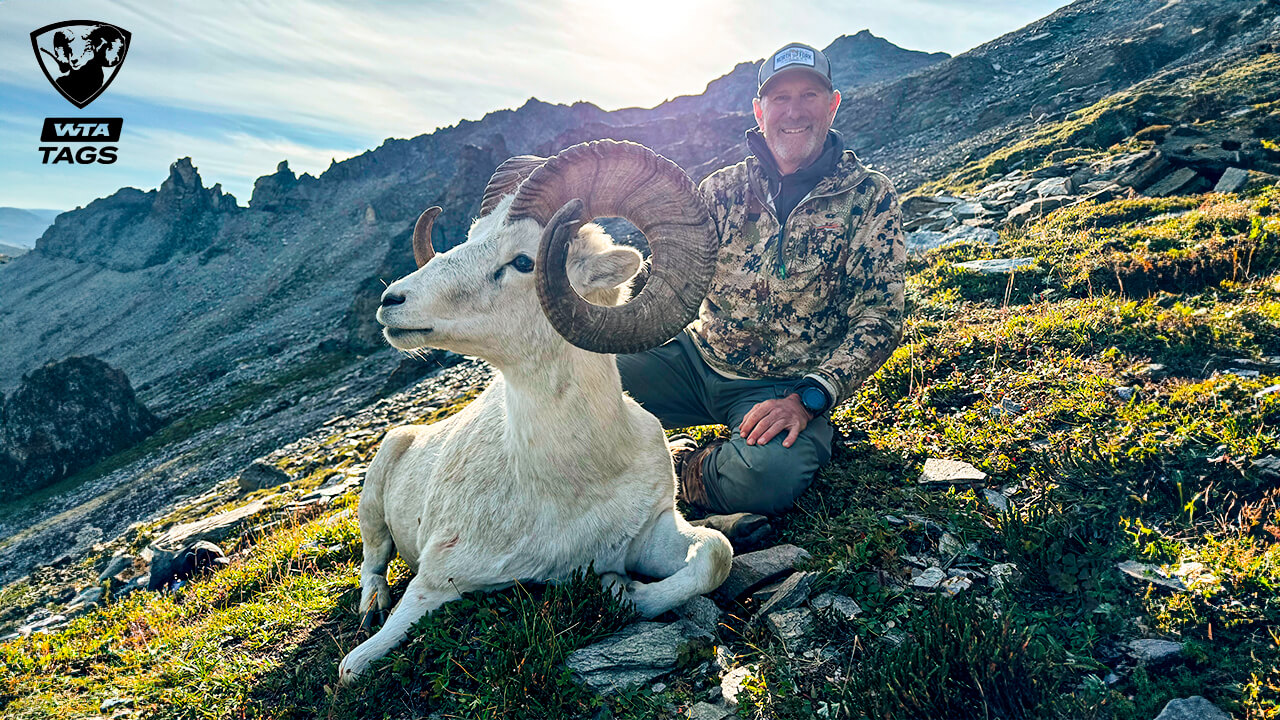
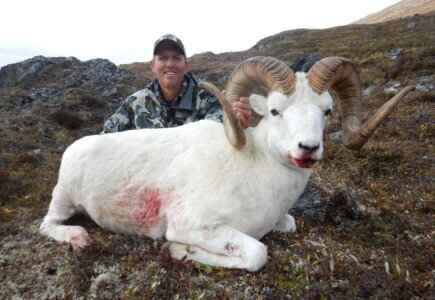
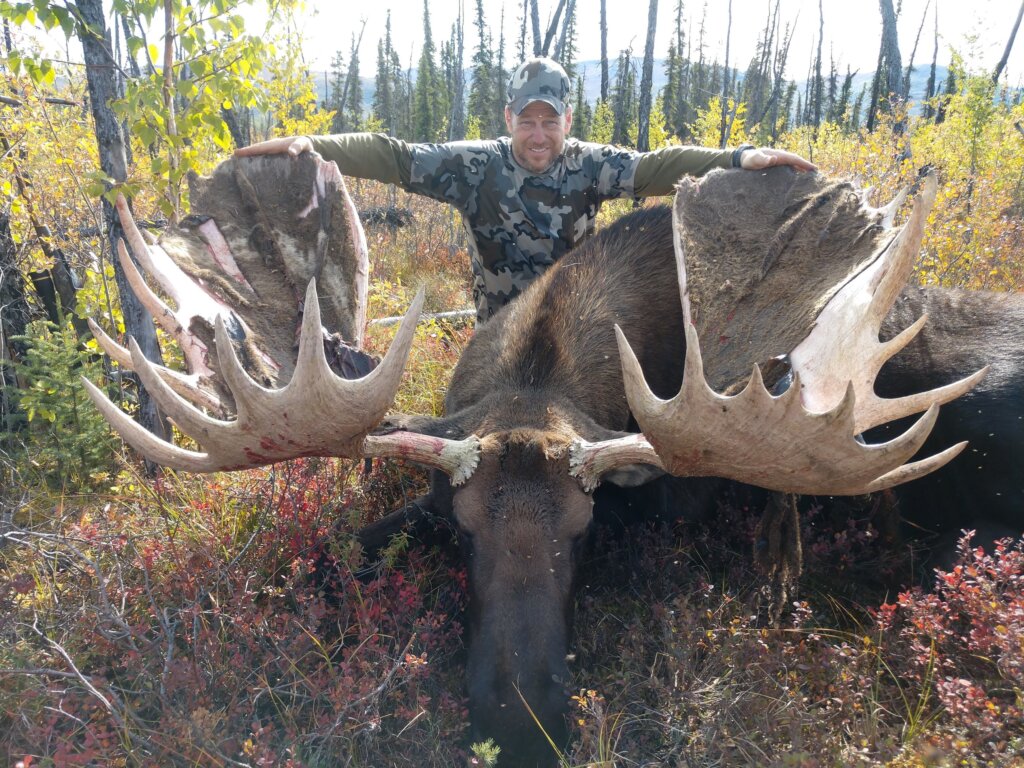
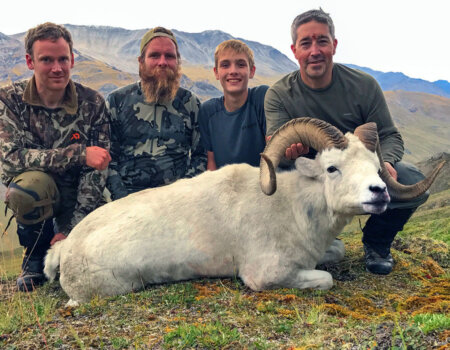
Simply put, WTA clients were able to harvest truly impressive trophies of all species during the 2021 season. The Yukon, Northwest Territories, and British Columbia all produced a great set of rams, moose, and mountain caribou. However, on the flip side, please note that portions of the Yukon experienced a varying degree of winter kill that will result in many outfits limiting Dall sheep harvest numbers for the coming years. This will result in added strain to the Dall sheep market, so if you are considering a Dall hunt be ready to look three or four years out.
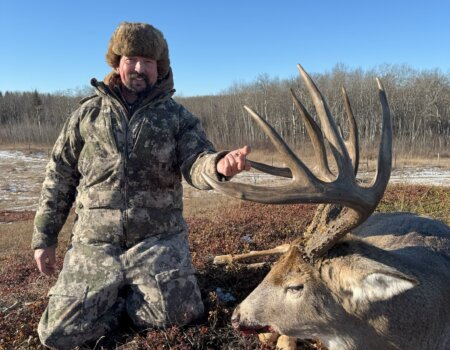
But the real standout from 2021 were whitetail deer hunts in Saskatchewan and Alberta. Upon conclusion of each hunt the number of big buck pictures emailed to the WTA office was astounding and reminiscent of the glory days of Canadian whitetail hunting. It could suggest that the coming years will offer the finest whitetail hunting Canada has had in decades.
With these results in the books, anticipation for the 2022 hunting season is building.
One thing we learned from the 2021 season was the widespread misconception regarding COVID travel protocol for U.S. residents going into and returning from Canada. Here is a simple breakdown of the current procedure to enter and exit Canada.
Personally speaking, I have fielded many questions pertaining to the Arrive Can app and pre-trip testing. I can report from firsthand experience that the app is extremely user-friendly and simple to complete. I applaud Canada for designing and executing such a smooth-running system. Pre-trip testing was also quite simple as I was tested at my primary care physician’s office and received results within 24 hours.
In summary, don’t let COVID travel protocol keep you from applying for dream hunts in Canada, or anywhere else for that matter. The 2020 lockdown essentially pushed the Pause button on hunting for a year and now that the pause is off, you should absolutely consider getting in on the adventures. And you should absolutely call WTA today at 1-800-346-8747.



Estate hunting, often referred to as high fence hunting, is one of the most misunderstood segments of the modern hunting landscape. The term can carry strong assumptions, but those assumptions rarely reflect the reality of what these hunts actually involve.
At its core, estate hunting offers hunters access to large, privately managed properties where wildlife is carefully stewarded, and hunting opportunities are predictable, efficient, and highly successful. These hunts are not intended to replace traditional public-land or limited-entry experiences. They are meant to provide an alternative option for hunters with specific goals, time constraints, or physical considerations.
Understanding estate hunting begins with recognizing how the properties operate and what the experience looks like on the ground.
Estate hunts take place on privately owned ranches or preserves enclosed by a perimeter fence. These properties can range from several thousand acres to well over 100,000 acres, depending on location, species, and management model.
Within these boundaries, wildlife populations are actively managed year-round. Landowners and outfitters focus on habitat improvement, water development, herd health, genetics, and balanced harvest rates. The result is a stable wildlife population with a strong age structure and consistent hunting opportunity.
Because animals remain on the property, outfitters can offer hunts with a very high harvest probability. In many cases, hunters can pursue specific age classes, horn characteristics, or species that would otherwise require years of applying or limited-entry permits.
One of the most common misconceptions about estate hunting is that animals are easily located and harvested quickly in a confined space. In reality, many estate properties are vast, and hunters may never see the perimeter fence during their hunt.
These ranches often feature diverse terrain of rolling hills, timber, brush country, open plains, canyons, and river bottoms, allowing animals to behave naturally. Hunters glass, stalk, track, and pass animals just as they would on large private ranches or expansive Western properties.
Once on the ground, the hunt feels far more like a traditional spot-and-stalk or guided private land experience than what many imagine when they hear the term “high fence.”