

Book Your Adventure 1-800-346-8747

Elk Hunting – Go East!

Tony Foster
|  
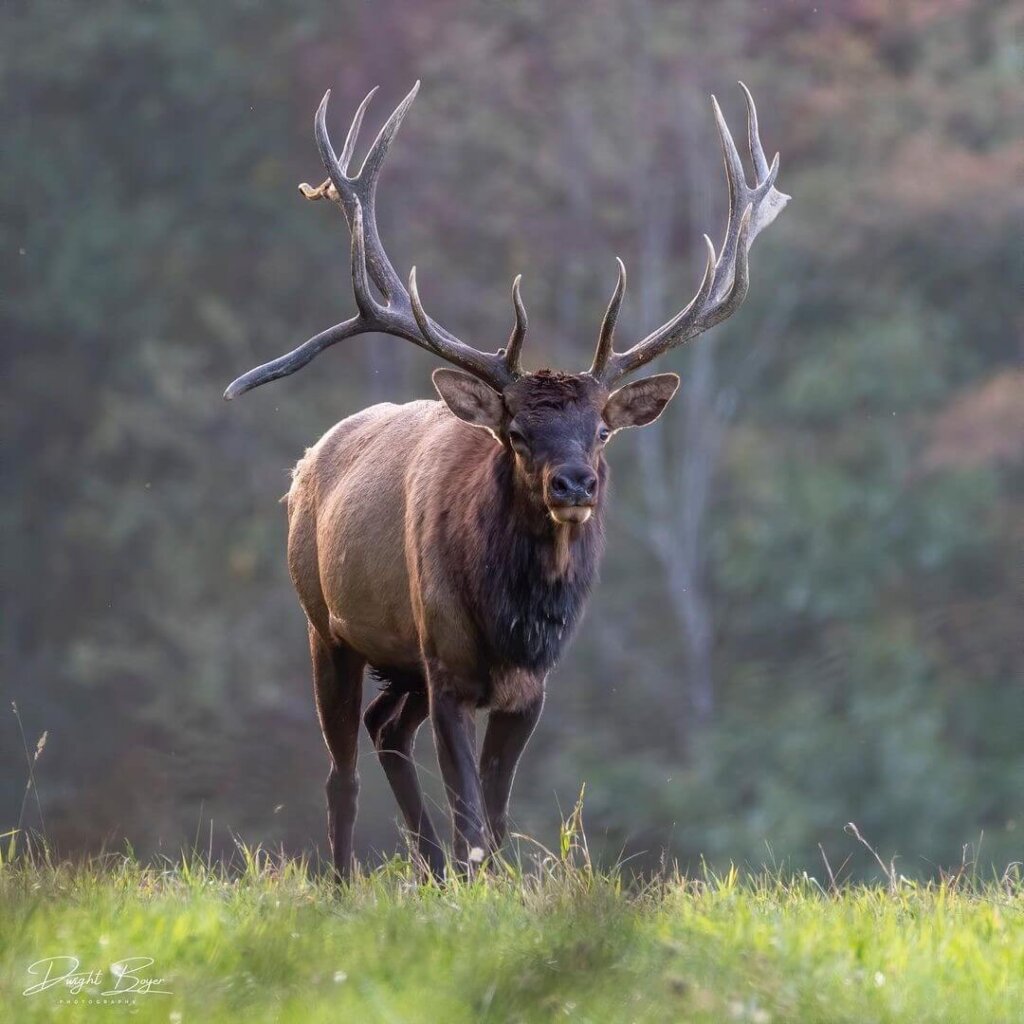
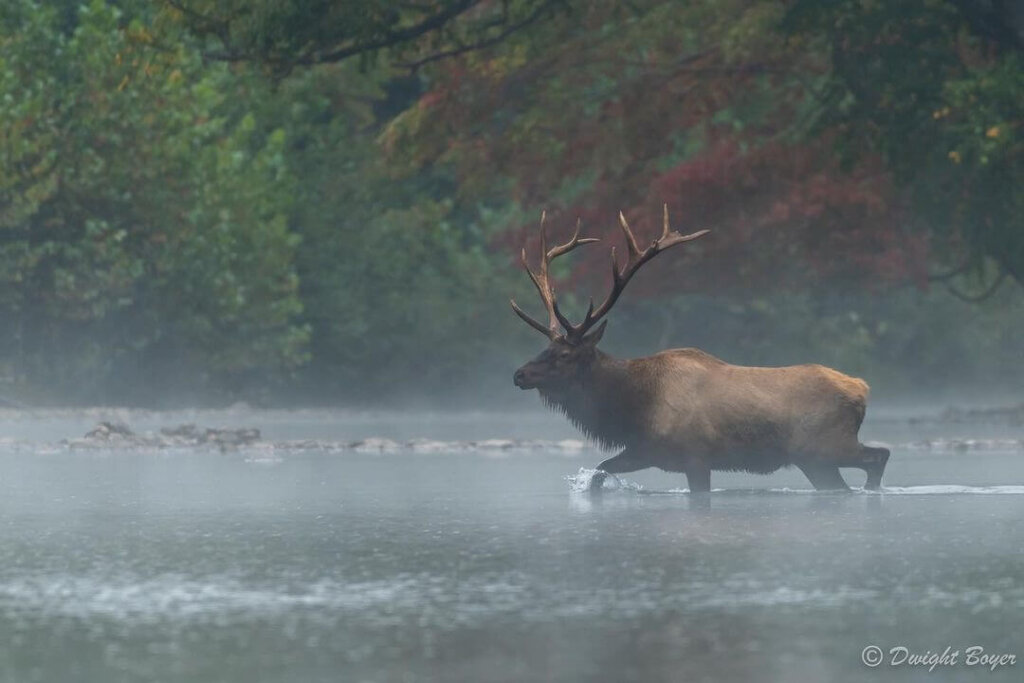
All Photos of Pennsylvania elk provided by Dwight Boyer. If you'd like to see more of his excellent photography, follow him on Instagram @db_ii_photography

When most hunters dream about where to apply for elk tags their thoughts usually drift to New Mexico, Colorado, Utah, Montana or other western states. One state that typically does not hit the serious elk hunter’s radar is Pennsylvania. I’m here to tell you that is a major oversight.

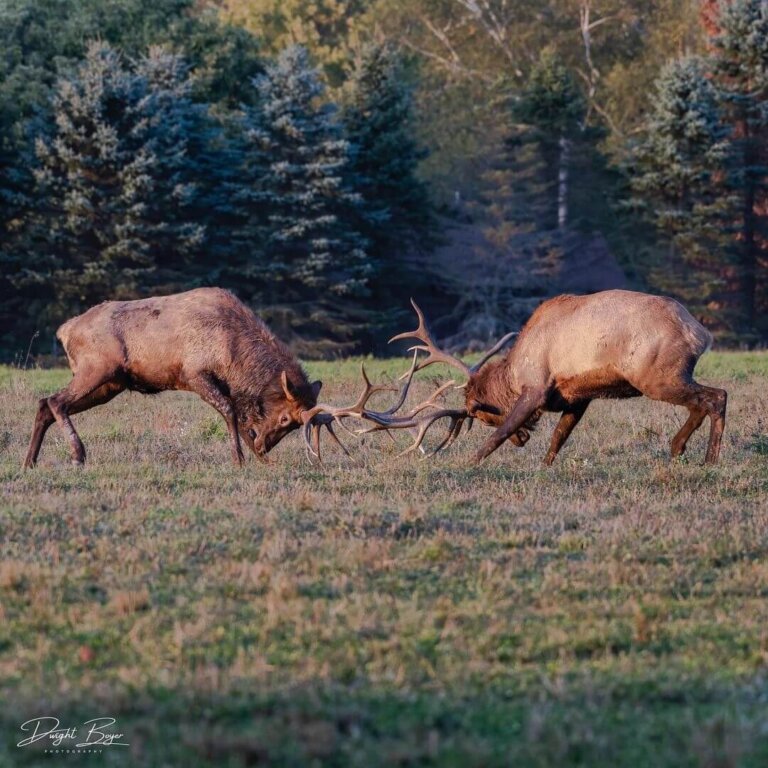
The Keystone State is home to more than 1,300 elk and issues approximately 36 bull tags each year between archery and rifle hunts. The lucky hunters who draw one of these tags enjoy a high success rate (97% for the last 10 years) and very high trophy quality. Every hunter who dreams of taking a trophy bull elk should consider applying in Pennsylvania. I know. You’re still thinking out West. But Pennsylvania is something special. Call and we can discuss more details.

All photos of Pennsylvania elk provided by Dwight Boyer. If you'd like to see more of his excellent photography, follow him on Instagram @db_ii_photography

Here is it in a nutshell. All residents and non-residents can apply and are competing for the same tags, so the odds of drawing are equal. Non-residents can apply for all hunts and can enter the drawing for both archery and rifle bull tags. We encourage everyone to apply for both season choices (archery and general) to help increase the chances of drawing a tag.

Pennsylvania has a bonus point system where you accrue a point for each season you apply and are not successful in drawing. These valuable points will increase your odds of drawing in future years.

The deadline to apply is July 31 and the drawing will be held August 21.

Typically, the cost to apply is $66.90 for a single season application or $78.80 for both rifle and archery applications. However, in 2021, WTA TAGS will apply a $55 discount for anyone who calls in before the deadline!

Successful applicants would then need to purchase their tag, which is only $250 – very reasonable when compared to many of the western states’ tag fees.  Call and let’s talk about hunting elk in Pennsylvania – and/or any other trips you’d like to discuss. We’re at 1-800-755- TAGS (8247).
Related Articles

Apply for Colorado’s Limited-Entry Big Game Tags

Apply for Colorado’s Limited-Entry Big Game Tags

When it comes to big game hunting, Colorado is often at the forefront of every sportsman’s mind. With its diverse landscapes, from the iconic Rocky Mountains to the expansive eastern plains, Colorado offers a range of hunting opportunities for both residents and non-residents. While some tags can be acquired over the counter, many of the premier hunting opportunities in Colorado are found through its highly competitive draw system. This is why you need to apply and build valuable preference points in Colorado!

Deadline to Apply: April 7, 2026. Draw Post Date: Early June (staggered by species). WTA TAGS Species:…
Discover a Sportsman’s Paradise in New Mexico

Discover a Sportsman’s Paradise in New Mexico

New Mexico has long been celebrated as a sportsman’s paradise, boasting an unrivaled variety of big-game species. With six native…
Estate Hunting: A Closer Look at a Misunderstood Hunting Option

Estate Hunting: A Closer Look at a Misunderstood Hunting Option

Estate hunting, often referred to as high fence hunting, is one of the most misunderstood segments of the modern hunting landscape. The term can carry strong assumptions, but those assumptions rarely reflect the reality of what these hunts actually involve.

At its core, estate hunting offers hunters access to large, privately managed properties where wildlife is carefully stewarded, and hunting opportunities are predictable, efficient, and highly successful. These hunts are not intended to replace traditional public-land or limited-entry experiences. They are meant to provide an alternative option for hunters with specific goals, time constraints, or physical considerations.

Understanding estate hunting begins with recognizing how the properties operate and what the experience looks like on the ground.

What Defines an Estate Hunt?​

Estate hunts take place on privately owned ranches or preserves enclosed by a perimeter fence. These properties can range from several thousand acres to well over 100,000 acres, depending on location, species, and management model.

Within these boundaries, wildlife populations are actively managed year-round. Landowners and outfitters focus on habitat improvement, water development, herd health, genetics, and balanced harvest rates. The result is a stable wildlife population with a strong age structure and consistent hunting opportunity.

Because animals remain on the property, outfitters can offer hunts with a very high harvest probability. In many cases, hunters can pursue specific age classes, horn characteristics, or species that would otherwise require years of applying or limited-entry permits.

What the Experience Is Actually Like

One of the most common misconceptions about estate hunting is that animals are easily located and harvested quickly in a confined space. In reality, many estate properties are vast, and hunters may never see the perimeter fence during their hunt.

These ranches often feature diverse terrain of rolling hills, timber, brush country, open plains, canyons, and river bottoms, allowing animals to behave naturally. Hunters glass, stalk, track, and pass animals just as they would on large private ranches or expansive Western properties.

Once on the ground, the hunt feels far more like a traditional spot-and-stalk or guided private land experience than what many imagine when they hear the term “high fence.”

Get Trip Specials & Cancellations,
Right Where You Want It.

No spam. Just the good stuff. Opt-out anytime.