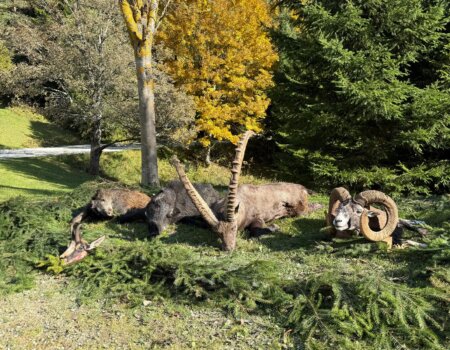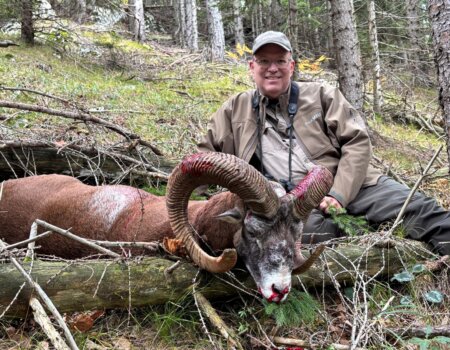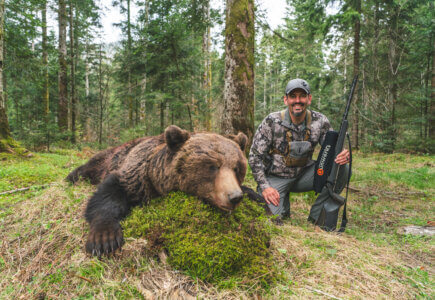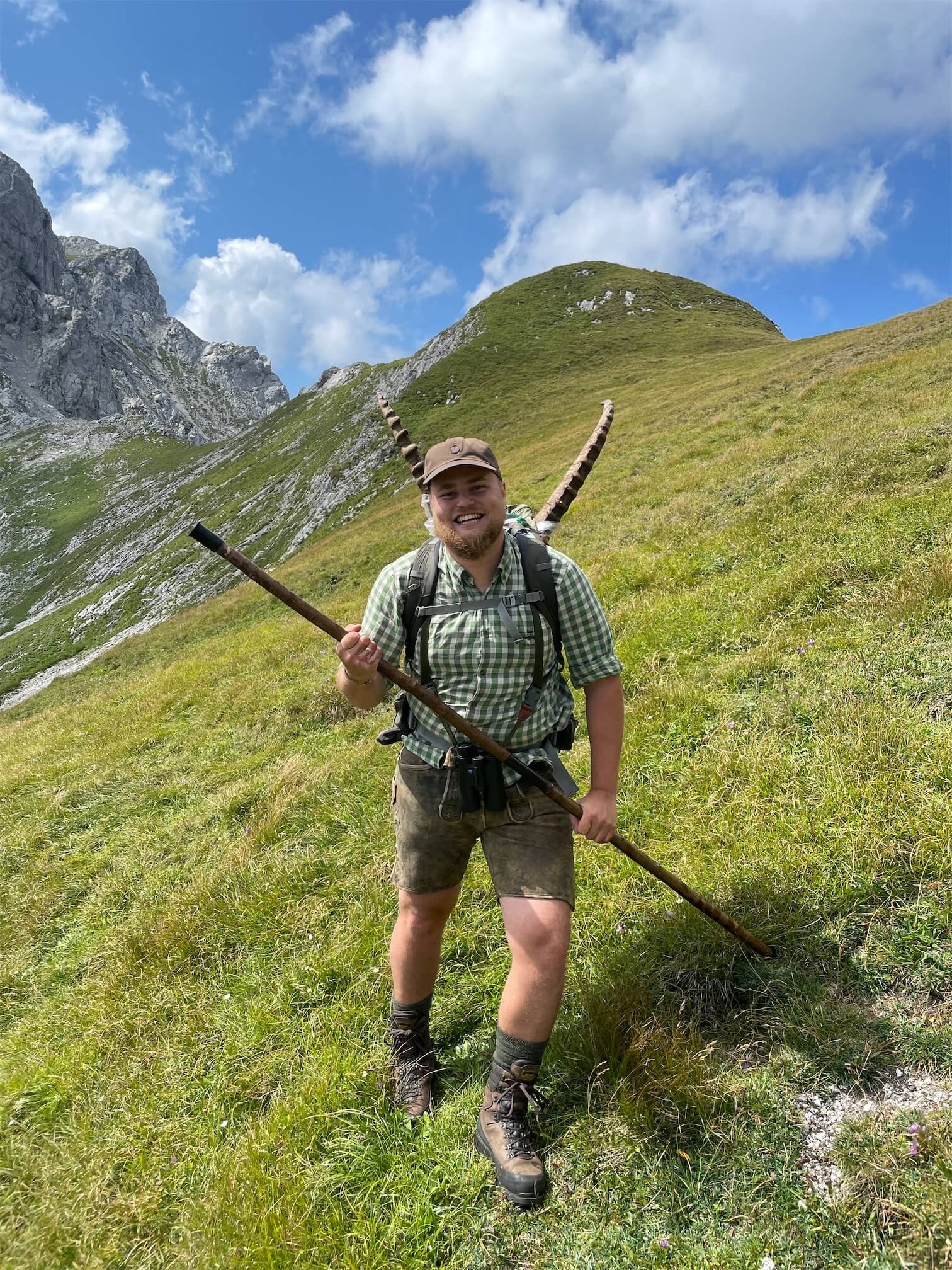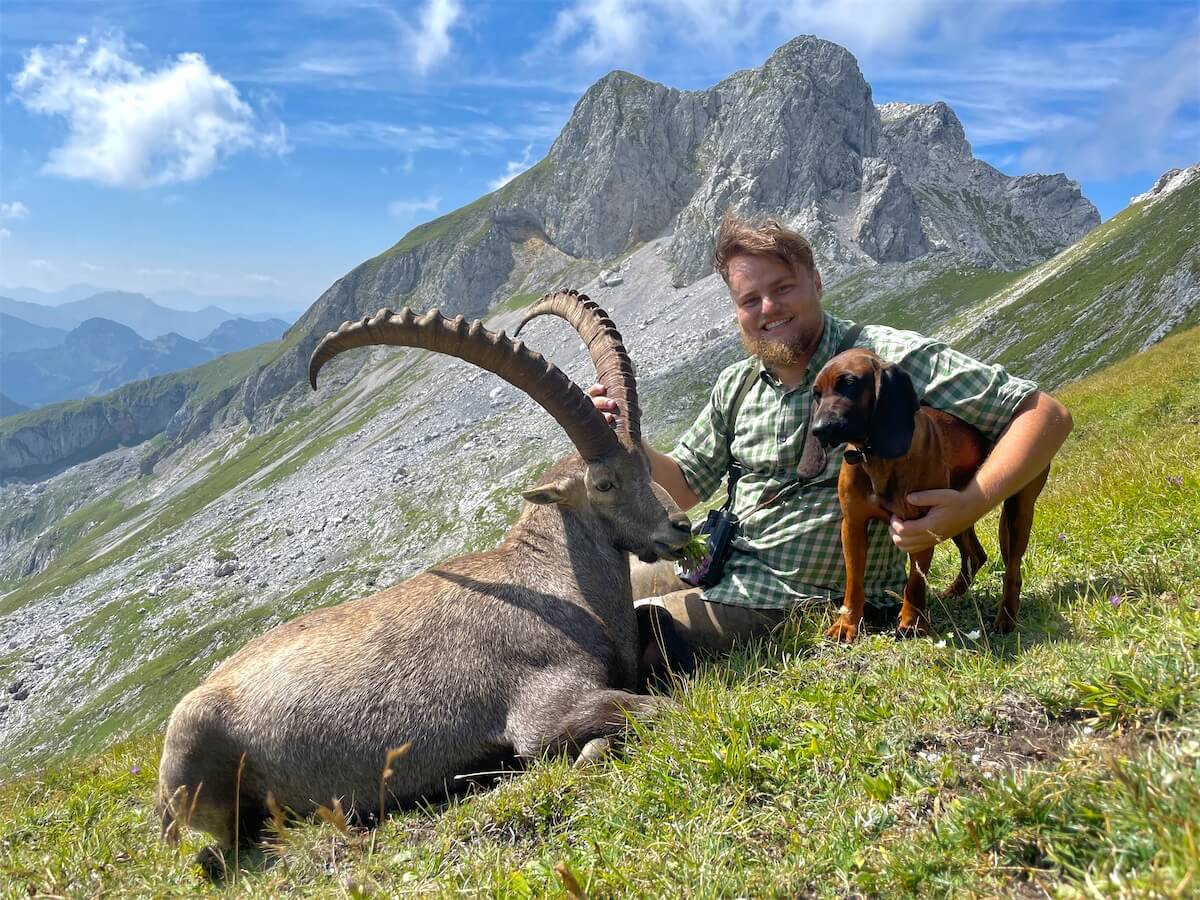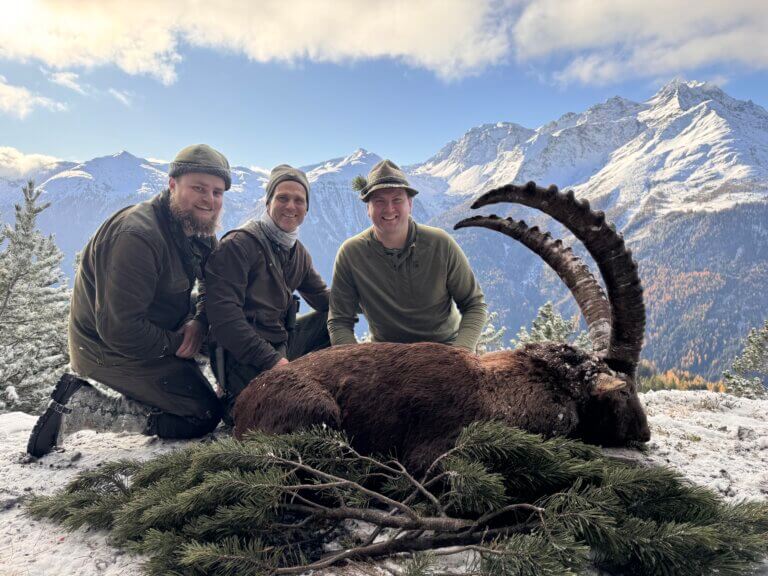
At 19, fresh off of winning Cabela’s Young Hunter of the Year Award, I landed in Austria with a little knowledge of the German language and a lot of ambition. Decades later, I’m still here, married to an Austrian who regularly outshoots me and raising two daughters in the mountains. I’m also guiding America’s most dedicated hunters in pursuit of the Alps’ ultimate prize: the alpine ibex.
The ibex isn’t just another mountain goat. It’s the king of these peaks, a symbol of European wilderness that survived near-extinction to reclaim its throne. We hunt them in Austria, where centuries of game management have created the world’s premier ibex destination. Switzerland presents complications, Slovenia offers extremely limited permits, but Austria delivers consistent opportunities for serious hunters.
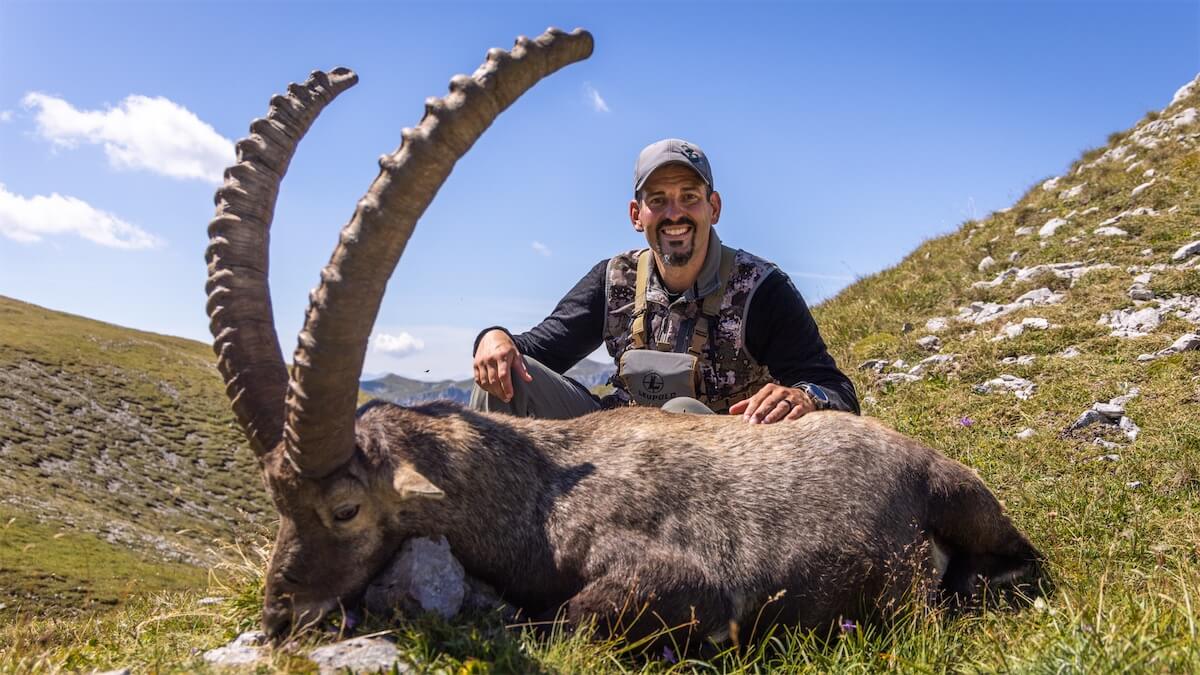
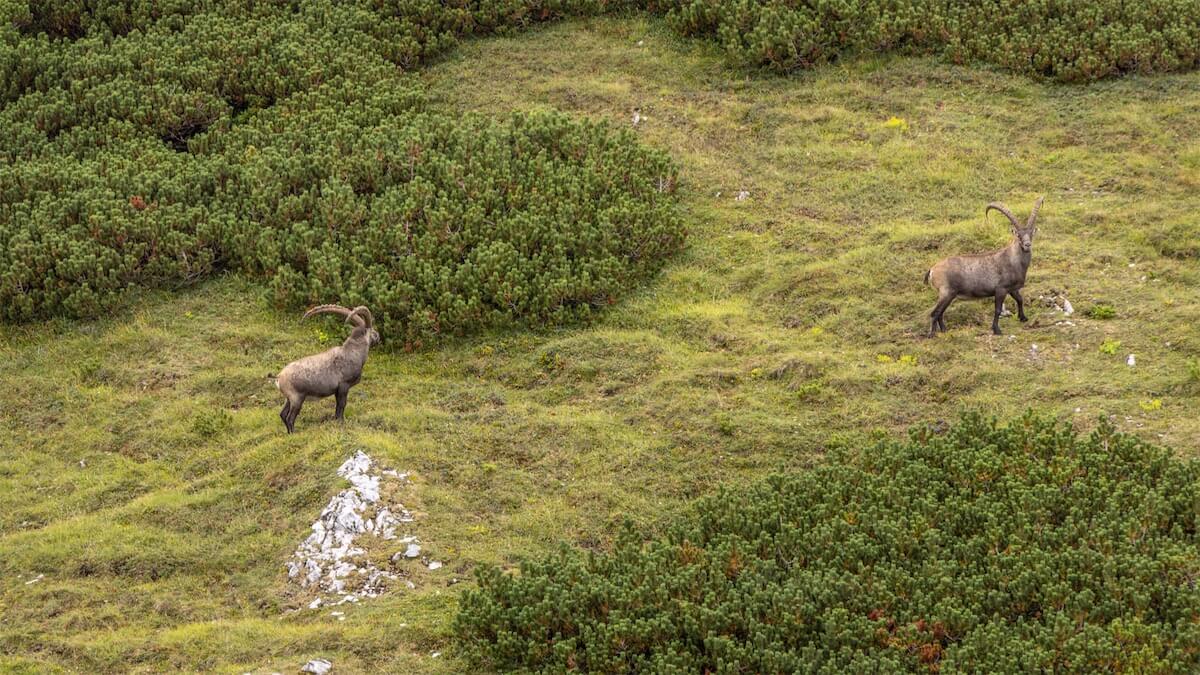
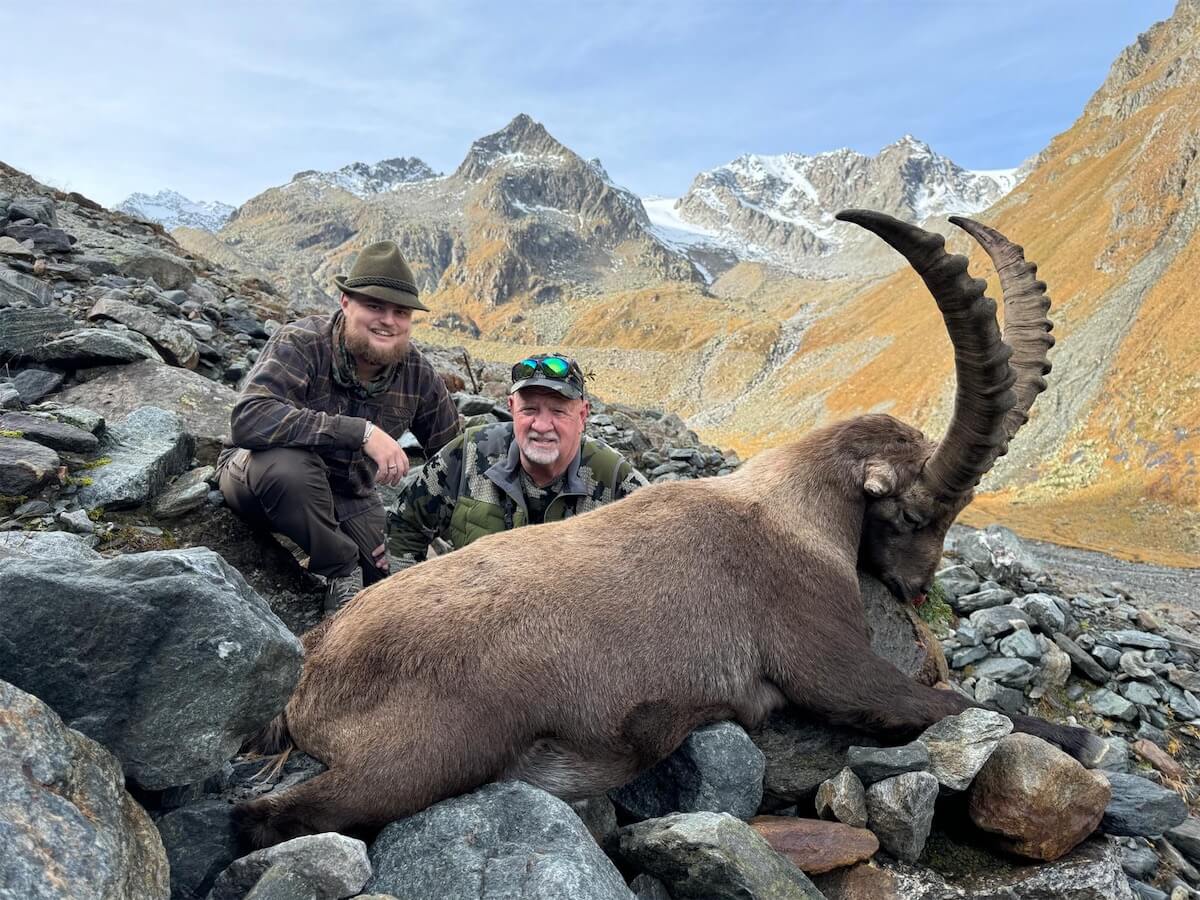
Each season, WTA secures 6–8 free-range alpine ibex tags, more than most American outfitters see in a decade. These tags aren’t easy to acquire, which makes our Austrian partnerships invaluable for hunters who refuse to settle. When we secure a permit, you’re hunting class one ibex: 10-year-old monarchs with horns that sweep back in perfect curves, masters of terrain that humbles hunters.
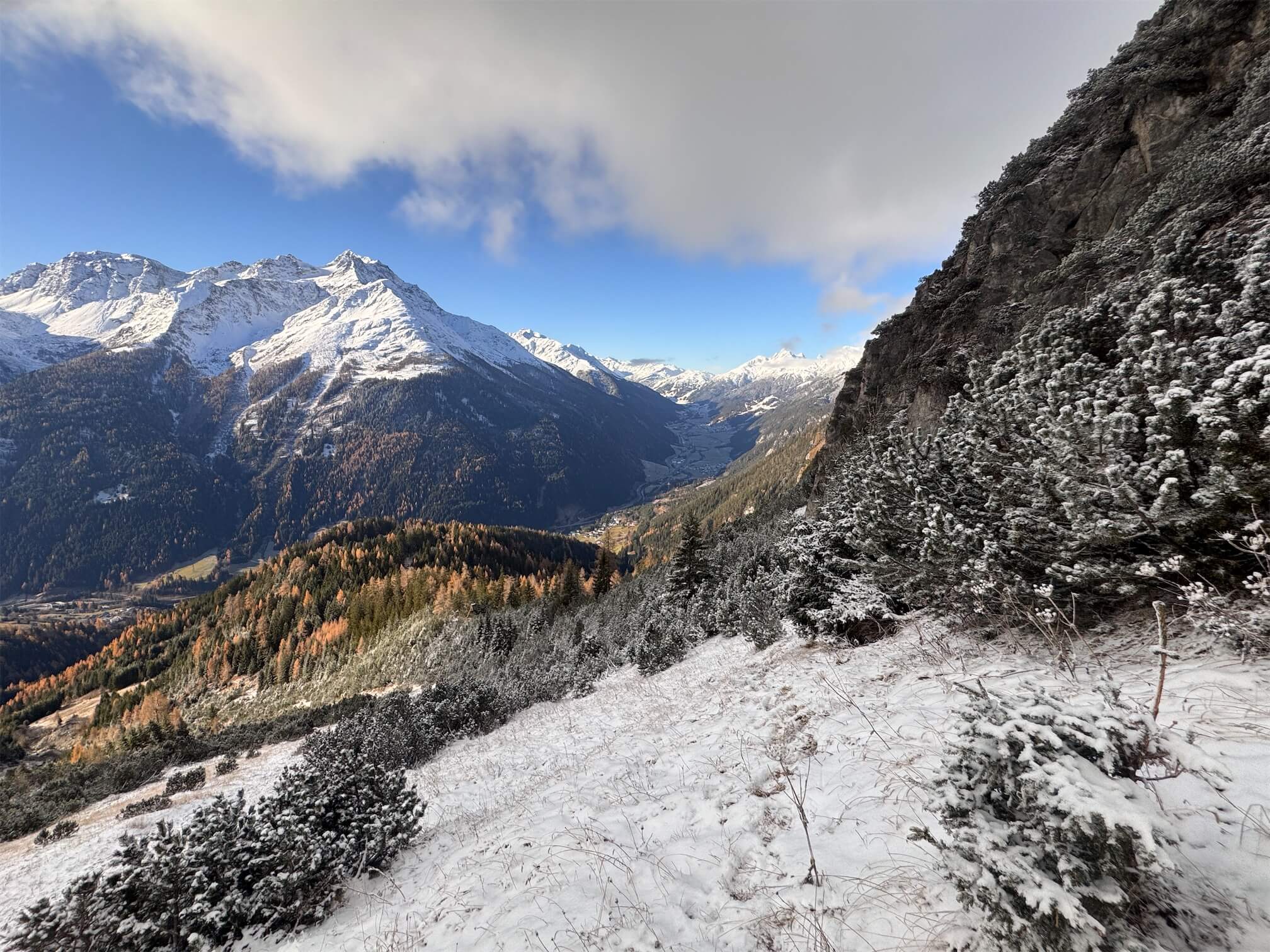
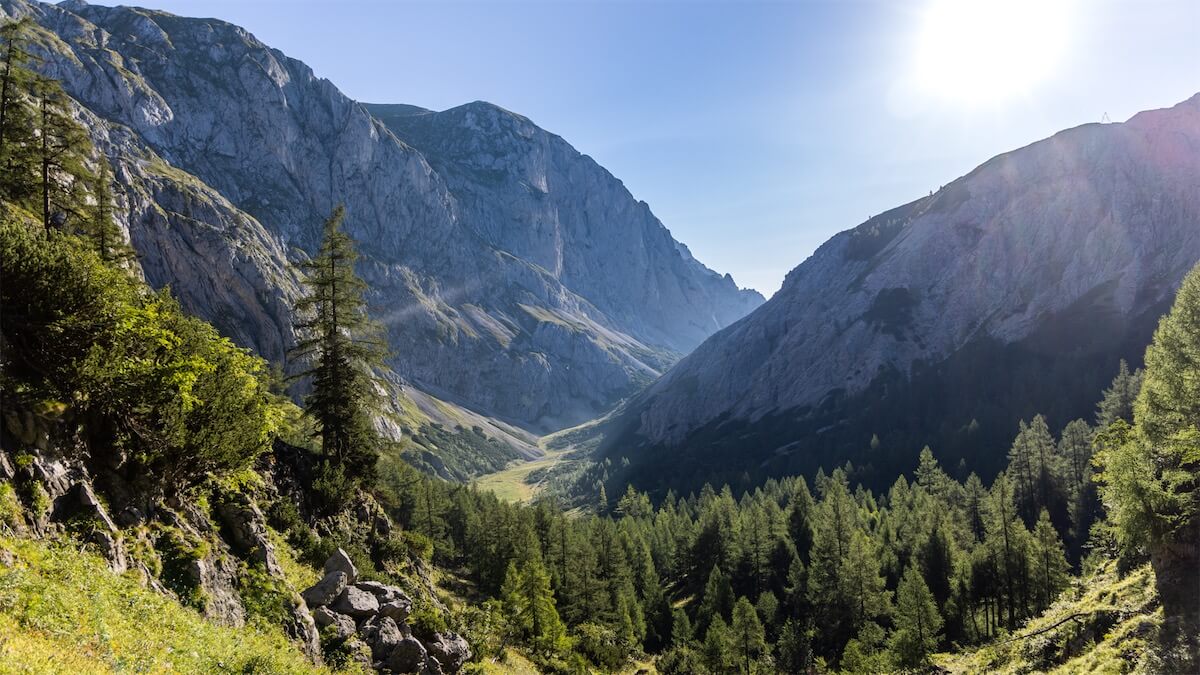
The country defies American expectations. Moving here from Alaska, I expected the European mountains to feel tame and developed. Austria proved me wrong. These peaks rival Alaska’s grandeur while offering infrastructure that makes the experience accessible. Chairlifts, mountain huts, and trail systems don’t diminish the wildness. They reveal it by transporting you to where the game lives.
Our hunts typically run five days with three hunting days, though success often comes sooner, thanks to Austria’s superior game management. Unlike America’s hit-or-miss hunting, where timing determines everything, Austrian seasons open when animals are available. If we have tags, the ibex are there. It’s a guarantee that results from centuries of perfecting wildlife management.
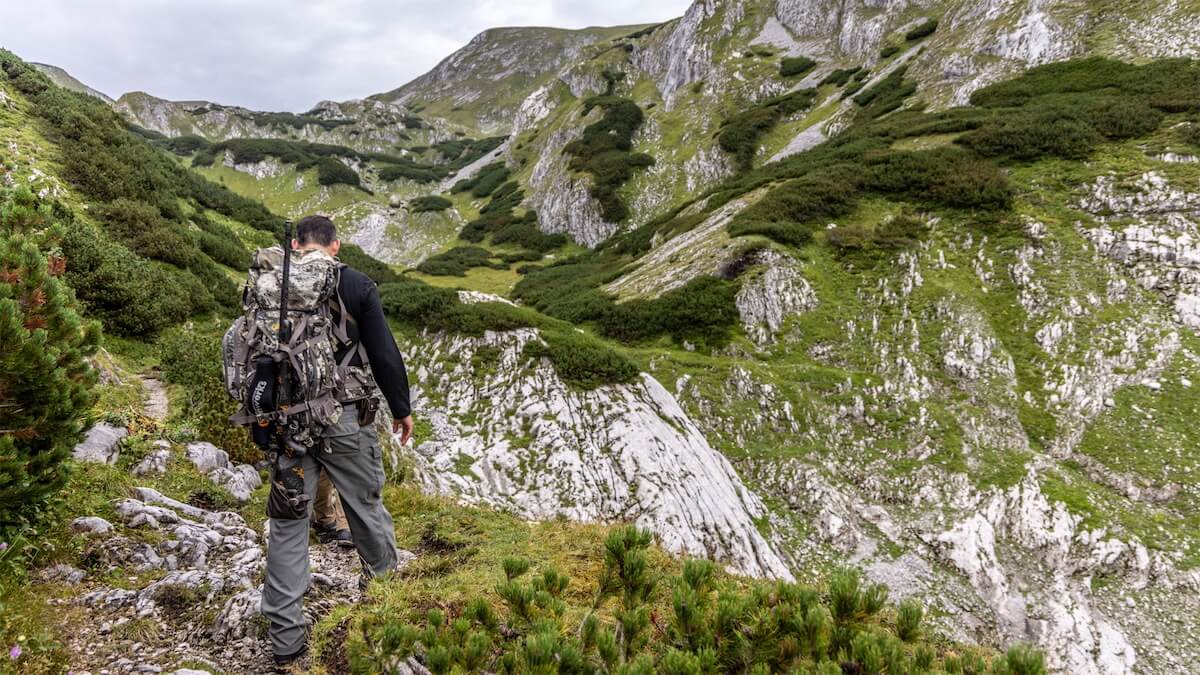
Hunting in Austria ranks among the world’s most challenging. These animals are free-range masters of vertical country, much like the sheep country you might be familiar with. Dawn starts with spotting scopes and serious climbing. Success requires physical conditioning, mountain experience, and patience for shots that can extend beyond what most expect.
What separates Austrian ibex hunting from American mountain hunting is the certainty factor. Tag prices reflect this reality. You pay more because the success rate approaches a guarantee. It’s the difference between gambling on opportunity and investing in experience. Many hunters spend fortunes chasing tags with questionable outcomes. Here, you pay for what you get, which makes world-class hunting more accessible.
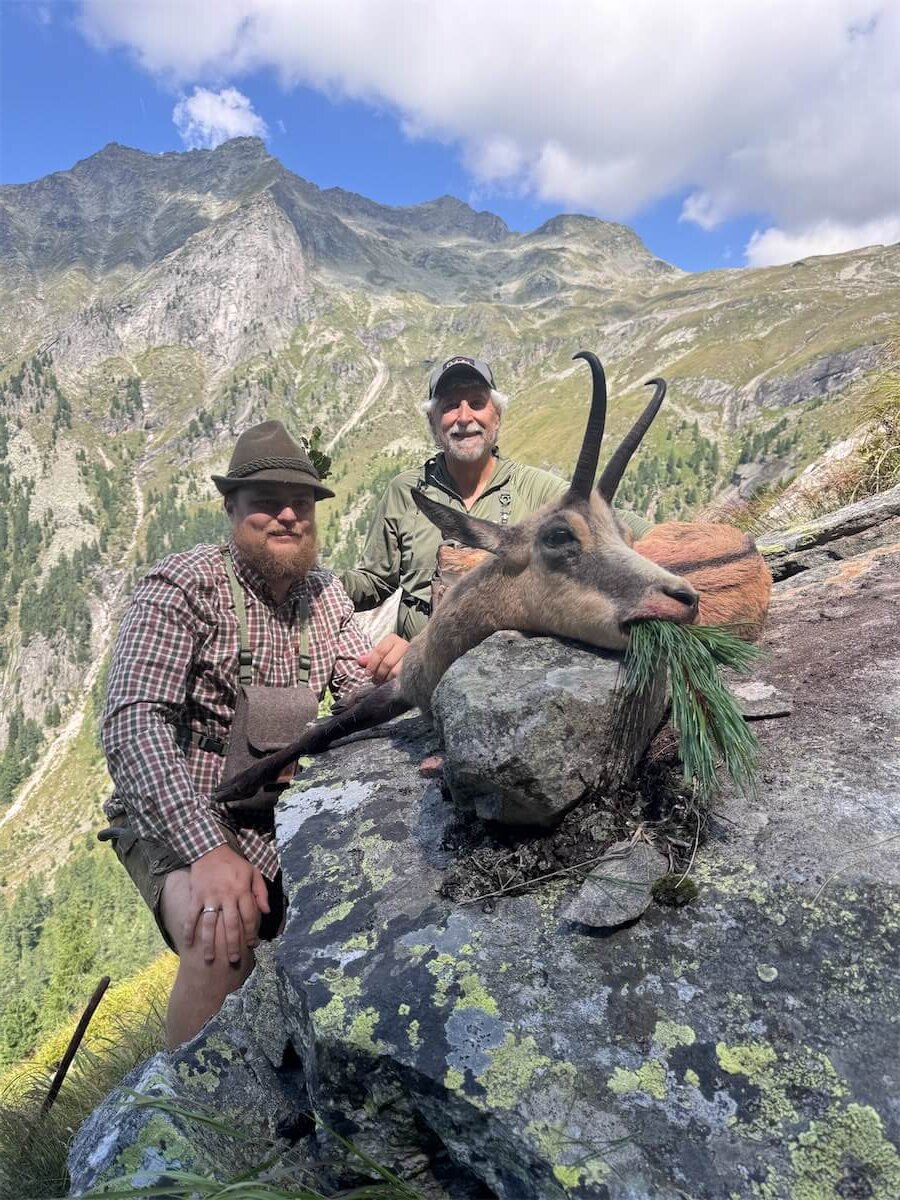
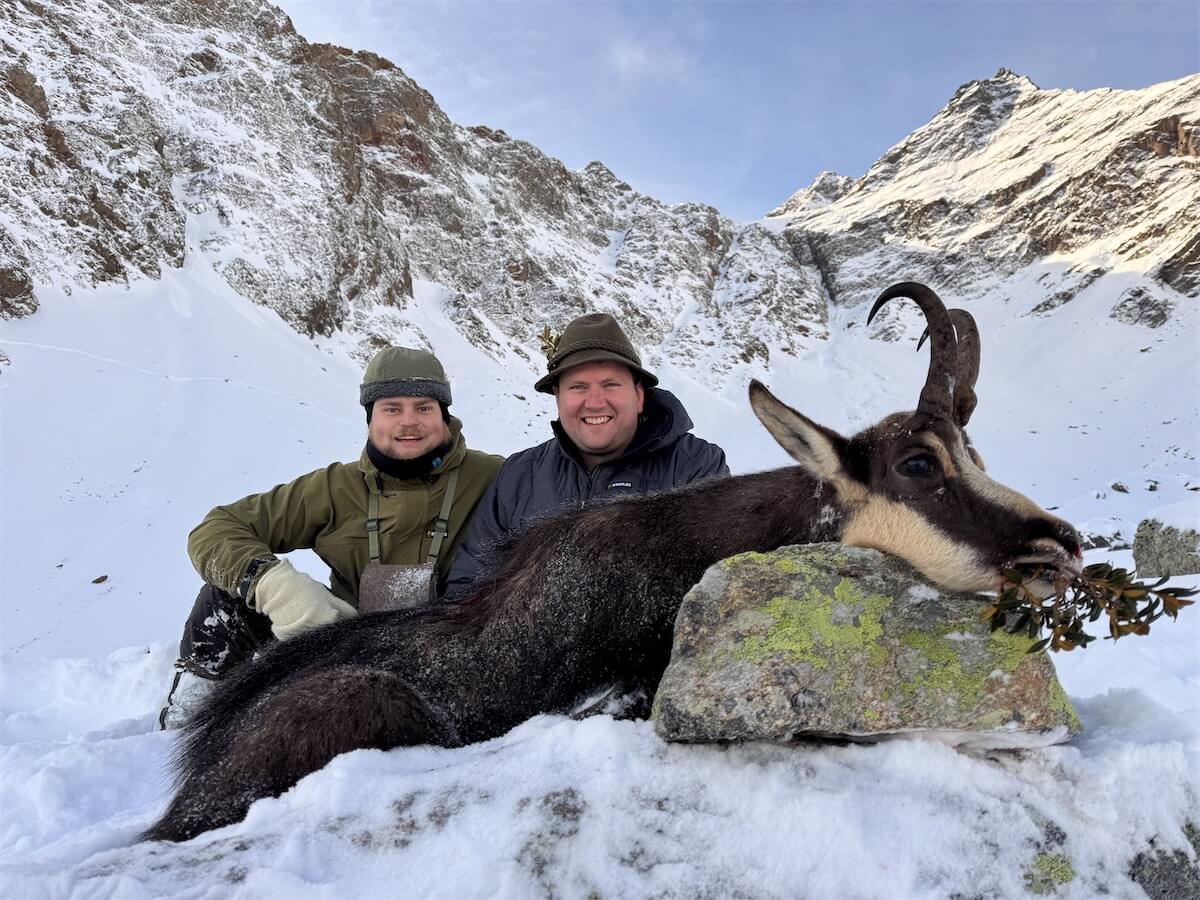
The season runs from August through December across different regions, each offering unique advantages. August brings alpine flowers and moderate weather. September adds red stag roars echoing from valleys below. October combines ibex hunting with opportunities for alpine chamois. December delivers stunning snow-covered peaks.
For budget-conscious hunters, we offer alternatives that maintain authenticity while reducing costs. Class three ibex, up to four years old, provide genuine alpine hunting at a fraction of the cost. Older females past breeding age offer similar mountain experiences while supporting management goals. These aren’t consolation prizes; they’re smart entry points into Europe’s premier mountain hunting.
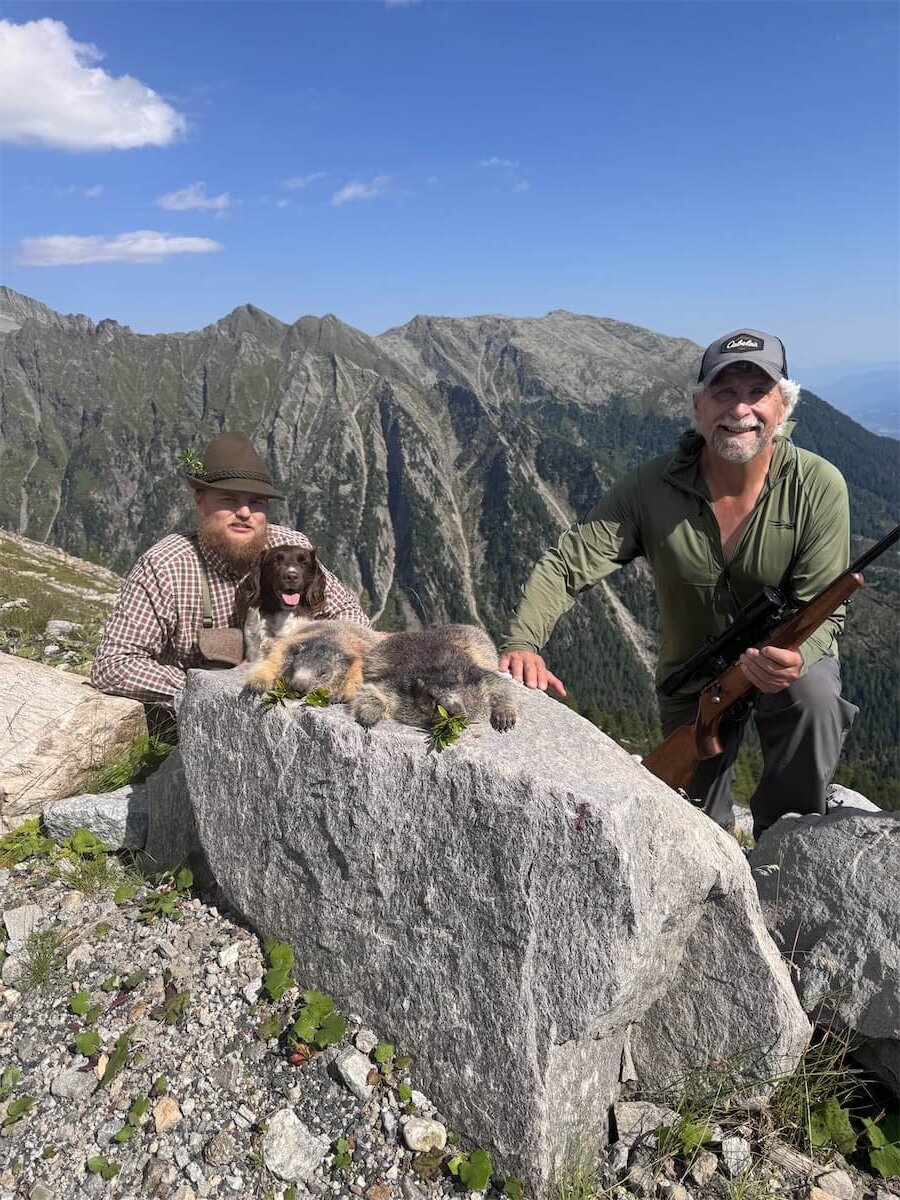
The supporting cast enhances every hunt. Alpine chamois provide day-hunt opportunities that rival North America’s best mountain hunting. Red stags roar from valleys in September, adding another dimension to mountain adventures. Marmots offer entertaining breaks from serious hunting, their whistles echoing across meadows like natural alarm systems.
Austrian hunting culture creates experiences impossible to replicate elsewhere. Mountain huts with centuries of hunting history, local guides whose families have hunted these peaks for generations, and traditions that turn hunting into a cultural exchange. The food alone justifies the journey. Mountain restaurants serve game with wines that are both world-class and inexpensive.
What Americans may not understand is how affordable this hunting becomes compared to domestic alternatives. Factor in guide fees, equipment costs, and success probabilities, and Austrian ibex hunting often costs a fraction of American sheep hunting, while often delivering a superior experience.
Standing on an Austrian peak at sunrise, watching ibex move across faces that drop thousands of feet, you understand how hunting can become an obsession. These animals are symbols of European wilderness that survived everything history could throw at them. Hunting them connects you to traditions older than American civilization itself!
The Alps offer more than hunting. They offer perspective. Coming from vast Alaska to the structured beauty of Austria taught me that wilderness takes many forms. Sometimes it’s endless space; sometimes it’s ancient traditions perfectly preserved in modern settings. In Austria, it’s both.
When American hunters ask why I stayed in Austria instead of returning to Alaska, the answer stands on every ridge: this is where hunting history lives, where game management works, and where mountain hunting achieves its highest expression.