Book Your Adventure 1-800-346-8747

Guest Blog: Guatemala Report

Travis Baker
|  

by Travis Baker, WTA OA & TAGS

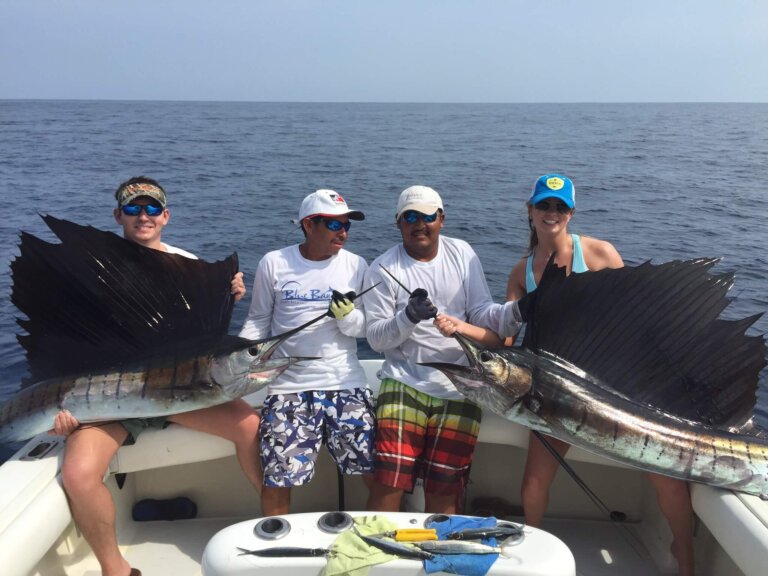
As lead fishing consultant for Worldwide Trophy Adventures, I’ve been fortunate enough to travel the globe in pursuit of my passion.  This past April I spent a few days in the Central American country of Guatemala, better known as “the sailfish capital,” where I visited one of our long-time lodges and added a new one to the list.  Guatemala often gets a bad rap as being too dangerous to travel to, but that couldn’t be any further from the truth.   Once outside of heavily populated Guatemala City, you find yourself in a beautiful country full of active volcanoes, agriculture, and lush rain forests.  I have sent dozens of satisfied clients here who have never had any issues with safety.  In fact, most of them have returned.   It’s no longer a secret that Guatemala offers, hands down, the finest fishing for pacific sailfish on the planet.  The sheer number of fish in this region is mind blowing.  You often hear reports of boats raising (fish coming to the teaser) 50-60 plus fish a day and releasing 30-40 plus fish a day.  Believe it or not, those numbers are common and at times, considered an average day! Blue and striped marlin are also present at times, as well as mahi mahi and yellowfin tuna.  There are limited inshore opportunities for roosterfish as well.  The captains are a mix of local Guatemalans who grew up fishing these waters and Americans who have been coming here for many, many years, most of whom now call Guatemala their home.  Boats range in size from 31’ – 40’ plus and are all equipped with state of the art equipment and conventional and fly fishing tackle.  The season in Guatemala is a long one.  You could actually have good fishing here all year long, but for the most part, it’s October – June.  Plus, you seldom have to go far to find fish, often 10-25 miles from port, and the seas are typically calm. It’s also one of the easiest international billfish destinations to get to with several direct flights from Houston, Dallas, Miami, and Atlanta with no overnights or costly charter flights involved.

Bottom line is: if you’re looking to experience fast-paced action for sailfish, and an excuse to escape the cold weather of the north for a few days, look no further than Guatemala.  Give our office a call to discuss options.

http://www.worldwidetrophyadventures.com/outfitters?adventure=8&species=0&location=Guatemala

Related Articles

Apply for Alaska’s Most Coveted Tags

Apply for Alaska’s Most Coveted Tags

Most sportsmen don’t think of the draw when contemplating a hunt in Alaska. That’s because, for most of the big…
Against the Odds: Drawing Back-to-Back Sheep and Goat Tags 

Against the Odds: Drawing Back-to-Back Sheep and Goat Tags 

Drawing a sheep tag with 1-in-5,300 odds is amazing. Drawing a mountain goat tag the next year? That’s lottery luck. That’s why it didn’t seem real when my WTA consultant, Jordan Roche, called me two years in a row with that news!

I’d been working with Jordan at WTA TAGS for about five years, letting him manage my hunting applications in multiple states while I focused on staying in shape for whatever hunts might come through. When he called about the Tok Range Dall sheep tag (the only non-resident permit out of 10 total), I knew it was special.

After the excitement of drawing my tag settled in, it was time to find the right outfitter to make my hunt a success. WTA recommended one of their top partners for that area and handled every detail. My outfitter made it clear: this would be a backpack hunt in some of Alaska’s toughest sheep country. At 64, with two hip replacements, I can’t run anymore. But I can hike. So that’s how I prepared—I hiked mile after mile with a weighted pack, knowing the Tok doesn’t care about age or medical history.

We went in a day and a half before the season opened and spotted a band of 14 rams, including one heavy-horned giant that immediately caught our attention. Then Alaska did what Alaska does best. Weather rolled in, the rams vanished, and we spent the three days scouring valleys and ridges to find them again.

When we finally relocated them, we had to break camp and make a major move. After a full day’s work, we spotted six rams bedding down as evening fell. The next morning, we made our play.

The wind that day was unlike anything I’d ever experienced. It sounded like a freight train roaring up the mountain; gusting, dying, gusting again. At 320 yards, I had to time my shot during the lulls. My first shot went wide in the wind. The second shot dropped him—a beautiful 39″ ram. Honestly, I didn’t care about the number. That’s not why I hunt. I’m in it for the experience and a good animal. This ram was both.

The pack-out was its own adventure. We crossed the glacier-fed Tok River multiple times before Matt showed up with a Korean War-era military vehicle that could go just about anywhere. After nine days in the mountains, that slow, bumpy ride was a step up from travelling another 10 miles on foot. This was a trip I’ll never forget.

When Jordan called me in February 2025 to tell me I’d drawn a mountain goat tag, I actually laughed. “Figure out something for next year,” I told him, knowing the odds of a three-peat were one in a million. But first, it was time to prepare for my goat hunt.

I flew into Homer at the end of August, expecting to start hunting on Tuesday. By Monday evening, my outfitter, Paul, was warning me about the incoming weather. “We might not get you in until Friday,” he said. He wasn’t kidding. We sat through three days of howling wind, driving rain, and zero visibility before finally getting our chance.

Paul operates from a landing craft that serves as a mobile base camp. But getting from sea level to where the goats live? That was the hardest climb I’ve ever done, and I’ve completed five sheep hunts.

It was only 1,500 vertical feet, but every step came wrapped in devil’s club thorns, soaking brush, deadfall, and rain-slicked cliff bands. We hiked for what seemed like an eternity before stopping for the night to set up camp.

The next morning changed everything. Once above that coastal jungle, the alpine opened up to reveal why we’d suffered through that brutal climb. There were mountain goats everywhere. Good billies. The kind that makes you forget about devil’s club and exhaustion.

I took my billy on August 30, the first day of actual hunting after being sidelined due to weather. While packing him out, we witnessed something I’d never seen: ravens harassing a billy goat. They would swoop within inches of his head, and he’d swing his horns, trying to knock them away. Paul had told me about this strange relationship between ravens and goats, but seeing it firsthand was incredible.

The trip down gave us one more show. A black bear, fat from gorging on berries, army-crawled through the blueberry patches, entertained us from 400 yards away. I had a bear tag, but watching him was worth more than any trophy. Crossing salmon-choked streams on the way out completed the full Alaskan experience.

Both hunts worked because of solid preparation and connections with the right team. Jordan, my WTA consultant, had been helping me strategically build points and select units for years. When the draw results came through, WTA’s network meant proven outfitters were ready and handled every detail. They provided thorough gear lists, arranged logistics, and coordinated air charters. Everything was dialed in.

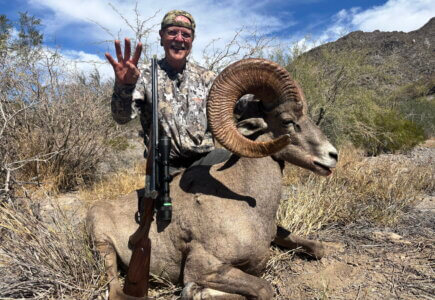
Some guys chase record books. Others chase hunting milestones. I finished my slam in 2019 with a desert ram, but what excites me most these days is the experience—the hunts that test you, humble you, and stay with you long after the pack is unloaded. When you work with the right people and put in the preparation, amazing things can happen. Jordan’s already working on my applications for 2026, so we’ll see what adventure comes through next.

Contact WTA TAGS to learn more about drawing the tags of your dreams: 1-800-755-8247

Get Started with WTA TAGS
Wyoming’s Preference Point Deadline Is Approaching: October 31

Wyoming’s Preference Point Deadline Is Approaching: October 31

Preference Point Deadline: October 31, 2025

The deadline to purchase Wyoming preference points is October 31. If WTA is already managing your TAGS applications, you’re all set. If not, don’t miss the chance to secure points this year. It’s the perfect time to talk with a TAGS consultant to start a new portfolio or grow your existing one.

Wyoming’s system is unique. Unlike other states, you don’t automatically receive a preference point if you’re unsuccessful in the draw. Instead, you must log in after July 1 and purchase your points separately. Building points is critical if you want a shot at drawing a Wyoming tag. Over-the-counter opportunities are a thing of the past. Today, only 25% of non-resident tags are issued randomly. The other 75% go to applicants with the highest point totals.

If you want to hunt big game in Wyoming, building preference points isn’t optional…it’s essential.

Watch Wyoming Video

While preference points are an investment in the future, don’t let that keep you from starting now. While Wyoming has units that require 18+ points, there are also good opportunities to hunt sooner. There are elk, deer, and antelope hunts that can be drawn with 0–3 points. Think about it this way—the more points you have, the more options you have.

View Wyoming TAGS Hunts

Get Trip Specials & Cancellations,
Right Where You Want It.

No spam. Just the good stuff. Opt-out anytime.