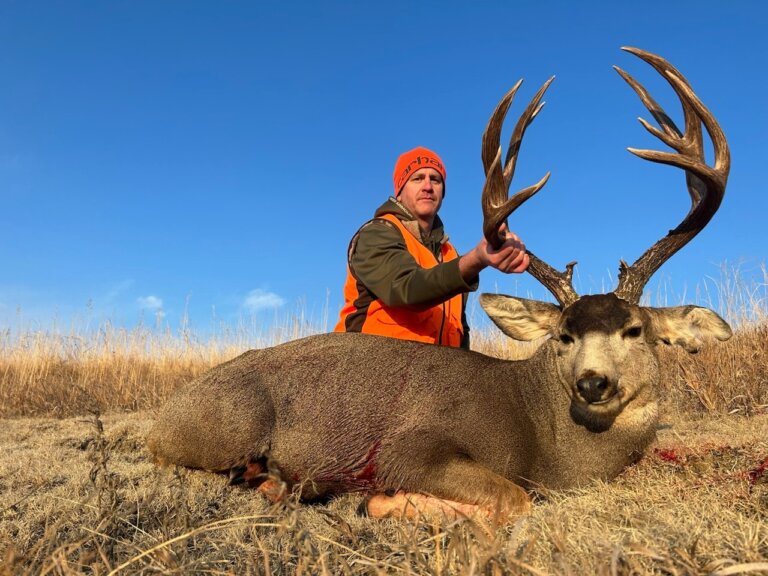
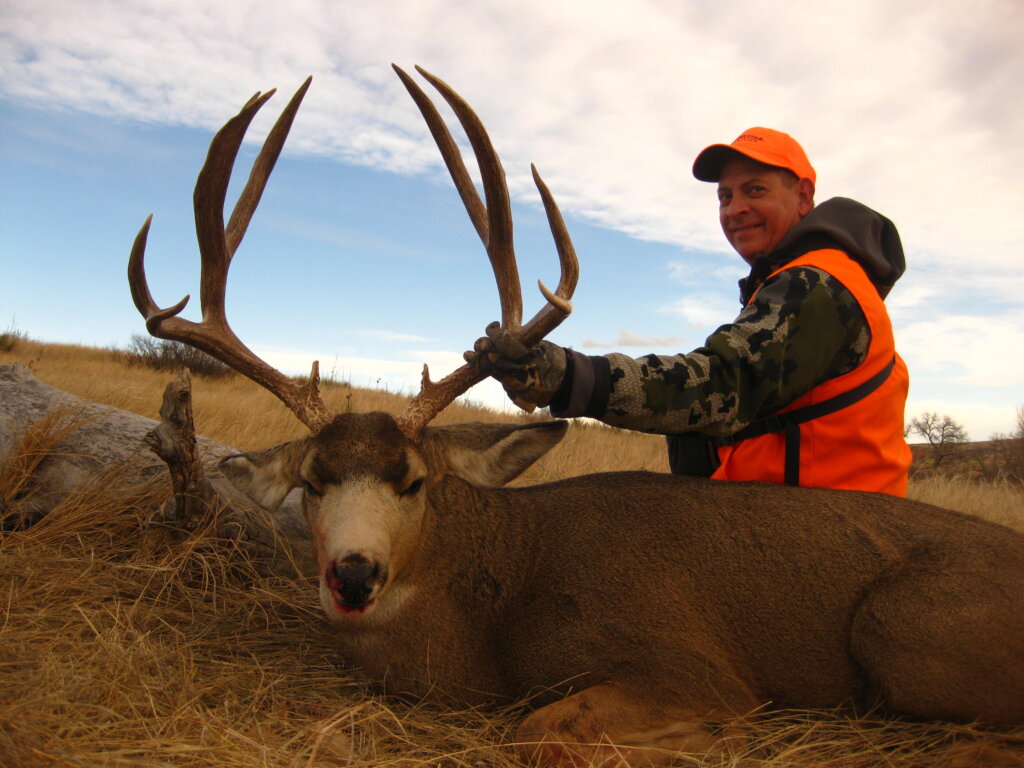
There is no animal in western North America that has more allure than a mature mule deer buck. It’s a true monarch that is unmistakable physically and sports a rack built for battle. In fact, taking a mature muley is the pinnacle of many hunters’ careers. The sad truth is that mule deer hunting across the West is simply not what it once was. Hunting pressure is higher, mule deer populations are down, and, consequently, success rates have generally dropped. Simultaneously, states with a limited draw have increased. Things are complicated.
With the good old days behind us, proper planning and execution of your next mule deer hunt is more vital than ever. Don’t let that get you down, however, because there are plenty of ways to bag that mature buck mule deer that hunters dream about.
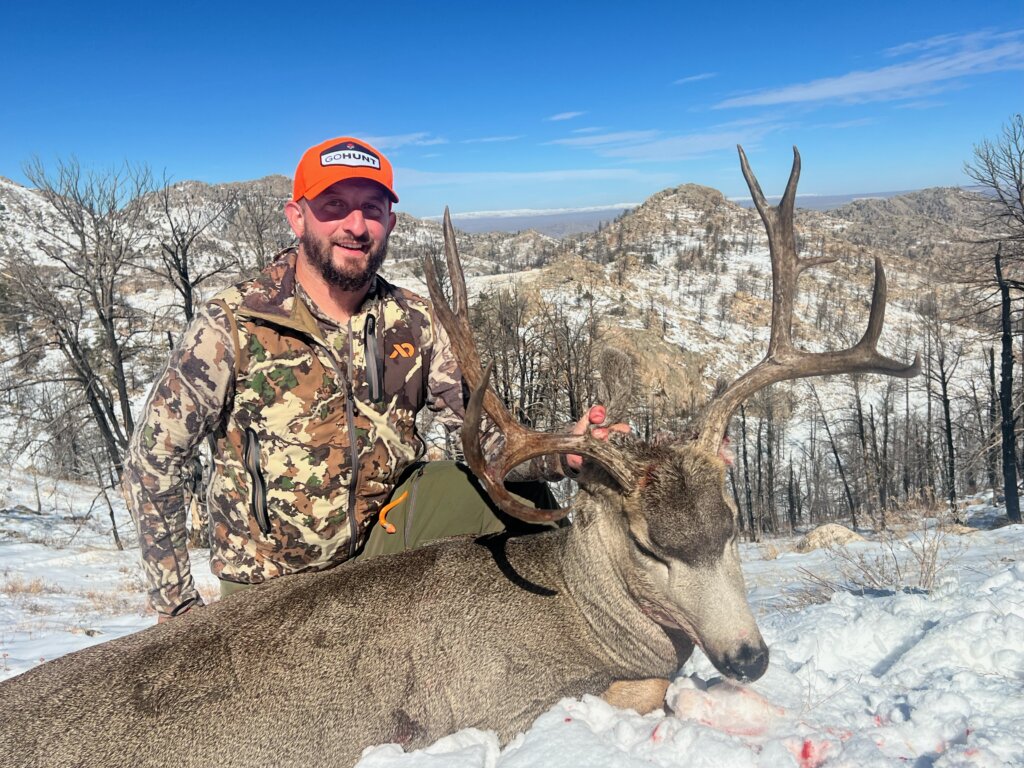
When planning for mule deer, there are numerous elements to consider: trophy expectations, weapon selection, physical capabilities, hunting style, private versus public lands, and, notably, whether there are any preference/bonus point requirements. Securing guaranteed mule deer tags that are high quality is exceedingly uncommon, resulting in a substantial hike in their cost. However, accumulating preference/bonus points will grant access to a wide range of high-quality hunting opportunities at a much lower cost. If you haven’t started earning these valuable points, it’s best to begin the process now. Developing a successful application strategy that aligns with your goals is crucial for maximizing your time in the wilderness with a mule deer tag in your pocket.
For individuals in search of truly impressive mature bucks, it is worth considering the states of Arizona, Colorado, Nevada, New Mexico, and Utah. Each of these states boasts exceptional hunting areas that consistently produce record-breaking bucks. Colorado stands out as the only state that determines draw odds based on the level of preference points you have accumulated. In Arizona and Utah, 50% of hunting tags are reserved for applicants with the highest points, while the remaining 50% are distributed randomly. Nevada operates a bonus point system that is widely regarded as the best in the western United States. New Mexico, on the other hand, assigns all of its hunting tags through a random draw, as it does not utilize a point system. Given the high demand for high-quality mule deer tags, it can be challenging to secure them. However, by strategically applying for tags across multiple states, hunters can significantly increase their likelihood of having a successful hunt with a high amount of shot opportunity.
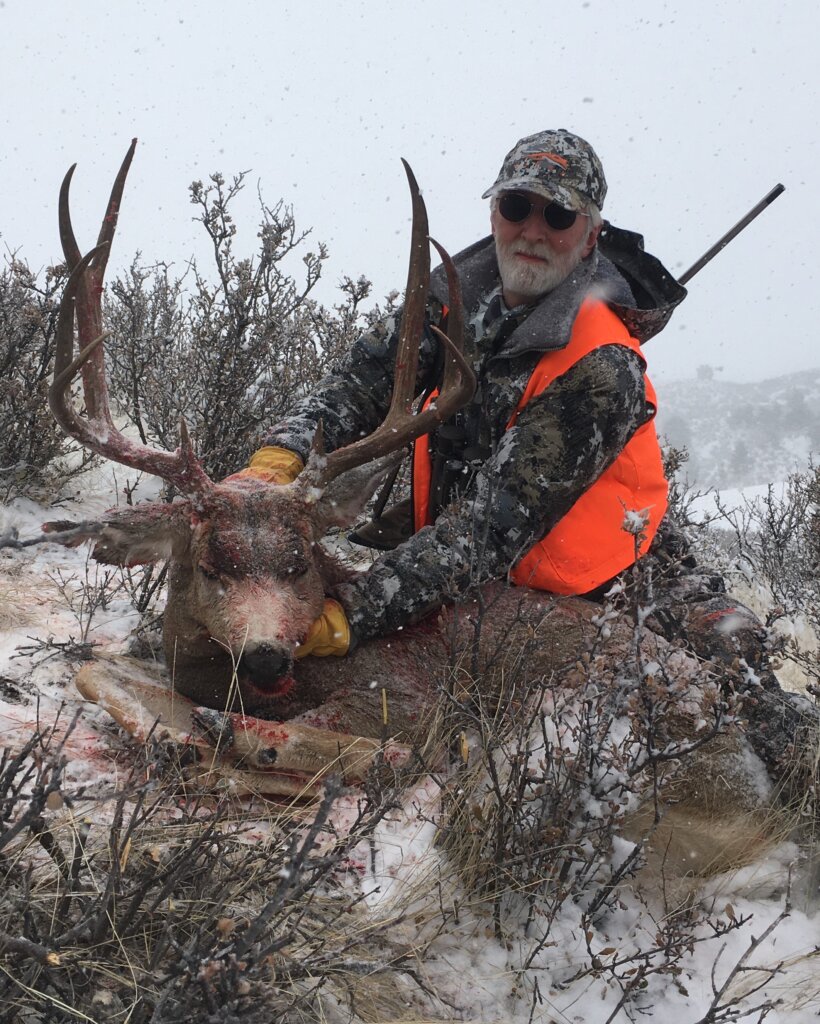
If you are not overly concerned about the quality of the trophy and are more focused on having a successful hunt and getting an accurate representation of the species, you might want to consider exploring the hunting opportunities in the states of Colorado, Montana, and Wyoming. These states have tags that can be obtained with minimal or even no points, which makes planning your hunting trip much simpler. Most of these hunting trips take place on private lands and generally offer a high density of deer, a good distribution of age among the deer population, and an overall enjoyable experience. Additionally, Wyoming and Montana also have antelope hunting seasons that overlap with the deer season, providing the opportunity for action-packed combination hunts. While there are mountain hunts available in areas with relatively easy tag draws, these hunts come with their own set of challenges due to the high number of tags issued and the pressure from other hunters. These adventure hunts are best suited for individuals who are in excellent physical condition and capable of covering a lot of ground on foot. The sheer number of hunting opportunities available to those with this mindset can be overwhelming, so it’s highly recommended that you speak with a WTA TAGS consultant to ensure that you select the right hunting trip for your preferences and abilities. We can help you get started on a successful hunting experience.
As sportspeople with busy lives, our hunting seasons can be limited. Time is precious and our future hunting opportunities are finite. Let us help you have a successful hunt by helping with tag draw planning, expert opinions, and online resources. We have over two decades of experience in professional licensing services and a network of leading mule deer guides in western North America. Contact us for help with your next mule deer or mule deer/antelope combo hunt. We’re here to support you!