Book Your Adventure 1-800-346-8747

Permanent Bonus Point in Arizona–Available Online

Eric Pawlak
|  
Location: Arizona

The Arizona Game and Fish Department is now offering its applicants the opportunity to receive a permanent bonus point by passing their online hunter’s safety course titled Ethically Hunting Arizona

The cost of the course is $150 for residents and $300 for non-residents. You must be at least 18-years-old, and completing the course will take 5–6 hours, on average. 

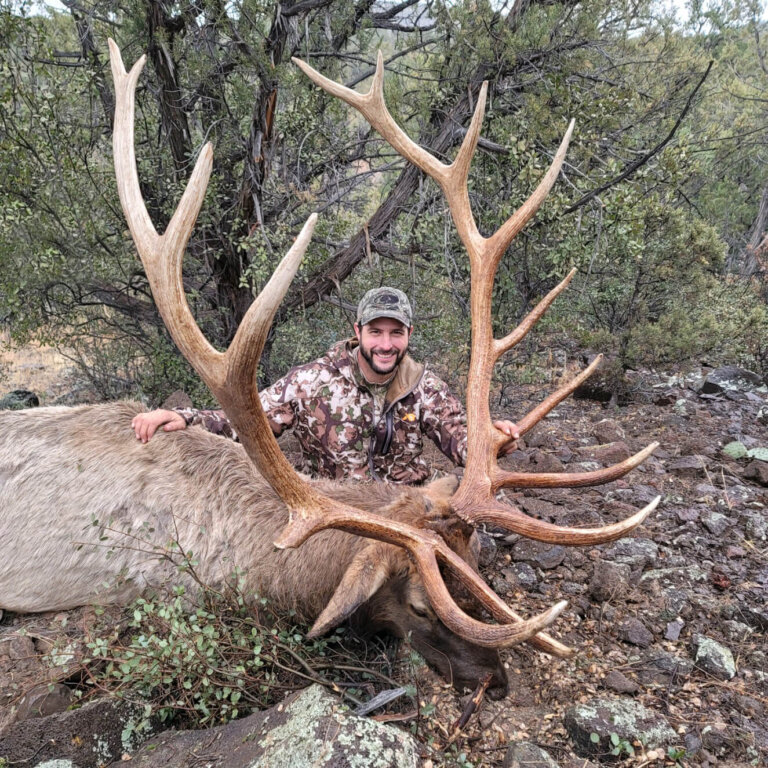
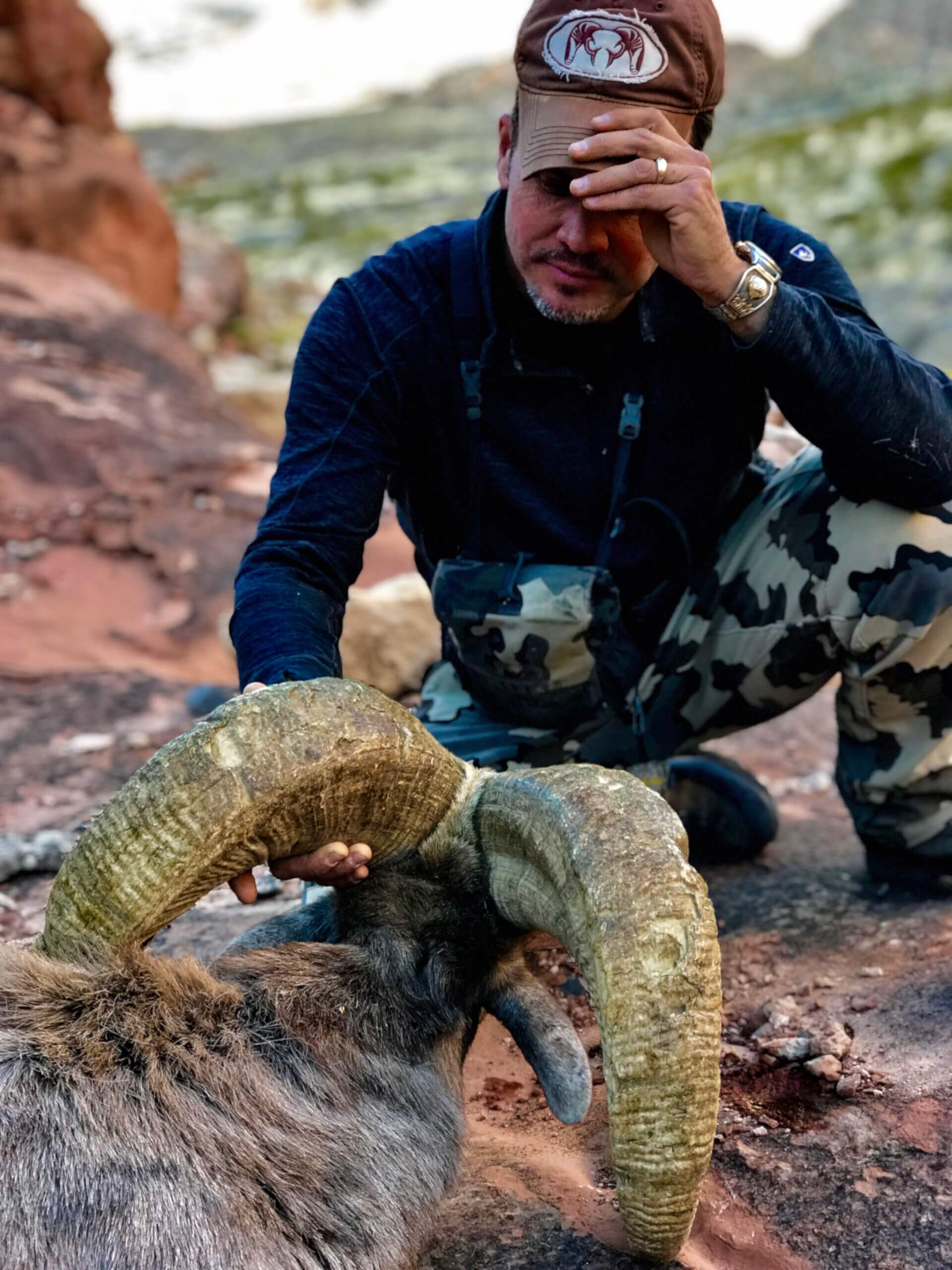
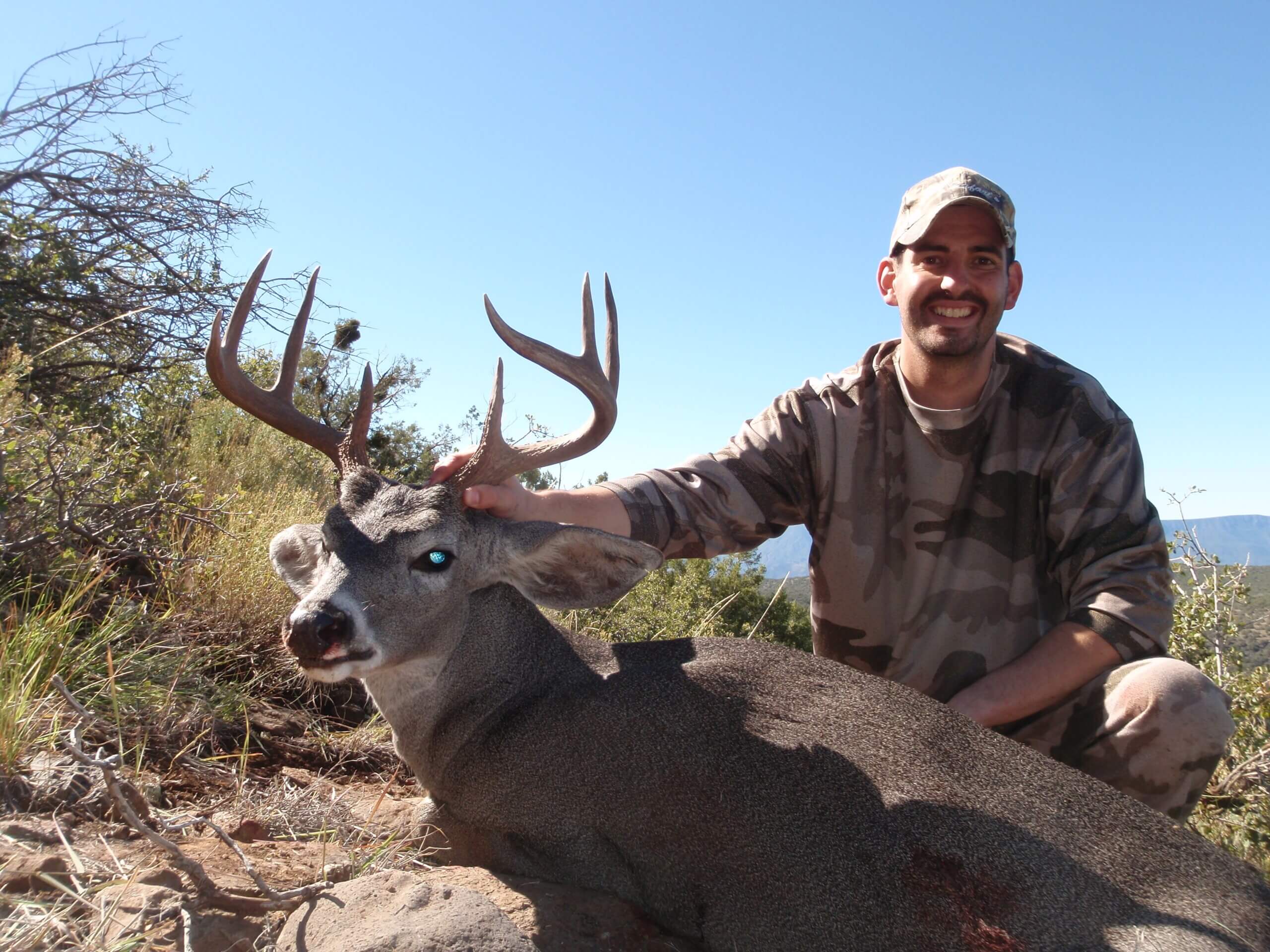
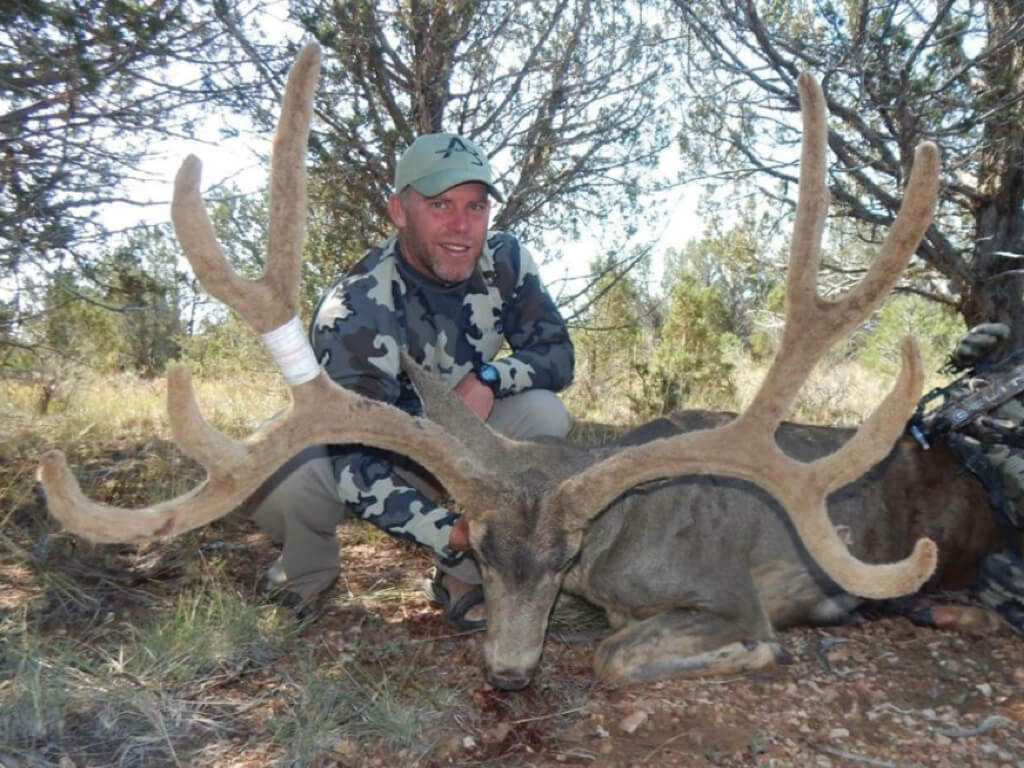
As we know, the great state of Arizona offers some of the highest-quality, most exciting big-game opportunities in the West. Giant elk and antelope abound. Monster mule deer and Coues deer are plentiful. And, of course, there’s the chance to draw a coveted desert sheep tag. Arizona is a must-apply state. In many of these instances, we feel obtaining this permanent bonus point will help improve your odds of drawing a primo big-game tag in Arizona. For a consultation to figure out whether investing in this course is right for you, please contact WTA TAGS at 1-800-755-8247.
A few notes about this program: If you have already received a bonus point for taking the in-person Hunter Education Course, you are NOT eligible to receive a second bonus point by completing this online course. The online course must be completed 30 days prior to any draw deadline to go into effect for the upcoming draw. Also, this course will not qualify you to hunt in states that require Hunter Education. 

Ethically Hunting Arizona Course Information

Recent Articles

Popular Hunts

Draw Required
Rocky Mountain Elk   ·
Colorado
From 
$6,950
Outfitter #870
Draw Required
Mule Deer   ·
Colorado
From 
$9,500
Outfitter #1098

Top Arizona Hunting Trips

Draw Required
Javelina   ·
Arizona
From 
$1,500
Outfitter #973
Draw Required
Mule Deer   ·
Arizona
From 
$7,500
Outfitter #841

Related Articles

Estate Hunting: A Closer Look at a Misunderstood Hunting Option

Estate Hunting: A Closer Look at a Misunderstood Hunting Option

Estate hunting, often referred to as high fence hunting, is one of the most misunderstood segments of the modern hunting landscape. The term can carry strong assumptions, but those assumptions rarely reflect the reality of what these hunts actually involve.

At its core, estate hunting offers hunters access to large, privately managed properties where wildlife is carefully stewarded, and hunting opportunities are predictable, efficient, and highly successful. These hunts are not intended to replace traditional public-land or limited-entry experiences. They are meant to provide an alternative option for hunters with specific goals, time constraints, or physical considerations.

Understanding estate hunting begins with recognizing how the properties operate and what the experience looks like on the ground.

What Defines an Estate Hunt?​

Estate hunts take place on privately owned ranches or preserves enclosed by a perimeter fence. These properties can range from several thousand acres to well over 100,000 acres, depending on location, species, and management model.

Within these boundaries, wildlife populations are actively managed year-round. Landowners and outfitters focus on habitat improvement, water development, herd health, genetics, and balanced harvest rates. The result is a stable wildlife population with a strong age structure and consistent hunting opportunity.

Because animals remain on the property, outfitters can offer hunts with a very high harvest probability. In many cases, hunters can pursue specific age classes, horn characteristics, or species that would otherwise require years of applying or limited-entry permits.

What the Experience Is Actually Like

One of the most common misconceptions about estate hunting is that animals are easily located and harvested quickly in a confined space. In reality, many estate properties are vast, and hunters may never see the perimeter fence during their hunt.

These ranches often feature diverse terrain of rolling hills, timber, brush country, open plains, canyons, and river bottoms, allowing animals to behave naturally. Hunters glass, stalk, track, and pass animals just as they would on large private ranches or expansive Western properties.

Once on the ground, the hunt feels far more like a traditional spot-and-stalk or guided private land experience than what many imagine when they hear the term “high fence.”

In the Jungle for Ocellated Turkeys: A Hunt Like No Other

In the Jungle for Ocellated Turkeys: A Hunt Like No Other

Everything about the ocellated turkey is different from what hunters expect when they think about turkeys—from where they live, to…
Spring Thunder on the Plains: Kansas Turkey Hunting Made Simple

Spring Thunder on the Plains: Kansas Turkey Hunting Made Simple

Few Spring experiences rival the sound of a hard-gobbling tom echoing across the Kansas prairie. As winter gives way to warming…

Get Trip Specials & Cancellations,
Right Where You Want It.

No spam. Just the good stuff. Opt-out anytime.