Book Your Adventure 1-800-346-8747

Triple Threat – Mule Deer

Mark Peterson
|  

Muzzleloader Mule Deer in Colorado, by Mark Peterson

In his quest for the North America 29 X 3, by taking each with a Rifle, Muzzleloader & Bow, Mark Peterson shares his hunt stories in a series we call “Triple Threat”.

One of the best areas period in the west to hunt big mule deer are the Eastern plains of Colorado.  The area is some of the flattest you will see, which makes hunting there unique as you often have trouble finding enough elevation to glass from.  The deer usually live in small draws on the edge of agricultural fields.  So the best time to turn them is first thing in the morning and last light as they come to and from the fields.   But like anywhere, if they are in rut they are usually out chasing all day.


I chose to use my muzzleloader during this unit’s regular rifle season, this allowed me to use a scope on it for longer shots.  During Colorado’s normal muzzleloader season it is illegal to use scopes or sabots, but during rifle you can use a muzzleloader that is scoped and sabots.  Normally rifle season in the eastern plains the temps are in the 30’s-40’s, but of course when I was there they made it up into the 80’s and the rut hadn’t kicked off yet.  This added a great deal of difficulty, as the deer would eat during the middle of the night and would be bedded by first light.


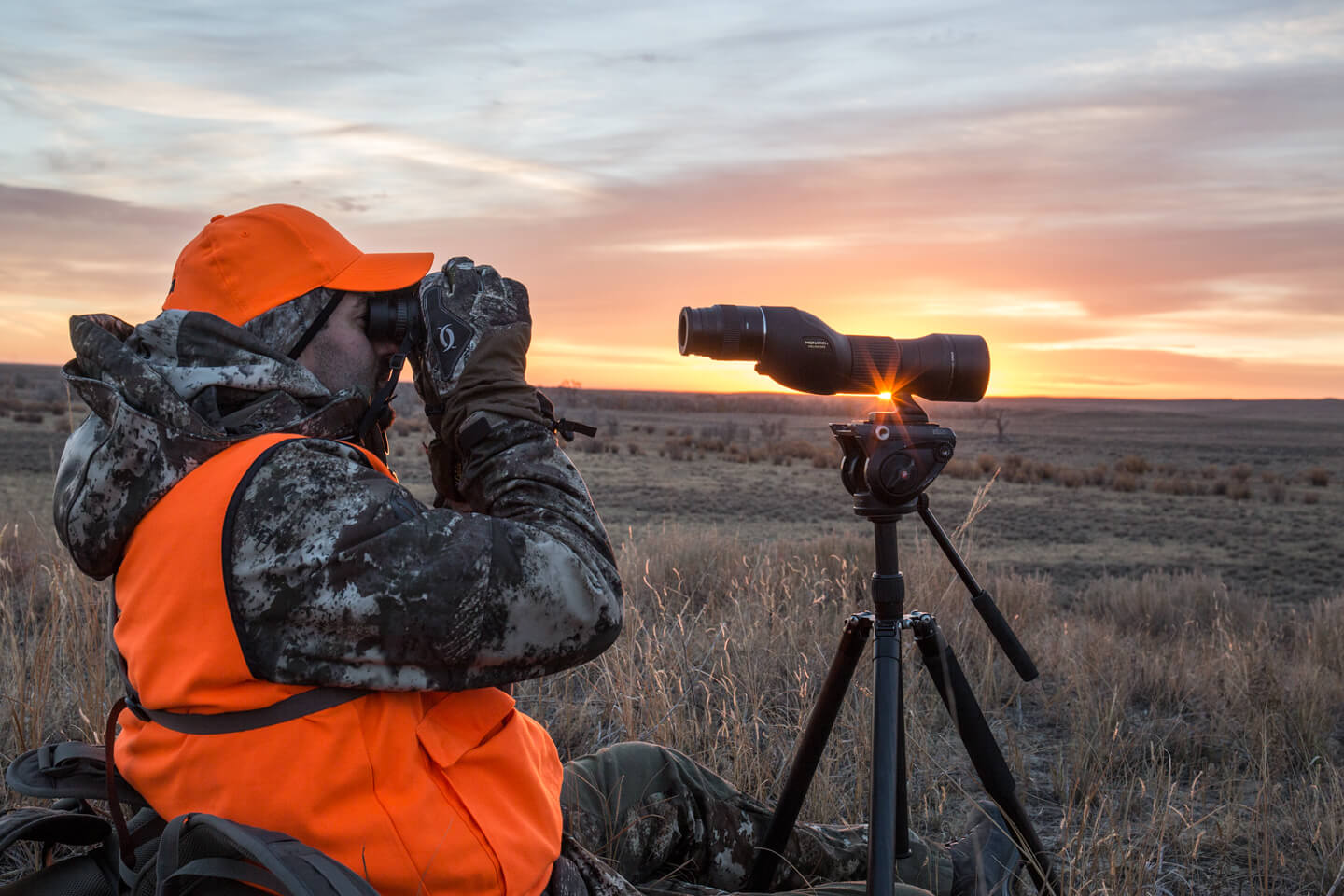
On this hunt I was hunting with one of my best friends who outfits across the West and is one of WTA’s top producing outfitters year after year.  He has leased up a great deal of land in the area.   One of the keys to successful management in the Eastern Plains is you need several thousands of acres per hunter as the trophy deer are spread.  There are farms that maybe 10,000 acres in size but only have 1 spot that the deer are in because of cover.  Because of this and the hot temps we did a lot of bouncing around, glassing up different draws and areas trying to turn a big buck.
768a2376
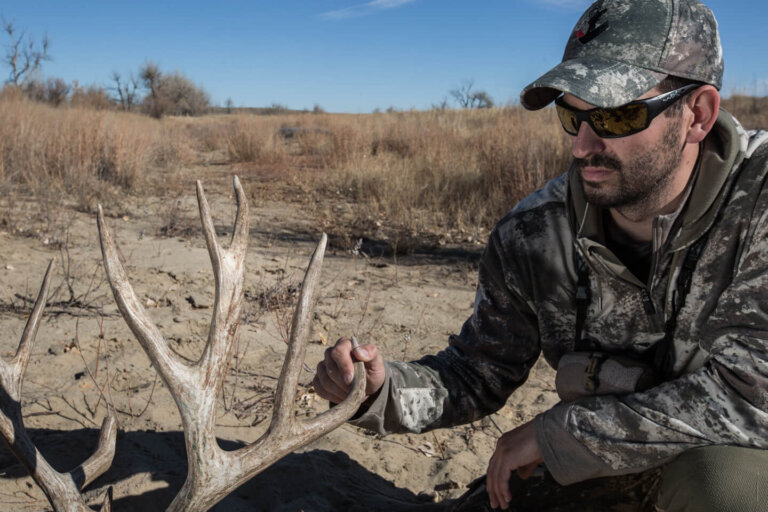
Searching for Mule Deer

We had been seeing a lot of good deer but they were all very young, with a week of hunting we pressed on with the same routine of glassing draws and seeing what was in there and then bouncing to the next draw.  Towards the end of the hunt we had focused in on a particular draw.  The landowner had seen a couple of great bucks in the area and we had a feeling they were in this draw.  But the draw was extremely large and very thick, so our only hope was to spot one of them coming in or going out of it.


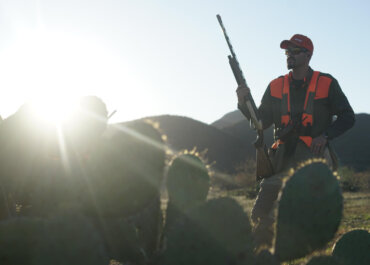
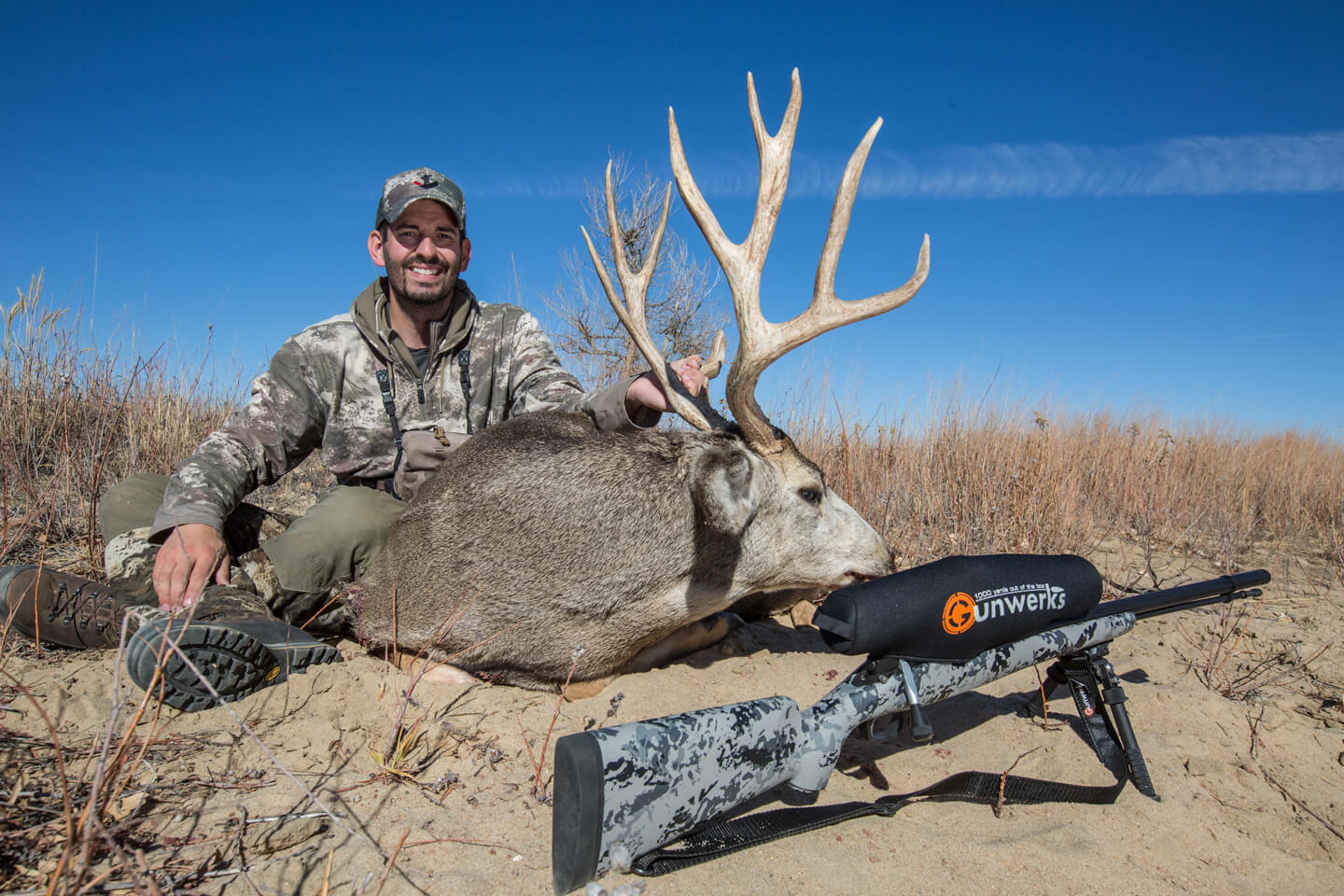
Our last morning hunting we spotted a 5×5 in the draw we had been glassing.  We watched where he bedded down that morning.  He had put his face to the wind up on a little mound underneath a small tree for shade.  We made a plan and did a couple mile circle around on him.  With the wind in our face we approached to within 75 yards when he stood and the cloud of smoke went out the barrel.  He fell right there!!!  A great buck and a great time with friends.  The Eastern plains isn’t a physical hunt at all, but one where you need patience.  I’m already planning my next trip to hunt Mule Deer in the plains.  A unique area for sure, but man its got some giant deer.
768a5774


Related Articles

Europe Awaits! Hosted Hunting + A European Vacation

Europe Awaits! Hosted Hunting + A European Vacation

I have been hunting Europe for a little over 10 years now, but there are so many countries and so much game that I feel like it could take another 20 years to see and do everything I want to do. That’s part of what makes Europe so exciting. It truly feels endless. Europe has become incredibly popular for several reasons. First, as an international hunting destination, it is easily accessible, with numerous flights available and no 15-hour, long-haul flights required from the U.S. and North America. Second, the hunts are almost always 100% successful because game management is top-notch and populations are extremely healthy. Third, hunts are relatively short, usually three to five days. Hunts lend themselves perfectly to adding extra vacation time, bringing non-hunters, and enjoying a truly memorable overall trip.

I’ve had the privilege of running WTA-hosted trips designed specifically for couples for the past three years, and we will continue this program well into the future, due to its overwhelming popularity. These trips are structured with a primary hunt alongside a dedicated non-hunter program for observers who prefer not to spend time in the field. Some of these activities have included spa days, shopping excursions, guided sightseeing tours, visits to olive oil operations or wineries, and more. Of course, non-hunters are always welcome to join the hunters in the field if they’d like.

On a personal level, my wife absolutely loves these trips, and I wouldn’t think of traveling to Europe without her. On several occasions when I’ve finished my hunt early, I’ve joined the non-hunters on their excursions and had an absolute blast. We also typically add a couple of days at the beginning of the trip to explore a city or region we haven’t visited before, which helps us adjust to the time change before the hunt begins.

In addition to the hunting, the scenery, the accommodations, and the food are always top-shelf.

After buying Wyoming moose preference points for years, throwing money at a dream that would probably never happen, Jeremy Ivie at WTA gave me advice that changed everything. “If you really want a chance at a Shiras moose, let’s put you in for Idaho.” The second year I applied, I drew the tag. Sometimes the best hunting advice isn’t about what unit to hunt, it’s about where to apply in the first place.

From Argentina to Idaho

My wife and I had just returned from an incredible trip to Argentina with WTA last April, and I wasn’t planning another hunt so soon. But when that Idaho draw result came through, everything changed. Now I’m planning two hunts a year, and my whole outlook has shifted. WTA doesn’t just book hunts; they help you build a hunting life.

October 1 found us in Idaho. The setup was perfect for us: a smaller, family-run operation with two cabins out back, a bathhouse between them, and the whole family was involved in the operation. Mike guided me, his father-in-law took the other hunter, and Mike’s wife and daughter helped run camp. After hunting at a bigger operation in Wyoming where I took a nice mule deer (another great recommendation from Jeremy), this intimate setting felt just right for a moose hunt.

Mountain Moose

Going in, I had no idea we’d be hunting at 5,000 feet above sea level. In my mind, moose meant swamps and willows, not mountain clear-cuts and steep terrain. But that’s where Idaho’s Shiras moose live, and Mike knew exactly how to hunt them.

Day one brought rain, cold, and long hours of glassing. We saw five moose total, including one bull that Mike immediately identified as “maybe a last-day bull, definitely not a first-day bull.” We also spotted a grizzly and some black bears. Idaho’s wild country was showing off! The terrain was brutal but beautiful, though after a full day of hiking those mountains, the word beautiful becomes relative!

Day two, Mike had a specific plan: a four-mile hike to a four-year-old clearcut he’d been watching. The timber gets so thick in Idaho that these clearcuts become magnets for moose. “We’re not going to do as much glassing today,” Mike said. “We’re going to do a lot of calling and listening.”

The Moment

Four miles in, calling and listening the whole way, we finally got an answer. Things happened fast after that. First, a cow appeared, then the bull at 250 yards. On the second morning of the hunt, I had my Idaho Shiras moose down. It was an unforgettable moment.

As most moose hunters will tell you, the real work begins after the moose is down. While we quartered and caped the moose on that steep mountainside, Mike’s wife and father-in-law were gathering horses and mules at the trailhead. The pack-out was something I’d always wanted to experience, and it lived up to all of my expectations. Idaho’s backcountry is stunning in photos, but once you’re off the trail, dealing with deadfall and near-vertical slopes while loading hundreds of pounds of moose meat onto mules, “beautiful” takes on a different meaning. I’m in good shape, and I was completely exhausted. It was fantastic.

Apply for Colorado’s Limited-Entry Big Game Tags

Apply for Colorado’s Limited-Entry Big Game Tags

When it comes to big game hunting, Colorado is often at the forefront of every sportsman’s mind. With its diverse landscapes, from the iconic Rocky Mountains to the expansive eastern plains, Colorado offers a range of hunting opportunities for both residents and non-residents. While some tags can be acquired over the counter, many of the premier hunting opportunities in Colorado are found through its highly competitive draw system. This is why you need to apply and build valuable preference points in Colorado!

Deadline to Apply: April 7, 2026. Draw Post Date: Early June (staggered by species). WTA TAGS Species:…

Get Trip Specials & Cancellations,
Right Where You Want It.

No spam. Just the good stuff. Opt-out anytime.