Book Your Adventure 1-800-346-8747

World Turkey Slam- Sonora Gould’s

Mark Peterson
|  

dji_0059
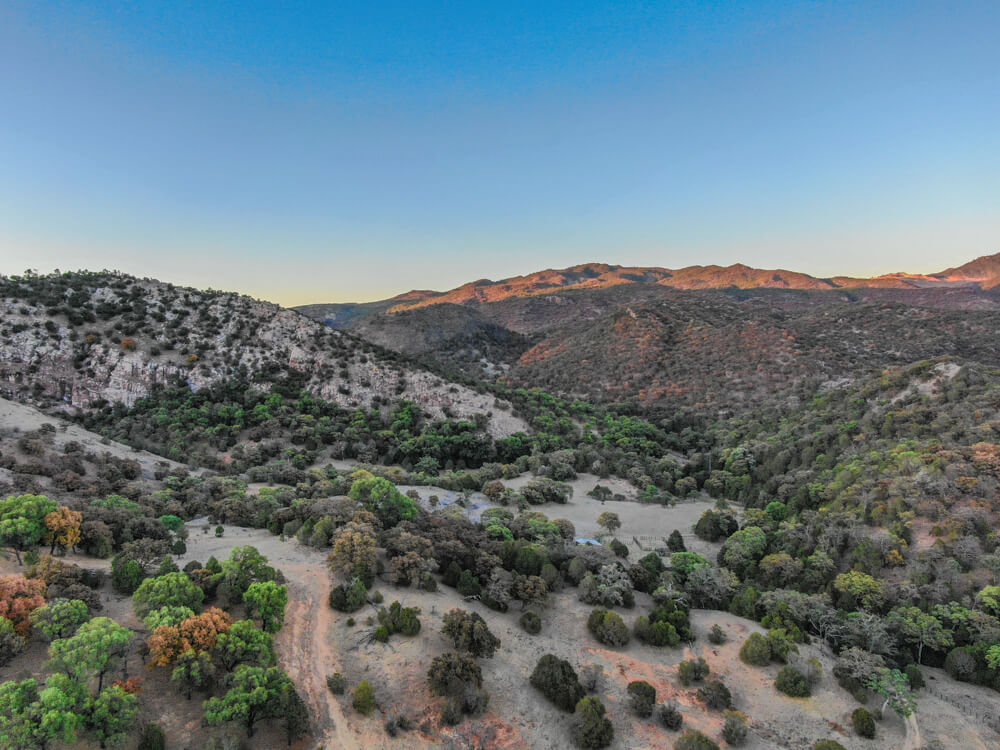
The last stop to complete my world slam of turkeys this spring, is in one of my favorite places, Sonora Mexico.  I have been fortunate to hunt Sonora several times in the past for Coues Deer, Mule Deer and Desert Sheep, but the area is also known for great Gould’s hunting.  My previous Gould hunt was in the neighboring state of Chihuahua.  Gould’s are also found in the US states of Arizona and New Mexico, but these are draw tags.  My name is in the hat, yearly, for these draws and eventually I’m hoping to have my name drawn.  The highest population of Gould’s is in northern Mexico, with Sonora having the highest population.   Gould’s have the most striking color by far and their light color tail feathers pop against the desert vegetation.  The sight of a strutting Gould, coming into the decoy, is one that will stir the heart of every turkey hunter.  dji_0050The most asked question I get when talking about hunting in Mexico is “Is it safe?”  Much like in the US, there are parts that are safe and those that aren’t.  I often tell people that there are parts of Detroit or Chicago that I wouldn’t send someone to and the same is true for Mexico.  In general, most of Mexico is extremely safe.  The most important part of booking a trip to Mexico is to make sure that you go with a great outfitter.  At WTA, we vet all of our outfitters by going to the outfitter and hunting with him.  In Mexico, like a lot of the places in the world, you need a great outfitter, not only from the hunting side but also for the logistics and safety of getting in and out of the hunting area.  On this trip, I was going with one of WTA’s best.  He has had scores of very positive comments back from WTA clients.  Now, after having numerous WTA consultants hunt with this outfitter, it was my turn to head south of the border. We departed Michigan, by air, early in the morning and arrived into Hermosillo early that same evening.  The outfitter met us at the airport and took us to a local hotel where we would spend the night before heading out to camp the next morning.  If you haven’t spent time in Hermosillo, you need to go.  I have found the food to be great and truly world class.  Both the seafood and steaks that I have had in Hermosillo have been phenomenal.  I consider Hermosillo to be a destination city for fantastic food.
img_1224


The outfitter has two options to get into Turkey camp, which is located in the Sierra Madre Mountains.  You can either take a drive of six hours, much of it on some rough back country roads, or there is a small charter plane that will quickly take you from Hermosillo to the local town where the outfitter bases his turkey camp out of.  On this trip, we chose to do the airplane route, which was the first time I have flown low in Sonora and the Sierra Madres.  The views from the plane were breathtaking and our flight was less than an hour.  Upon arrival, we did a quick change of clothes and we were off to hunt.

I could quickly tell that the outfitter had gone above and beyond with his pre-scouting of the turkeys.  In talking with our outfitter, Sergio, he mentioned that he had guides in the field for 5 weeks before the season.  They were scouting, fixing roads and getting the camp ready.  The drive from camp, to our first hunting area, was only about 30 minutes and put us in an old cattle area at the bottom of some very steep canyon hills.
default

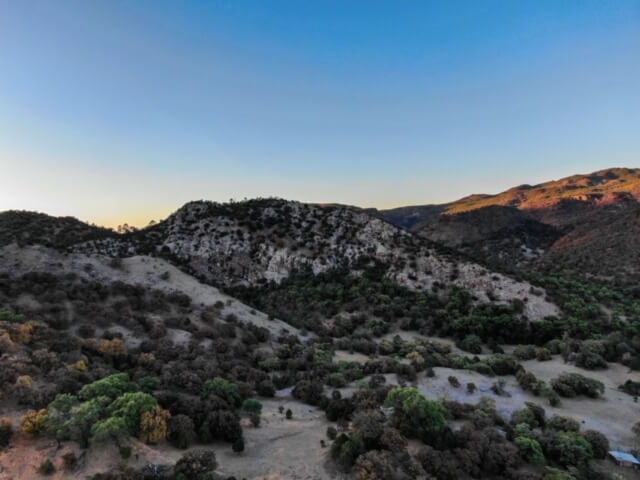
The canyon views were stunning, and we were set up plenty early for the afternoon hunt.  We had our decoys out and were in position by 2:30 in the afternoon.  We were set up on a pinch point between the higher areas on the hills, where the turkeys roosted, and the lower areas where they would feed and drink.  The turkeys would usually go back and forth throughout the area most of the day.  As we walked the road in, there were strutting marks all along it; that was a very good sign. We would occasionally call, but we did not overdo it.  Around 4 pm, a lone hen came in and investigated the decoys; then she wondered off.

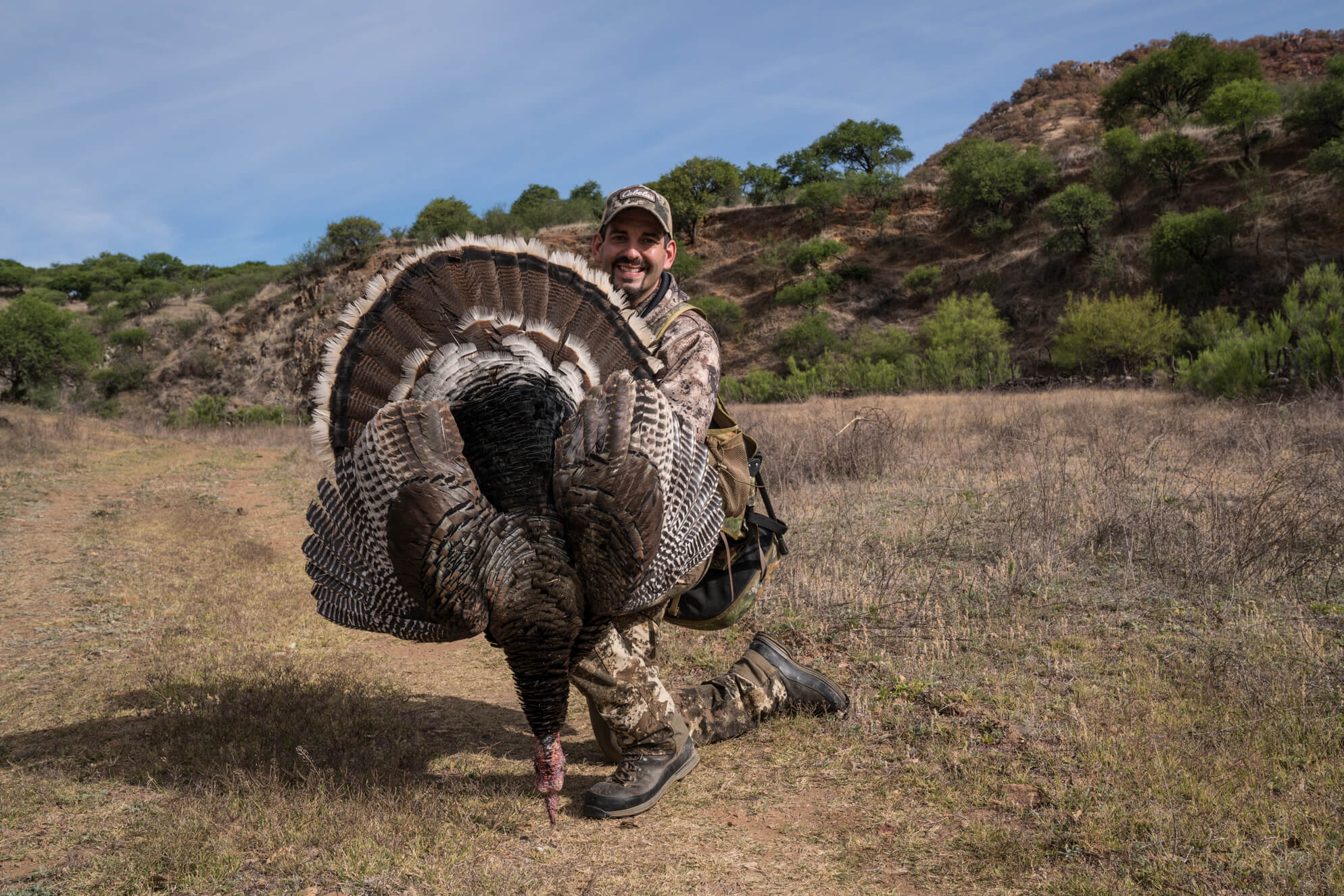
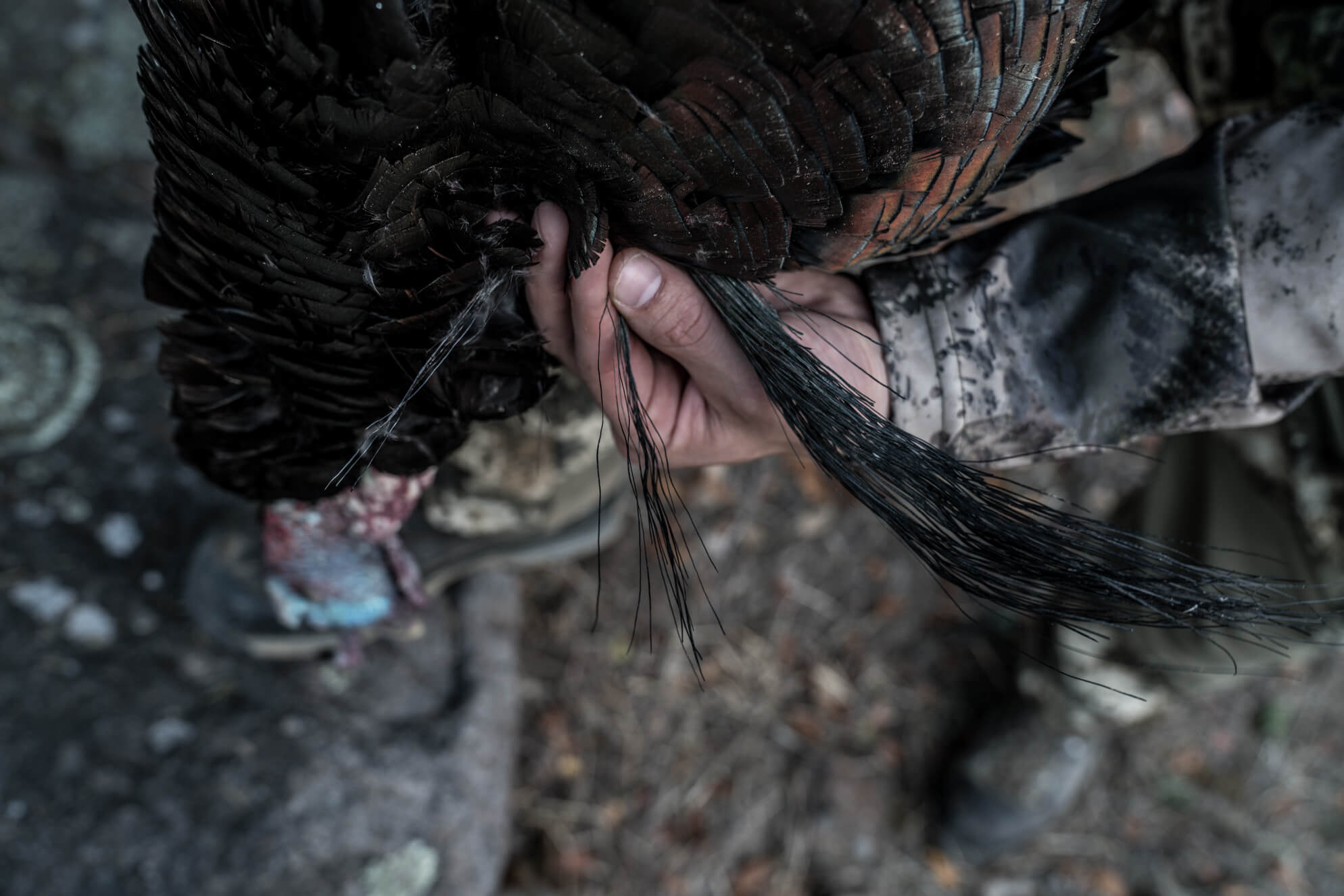
Just after 5 pm, Sergio motioned that he heard a turkey coming in on our hard right.  Not long after that, we spotted a big tom slowly feeding towards us.  After a couple of minutes of feeding, he looked up and spotted the decoys.  He began to walk on a line right to the decoys.  The bad part of this is that he was walking the tree line, which was going to put him at about 10 yards when he stepped in front of us for a clear shot.  He continued working our way until he walked into the opening; I let him continue on to the decoys.  As he walked about 8 yards from us, he sensed something wasn’t right.  Usually, at this point is when I like to blame Grant and say that he saw our camera.  It had to be the camera.  The tom put his head up and started to walked away.  I slowly moved my shotgun around for good shot.  Everything was perfect and my world turkey slam, in a single season, was complete.   We could tell that it was a big gobbler as it was coming in, but we had no idea until we got up to him, that he had 3 beards!!!  I couldn’t think of a cooler way to complete the slam.  We finished up filming and photos and called it a day. It was Carne Asada that night at camp and we spent an enjoyable evening discussing turkeys across North America.
dsc00774

The next morning, we were off early, but we went in the opposite direction from camp.  Our set up was much like the evening before. The steep canyon walls made the lower valleys into funnels that the turkeys would use throughout the day.  We set up at a crossing where 3 valleys met.  As the sun started to come up, we had turkeys gobbling from every direction all around us.  As these turkeys started to fly down, the most dominate gobbler was behind us.  We could hear him slowly making his way towards us, gobbling often.  When he seemed to be just over a small knob behind us, hens started to come over and go to a small watering hole.  In total, nine hens and four jakes came over the knob to the water.   The gobbler stayed behind, out of our sight.  The hens and jakes were within 20 yards of us, while the gobbler was going crazy on the other side of the knob.  With the tom gobbling fiercely, the hens and jakes slowly worked back to where they had come.  Once they were out of sight, we got aggressive with the calling and fired him up, but it just wasn’t enough to pull away from all of the hens.  With no luck after about 45 minutes, we decided it was time to back out.
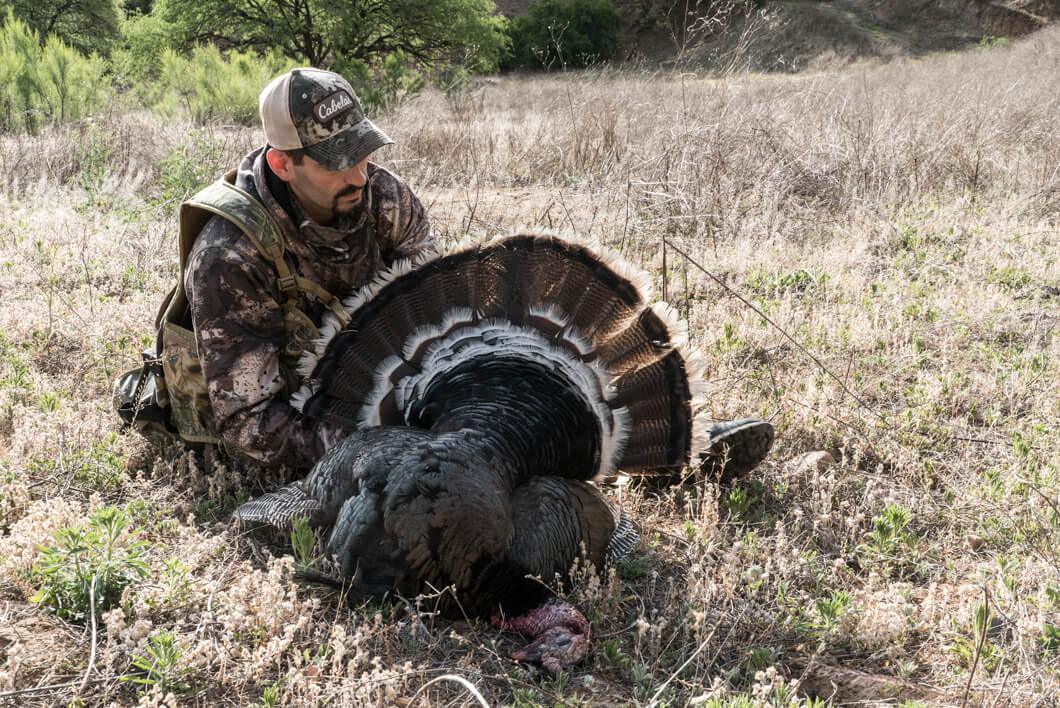
dsc00770We went back to the truck planning to try a different area while the morning was still young.  Just as I finished unloading my shotgun by the truck, a gobbler went off no more than 100 yards away from where we were.  We edged away from the truck and spotted him strutting on an old two-track going away from us.  After loading my shotgun back up, we quietly moved up a ridge top in his direction until we were set up right above where we thought he was.  Our call was answered by his gobble and no more than 60 seconds later, he topped the hill at 25 yards.  With a good shot, my Sonora Gould hunt was over. When we walked up to him, much to my surprise, I saw that he had two beards.  This was a heck of a Gould hunt; two gobblers and five beards!!

img_1256


Sergio’s operation here in Sonora is absolutely great.  It is not only the best for Gould’s, but maybe one of the best turkey hunts in North America.  I had such a great time that I booked Dad and myself to come back down this winter and hunt for some of the elusive elegant quail that call Sonora home.  dsc00790

I had successfully completed my quest for the 6 turkeys of the world turkey slam in a single season.  From the start in mid-March in Florida, to the completion here is Sonora, was 46 days. I couldn’t have done this without the help and guidance of the team at WTA.  They put me with the best outfitters at the right time in each season.  If you are interested in completing your own world slam, or going on the turkey hunt of a lifetime, give the team at WTA a call.
 

Recent Articles

Related Articles

Hunting Austria’s Alpine Ibex

Hunting Austria’s Alpine Ibex

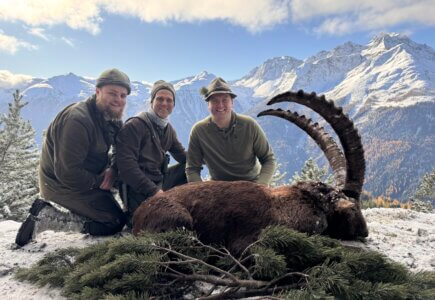
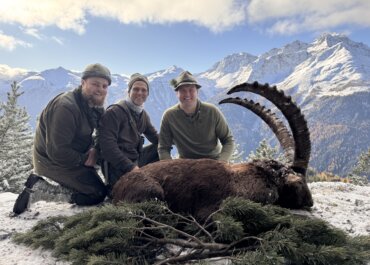
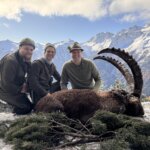
At 19, fresh off of winning Cabela’s Young Hunter of the Year Award, I landed in Austria with a little knowledge of the German language and a lot of ambition. Decades later, I’m still here, married to an Austrian who regularly outshoots me and raising two daughters in the mountains. I’m also guiding America’s most dedicated hunters in pursuit of the Alps’ ultimate prize: the alpine ibex.

The ibex isn’t just another mountain goat. It’s the king of these peaks, a symbol of European wilderness that survived near-extinction to reclaim its throne. We hunt them in Austria, where centuries of game management have created the world’s premier ibex destination. Switzerland presents complications, Slovenia offers extremely limited permits, but Austria delivers consistent opportunities for serious hunters.

Each season, WTA secures 6–8 free-range alpine ibex tags, more than most American outfitters see in a decade. These tags aren’t easy to acquire, which makes our Austrian partnerships invaluable for hunters who refuse to settle. When we secure a permit, you’re hunting class one ibex: 10-year-old monarchs with horns that sweep back in perfect curves, masters of terrain that humbles hunters.

The country defies American expectations. Moving here from Alaska, I expected the European mountains to feel tame and developed. Austria proved me wrong. These peaks rival Alaska’s grandeur while offering infrastructure that makes the experience accessible. Chairlifts, mountain huts, and trail systems don’t diminish the wildness. They reveal it by transporting you to where the game lives.

Our hunts typically run five days with three hunting days, though success often comes sooner, thanks to Austria’s superior game management. Unlike America’s hit-or-miss hunting, where timing determines everything, Austrian seasons open when animals are available. If we have tags, the ibex are there. It’s a guarantee that results from centuries of perfecting wildlife management.

Hunting in Austria ranks among the world’s most challenging. These animals are free-range masters of vertical country, much like the sheep country you might be familiar with. Dawn starts with spotting scopes and serious climbing. Success requires physical conditioning, mountain experience, and patience for shots that can extend beyond what most expect.

What separates Austrian ibex hunting from American mountain hunting is the certainty factor. Tag prices reflect this reality. You pay more because the success rate approaches a guarantee. It’s the difference between gambling on opportunity and investing in experience. Many hunters spend fortunes chasing tags with questionable outcomes. Here, you pay for what you get, which makes world-class hunting more accessible.

The season runs from August through December across different regions, each offering unique advantages. August brings alpine flowers and moderate weather. September adds red stag roars echoing from valleys below. October combines ibex hunting with opportunities for alpine chamois. December delivers stunning snow-covered peaks.

For budget-conscious hunters, we offer alternatives that maintain authenticity while reducing costs. Class three ibex, up to four years old, provide genuine alpine hunting at a fraction of the cost. Older females past breeding age offer similar mountain experiences while supporting management goals. These aren’t consolation prizes; they’re smart entry points into Europe’s premier mountain hunting.

The supporting cast enhances every hunt. Alpine chamois provide day-hunt opportunities that rival North America’s best mountain hunting. Red stags roar from valleys in September, adding another dimension to mountain adventures. Marmots offer entertaining breaks from serious hunting, their whistles echoing across meadows like natural alarm systems.

Austrian hunting culture creates experiences impossible to replicate elsewhere. Mountain huts with centuries of hunting history, local guides whose families have hunted these peaks for generations, and traditions that turn hunting into a cultural exchange. The food alone justifies the journey. Mountain restaurants serve game with wines that are both world-class and inexpensive.

What Americans may not understand is how affordable this hunting becomes compared to domestic alternatives. Factor in guide fees, equipment costs, and success probabilities, and Austrian ibex hunting often costs a fraction of American sheep hunting, while often delivering a superior experience. 

Standing on an Austrian peak at sunrise, watching ibex move across faces that drop thousands of feet, you understand how hunting can become an obsession. These animals are symbols of European wilderness that survived everything history could throw at them. Hunting them connects you to traditions older than American civilization itself!

The Alps offer more than hunting. They offer perspective. Coming from vast Alaska to the structured beauty of Austria taught me that wilderness takes many forms. Sometimes it’s endless space; sometimes it’s ancient traditions perfectly preserved in modern settings. In Austria, it’s both.

When American hunters ask why I stayed in Austria instead of returning to Alaska, the answer stands on every ridge: this is where hunting history lives, where game management works, and where mountain hunting achieves its highest expression.

See Ibex Hunts in Austria
New Zealand: A Spring Paradise

New Zealand: A Spring Paradise

The end of winter in the Northern Hemisphere gives me the itch to travel. I often visit Uganda to chase buffalo, before coming home for Spring turkey season. But this year, I switched it up. My wife, Alka, and I headed south to New Zealand for the last few days of February. We hosted two groups of hunters at two of WTA’s top outfitters and we all enjoyed a wonderful trip.

New Zealand offers endless opportunities for non-hunting companions while delivering a world-class hunting experience. Both lodges where we stayed had dedicated hosts who organized daily activities for the non-hunting guests. Shopping, visiting wineries, sightseeing in Mount Cook, jet boating, and many other activities filled the schedule. Once our hunts wrapped up, the guys joined the ladies on several of these excursions. I especially enjoyed spending a day exploring Mount Cook and an afternoon on the jet boat.

After flying to New Zealand and clearing customs, we caught a short flight to Queenstown. Queenstown is beautiful, situated on a lakeshore with steep mountains dropping straight to the water, making for postcard views. The local food scene is excellent. Alka and I tried multiple restaurants, checked out local shops, and rode the skylift to the top of the mountain. It was nice to have a day or two to acclimate to the 13-hour time difference.

We went to our first lodge, got settled in, visited the rifle range, and then had an incredible dinner.

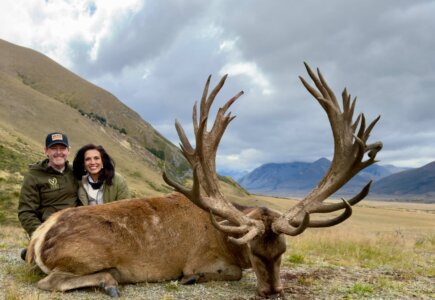
Alka isn’t really a hunter. She has taken a few animals, and somehow I talked her into hunting a red stag. We got out at daylight with our excellent guide, Victor, when the stags were roaring. We looked at a couple of groups and crept over a ridge to glass into a creek bottom. We found stags roaring, fighting, feeding, and moving all over.

We finally decided on a beautiful red stag with a tank of a body, heavy mass, great crowns. And you could tell he was old. He was also dominant. The others gave way whenever he came near.

After a couple of hours, our stag bedded with another away from the others, and we decided to make a move. Victor expertly maneuvered us down into the thick creek bottom with the wind in our faces. Eventually, we moved within 100 yards of where we thought the stags were. After a while, the other stag stood up and repositioned. When he bedded again, Victor wanted to shift for a better angle. We ended up at 65 yards and could see our stag’s antler tips.

We waited 3 hours for the big guy to get up. We roared, threw rocks, raked brush, but he was tucked in and didn’t budge. Finally, in the early afternoon, Victor raked some brush, roared loudly, and the stag stood. Alka quickly got on the .30-06 and with a couple of shots an inch apart to the shoulder, the big stag dropped. Celebration time!

Alka got a super experience with lots of stag action, a great stalk in close, and then the nerve-racking wait for the 525″ stag to stand up and offer a shot.

Over the next few days, our group of hunters took some incredible stags and fallow deer. Toward the end, a few of us wanted to hunt tahr in the southern Alps.

I cannot describe how beautiful and rugged those mountains are, and seeing them from a helicopter is an experience not to be missed. My hunting partner and I both scored on nice bull tahr the morning we went out, and then the chopper pilot took the ladies up for a quick ride to show them the beauty and majesty of the southern Alps. It was a morning none of us will ever forget.

Learn More about this Hunt

Alka and I then packed up and transferred to our next lodge, where we met four other couples, including our good friends Russell and Cindy. Russell and I were going to hunt together, as we have all over the globe, and again, the ladies had a full palette of fun excursions planned.

During the first afternoon, we saw a number of great stags and some incredible fallow. What really excited me was seeing and hearing bugling elk. We returned for a 5-star meal (Be ready to gain weight in New Zealand!) and prepared for the next day. 

Just after daylight, we were on stags and moving around the hills and canyons, glassing and enjoying the views and the number of animals. One of the hardest parts of hunting there is choosing the stag you want to pursue. There are so many, and they are all so different, it’s sensory overload. There are wide, heavy, drop tines, typical frames, and every other antler configuration imaginable.

While glassing some stags in a wallow across a canyon, I spotted a big bull elk up on a ridge. He was so regal standing on the skyline, I kept coming back to him with my binos. I must have talked about him non-stop, because my outfitter and guide Shaun finally said, “We can go after him if you want, but he is about a mile away, and it’s all uphill.” I told Shaun I was ready to go if he was, so off we went, trekking up the mountain.

When we got to the top, we couldn’t find the bull. Huge rock formations blocked us from seeing a number of areas, so we slowly moved from rock to rock, carefully glassing, until we found the big bull on the third set of rocks.

I quickly set up and Shaun ranged the bull at a bit under 300 yards, moving away. Shaun has suppressed Gunwerks rifles available for his clients to use. I knew with that setup, the shot should be easy if the bull presented a good angle.

After watching him for a few minutes, the bull swung around, giving me a quartering away shot, and I tucked one in behind the shoulder. The big guy was done. When we got to him, he was way bigger than I thought, with 54″ beams and a huge frame, the 7×7 stretched the tape to 397″. I was ecstatic!

That afternoon, I went along with Russell on an exciting stag hunt where we got in on two great bulls. After a lot of maneuvering, they stepped out of a bedding area at 70 yards, and Russell hammered a beautiful stag with great crowns and kicker tines off both sides. Getting in close on these huge stags is an absolute blast.

The other guys in camp were laying down some great animals as well. On our second-to-last day, we all decided to go with the ladies for a jet boat ride up a glacial river, a short hike, and then a winery stop for apps and drinks. It was a fantastic day of seeing incredible scenery and relaxing with old and new friends.

On our last morning, Russell decided to find a good elk. An hour or so later, we found a big bull working a wallow. Russell and his guide made a stalk, Russ got on the sticks, and the next thing Shaun and I saw through our binos was the big heavy bull tipping over. What a great way to end our superb hunt!

We all headed back to Queenstown in the afternoon, had a great dinner at the Botswana Butchery restaurant, and then it was one sleep and a long flight home.

Gunwerks Long Range University | WTA Team Experience

Gunwerks Long Range University | WTA Team Experience

There’s a major difference between simply shooting a rifle and building a repeatable process that works under pressure in real hunting situations.

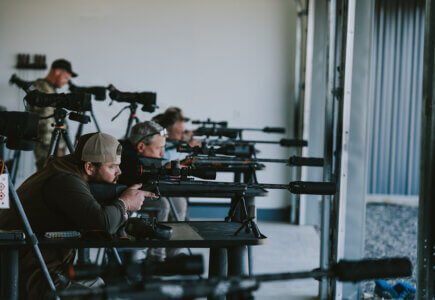
That was the biggest takeaway when the Worldwide Trophy Adventures team attended the Gunwerks Long Range University L1 and L2 courses in Cody, Wyoming. What started as an opportunity to sharpen our shooting skills quickly became something much bigger: a deep dive into confidence, communication, ethics, and the complete shooting system.

At WTA, we spend our lives helping hunters prepare for meaningful hunts around the world. We talk constantly about tags, gear, outfitters, strategy, and opportunity. But eventually, every hunt comes down to a single moment behind the rifle. That’s where Long Range University changes the conversation.

More than Just “Long Range Shooting”

A lot of hunters hear “long range shooting” and immediately think about distance. The course focused far more on consistency, process, and decision making than simply stretching the range.

The Gunwerks instructors repeatedly emphasized that successful shooting is about understanding the entire system:

  • Rifle
  • Optics
  • Ballistics
  • Environment
  • Wind
  • Shooter fundamentals
  • Mental process

That holistic approach was eye-opening, even for experienced hunters and shooters.

Several members of the WTA team came into the class with years of hunting experience and a solid understanding of rifles and optics. But one theme surfaced almost immediately: many of us had developed bad habits over time, simply because we’d never received formal instruction.
By lunchtime on the first day, most of us were already identifying flaws in our setup, body position, and shot process.

Honestly, that was one of the best parts of the experience.

Building Confidence through Process

Confidence is one of the most important elements in hunting. When doubt creeps into your mind during a critical moment, things tend to unravel quickly. Long Range University focuses heavily on eliminating uncertainty by building a repeatable process.

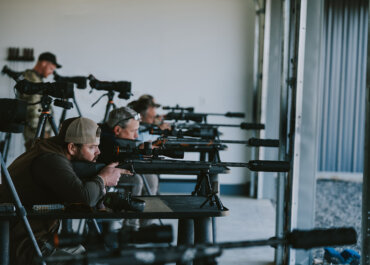
The course blended classroom instruction with live-fire range sessions, translating concepts immediately into practical applications.

Topics included:

  • Rifle setup and maintenance
  • Zeroing procedures
  • Ballistic profiles
  • Wind reading
  • Spotter/shooter communication
  • Prone shooting fundamentals
  • Shooting from improvised positions
  • Tripod and support techniques
  • Real-world hunting scenarios
  • Ethical shot evaluation

One of the most valuable lessons was learning to manage instability instead of fearing it. In the field, hunting shots rarely happen from a perfect, benchrest position. Hunters must adapt to terrain, weather, awkward angles, and time pressure.

The instructors did an exceptional job of simplifying complex concepts into practical, understandable instructions. Nothing felt overly tactical or intimidating. The focus remained on building ethical, capable hunters.

Real…

Find the outdoor adventure of a lifetime.

SEARCH
Try ‘Elk’, ‘Colorado’ or ‘Waterfowl’