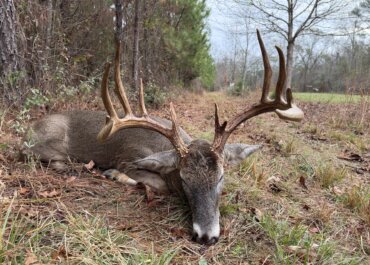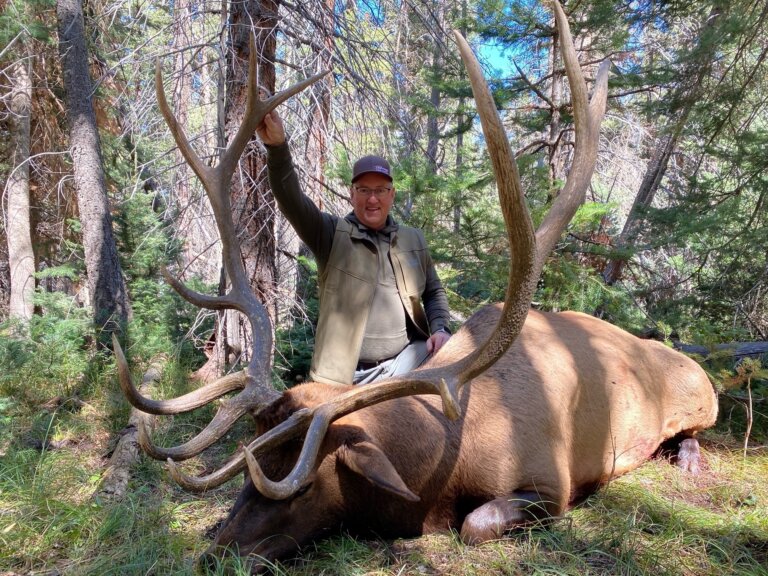
Colorado stands out as a premier destination for hunters, offering a variety of limited-entry tags for eight big game species, encompassing numerous units and all hunting seasons: archery, muzzleloader, and rifle.
In 2024, Colorado will release a record number of tags for non-resident hunters targeting sheep, elk, and deer, establishing its status as a top choice for big game enthusiasts. Regardless of your experience level, Colorado promises an adventure for every hunter.
The array of choices and the application process can be daunting, but we’re here to simplify the selection process and provide insights into the 2024 season. For further queries, don’t hesitate to reach out. We’re always excited to help you plan your ultimate hunting trip.
How the Draw Works
Tags for elk, deer (whitetail and mule deer), antelope, and black bear are allocated using a true preference point system. You can build one point per year for each big game animal. This means that whoever applies with the most points for a particular hunt is awarded that tag. For example, if you have five points, you will always draw ahead of someone with three points.
Such a system can be frustrating—you do not have a chance to be drawn randomly. However, a point system is extremely predictable and allows you to plan trips years in advance. Non-residents are allocated a liberal 25% of the tags in most areas and 20% in the most sought-after areas, which is more than most states.
Moose, Rocky Mountain bighorn, and mountain goat tags are awarded using a modified preference point system. You must obtain three preference points (one point per year) to be eligible to draw. Once eligible, you could theoretically draw the first year because the system is random. For each year you are unsuccessful, a weighted point will be applied, which increases the probability of drawing the following year.
Finally, desert bighorn tags are a 100% random, lottery-style draw. You do not need to secure loyalty points to be eligible to receive a tag. In Colorado, you must choose between bighorn species (Rocky or desert). You cannot apply for both.
2024 Outlook by Species
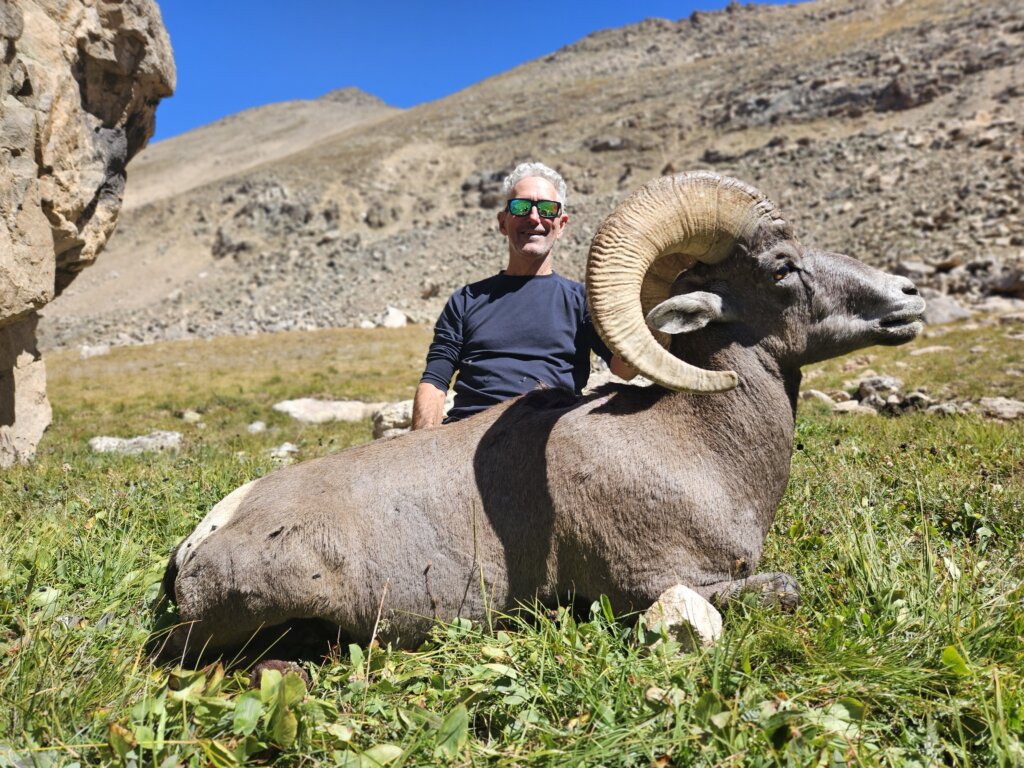
Rocky Mountain Bighorn
Bighorn sheep populations in Colorado are stable and the Centennial State also offers the most non-resident ram tags in the West. Applying for this hunt is truly a no-brainer.
15 units offer rifle tags and 5 are available for archery tags. One important note: draw odds are monumentally improved for those willing to apply for the archery-only pool. Keep in mind that almost every sheep hunt in Colorado will be physically demanding, but with high odds of success, especially for those willing to go on guided hunts.
Desert Sheep
There aren’t a lot of these tags to go around. In fact, in Colorado, only one non-resident desert ram tag will be available for 2024. Since you cannot apply for both species, the vast majority of applicants apply for the Rocky tags. If you need a Desert to finish your slam or simply do not want to build loyalty points, you should consider this option.
Moose
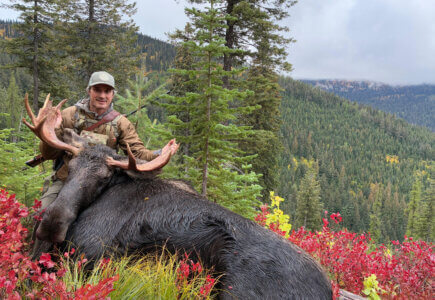
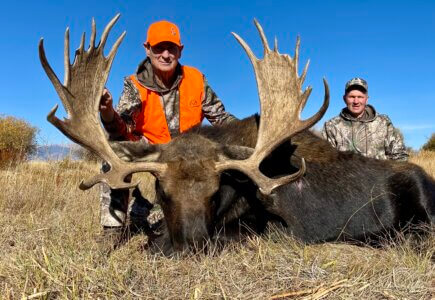
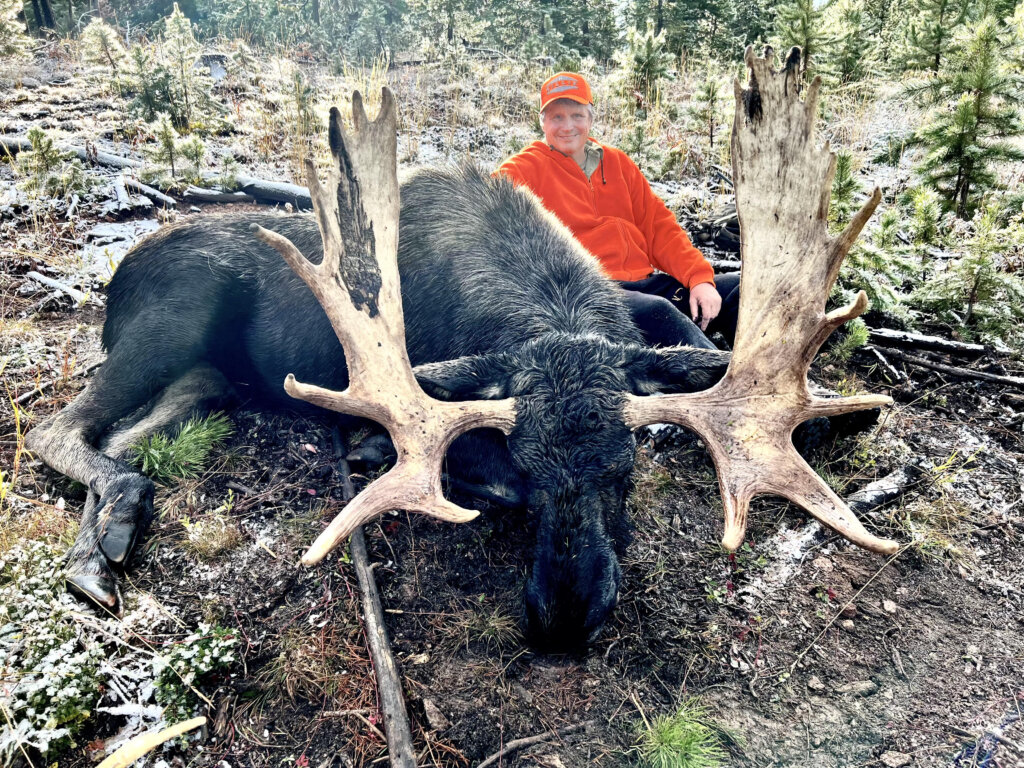
Shiras moose populations continue to boom in Colorado, meaning more new units are available to hunt every year. If you’re looking for a trophy B&C Shiras moose, it’s wise to consider Colorado. While some units have seen a decline in trophy production in past years, a few have seen a surge. Colorado produces truly remarkable bulls each year and this is a must-apply state for anyone looking to hunt a Shiras.
Mountain Goat
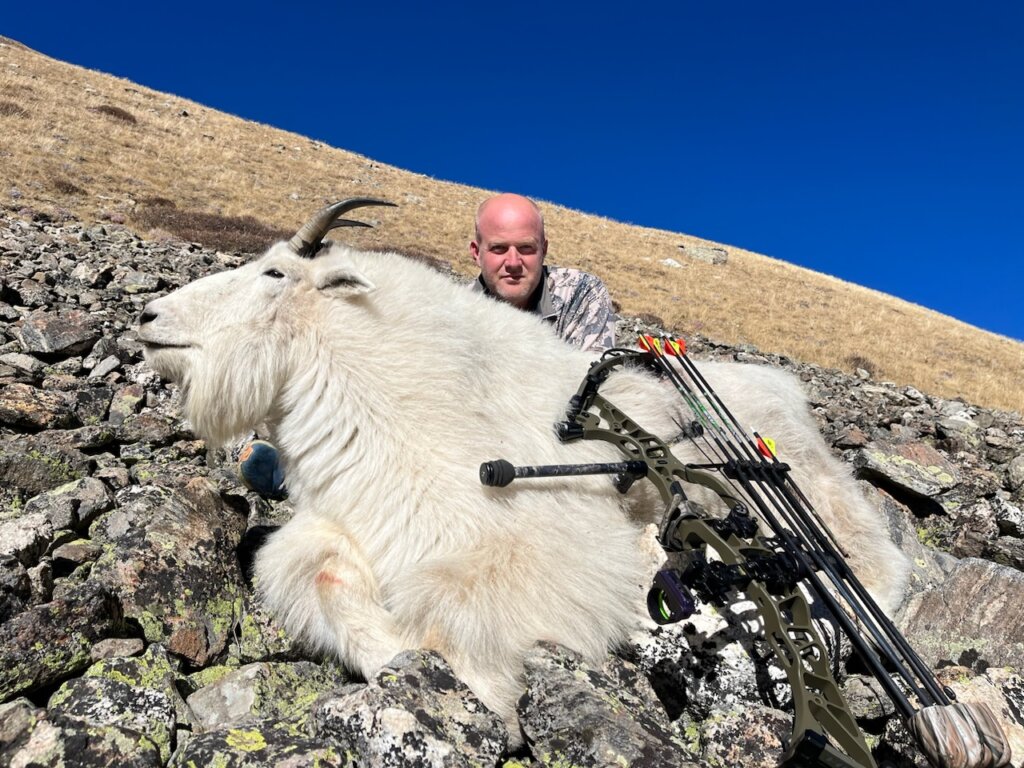
There will be a very small reduction in the total number of goat tags in Colorado for the 2024 season. This reduction appears to be temporary, as populations have rebounded in a couple of areas.
Colorado provides hunters with a great opportunity to harvest a representative mountain goat trophy. Rifle and archery-only tags are available to non-residents.
Important note: If you are not partial, consider applying for the nanny tags—this will increase overall draw odds for this amazing animal.
Elk
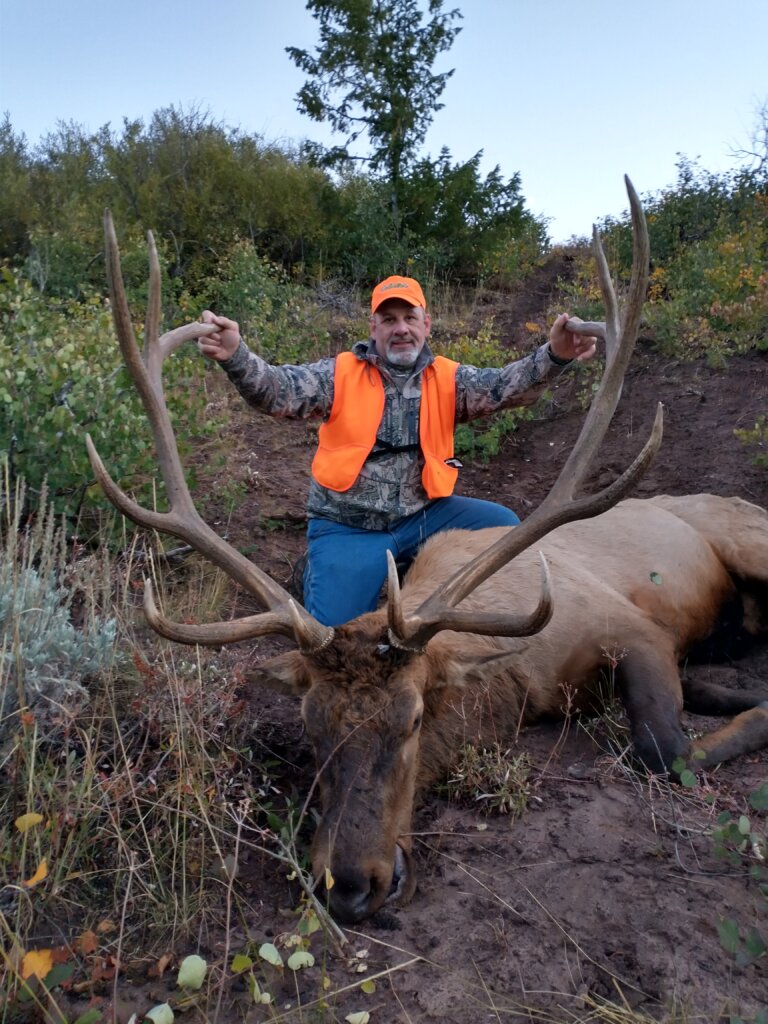
The 2022–2023 winter was tough on elk populations in parts of Colorado, especially the migratory herds in and around the Craig/Meeker area. The state has responded by shortening rifle seasons and eliminating certain OTC rifle tags for public land hunts. However, outside of this area, herd numbers saw minimal, if any, decline, and overall range conditions have been excellent.
Colorado should not be considered a trophy bull elk state outside a handful of units. Most of those trophy-producing require 20+ points to draw. However, there are opportunities to hunt private land with fewer than 10 points.
Important note: It appears that over-the-counter archery elk tags will be eliminated in 2025. If you are a bowhunter who plans to hunt elk in Colorado someday, it would be wise to obtain a preference point in 2024.
Deer
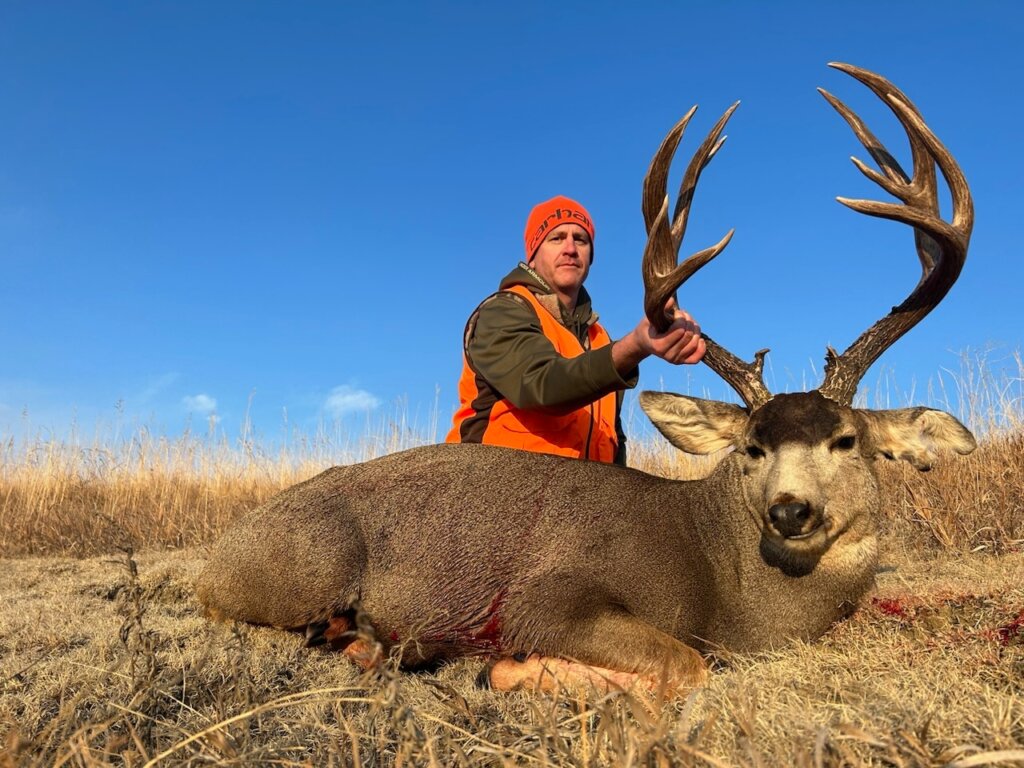
Mule deer numbers and quality have decreased across the state of Colorado (some areas more than others). With that in mind, it has never been more important to have up-to-date and accurate information about deer units in Colorado.
The 2023 season was tough on mule deer, primarily due to warm weather and bucks rutting in areas that are difficult to hunt. This isn’t all bad as it means there will be some great mule deer bucks around for those lucky enough to draw in 2024. This year might be the year to deer hunt in Colorado.
Current recommendations lead us to believe that Colorado will revert to a more difficult deer season structure on the Western Slope starting in 2025. Consequently, 2024 might be the time to cash in those valuable preference points and go on a deer hunt.
Colorado’s eastern plains have also seen a decline in deer numbers but, due to most of the ground being private, you can still find pockets of excellent hunting. Archers in search of trophy bucks should have a plains hunt on their short list of locations. Liberal archery seasons with ideal topography create the ideal opportunity for big mule deer with a bow. Having an outfitter is almost mandatory for hunting muleys on the plains. Be prepared to book years in advance.
Additionally, a plains hunt is also possible for whitetails. Trophy quality deer, coupled with the unique ability to spot-and-stalk hunt, make for an appealing opportunity for the whitetail deer hunter.
Antelope
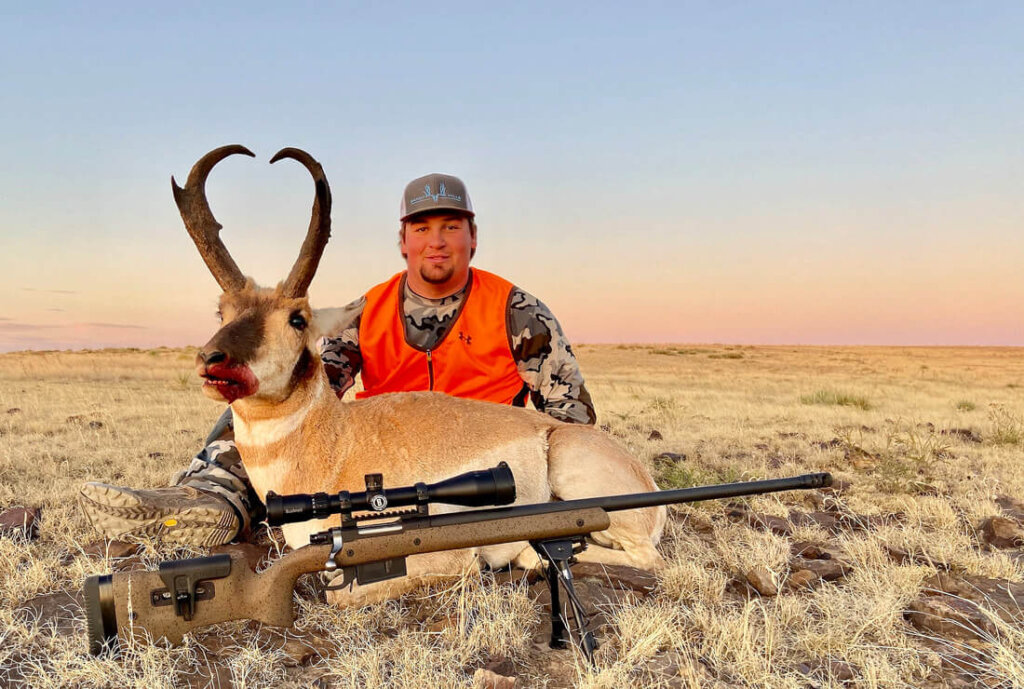
Pronghorn antelope can be found in many areas across the state, including a few unique places in the mountains. The largest concentrations of antelope are found in eastern Colorado. Here you will find representative trophies with the occasional mega-trophy.
Tags can be drawn with as few as two points with other areas requiring six or more. The best hunts in the state will take 20+ points. This is due to extremely limited quotas, which makes for very enjoyable experiences and chances at great bucks.
Black Bear
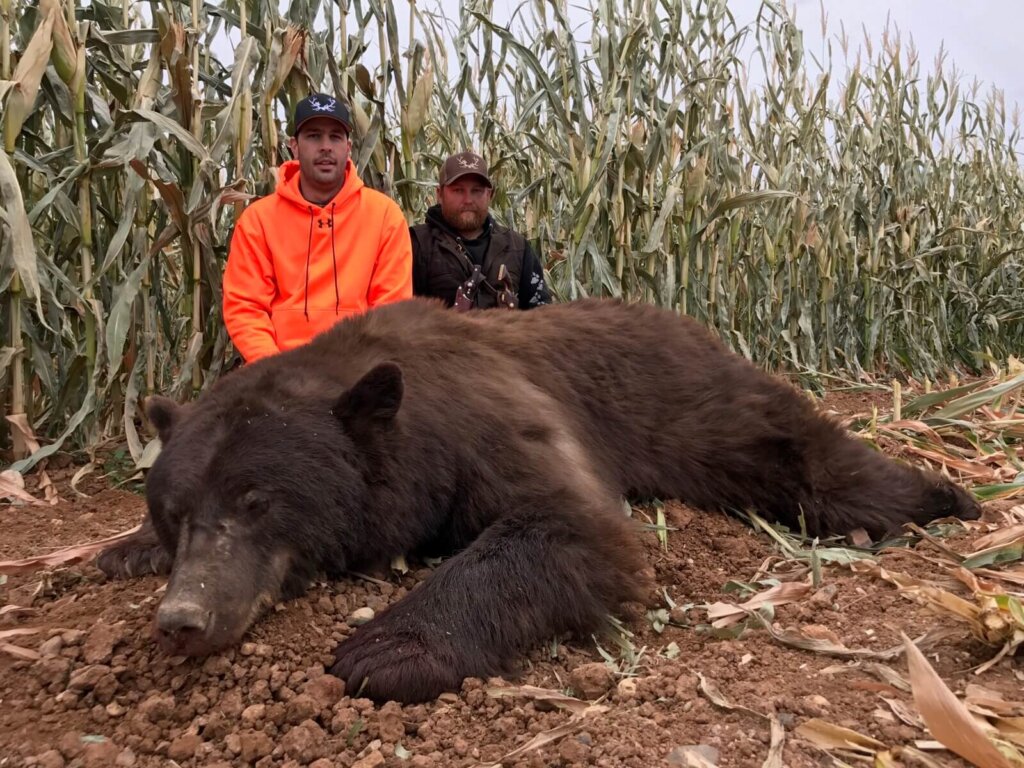
Black bears are found throughout the central and western portions of Colorado, with densities varying greatly depending on habitat. Hunting over bait or with dogs for bears is illegal in Colorado so bear hunters spend their time spot-and-stalk hunting.
Tags are easily obtained, typically requiring 2–4 points for quality hunts. Moreover, using a bear tag as an opportunity to spend time in the woods during the middle of the September elk rut is an excellent overall experience.
Whether you’re an avid hunter with 20+ preference points for each species or have never applied, Colorado can be a fantastic destination for your next big game hunt. This information should get you started, but a call with one of WTA’s TAGS consultants will be the best next step. Our TAGS consultants hunt across the state of Colorado each year and will provide you with the highest level of consultation available. Call 1-800-755-8247 today or fill out this brief questionnaire and we’ll contact you.