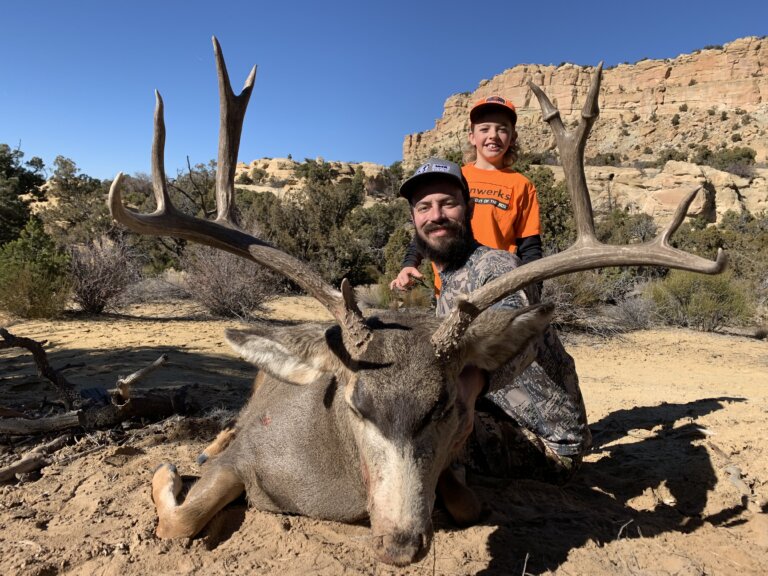
The topic of youth application strategy has recently dominated many of the conversations I have had with clients of WTA TAGS. As a dad to three boys, this is a subject that naturally excites me as well as keeps me up at night pondering ideas and countless scenarios. The insight provided in this piece is meant to be thought provoking, but one must understand this is my strategy, it is not a “one size fits all” situation and must be tailored to each individual.
Apply early & apply often is the adage I live by when the discussion of drawing tags for youth hunters arises. By this I mean, you should apply as soon as they are able to legally do so and apply in as many states, for as many species as possible (within logical reason). When this thought process is conveyed to clients for the first time, naturally the following Q & A will take place-
Question: “When can my kids start applying for tags?”
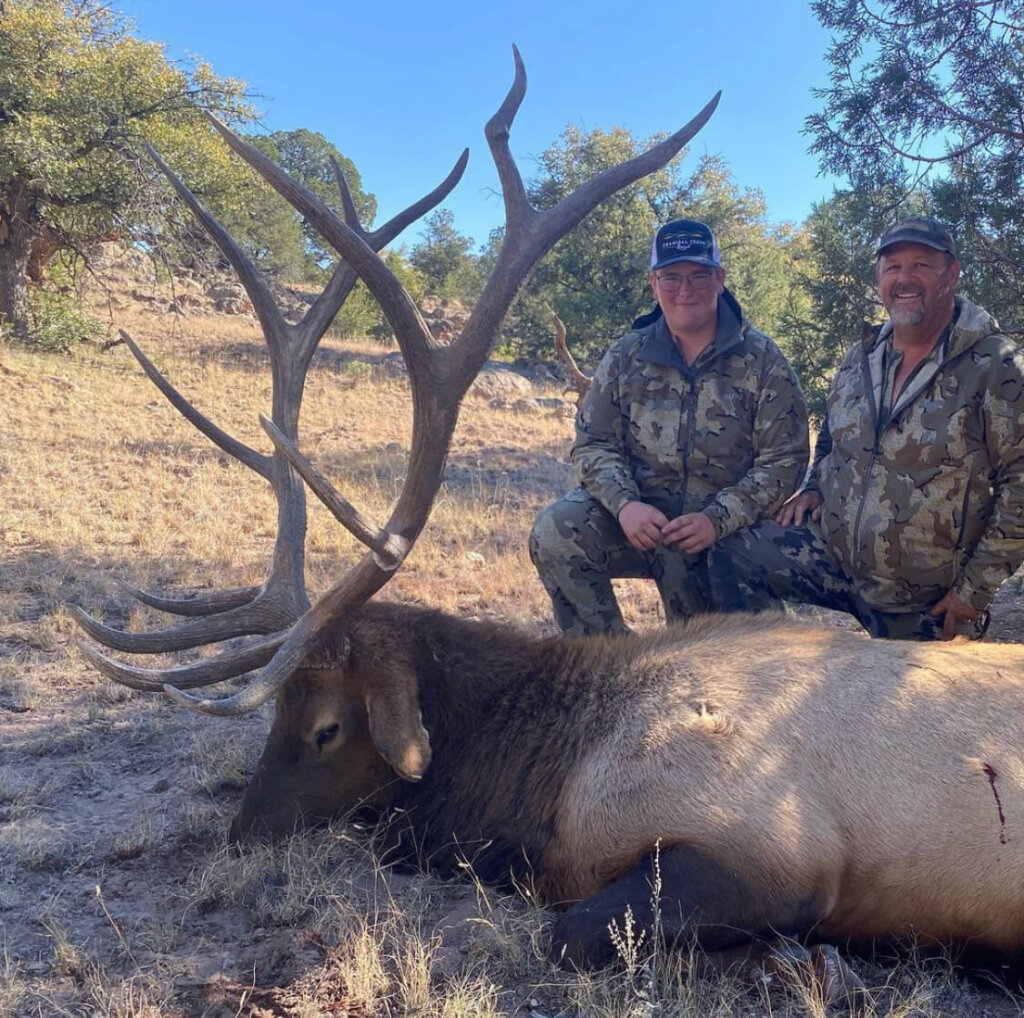
Answer: Kids can begin applying into a handful of states once they’ve completed a Hunter’s Safety course, regardless of age. Of these, the most prominent state to actually hunt is New Mexico. New Mexico offers youth-only tags, for every species, in the premier areas, over the very best season dates. This is a MUST APPLY state for all youth hunters looking to obtain a tag.
Question: “When can my kids start building points?”
Answer: Kids can begin building points in Montana at six months old, but in most other western states, it is 10 or 12 years old. A Hunter’s Safety Card is required in certain states to build points. By only building points you have zero chance of drawing and this is often a wise strategy due to the heavy demand of early adolescence. For instance, you could start applying for your child when they are 10, but not plan to hunt until they are 16-17. Bottom line, if your child has the desire to hunt at some point, building points can only be a good thing that will pay off in the future.
Question: “Using this strategy, what are the odds my child will draw a tag?”
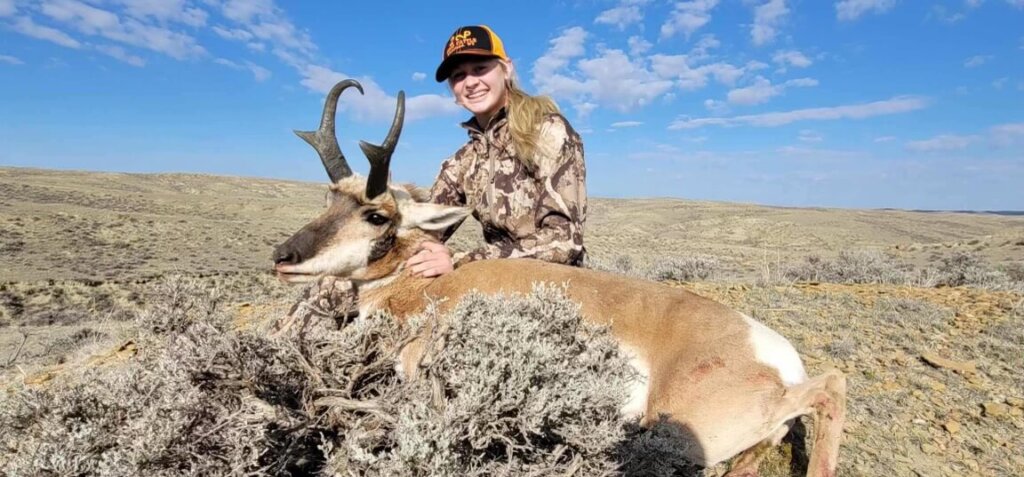
Answer: This is difficult to answer, as a multitude of factors play into the odds, but it is not uncommon for youth clients, that utilize the WTA TAGS service with this approach, to draw at least one coveted tag prior to turning 18.
Question: “What if we draw more than one tag?”
Answer: This is a realistic concern, but highly unlikely due to the fact your TAGS Consultant is cautious of where to apply youth applicants. The number of tags you would like your children to draw per year must be discussed with a Consultant to ensure they have your best intentions in mind. Our focus at WTA TAGS, for youth hunters, is on top tier units that will provide a hunting experience that fuels a young sportsman’s love for the outdoors.

Question: “What is this going to cost me?”
Answer: Valid question, but tough to answer, as this will vary greatly depending on individual circumstances. You must remember that the overall fixed costs (fees charged by each particular state) are, in most circumstances, drastically reduced for youth applicants. Couple this with the fact WTA TAGS does not charge any service fees for youth applications (as long as their parent/guardian is an active TAGS client) and the best caveat, TAGS will float the license fee at the time of application, and it is financially feasible to become extremely aggressive in terms of overall applications. Broadly speaking, a large and aggressive portfolio of applications for kids through WTA TAGS will cost $500-$700. This will maximize your child’s chance of drawing a tag in the present as well as set them on a path for drawing the premier tags across the West later in life.
The old saying, “time flies”, truly is an understatement when it comes to our kids. This statement is sad but true and only emphasizes how valuable the window of opportunity is to spend time with our kids in the great outdoors. Do your children the favor of beginning to apply and start building their valuable bonus points today. By doing so you will be setting them down the path of drawing high-quality hunts for a lifetime. The professional team at WTA TAGS looks forward to assisting you and your family. Please give us a call and ask to speak with a Consultant. They will be able to discuss all of the details associated with youth applications and ensure the correct application strategy is in place. Our office line is 800-755-TAGS(8247). We look forward to assisting you.