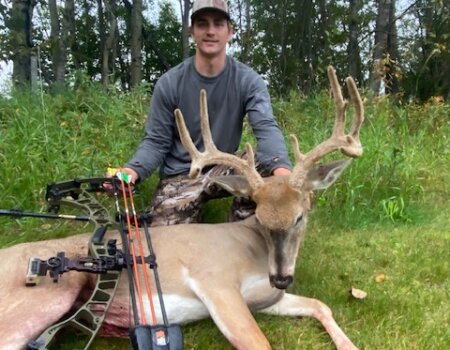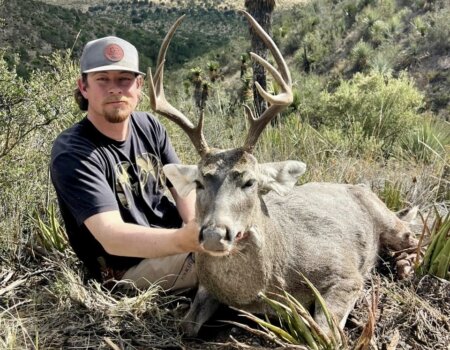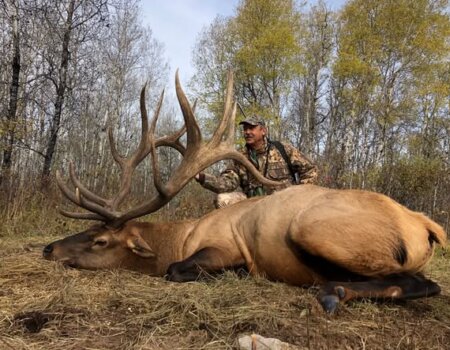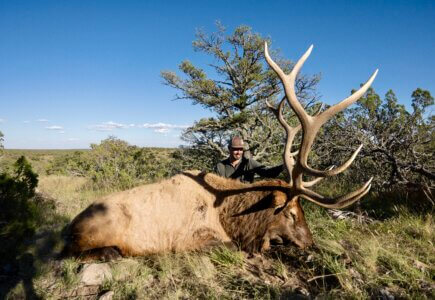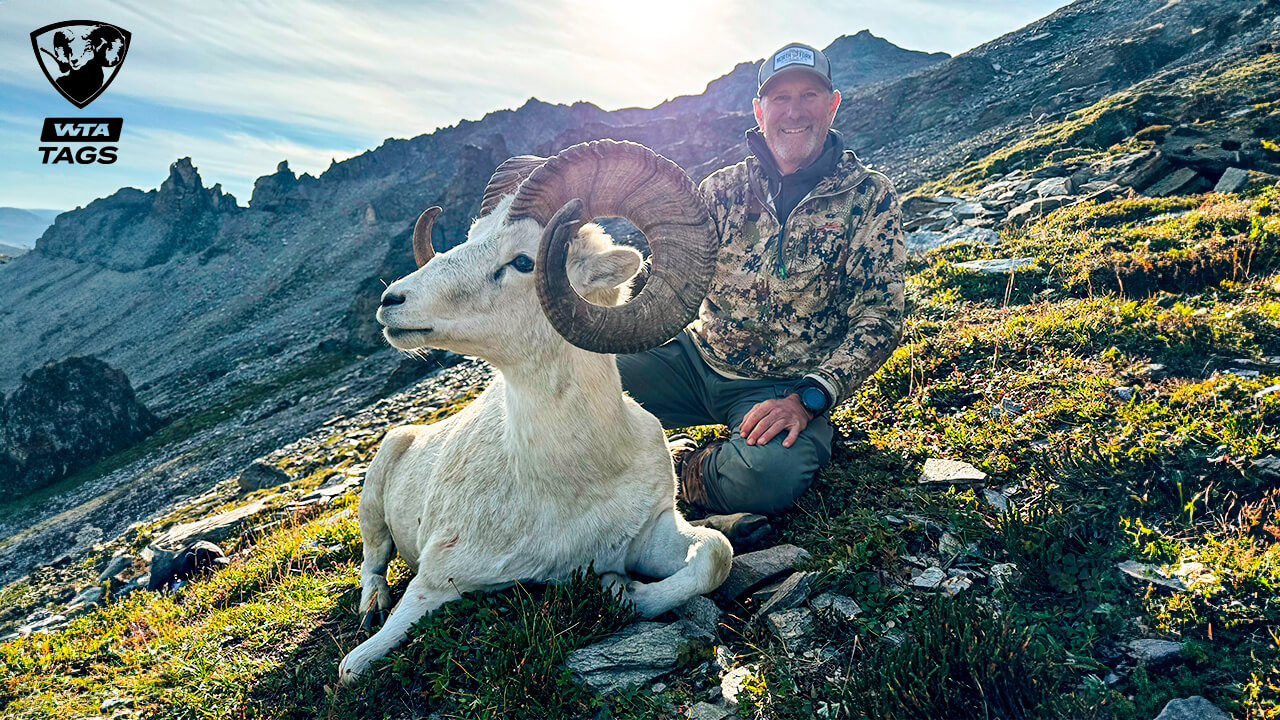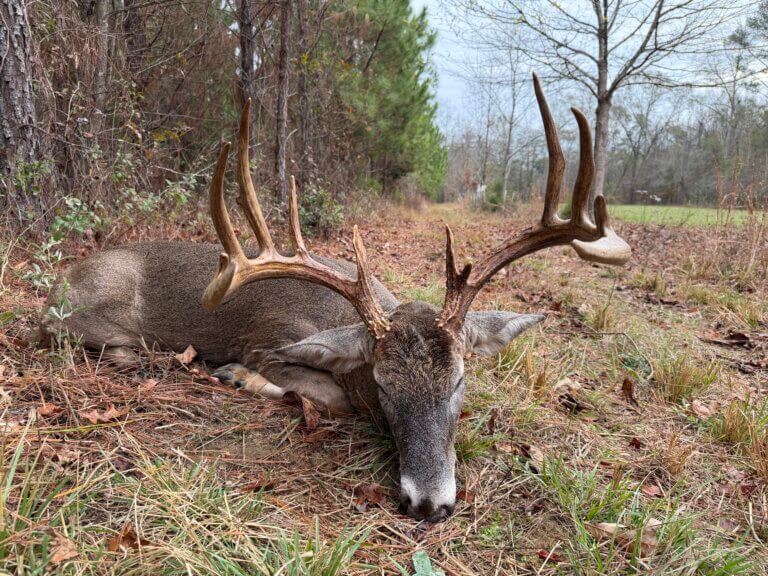
Estate hunting, often referred to as high fence hunting, is one of the most misunderstood segments of the modern hunting landscape. The term can carry strong assumptions, but those assumptions rarely reflect the reality of what these hunts actually involve.
At its core, estate hunting offers hunters access to large, privately managed properties where wildlife is carefully stewarded, and hunting opportunities are predictable, efficient, and highly successful. These hunts are not intended to replace traditional public-land or limited-entry experiences. They are meant to provide an alternative option for hunters with specific goals, time constraints, or physical considerations.
Understanding estate hunting begins with recognizing how the properties operate and what the experience looks like on the ground.
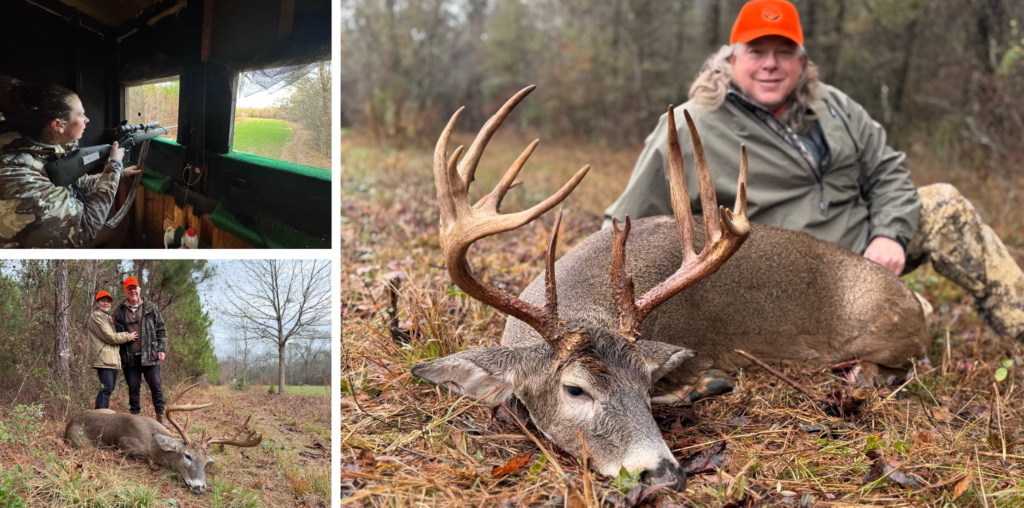
What Defines an Estate Hunt?
Estate hunts take place on privately owned ranches or preserves enclosed by a perimeter fence. These properties can range from several thousand acres to well over 100,000 acres, depending on location, species, and management model.
Within these boundaries, wildlife populations are actively managed year-round. Landowners and outfitters focus on habitat improvement, water development, herd health, genetics, and balanced harvest rates. The result is a stable wildlife population with a strong age structure and consistent hunting opportunity.
Because animals remain on the property, outfitters can offer hunts with a very high harvest probability. In many cases, hunters can pursue specific age classes, horn characteristics, or species that would otherwise require years of applying or limited-entry permits.
What the Experience Is Actually Like
One of the most common misconceptions about estate hunting is that animals are easily located and harvested quickly in a confined space. In reality, many estate properties are vast, and hunters may never see the perimeter fence during their hunt.
These ranches often feature diverse terrain of rolling hills, timber, brush country, open plains, canyons, and river bottoms, allowing animals to behave naturally. Hunters glass, stalk, track, and pass animals just as they would on large private ranches or expansive Western properties.
Once on the ground, the hunt feels far more like a traditional spot-and-stalk or guided private land experience than what many imagine when they hear the term “high fence.”
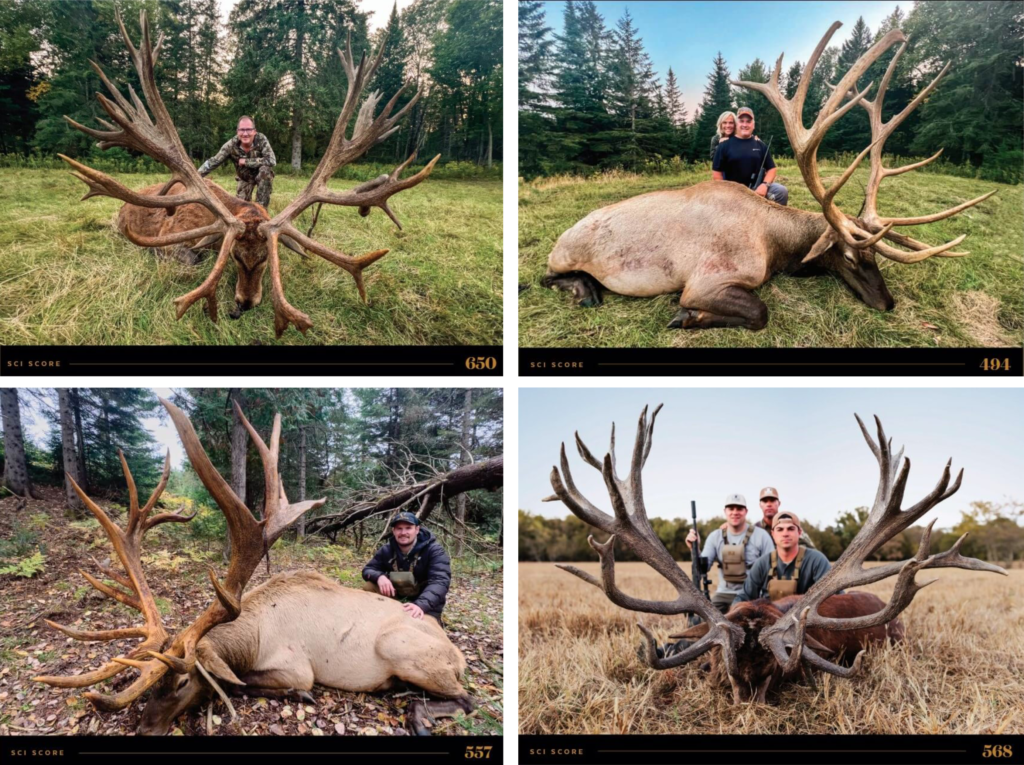
Acknowledging Different Hunting Preferences
Animals within a fenced property are not free-ranging in the traditional sense, and many hunters feel this fundamentally changes the nature of the hunt. For those whose personal satisfaction comes from beating long odds, navigating public land pressure, or spending years building points and waiting for a once-in-a-lifetime tag, estate hunting may hold little appeal.
That perspective is valid and also highlights an important truth: hunting means different things to different people.
Estate hunting exists not as a replacement for other hunting styles, but as one option among many.
Why Hunters Choose Estate Hunts
Hunters pursue estate hunts for a variety of practical reasons.
Time certainty is a major factor. Many hunters have limited vacation windows and want confidence that their time in the field will result in the opportunity to harvest an animal. Estate hunts allow hunters to plan well in advance with a clear understanding of what the experience will deliver.
Physical accessibility is another key consideration. As hunters age or manage injuries, steep terrain, extreme weather, and long pack-outs become barriers. Estate properties often offer vehicle access, shorter stalks, and terrain that can be matched to individual ability without sacrificing the core hunting experience.
Others are motivated by specific goals, such as harvesting a mature animal, introducing a new hunter to the sport, or pursuing species that are otherwise difficult to access domestically. Estate hunts allow for a focused, intentional approach that aligns expectations between hunter and outfitter.

Wildlife Management and Stewardship
Estate hunting is closely tied to intensive wildlife management. Many properties invest heavily in habitat enhancement, water infrastructure, supplemental feeding programs, and population monitoring. These efforts support healthy animals and sustainable harvest levels year after year.
In addition, estate hunting can reduce pressure on public lands and over-the-counter units by offering an alternative for hunters who might otherwise compete for limited tags or overcrowded areas.
While the management model differs from public land systems, it’s still rooted in conservation principles and long-term sustainability.
Setting Clear Expectations
One of the most important aspects of estate hunting is transparency. Hunters considering an estate hunt should clearly understand:
- Property size and terrain
- Species availability and management goals
- Harvest expectations and success rates
- Hunt style and physical requirements
When expectations are aligned, estate hunts can consistently deliver exactly what they are designed to offer: a controlled, high-quality hunting experience with exceptional animals and reliable opportunity.
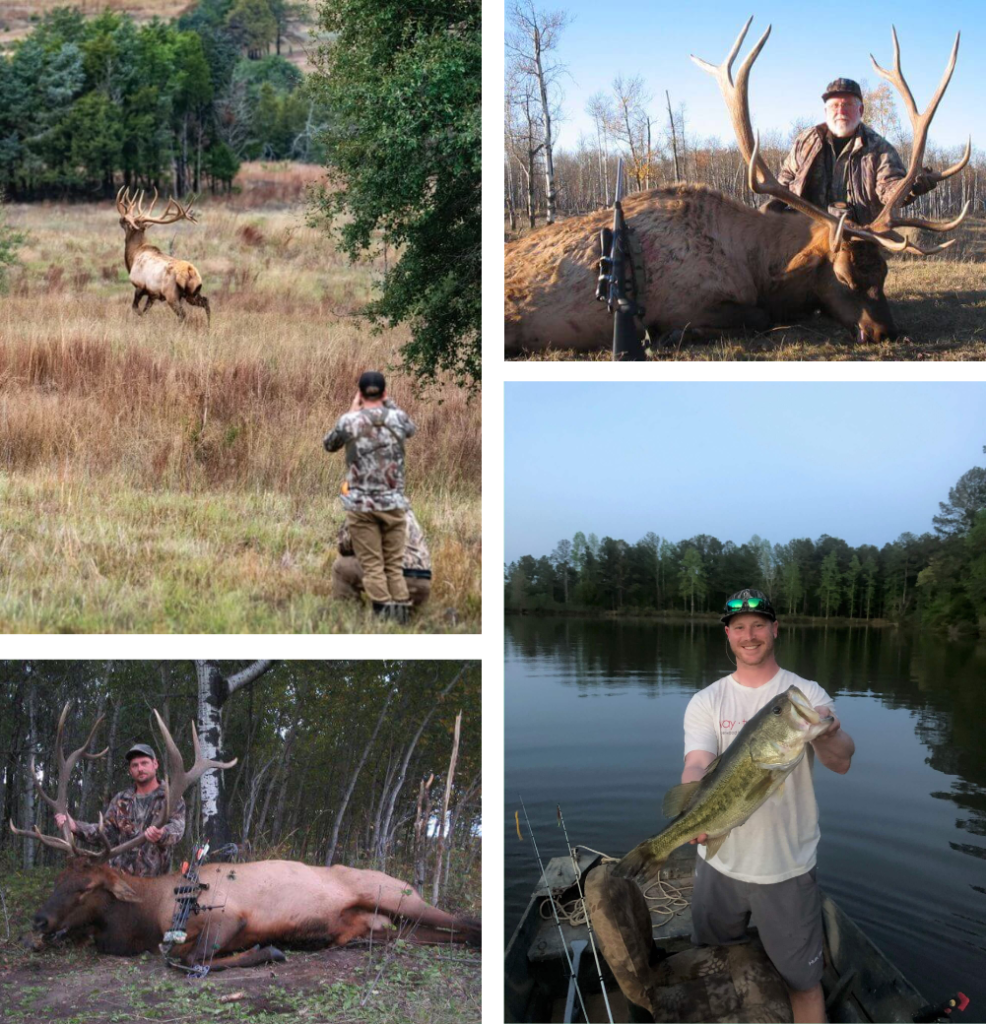
Final Thoughts
Estate hunting occupies a distinct place within the broader hunting world. It is not meant to replace traditional hunts, public land experiences, or limited-entry tags. It provides a legitimate and valuable option for hunters who seek efficiency, accessibility, and predictability.
By focusing on what estate hunting is rather than what it is not, hunters can decide whether it fits their goals, values, and stage of life.
As with all hunting opportunities, the key is to understand the experience, set realistic expectations, and choose the path that brings the most fulfillment in the field.