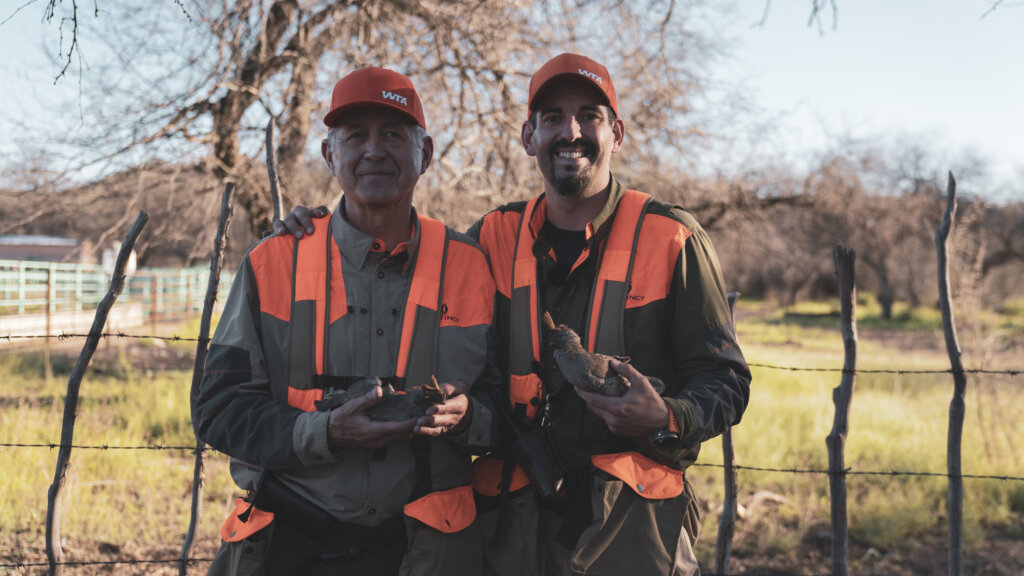


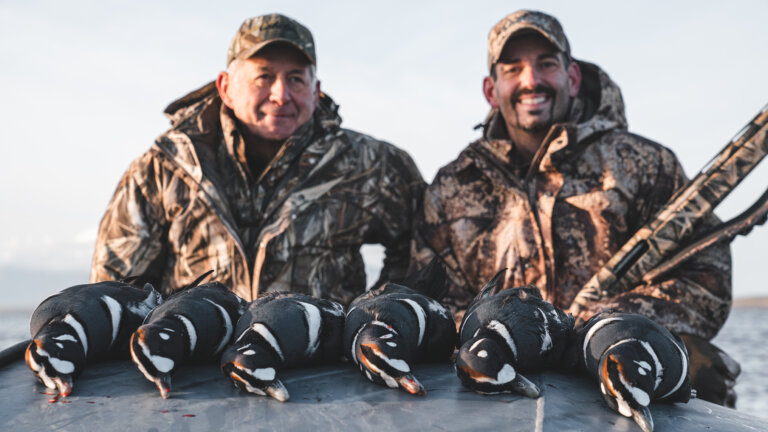
It was late February 2020 and the world we live in had changed within a matter of days. Little did we realize the extent to which these changes could potentially restrict the passions we pursue and traditions we enjoy. Mark’s dedication and perseverance would become increasingly essential in achieving his goals in a challenging new world full of restrictions and COVID tests.
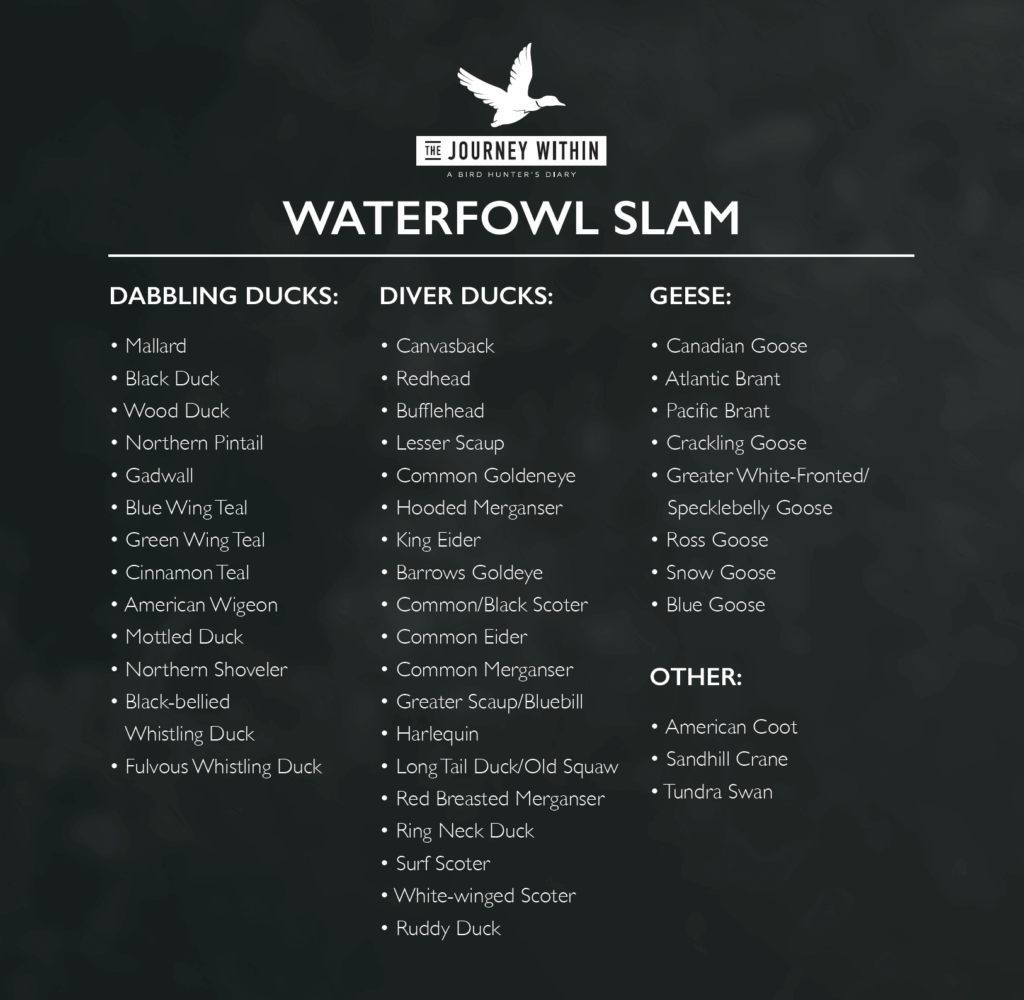
Mark had just completed the North American Upland Slam. He had harvested the last of the twenty-seven species required and we came home to Michigan for a break before he started his spring 2020 hunting seasons. Then, COVID put Mark’s 2020 hunting goals at risk as the world went into lockdown. Days turned to weeks and the opportunity for Mark’s planned hunts were in jeopardy. During the months of March and April, while the world was trying to understand what the next steps for containing the pandemic were, Mark started planning from his home office in Michigan. Never one to sit and wait, Mark laid out plans to achieve the North American Waterfowl Slam in a single hunting season. This accomplishment involves harvesting all forty-three North American waterfowl species.
Working with his team at Worldwide Trophy Adventures (WTA), Mark started making tentative plans for dates and hunt locations. He was hoping that by fall 2020, Canada would open back up to hunters and he could start his Waterfowl Slam in Saskatchewan with Lance and Emily Robinson at Goose Haven and Safari River Outfitters.
Spring moved to summer and there were few encouraging news reports. Hunts outside of the United States were being canceled and moved to the next year. The Canadian border was closed and it did not sound like it would be open in the fall. I encouraged Mark to wait until the 2021-2022 season because Canada was key to successfully hunting many of the required species. Knowing that all of the COVID restrictions and lockdowns would make the task much more difficult, and maybe even impossible, Mark continued planning his hunts for the 2020-2021 season.
I was not optimistic and again encouraged Mark to wait another year. He wanted to give it a try anyway. I have learned through the years that Mark is both stubborn and lucky, so I wished him the best of luck and told him I would join him on some of the hunts. I thought the task was virtually impossible, but I also knew that Mark was determined to succeed and would give the Waterfowl Slam one hundred percent of his effort.
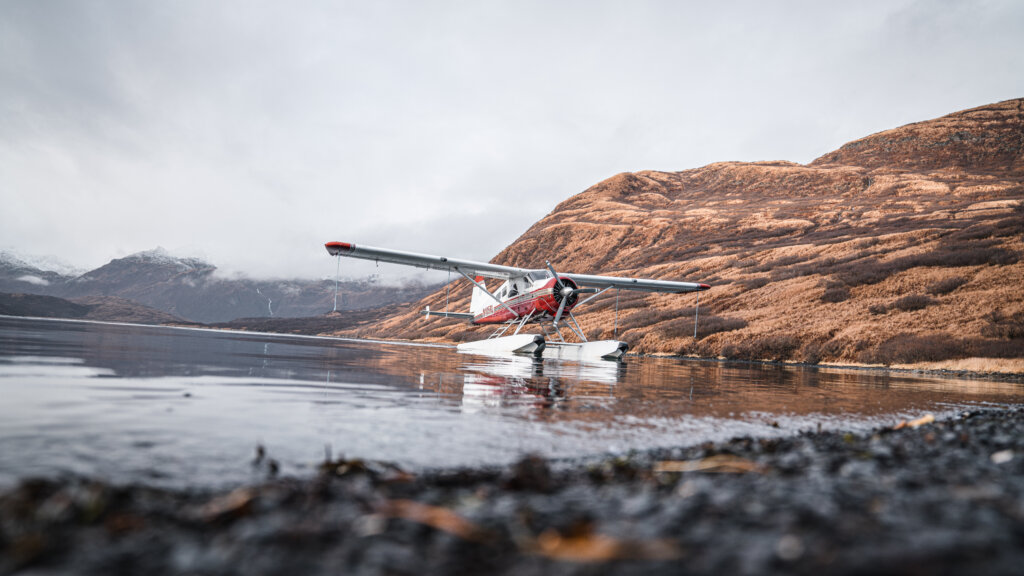
Travel proved to be much more difficult with all of the restrictions and necessary COVID tests. The first trip in his quest was to Cold Bay, Alaska, in October. Bad weather struck the area the week before we arrived and many ducks moved south before we had a chance to hunt them. The overall bag of species was less than expected. As Mark moved through the various hunt locations, weather-related problems were constantly impacting hunts. The waterfowl had just “left the week before.”
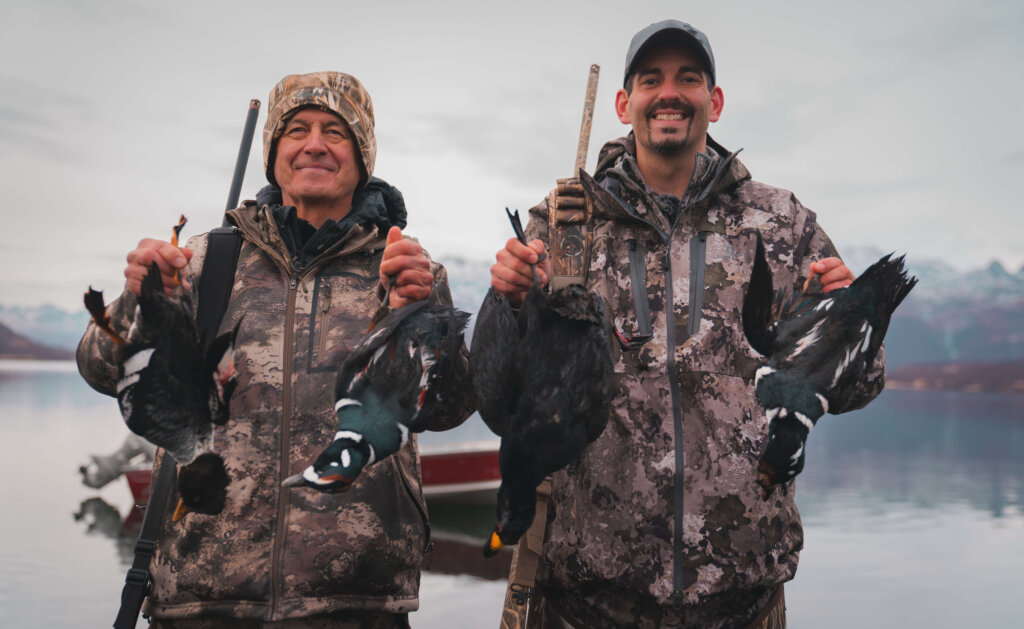
Mark had target species at each of the hunt locations. Unlike normal waterfowl hunts, he was after a specific species rather than a limit of birds. In Cold Bay, he had to get a Cackling Goose, and he did. In Kodiak, Alaska, he needed a Barrow’s Goldeneye, which he got. Oftentimes the targeted species wasn’t to be found, so second and occasionally third hunt locations had to be added. It was a challenge, and almost seemed impossible at times, but Mark never hesitated and certainly never felt he wouldn’t achieve his goal
In the weeks to come, we will be sharing in detail Mark’s quest to complete the North American Waterfowl Slam in a single season. You will see how determined he was to be successful. It wasn’t until his last scheduled hunt in March that he knew whether or not his determination and stubbornness would pay off.
Get a sneak peek, watch this preview:


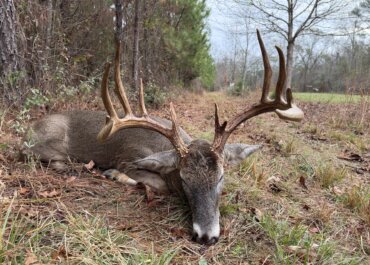
Estate hunting, often referred to as high fence hunting, is one of the most misunderstood segments of the modern hunting landscape. The term can carry strong assumptions, but those assumptions rarely reflect the reality of what these hunts actually involve.
At its core, estate hunting offers hunters access to large, privately managed properties where wildlife is carefully stewarded, and hunting opportunities are predictable, efficient, and highly successful. These hunts are not intended to replace traditional public-land or limited-entry experiences. They are meant to provide an alternative option for hunters with specific goals, time constraints, or physical considerations.
Understanding estate hunting begins with recognizing how the properties operate and what the experience looks like on the ground.
Estate hunts take place on privately owned ranches or preserves enclosed by a perimeter fence. These properties can range from several thousand acres to well over 100,000 acres, depending on location, species, and management model.
Within these boundaries, wildlife populations are actively managed year-round. Landowners and outfitters focus on habitat improvement, water development, herd health, genetics, and balanced harvest rates. The result is a stable wildlife population with a strong age structure and consistent hunting opportunity.
Because animals remain on the property, outfitters can offer hunts with a very high harvest probability. In many cases, hunters can pursue specific age classes, horn characteristics, or species that would otherwise require years of applying or limited-entry permits.
One of the most common misconceptions about estate hunting is that animals are easily located and harvested quickly in a confined space. In reality, many estate properties are vast, and hunters may never see the perimeter fence during their hunt.
These ranches often feature diverse terrain of rolling hills, timber, brush country, open plains, canyons, and river bottoms, allowing animals to behave naturally. Hunters glass, stalk, track, and pass animals just as they would on large private ranches or expansive Western properties.
Once on the ground, the hunt feels far more like a traditional spot-and-stalk or guided private land experience than what many imagine when they hear the term “high fence.”
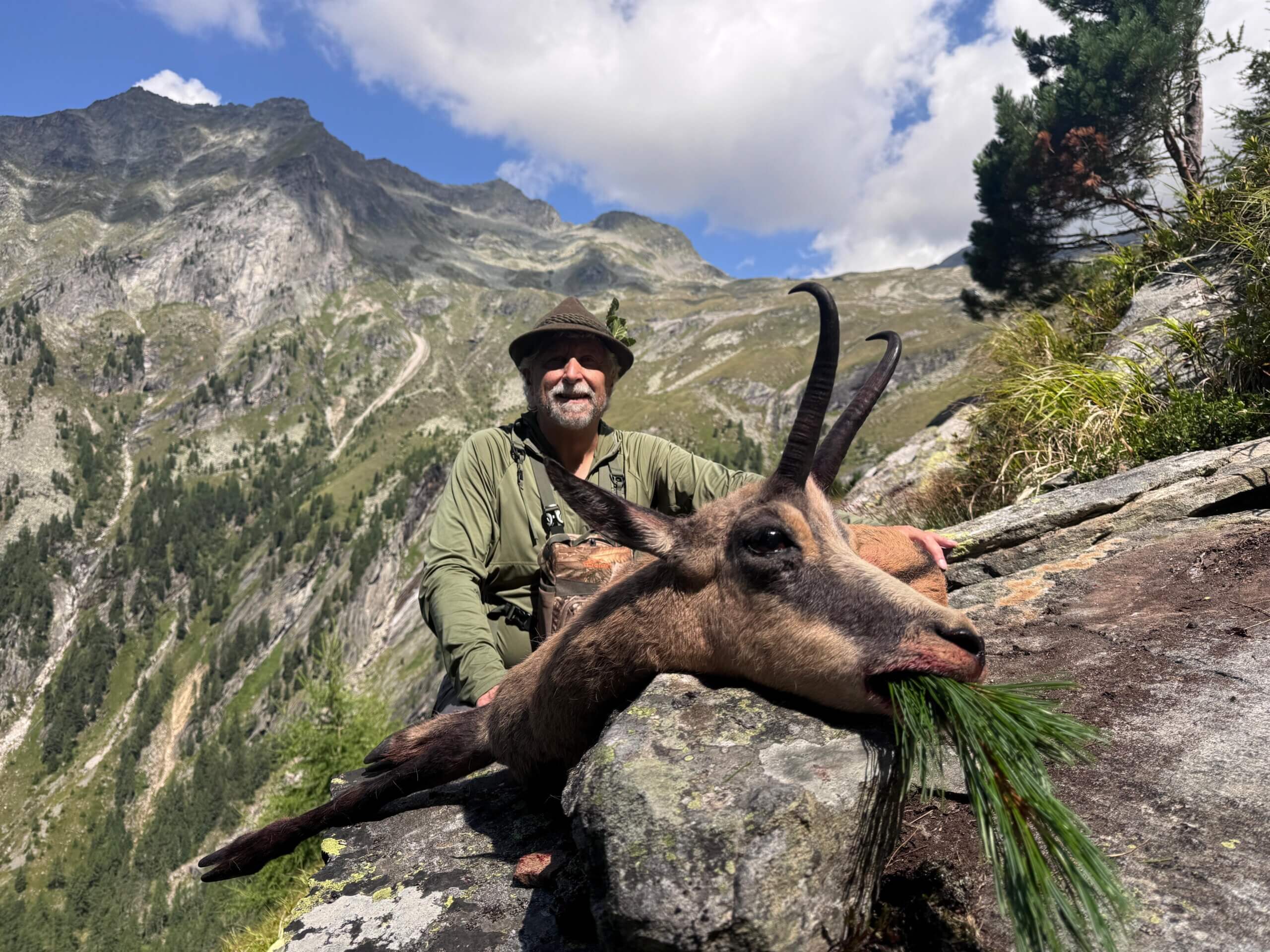
When hunters think of the ultimate adventures, Africa and Alaska are usually at the top of the list. Yet tucked away in Europe is a world-class hunting experience that most never know enough about to wish for. It’s a mistake, one I made myself for years, until a recent trip to Slovakia opened my eyes to what hunting in the Old World is truly like. In Europe, centuries of tradition reshape your thoughts about international hunting.
My group of seven rolled into Slovakia in early August, the perfect time for the roe deer rut. We had booked five tags per person through WTA, which initially made me nervous. How could taking that many animals be sustainable? But game management in Europe works on an entirely different level. Their wildlife departments track populations down to individual animals, maintaining detailed records unlike anything we have in the States. They issue licenses based on precise population data, and in many areas, they still need to conduct additional culls because game numbers are so healthy.
The hunting itself felt foreign yet familiar. Watching roe bucks chase does across open ag fields reminded me of hunting pronghorn during the rut. We watched as bucks chased does miles over the horizon, only to return and chase more. We would use the standing corn and sunflower rows for cover, glassing open areas where roe deer congregated on clover and alfalfa food plots.
The guides knew every ridge and valley, pointing out where certain bucks lived and separating solid trophies from medal-class deer. Some mornings started at 3 a.m., with hunters in position before dawn. While some stayed afield all day, others slipped back to the lodge for a late-morning feast and rest before the evening hunt.
The hunting was amazing, and we were not limited to roe deer. Once we arrived, we learned that we could add mouflon and red stag to our hunt. Wild boar roamed the same areas. Come September, fallow deer would be available as well. It’s a mixed-bag type of hunt, where you can customize your hunt on the fly.
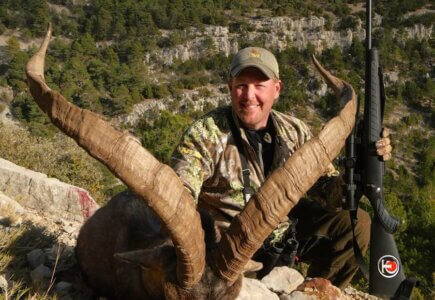
The mouflon hunting took us into mountains that could have been transplanted from Montana. We parked at the end of a logging road and stalked through timber, glassing for those distinctive curved horns. On one stalk, we heard an odd noise: two mouflon rams butting heads. Following the sound, we intercepted a bachelor band of rams, all jostling and sparring as they moved through the forest. When the biggest ram separated from the group at 70 yards, I made my shot at a free-range animal that had lived wild in these mountains for years.
The quality of the animals shocked everyone. Multiple hunters took mouflon that exceeded expectations. One member of our group dropped a 320″ red stag that wasn’t even on our radar when we planned the trip. These aren’t high-fence operations—this is free-range hunting across extremely varied terrain.
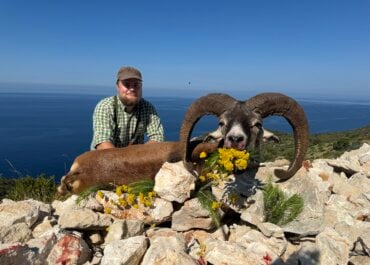
Croatia may be best known for its thousand-plus Dalmatian islands and historic cities like Dubrovnik, but it’s far more than a sightseer’s paradise. This diverse country also ranks among the world’s premier hunting destinations—rivaling Spain and Africa in both variety and quality of game. From the lowlands along the Danube River where some of Europe’s largest red stags reside, to the rugged mountain ranges that harbor massive brown bears, to the coast where mouflon roam, Croatia offers hunters an incredible range of hunting opportunities. Croatia has long been one of WTA’s most popular destinations. And it just keeps getting better!
Here are some of the top choices, beginning in the north and stretching south to cover the full breadth of the country.
Worldwide Trophy Adventures offers a jewel in the Dinaric Alps. This hunting lodge is one of a kind. One of our most popular destinations sits just west of Zagreb, near the town of Ogulin. Our beautiful four-bedroom lodge sits in a secluded forested area surrounded by a variety of species. The surrounding woods hold brown bear, red stag, fallow stag, mouflon, wild boar, roe deer, and more. A world-class staff, excellent meals, and personable guides await your visit above the Adriatic Sea.