Heads up, Alaska hunters! One of the most exciting application deadlines of the year is approaching fast. December 15 is the final day to apply for Alaska’s limited-entry big-game tags.
Results of the draw will be posted in mid-February, and those lucky enough to get drawn will be headed in the fall of 2022 to the Last Frontier, Land of the Midnight Sun or whatever nickname you prefer for the great state of Alaska. And what I like about the February notification is you’ll have plenty of time to prepare, plan and daydream about the hunt.
While WTA TAGS offers application services for almost every big-game species in Alaska, here are three of our favorite tags to apply for this time of year.
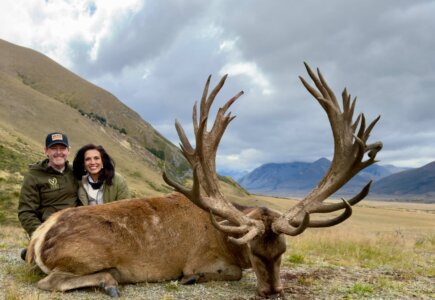
Roosevelt Elk
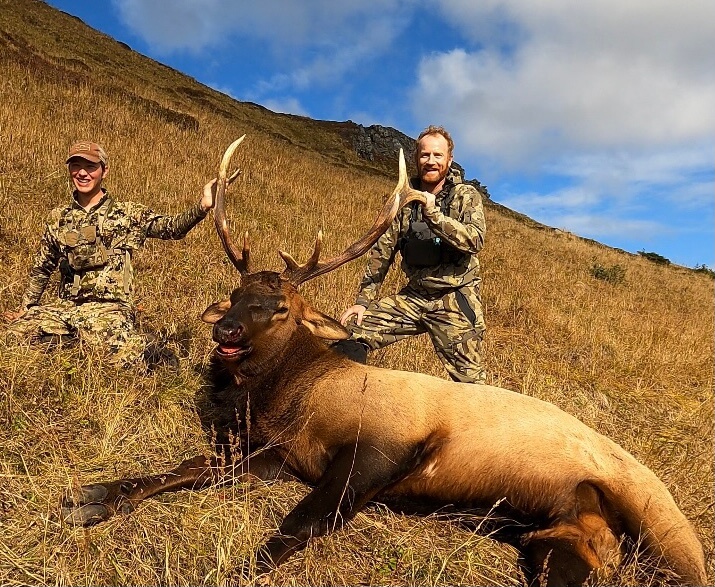
I’ll start with this relatively rare and absolutely majestic species – Roosevelt elk! It is probably the tag, and the adventure, we are most excited about here inside the offices of WTA TAGS. Roosevelt elk are the largest-bodied of all elk species, and land high on the list of largest land mammals in North America. This past season was epic for our successful applicants who hunted the wind-blown capes of Afognak Island for these massive bulls, which can weigh from 700 to 1,100 pounds. Picture this. You’re on a comfortable 64-foot yacht with awesome captain and crew, excellent cuisine, ducks, deer, fish, crab pots and, oh yes, let’s not forget the incredible experience of hunting for Roosevelt elk. With reasonable drawing odds at roughly 1-in-10, any sportsman wanting a Rosey and/or a memorable Alaskan experience should apply for this awesome tag.
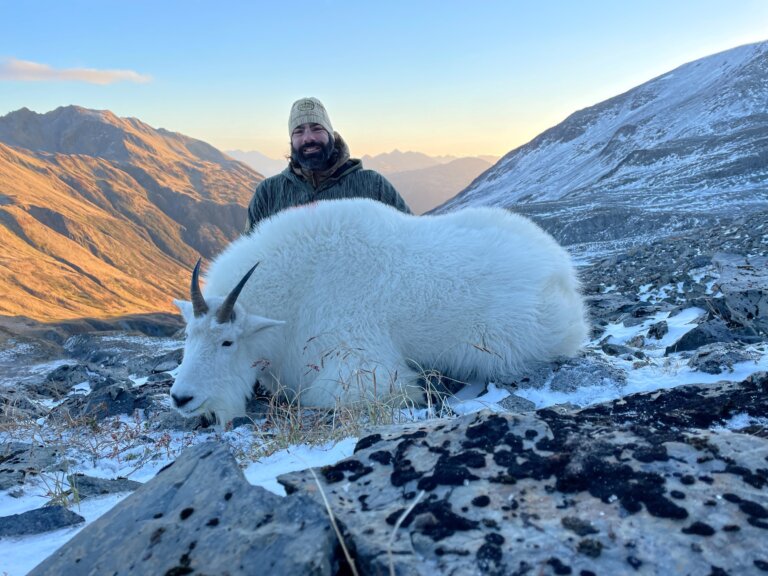
Mountain Goat

This is an oldie but goodie. We have been offering this mountain goat hunt on Kodiak Island for many years and the hunting just seems to be getting better. This very well could be Kodiak’s pinnacle time period to chase goats. If you are prepared to handle a true backpack-style adventure up in the rugged alpine country, your chances of harvesting a mature billy are unrivaled. Maybe the most appealing aspect to this Kodiak Island adventure is its price point. Coming in south of $10,000, this hunt is, well, you will not find a better value anywhere in Alaska or northern Canada for mountain goats. Roughly one in four WTA TAGS clients have been successful in this draw.
Barren-Ground Caribou
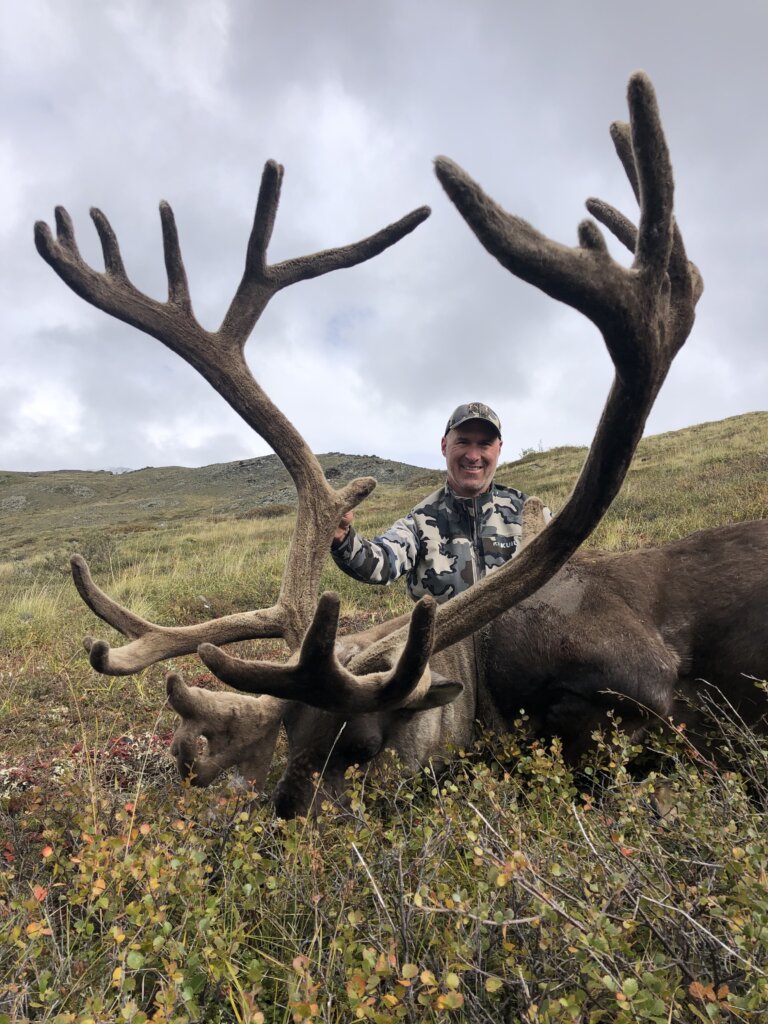
I have hunted in Alaska many times and a few years ago I drew this incredible caribou tag. This hunt could very well be the Alaskan adventure I have enjoyed most. Covering ground trying to find a good bull with the rugged peaks of the Alaska Range as our backdrop was just incredible. We looked over hundreds of bull caribou as the adventure unfolded. On the second morning I harvested a beautiful white-maned bull that would probably score in the mid-300s. I truly believe if I had more time I eventually would have come across a book head (400” B&C all time). This particular draw area is considered by most to be the very best hunting for the barren-ground sub-species of caribou. Nothing else even compares. This is not the easiest tag to draw, so make sure you are applying each and every year.
While these are our three favorite Alaska tags, remember WTA TAGS can also handle your applications for Dall sheep, brown bear and moose. The key is to contact us well in advance of Alaska’s December 15 application deadline.
Hunting in The Last Frontier should be what dreams are made of but often these dreams turn into nightmares. Alaska is an enormous state – 2.5 times larger than Texas – and, naturally, only a small percentage of this vast land has the best big-game hunting. WTA TAGS has identified those areas and would love to help get you there. Once drawn, we can also pair you with the very best outfitter to further maximize your chances of a successful harvest.
Give us a call today at 1-800-755-TAGS (8247).