Book Your Adventure 1-800-346-8747

Montana Sheep, Moose, and Goat: May 1 Deadline

Jeremy Ivie
|  
Location: Montana

The Big Sky Country of Montana is a big opportunity state when it comes to hunting Rocky Mountain bighorn sheep, Shiras moose, and mountain goats. But to get in on these big opportunities, you must apply by the May 1 deadline. In case you’re on the fence, let me explain why this deserves major consideration.
IMG_7334-1 revised

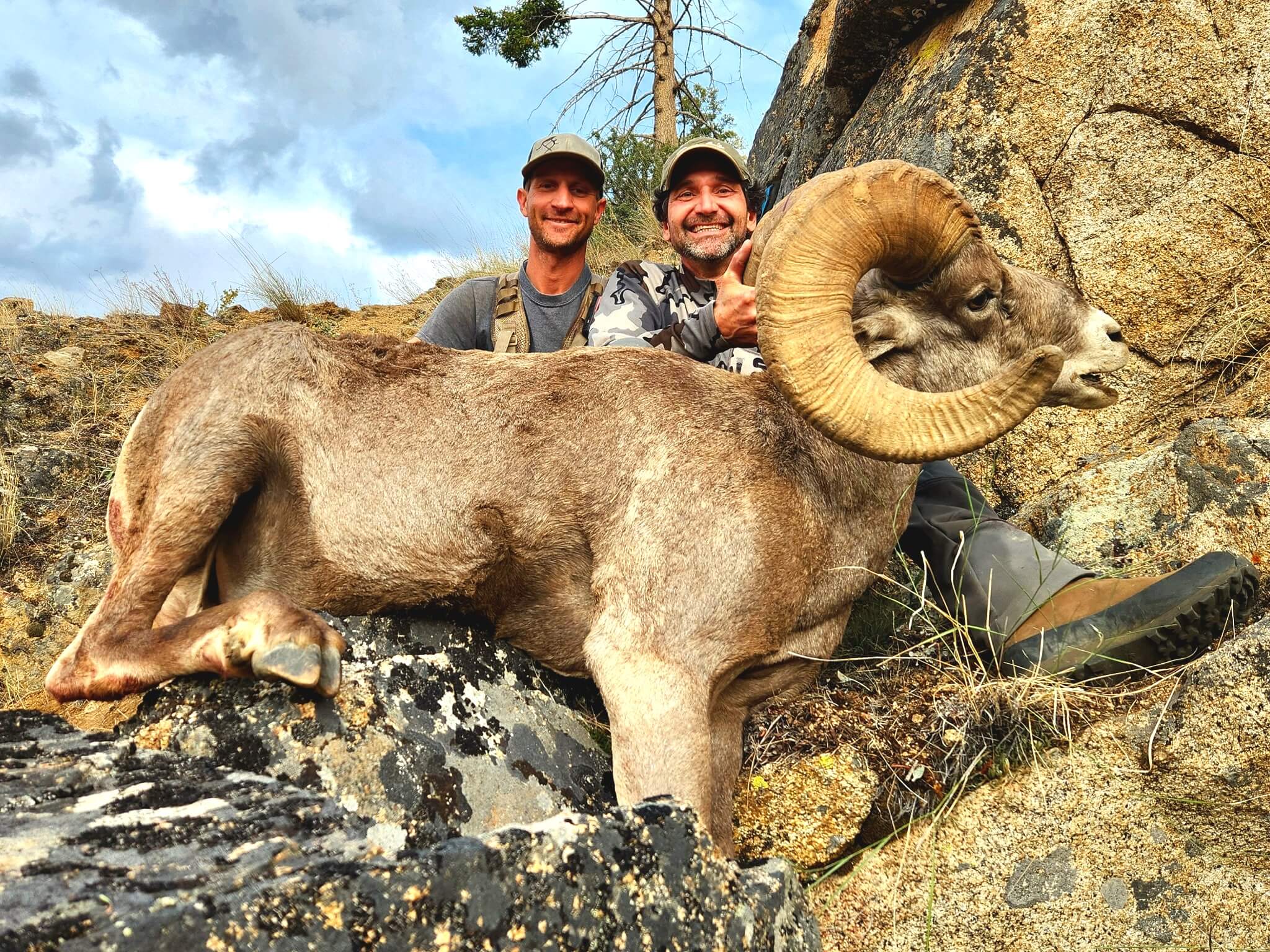
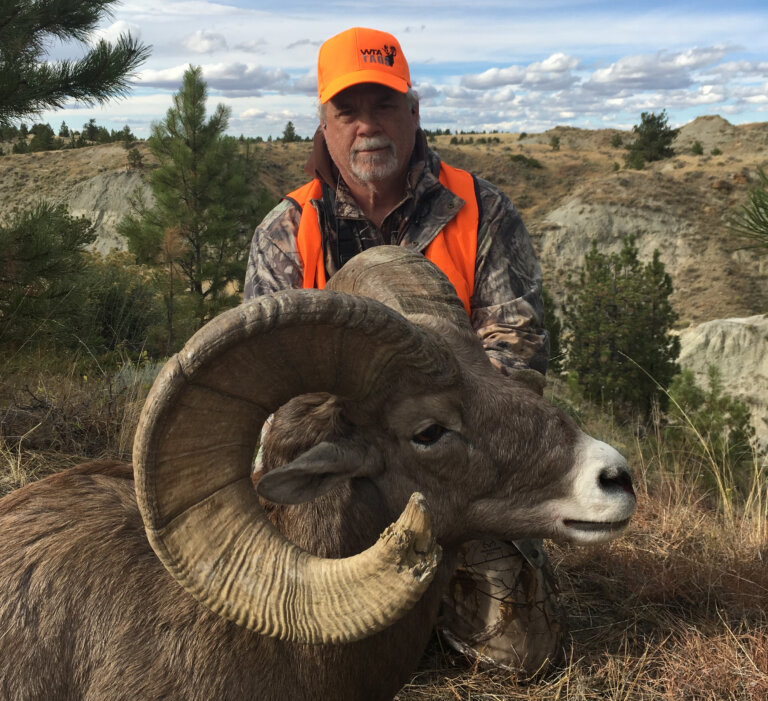
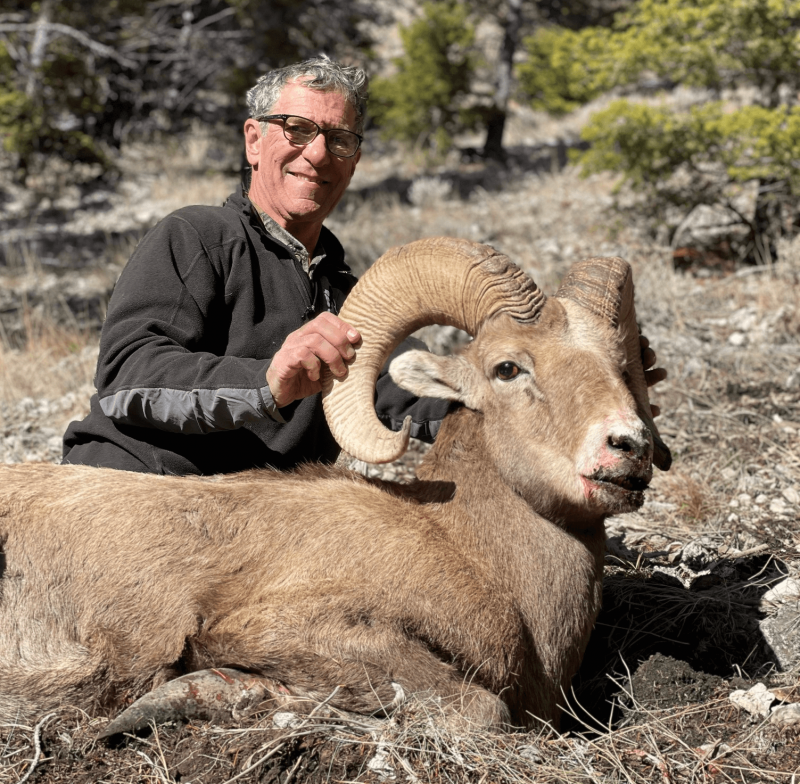
Montana offers the very best Rocky Mountain bighorn sheep hunting in North America. The three units encompassing the Missouri River Breaks offer opportunities at 190″-plus rams for those lucky enough to draw. In addition, every other unit available to non-residents this year will provide opportunities at rams exceeding the 170″ mark. See why I say Montana is the best for big Rocky Mountain bighorns?
IMG_3694

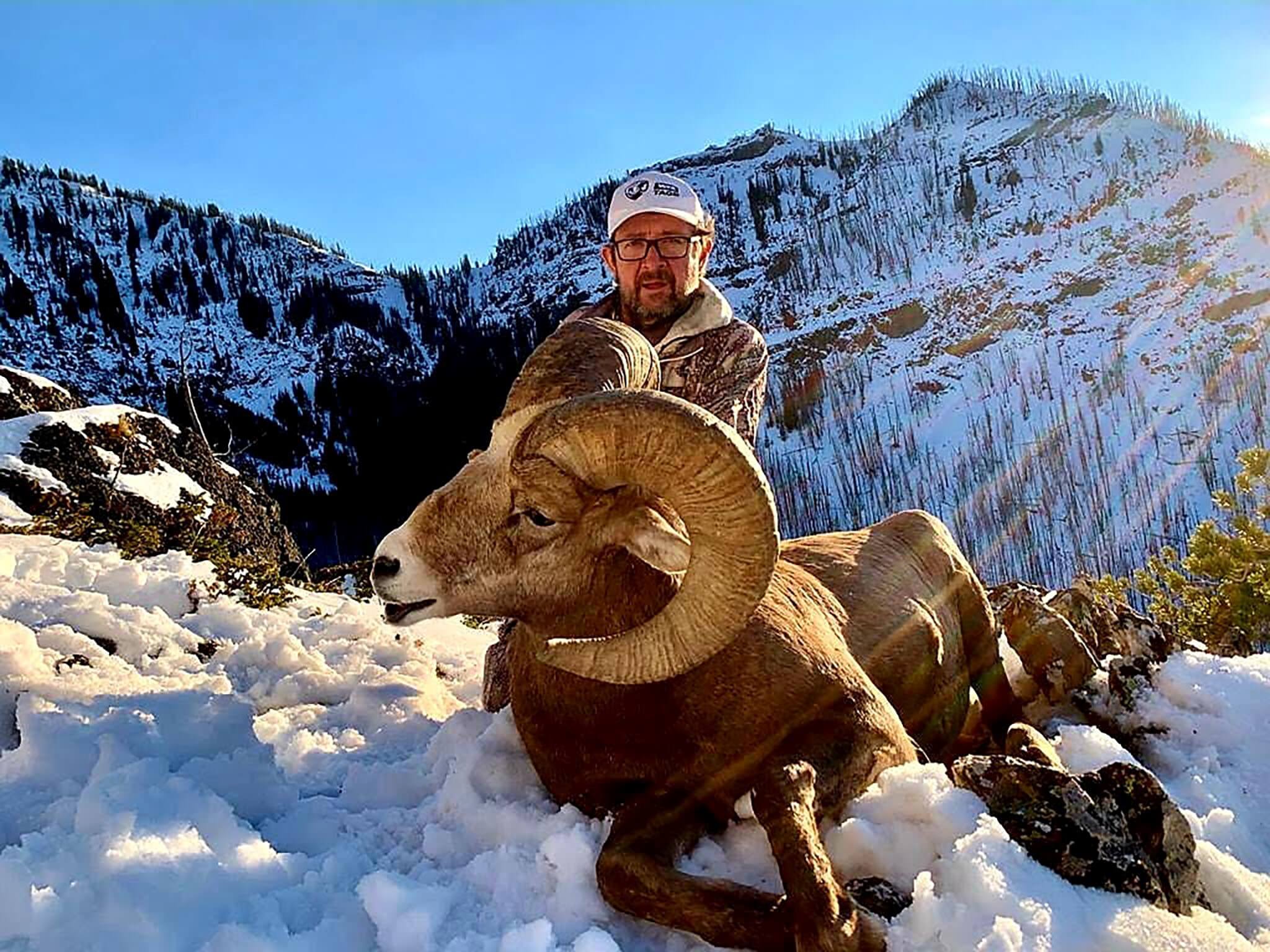
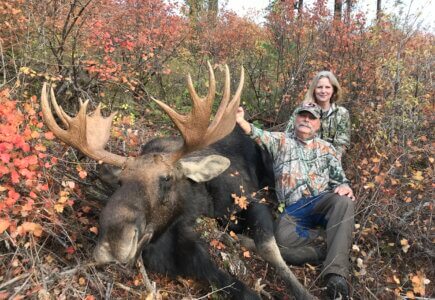
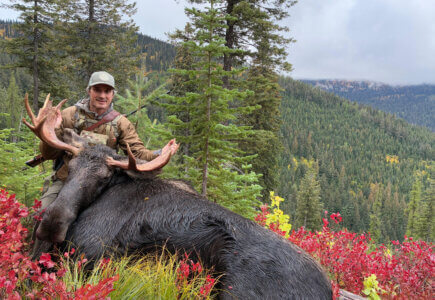
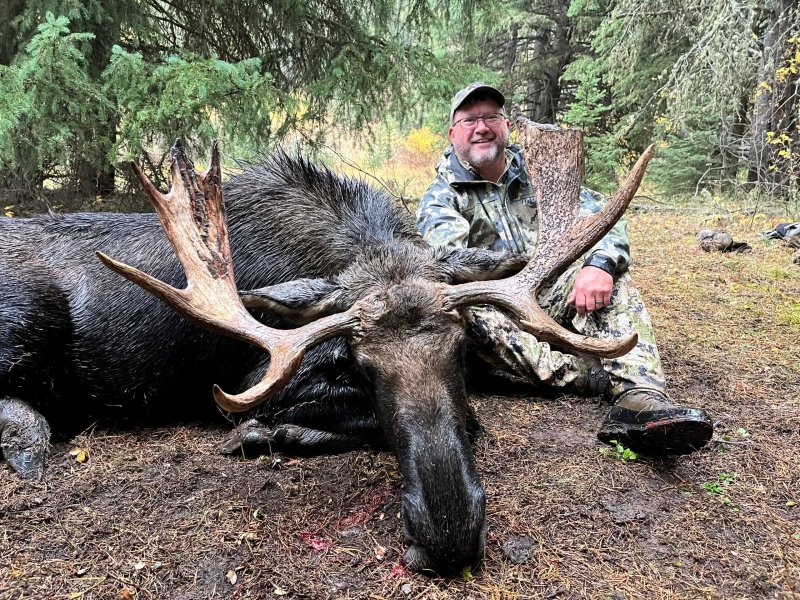
Now, on to Shiras moose. Montana is also known as a trophy Shiras moose state. To be clear, to harvest a trophy moose, you’ll must be willing and able to hunt hard and if you are, well, there are many units that offer a chance at moose exceeding widths of 40″. Good bulls can be found in most regions with hard work and a little luck.
IMG_3341 revised

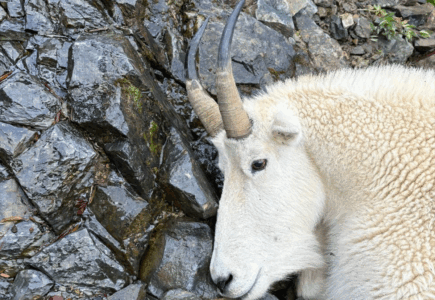
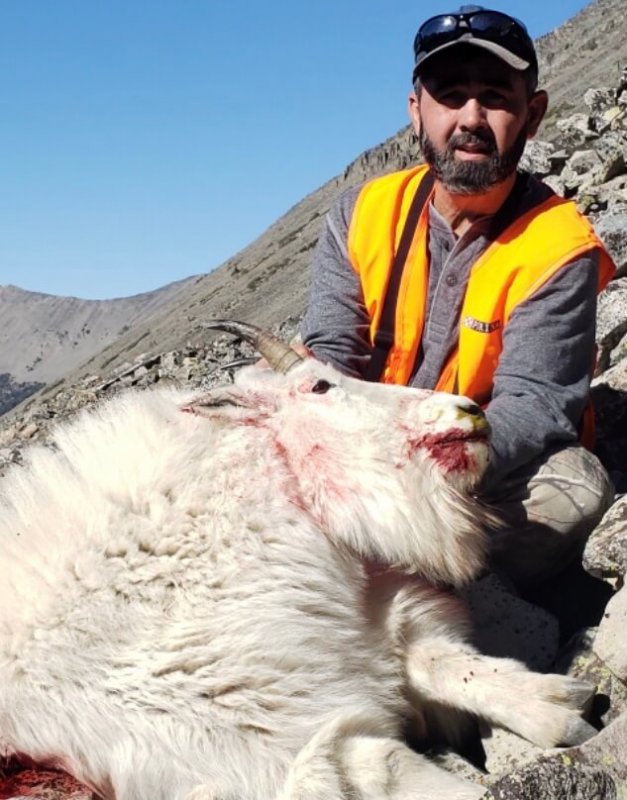
Montana also produces above-average mountain goats, with 9″-plus potential in almost every unit. With the second-most non-resident mountain goat tag allocations in the West, it is a no-brainer for goat hunters. Typically, mountain goat hunts are tough and Montana is no exception. Hunters should be prepared for a physically and mentally demanding hunt. For those up to the challenge (and lucky enough to draw), success rates on mature billies often exceed 90%.

The Montana moose, sheep, and goat draw operates on a bonus point system, and up to 10% of tags go to non-residents. Essentially, a bonus point gives you extra names in the hat. During the drawing, bonus points are squared. For example, if you have 3 bonus points, you’ll have 9 chances (plus this year’s application) to draw a tag. As you continue to build bonus points, your odds continue to increase accordingly.

With the quantity and quality of tags available for moose, sheep, and goats, I consider Montana a must-apply state for anyone with a serious interest in these trophy animals. And, if that’s not enough to convince you, consider this: The cost to apply for these three Montana species is one of the lowest in the country.

If you’re asking for my advice, and I hope you are, I believe you should highly consider applying and building points for all three animals.

Contact a WTA TAGS consultant today to discuss getting your name in the hat for one, two, or all three of these amazing tags. Don’t wait for the May 1 deadline to call 800-755-TAGS (8247) or to email for information.

Recent Articles

Popular Hunts

Draw Required
Rocky Mountain Bighorn Sheep   ·
Idaho
From 
$10,000
Outfitter #160
Draw Required
Rocky Mountain Bighorn Sheep   ·
Montana
From 
$9,000
Outfitter #000

Top Montana Hunting Trips

Draw Required
Combo Hunt
Mule Deer, Rocky Mountain Elk   ·
Montana
From 
$5,750
Outfitter #264
Draw Required
Rocky Mountain Bighorn Sheep   ·
Montana
From 
$9,000
Outfitter #000

Related Articles

Estate Hunting: A Closer Look at a Misunderstood Hunting Option

Estate Hunting: A Closer Look at a Misunderstood Hunting Option

Estate hunting, often referred to as high fence hunting, is one of the most misunderstood segments of the modern hunting landscape. The term can carry strong assumptions, but those assumptions rarely reflect the reality of what these hunts actually involve.

At its core, estate hunting offers hunters access to large, privately managed properties where wildlife is carefully stewarded, and hunting opportunities are predictable, efficient, and highly successful. These hunts are not intended to replace traditional public-land or limited-entry experiences. They are meant to provide an alternative option for hunters with specific goals, time constraints, or physical considerations.

Understanding estate hunting begins with recognizing how the properties operate and what the experience looks like on the ground.

What Defines an Estate Hunt?​

Estate hunts take place on privately owned ranches or preserves enclosed by a perimeter fence. These properties can range from several thousand acres to well over 100,000 acres, depending on location, species, and management model.

Within these boundaries, wildlife populations are actively managed year-round. Landowners and outfitters focus on habitat improvement, water development, herd health, genetics, and balanced harvest rates. The result is a stable wildlife population with a strong age structure and consistent hunting opportunity.

Because animals remain on the property, outfitters can offer hunts with a very high harvest probability. In many cases, hunters can pursue specific age classes, horn characteristics, or species that would otherwise require years of applying or limited-entry permits.

What the Experience Is Actually Like

One of the most common misconceptions about estate hunting is that animals are easily located and harvested quickly in a confined space. In reality, many estate properties are vast, and hunters may never see the perimeter fence during their hunt.

These ranches often feature diverse terrain of rolling hills, timber, brush country, open plains, canyons, and river bottoms, allowing animals to behave naturally. Hunters glass, stalk, track, and pass animals just as they would on large private ranches or expansive Western properties.

Once on the ground, the hunt feels far more like a traditional spot-and-stalk or guided private land experience than what many imagine when they hear the term “high fence.”

In the Jungle for Ocellated Turkeys: A Hunt Like No Other

In the Jungle for Ocellated Turkeys: A Hunt Like No Other

Everything about the ocellated turkey is different from what hunters expect when they think about turkeys—from where they live, to…
Spring Thunder on the Plains: Kansas Turkey Hunting Made Simple

Spring Thunder on the Plains: Kansas Turkey Hunting Made Simple

Few Spring experiences rival the sound of a hard-gobbling tom echoing across the Kansas prairie. As winter gives way to warming…

Get Trip Specials & Cancellations,
Right Where You Want It.

No spam. Just the good stuff. Opt-out anytime.