Book Your Adventure 1-800-346-8747

Idaho – Shiras Moose, Bighorn Sheep, and Mountain Goat

Casey Mekelburg
|  
Location: Idaho

If you want to hunt bighorn sheep, mountain goat, or Shiras moose, Idaho should be at the top of your list. Here’s why.

First, Idaho is a pure lottery, random-draw state. You will not be waiting for years, slowly accumulating preference points, for a chance to draw a once-in-a-lifetime tag. Your odds of drawing are the same as anyone else’s. No one gets preferential treatment.

Second, Idaho is unique in that you can apply for only one of these species each year. For example, if you apply for bighorn sheep, you are not eligible to apply for mountain goat, moose, elk, deer, or antelope. Simply put, it puts the onus on the hunter to decide which species he wants to hunt, rather than flooding the system with applications for multiple species. This, combined with the fact that you are required to purchase a non-resident annual hunting license AND front the entire state tag fee at the time of application (which WTA TAGS will float for you), keeps the odds for these species at some of the best the West has to offer. That turns some hunters off, but savvy hunters see the potential and it is painless, especially if you have us float the fees.
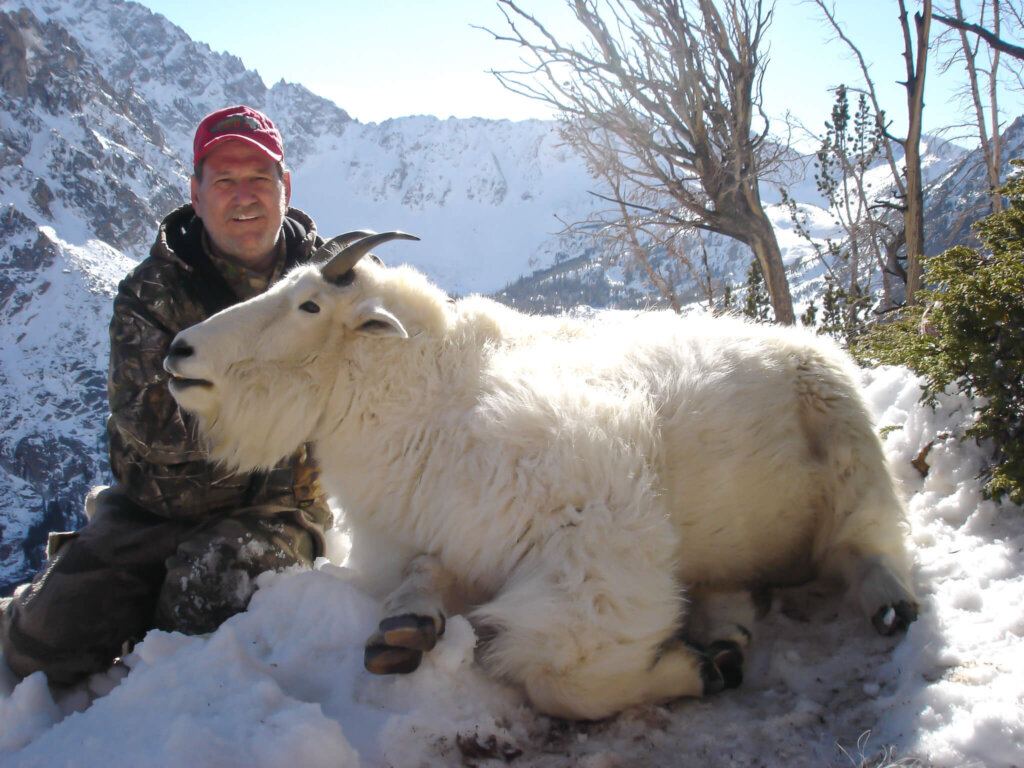
Third, Idaho is home to gorgeous, pristine, rugged habitat ideally suited for numerous game species. You are likely to hunt in a majestic setting that adds to the memories of the hunt.

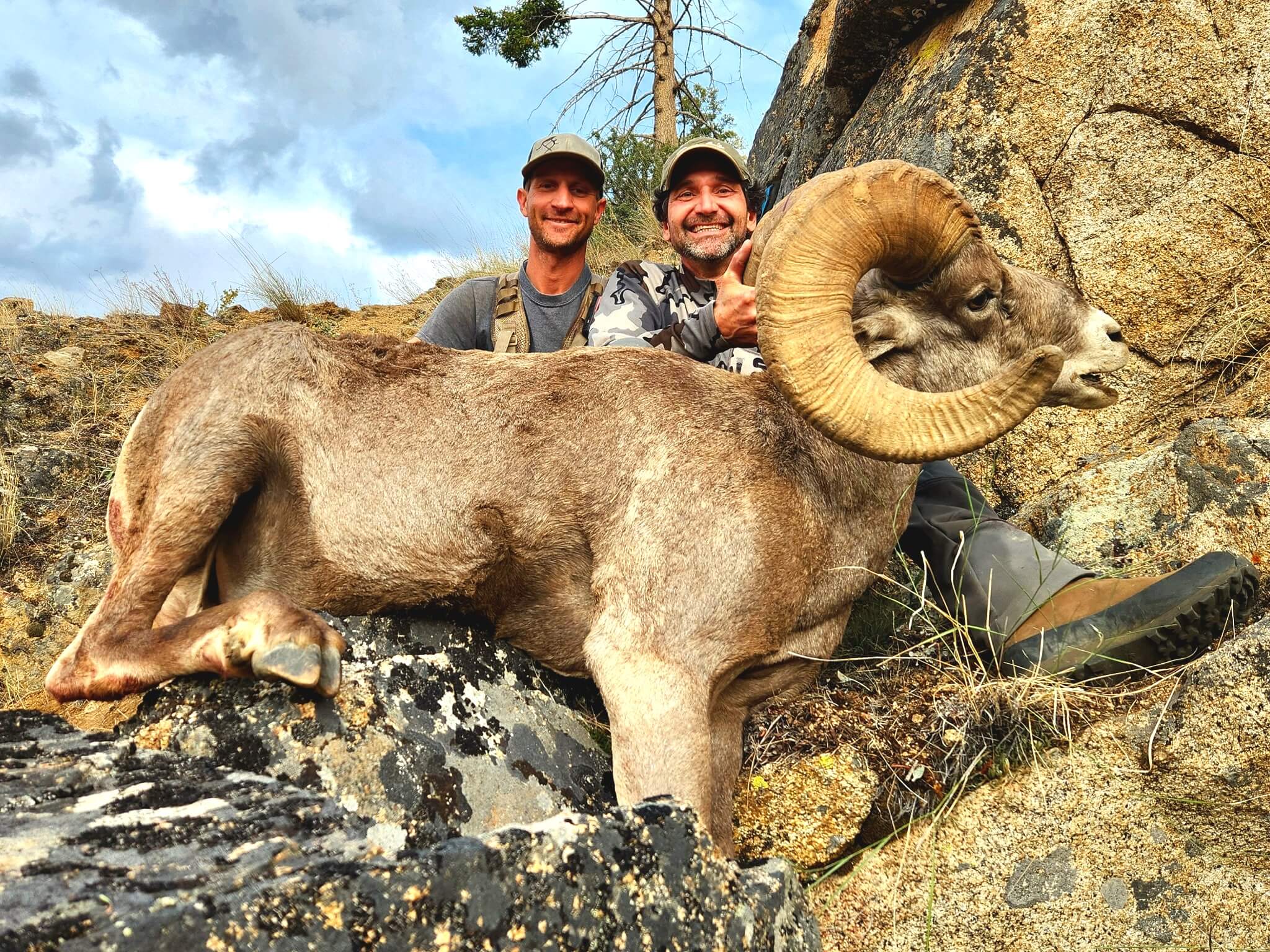
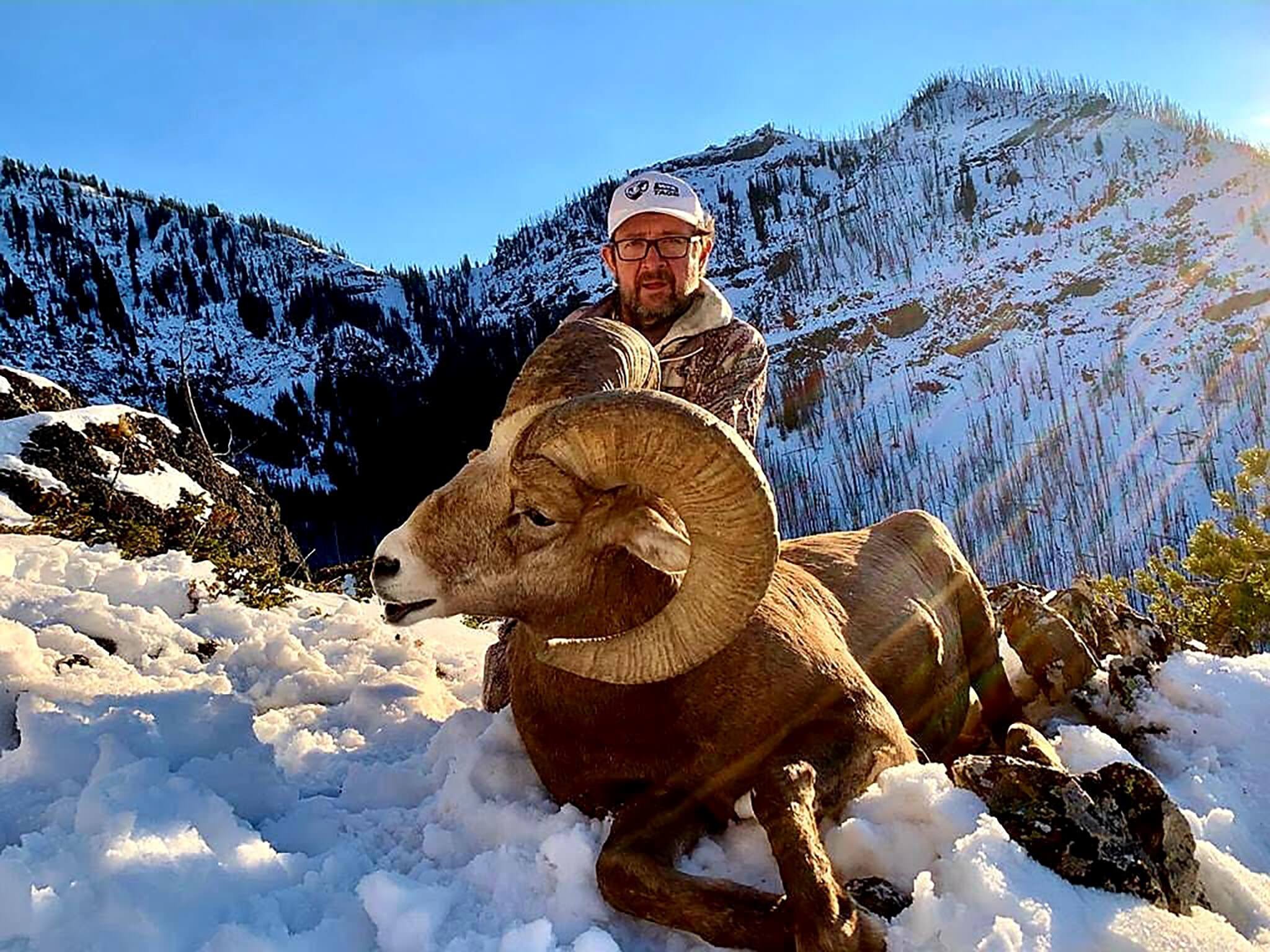
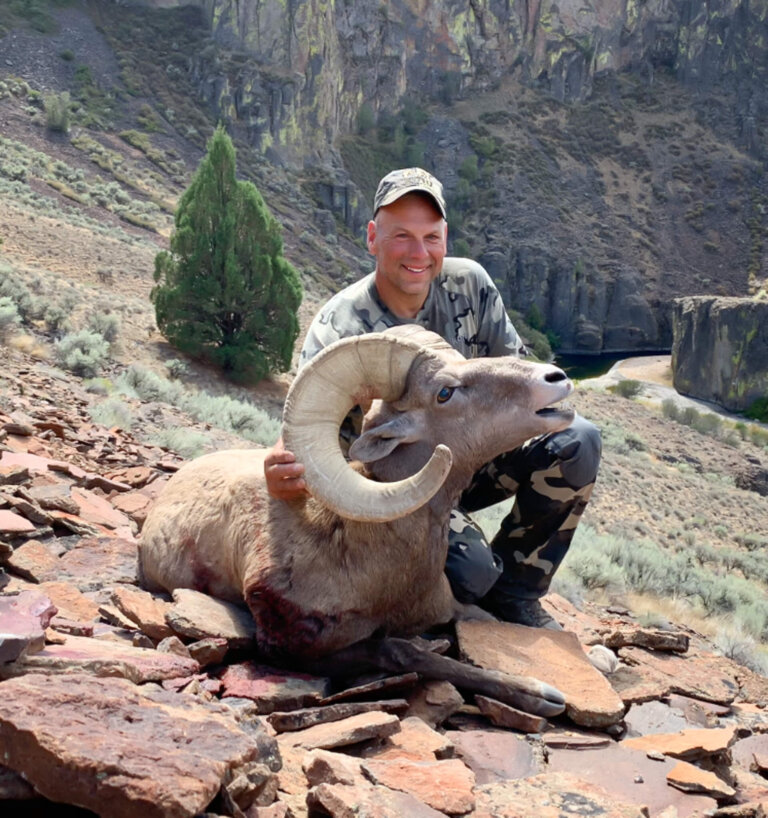
Let’s look at bighorn sheep, and we are talking Rocky Mountain or California bighorns. Idaho presents a fantastic opportunity, especially if you haven’t been building preference points in other states. A strong argument for putting your name in the hat to draw one of the most sought-after tags in the lower 48 is the potential of up to nine non-resident sheep tags and odds of drawing better than 1 in 20 in some units.

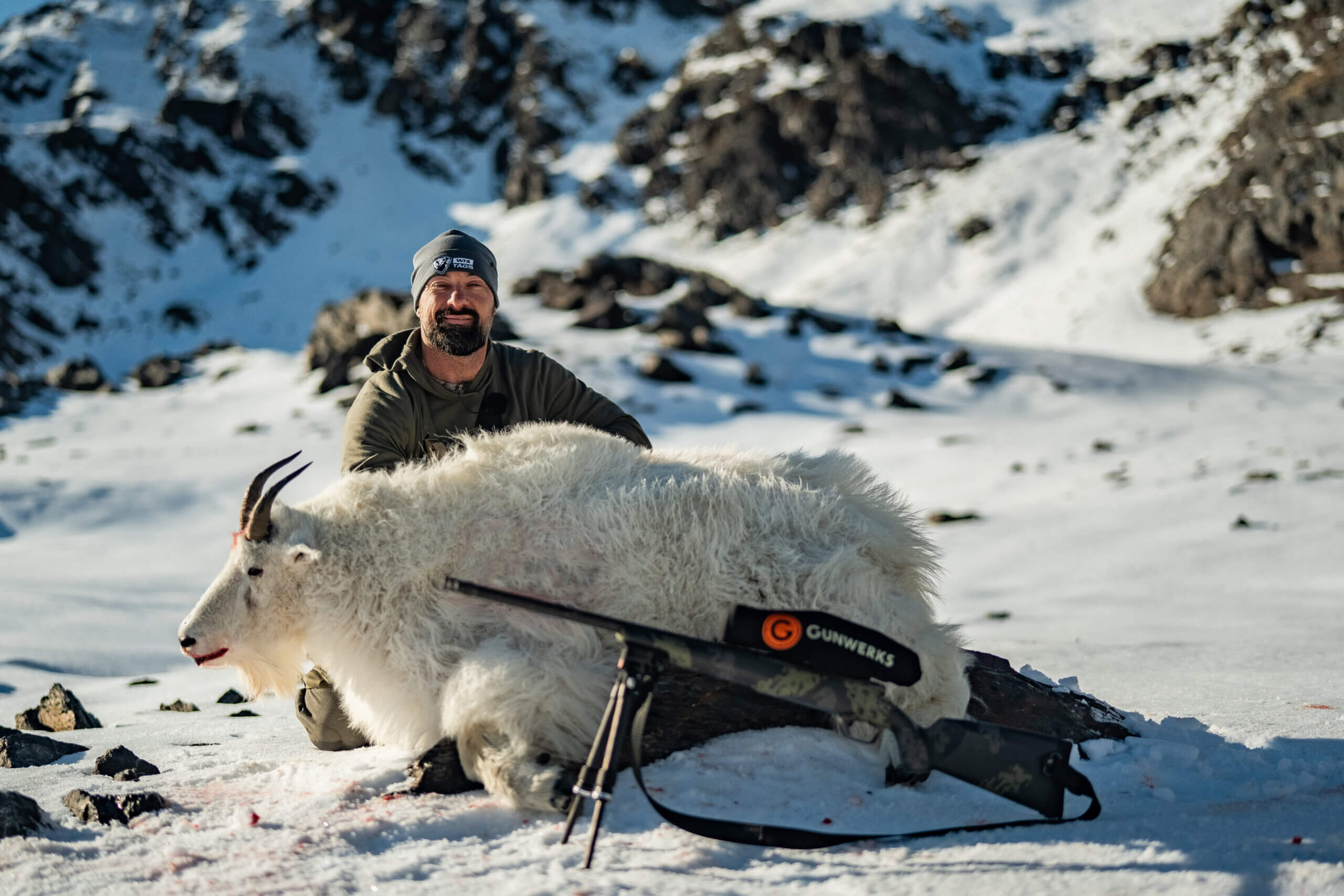
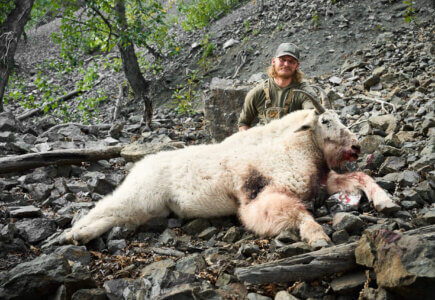
Since most moose-sheep-goat hunters list their application choice as sheep or moose, it creates opportunities for those with mountain goat on their must-do list. Though many units have odds of drawing a tag in the 2–10% range (which is good for mountain goat draws), those who do draw have recorded high success rates. So, if you draw, chances are good you will come away a very happy hunter. Something to consider. This could be the year you make a trip to Idaho for a mountain goat.

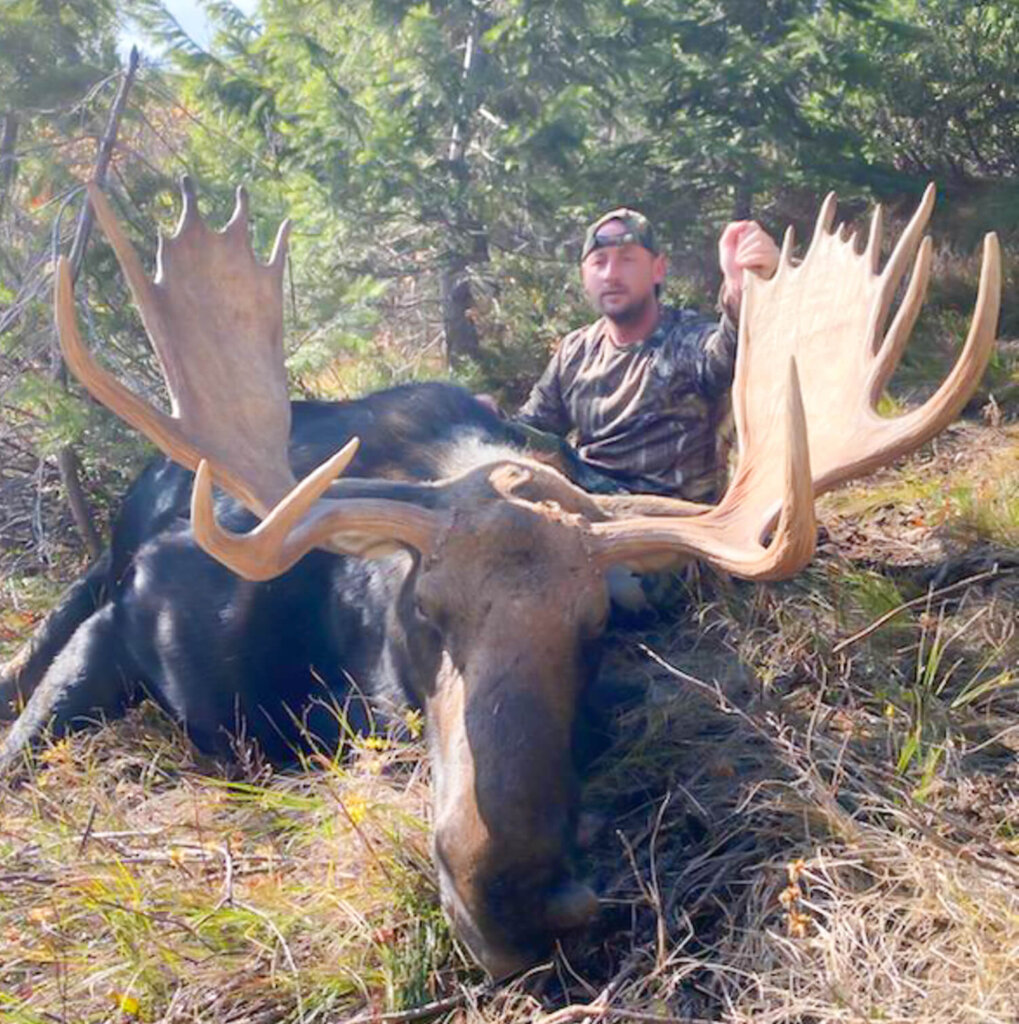
With around 11,000 moose in the state and up to 54 Shiras bull tags going to non-residents in 2022, Idaho is the choice if you want a good chance at drawing a tag without 20+ years of points. Moose can be found nearly statewide with quality bulls in almost every unit. Other than a couple of hard-to-draw areas, there are several units with drawing odds of 10–25%. This is truly astounding. With drawing odds often better than 1 in 10, applying for Shiras moose in Idaho is especially appealing.
You should also note that potential changes are coming to other western states and with those changes, a bleak outlook for non-resident hunters. I would definitely recommend considering Idaho if you want a chance to draw one of these once-in-lifetime tags.

To apply for moose, bighorn sheep (Rocky Mountain or California), or mountain goat, non-residents must purchase a $204 hunting license and submit a $2,626 tag fee at the time of application. Remember, if you use WTA TAGS we will float the tag fee for you. We make it easy!

If you are interested in applying or would like more information, contact WTA TAGS at 1-800-755-TAGS (8247) or email for more information. The Idaho application deadline for moose, bighorn sheep, and mountain goat is April 30 and that will be here before we know it. Call us today.
Recent Articles

Popular Hunts

Draw Required
Rocky Mountain Bighorn Sheep   ·
Idaho
From 
$10,000
Outfitter #160
Draw Required
Rocky Mountain Bighorn Sheep   ·
Montana
From 
$9,000
Outfitter #000

Top Idaho Hunting Trips

Draw Required
Rocky Mountain Bighorn Sheep   ·
Idaho
From 
$10,000
Outfitter #160
Rocky Mountain Elk   ·
Idaho
From 
$5,000
Outfitter #1001

Related Articles

Alaska
Mountain Goat
November 18, 2024
British Columbia
Mountain Goat
October 22, 2024
Estate Hunting: A Closer Look at a Misunderstood Hunting Option

Estate Hunting: A Closer Look at a Misunderstood Hunting Option

Estate hunting, often referred to as high fence hunting, is one of the most misunderstood segments of the modern hunting landscape. The term can carry strong assumptions, but those assumptions rarely reflect the reality of what these hunts actually involve.

At its core, estate hunting offers hunters access to large, privately managed properties where wildlife is carefully stewarded, and hunting opportunities are predictable, efficient, and highly successful. These hunts are not intended to replace traditional public-land or limited-entry experiences. They are meant to provide an alternative option for hunters with specific goals, time constraints, or physical considerations.

Understanding estate hunting begins with recognizing how the properties operate and what the experience looks like on the ground.

What Defines an Estate Hunt?​

Estate hunts take place on privately owned ranches or preserves enclosed by a perimeter fence. These properties can range from several thousand acres to well over 100,000 acres, depending on location, species, and management model.

Within these boundaries, wildlife populations are actively managed year-round. Landowners and outfitters focus on habitat improvement, water development, herd health, genetics, and balanced harvest rates. The result is a stable wildlife population with a strong age structure and consistent hunting opportunity.

Because animals remain on the property, outfitters can offer hunts with a very high harvest probability. In many cases, hunters can pursue specific age classes, horn characteristics, or species that would otherwise require years of applying or limited-entry permits.

What the Experience Is Actually Like

One of the most common misconceptions about estate hunting is that animals are easily located and harvested quickly in a confined space. In reality, many estate properties are vast, and hunters may never see the perimeter fence during their hunt.

These ranches often feature diverse terrain of rolling hills, timber, brush country, open plains, canyons, and river bottoms, allowing animals to behave naturally. Hunters glass, stalk, track, and pass animals just as they would on large private ranches or expansive Western properties.

Once on the ground, the hunt feels far more like a traditional spot-and-stalk or guided private land experience than what many imagine when they hear the term “high fence.”

In the Jungle for Ocellated Turkeys: A Hunt Like No Other

In the Jungle for Ocellated Turkeys: A Hunt Like No Other

Everything about the ocellated turkey is different from what hunters expect when they think about turkeys—from where they live, to…
Spring Thunder on the Plains: Kansas Turkey Hunting Made Simple

Spring Thunder on the Plains: Kansas Turkey Hunting Made Simple

Few Spring experiences rival the sound of a hard-gobbling tom echoing across the Kansas prairie. As winter gives way to warming…

Get Trip Specials & Cancellations,
Right Where You Want It.

No spam. Just the good stuff. Opt-out anytime.