Book Your Adventure 1-800-346-8747

The 375 Caliber- Improved, Only the Way Gunwerks Can!

Mark Peterson
|  

The 375 caliber rifle has long been known as one of the best big bore calibers to use when hunting in Africa and on certain big game such as brown bears. It has the knock down power needed for the tough animals of Africa and for other dangerous game. But, the complaint on the caliber has always been that it kicks like a mule and is only good up close and not very accurate downrange. Insert the Gunwerks team. I’ve been a Gunwerks believer ever since my first trigger pull on one of their rifles. They are known for designing the most accurate long-range rifles on the market. I was extremely happy to get the call, last year, from Aaron that the Gunwerks team was going to design a 375 caliber and they wanted me to field test it and provide feedback. I couldn’t get the word “yes” out of my mouth quickly enough.768a1345
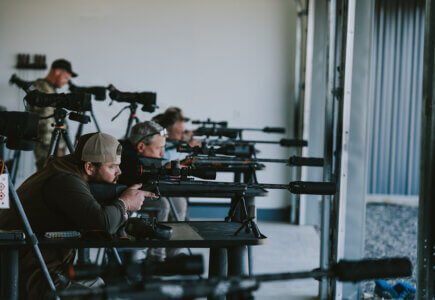
The Gunwerks team went to work to address the two major shortcomings that the 375 caliber had long been known for: recoil and down range accuracy. After the development of the new rifle, the Gunwerks design team said that I would be extremely happy with their finished product. Upon receiving my new Gunwerks 375 Ruger here in Michigan, I took it to our range to shoot and test the new design before my upcoming trip to Zambia. I am a big believer in muzzle breaks. I grew up shooting rifles without muzzle breaks, and early on developed a bit of a flinch from the pounding of my 300 ultra mags. After shooting a rifle with a muzzle break for the first time, I sold all of my hunting rifles without breaks and have only shot rifles with muzzle breaks since. There is no reason not to have a good muzzle break. Being able to hop behind the trigger with no worries of a big kick, not only increases confidence, but as a result increases accuracy. My new Gunwerks 375 Ruger does have a well-designed muzzle break and I love it. My children will never know what it’s like to shoot a rifle without a muzzle break.768a1329
After the first shot, I was pleasantly surprised in the reduction in recoil from the other 375 calibers I had previously shot. My first shots were at 100 yards and after putting all three in a quarter size circle, I moved to 200 yards. Then I went to 300, and 400, and all the way out to 500. Unfortunately, with our Michigan hills, that is where our range in Michigan stops but by the end of my practice shooting, I came a conclusion. I had a tack driver of a rifle in my hands!!! With their typical flair, the Gunwerks team had addressed both the major issues of the 375 caliber and I now have, in my opinion, the best in class 375 caliber on the market. I couldn’t wait to call Aaron and let him know how excited I was after the range shooting, but I also wanted to ask how in the heck they make such dramatic changes to improve the 375 caliber.768a1427
Remember, I’m a hunter, but I am not a gun expert. What I love about Gunwerks is that their rifles and muzzleloader make me a better hunter in the field. When talking with Aaron, he explained how they design a special stock for each caliber rifle and this enables them to optimize accuracy and optimize recoil management. Aaron explained that “a quality gun starts with quality components, and Gunwerks uses only the best”. They design each of their rifles to perform in unison with their components. Rifles can have components that are virtually the same but they will not shoot exactly the same, so therefore each ballistic profile for each individual rifle is critical. Because of this, Gunwerks creates a ballistic profile and an accurate yardage turret specific to each rifle. I couldn’t wait to get into the field and use my new 375 Ruger during some real-life hunting scenarios.768a1389
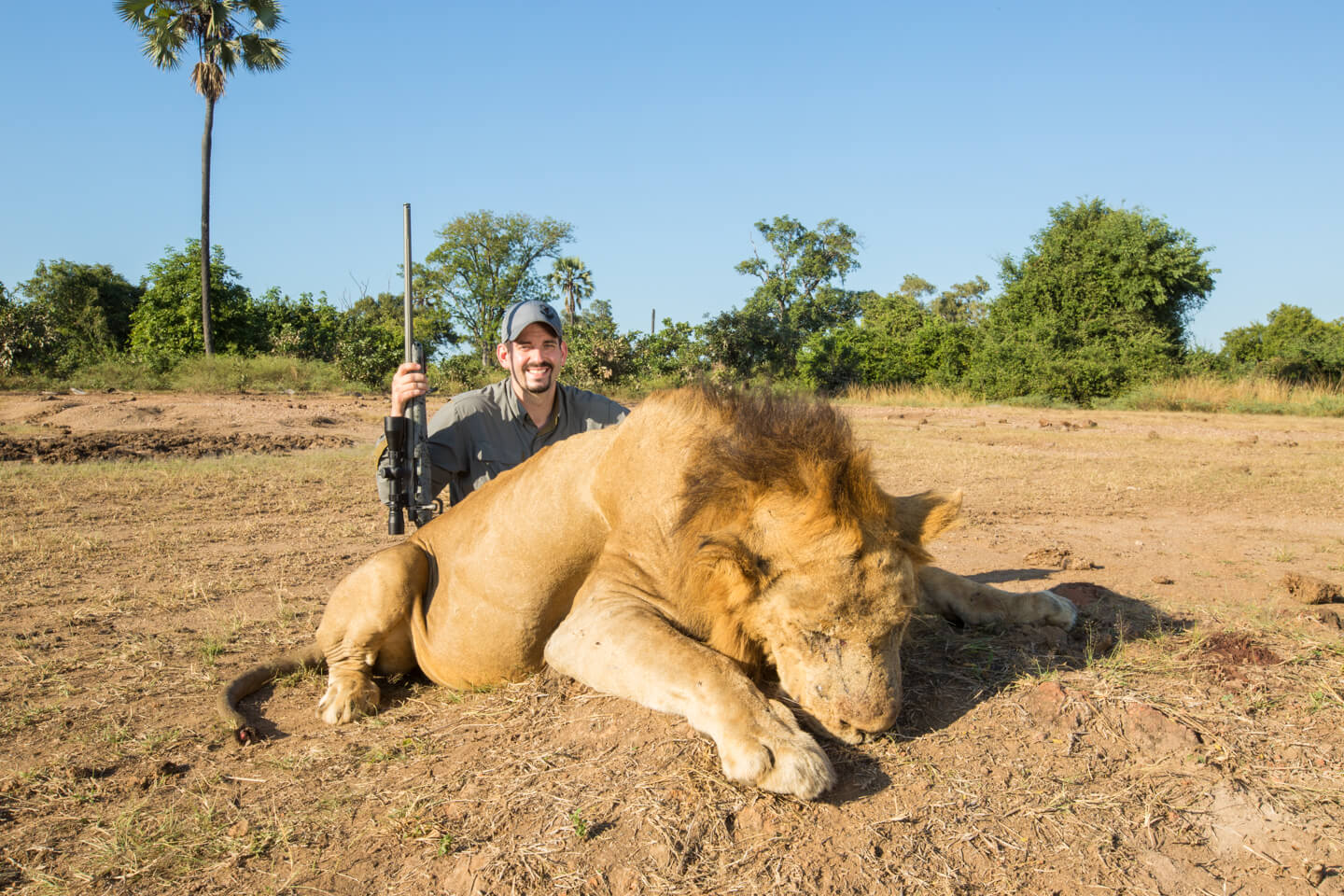
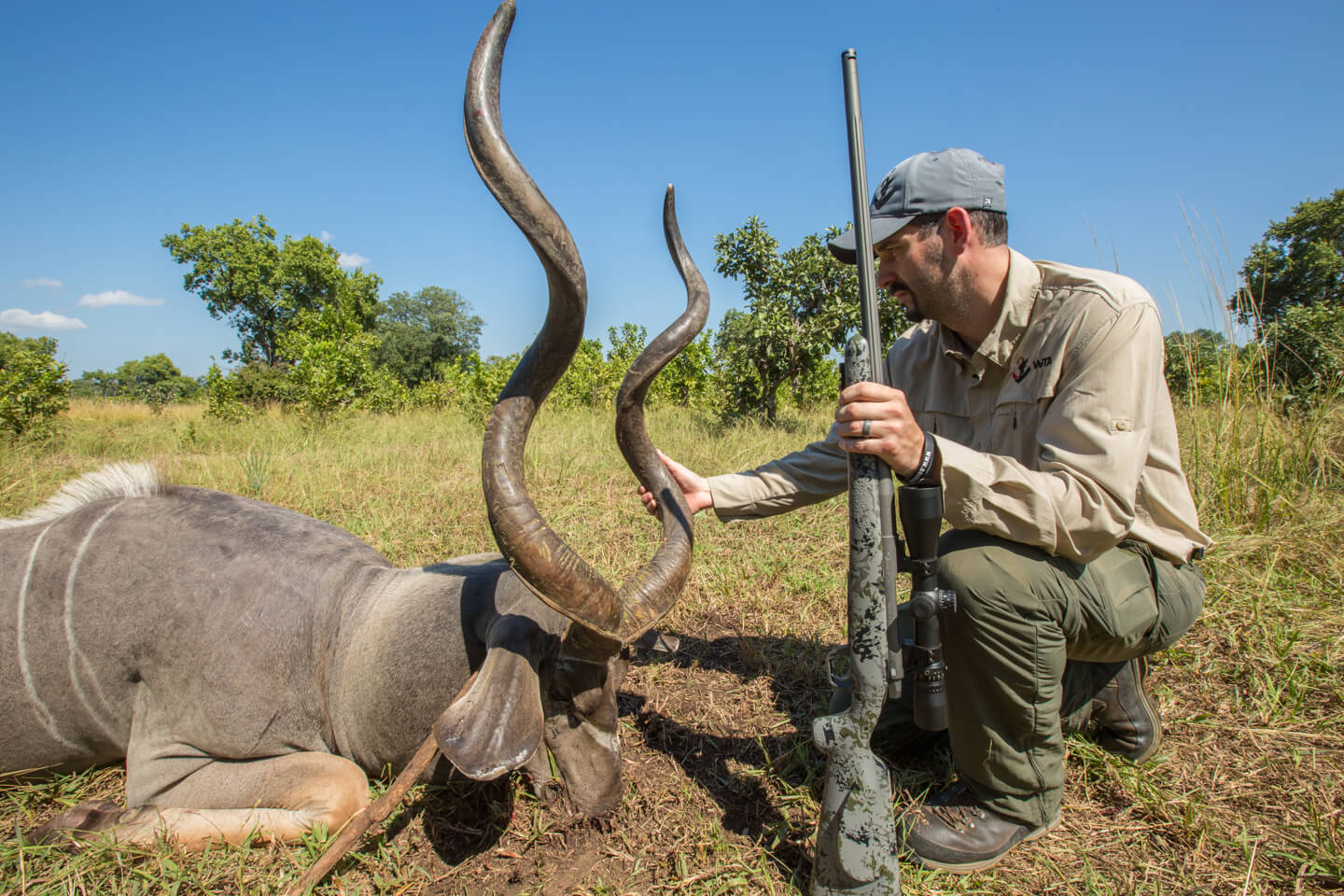
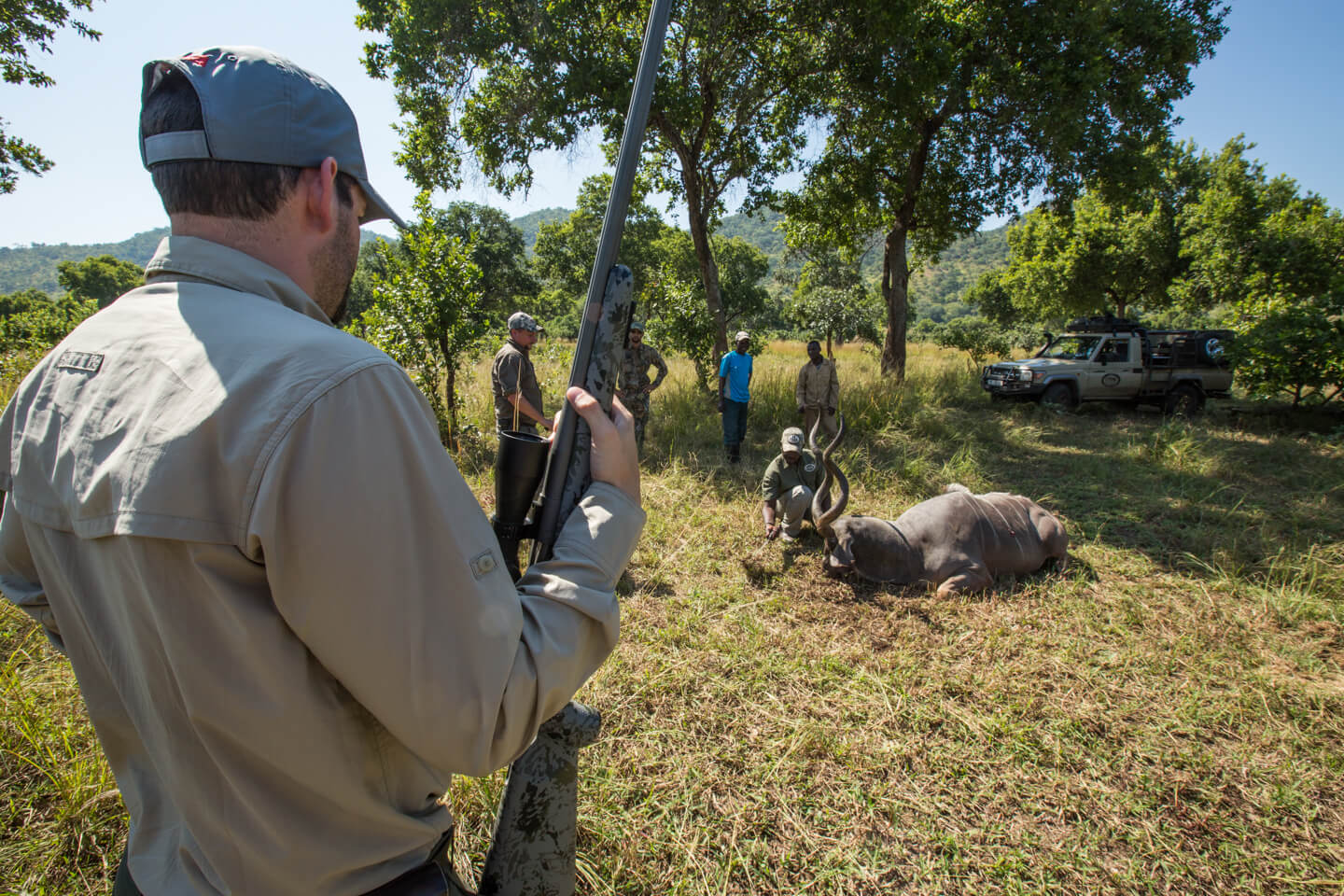
My first destination was Zambia where I would be hunting both Cape Buffalo and a lion, along with various plains game. On previous trips to Africa, I would travel with two rifles. I had a larger caliber for dangerous game and larger animals and a smaller caliber for plains game and longer shots. This was not only a pain traveling with two rifles, but it always seemed like I had the wrong rifle in my hands. I would be going after plains game and all of a sudden stumble into a Dugga Boy but, I was carrying the wrong rifle. With my new Gunwerks 375, I was a single rifle man. In my shell holder that I wear on my hip, I had solids and softs. When going after smaller plains game at long distances, I would switch out and shoot a solid so the soft wouldn’t blow the animal up. This plan worked out great and will be the only way that I hunt in Africa in the future. Traveling with firearms is getting more difficult no matter where your destination is, so cutting down from two rifles to one doesn’t only cut down the hassle but it cuts the weight of what you are traveling with.768a1470
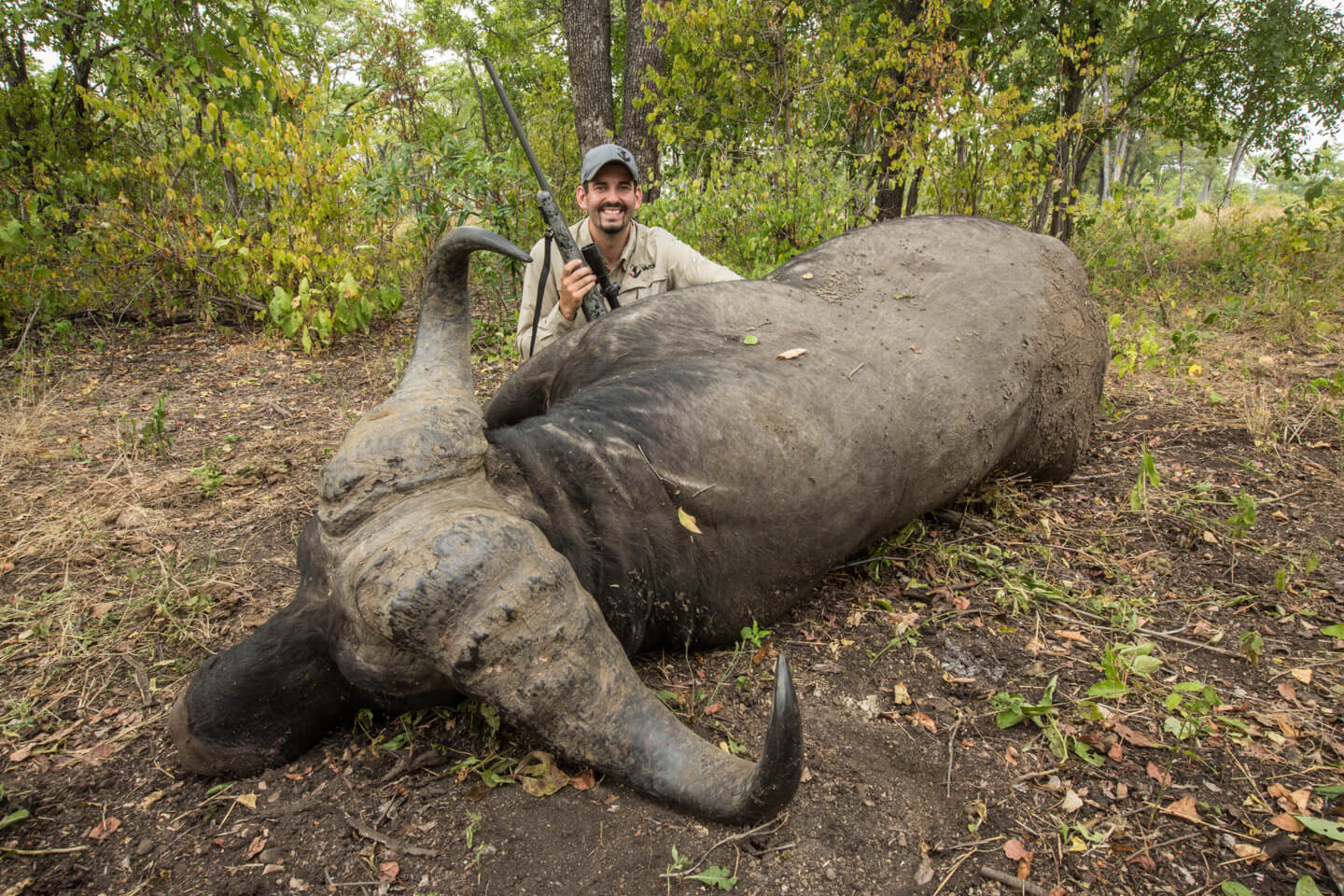
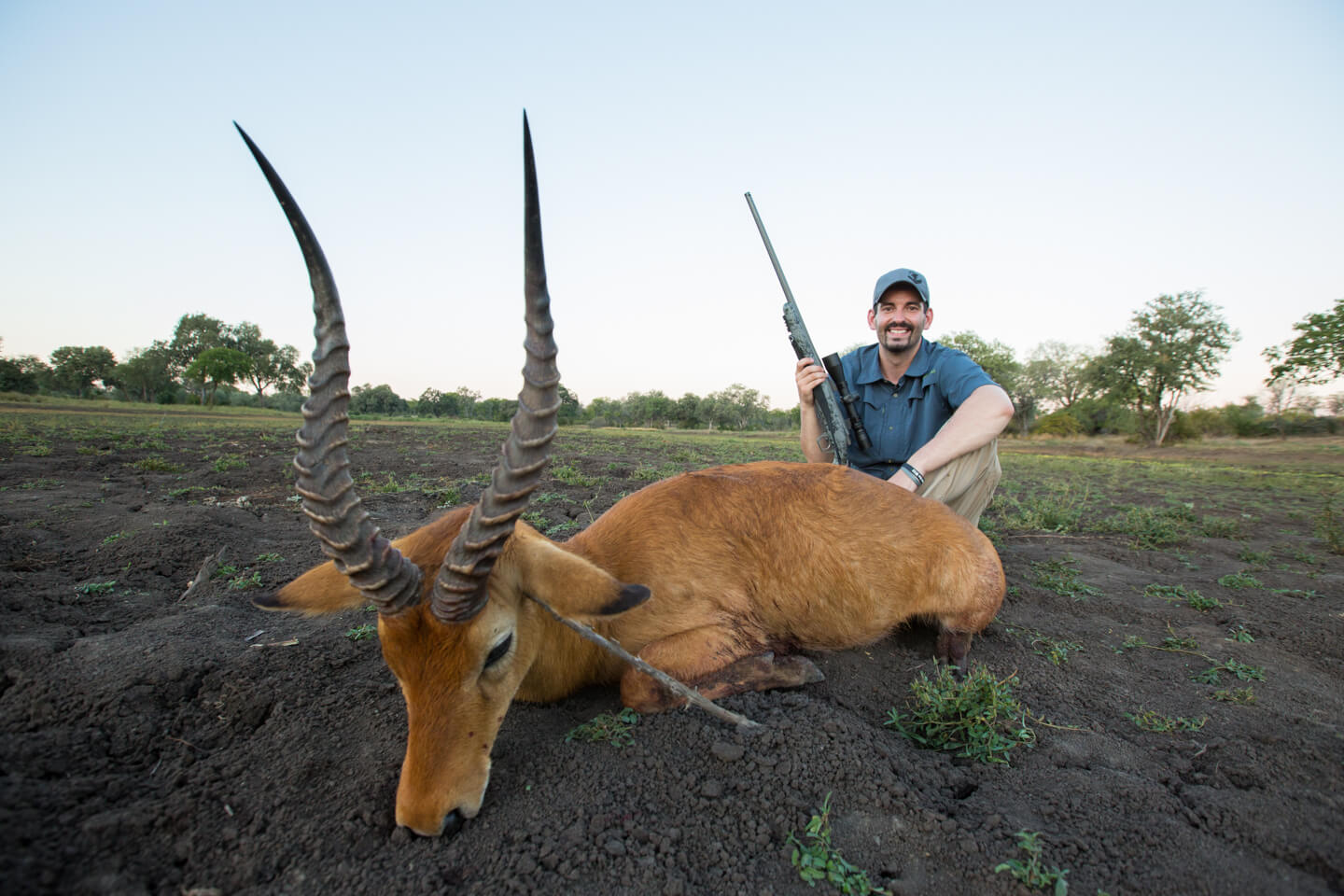
My new 375 Ruger worked perfectly in Zambia, from Cape Buffalo to Impala. I shot from 25 yards to just under 400 yards and my rifle performed without a hitch. As a hunter, having the confidence when hunting Africa to know that your rifle can make the shot, no matter how close or how far the shot is, is a big relief and one less thing to concern yourself with in the field. I also made a 2nd trip to Africa, this time to Zimbabwe. My Gunwerks 375 did the trick on a nice Cape Buffalo, but I was also able to take a great Klipspringer, with is one to the smaller plains game animals. Switching from soft to solid worked perfectly.dsc01172
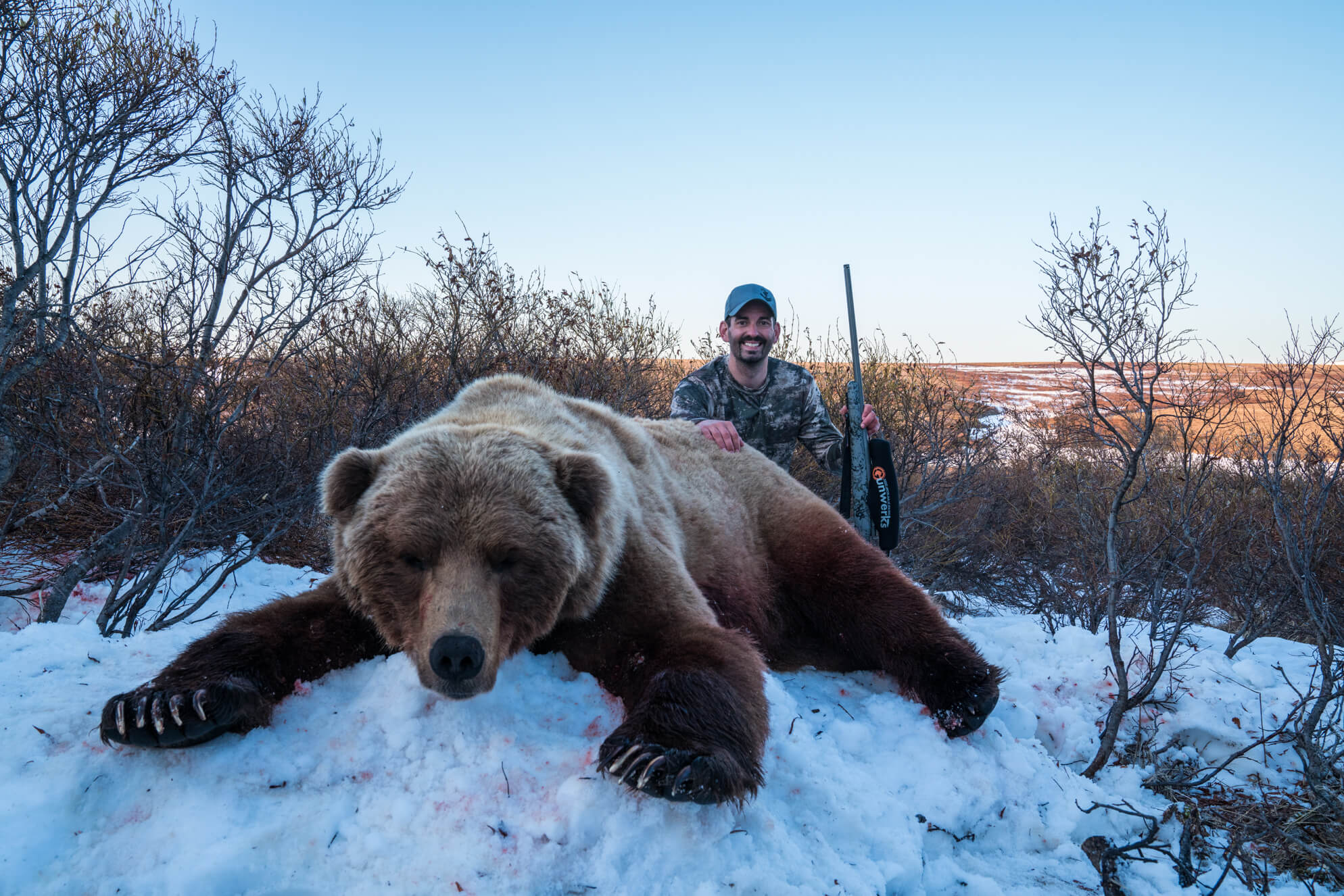
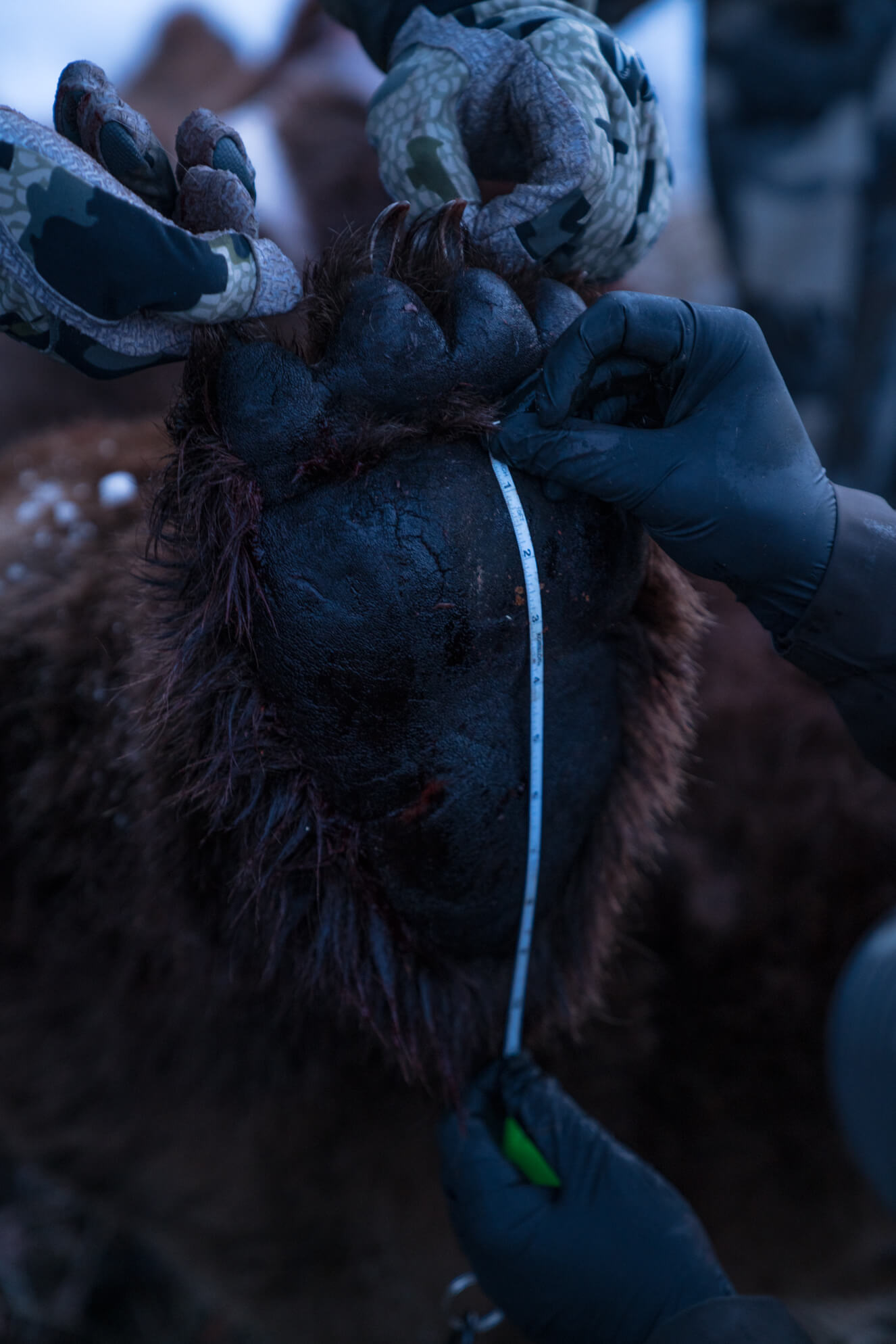
This past May, I was able to again bring my 375 Ruger to the field, and this time I was on a backpack Grizzly bear hunt in Alaska. When hunting Alaska, there is only one thing that I can guarantee; at some point, if not for most of your trip, you will get wet and you will put your gun through some of the harshest weather found anywhere. I wanted to test my 375 Ruger so I didn’t use any oil in the field after the drenching rains as I wanted to see if there were any rust spots that would appear. It rained every single day of the hunt and not a single rust spot showed up. However, the real test in that environment came down to the shot. I was able to take an absolute giant grizzly with a perfect shot of just under 300 yards. Having the confidence of knowing what my Gunwerks 375 Ruger will do in very harsh conditions, allowed me to take my shot in less than an ideal set up.dsc01203
From my first Gunwerks rifle to my last one, have been impressed with the entire Gunwerks team. They know how to make reliable, tack driving rifles. If you are looking for a 375 caliber that is a true game changer, or any other caliber that is the most accurate rifle made, give the guys a call. They will take care of you.
Related Articles

Apply for Alaska’s Most Coveted Tags

Apply for Alaska’s Most Coveted Tags

Most sportsmen don’t think of the draw when contemplating a hunt in Alaska. That’s because, for most of the big…
Against the Odds: Drawing Back-to-Back Sheep and Goat Tags 

Against the Odds: Drawing Back-to-Back Sheep and Goat Tags 

Drawing a sheep tag with 1-in-5,300 odds is amazing. Drawing a mountain goat tag the next year? That’s lottery luck. That’s why it didn’t seem real when my WTA consultant, Jordan Roche, called me two years in a row with that news!

I’d been working with Jordan at WTA TAGS for about five years, letting him manage my hunting applications in multiple states while I focused on staying in shape for whatever hunts might come through. When he called about the Tok Range Dall sheep tag (the only non-resident permit out of 10 total), I knew it was special.

After the excitement of drawing my tag settled in, it was time to find the right outfitter to make my hunt a success. WTA recommended one of their top partners for that area and handled every detail. My outfitter made it clear: this would be a backpack hunt in some of Alaska’s toughest sheep country. At 64, with two hip replacements, I can’t run anymore. But I can hike. So that’s how I prepared—I hiked mile after mile with a weighted pack, knowing the Tok doesn’t care about age or medical history.

We went in a day and a half before the season opened and spotted a band of 14 rams, including one heavy-horned giant that immediately caught our attention. Then Alaska did what Alaska does best. Weather rolled in, the rams vanished, and we spent the three days scouring valleys and ridges to find them again.

When we finally relocated them, we had to break camp and make a major move. After a full day’s work, we spotted six rams bedding down as evening fell. The next morning, we made our play.

The wind that day was unlike anything I’d ever experienced. It sounded like a freight train roaring up the mountain; gusting, dying, gusting again. At 320 yards, I had to time my shot during the lulls. My first shot went wide in the wind. The second shot dropped him—a beautiful 39″ ram. Honestly, I didn’t care about the number. That’s not why I hunt. I’m in it for the experience and a good animal. This ram was both.

The pack-out was its own adventure. We crossed the glacier-fed Tok River multiple times before Matt showed up with a Korean War-era military vehicle that could go just about anywhere. After nine days in the mountains, that slow, bumpy ride was a step up from travelling another 10 miles on foot. This was a trip I’ll never forget.

When Jordan called me in February 2025 to tell me I’d drawn a mountain goat tag, I actually laughed. “Figure out something for next year,” I told him, knowing the odds of a three-peat were one in a million. But first, it was time to prepare for my goat hunt.

I flew into Homer at the end of August, expecting to start hunting on Tuesday. By Monday evening, my outfitter, Paul, was warning me about the incoming weather. “We might not get you in until Friday,” he said. He wasn’t kidding. We sat through three days of howling wind, driving rain, and zero visibility before finally getting our chance.

Paul operates from a landing craft that serves as a mobile base camp. But getting from sea level to where the goats live? That was the hardest climb I’ve ever done, and I’ve completed five sheep hunts.

It was only 1,500 vertical feet, but every step came wrapped in devil’s club thorns, soaking brush, deadfall, and rain-slicked cliff bands. We hiked for what seemed like an eternity before stopping for the night to set up camp.

The next morning changed everything. Once above that coastal jungle, the alpine opened up to reveal why we’d suffered through that brutal climb. There were mountain goats everywhere. Good billies. The kind that makes you forget about devil’s club and exhaustion.

I took my billy on August 30, the first day of actual hunting after being sidelined due to weather. While packing him out, we witnessed something I’d never seen: ravens harassing a billy goat. They would swoop within inches of his head, and he’d swing his horns, trying to knock them away. Paul had told me about this strange relationship between ravens and goats, but seeing it firsthand was incredible.

The trip down gave us one more show. A black bear, fat from gorging on berries, army-crawled through the blueberry patches, entertained us from 400 yards away. I had a bear tag, but watching him was worth more than any trophy. Crossing salmon-choked streams on the way out completed the full Alaskan experience.

Both hunts worked because of solid preparation and connections with the right team. Jordan, my WTA consultant, had been helping me strategically build points and select units for years. When the draw results came through, WTA’s network meant proven outfitters were ready and handled every detail. They provided thorough gear lists, arranged logistics, and coordinated air charters. Everything was dialed in.

Some guys chase record books. Others chase hunting milestones. I finished my slam in 2019 with a desert ram, but what excites me most these days is the experience—the hunts that test you, humble you, and stay with you long after the pack is unloaded. When you work with the right people and put in the preparation, amazing things can happen. Jordan’s already working on my applications for 2026, so we’ll see what adventure comes through next.

Contact WTA TAGS to learn more about drawing the tags of your dreams: 1-800-755-8247

Get Started with WTA TAGS
Wyoming’s Preference Point Deadline Is Approaching: October 31

Wyoming’s Preference Point Deadline Is Approaching: October 31

Preference Point Deadline: October 31, 2025

The deadline to purchase Wyoming preference points is October 31. If WTA is already managing your TAGS applications, you’re all set. If not, don’t miss the chance to secure points this year. It’s the perfect time to talk with a TAGS consultant to start a new portfolio or grow your existing one.

Wyoming’s system is unique. Unlike other states, you don’t automatically receive a preference point if you’re unsuccessful in the draw. Instead, you must log in after July 1 and purchase your points separately. Building points is critical if you want a shot at drawing a Wyoming tag. Over-the-counter opportunities are a thing of the past. Today, only 25% of non-resident tags are issued randomly. The other 75% go to applicants with the highest point totals.

If you want to hunt big game in Wyoming, building preference points isn’t optional…it’s essential.

Watch Wyoming Video

While preference points are an investment in the future, don’t let that keep you from starting now. While Wyoming has units that require 18+ points, there are also good opportunities to hunt sooner. There are elk, deer, and antelope hunts that can be drawn with 0–3 points. Think about it this way—the more points you have, the more options you have.

View Wyoming TAGS Hunts

Get Trip Specials & Cancellations,
Right Where You Want It.

No spam. Just the good stuff. Opt-out anytime.