Heads up! Arizona deadline approaching!
The application deadline for Arizona’s desert bighorn, Rocky Mountain bighorn, mule deer and Coues deer tags is June 8, 2021. And you should also note you can buy an extra bonus point for the bull bison season later this year.
Arizona requires applicants purchase their $160 hunting license as a prerequisite of applying. For those 10 to 17 years of age the license fee is only $5. This license is valid for one year from the date of purchase so if you already purchased your license during the elk and antelope application period earlier this year, it will qualify.
This upcoming draw is extremely exciting for several reasons:
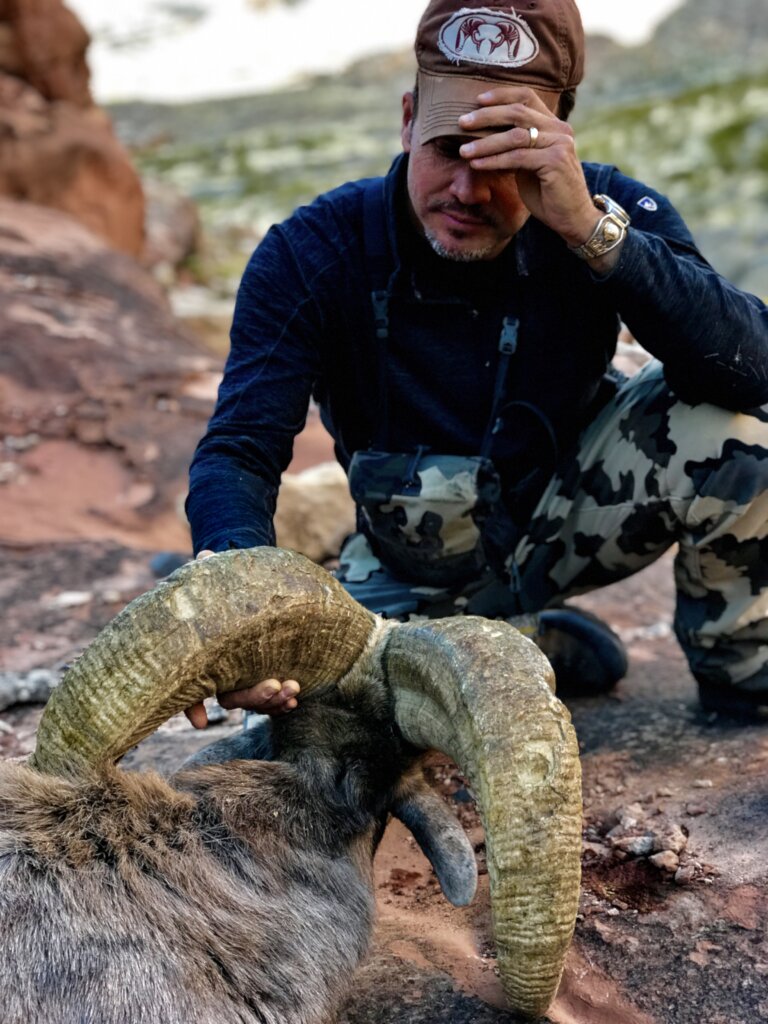
Desert Bighorn Sheep: Arizona offers non-residents some of the best drawing odds found anywhere in the West for this species. The state holds both sub-species of desert bighorn, the Nelsoni found mostly in the northern part of Arizona, and the Mexicana found mostly in southern units. In 2021, Arizona will be offering 106 total desert ram tags, of which up to 10% percent are available to non-residents. WTA TAGS has a handle on which units non-residents are eligible for and, more importantly, we have identified the units we believe will still have random tags after the maximum point pass. Our due diligence in this area is a prime example of why using the services of a professional licensing service puts the odds in your favor.
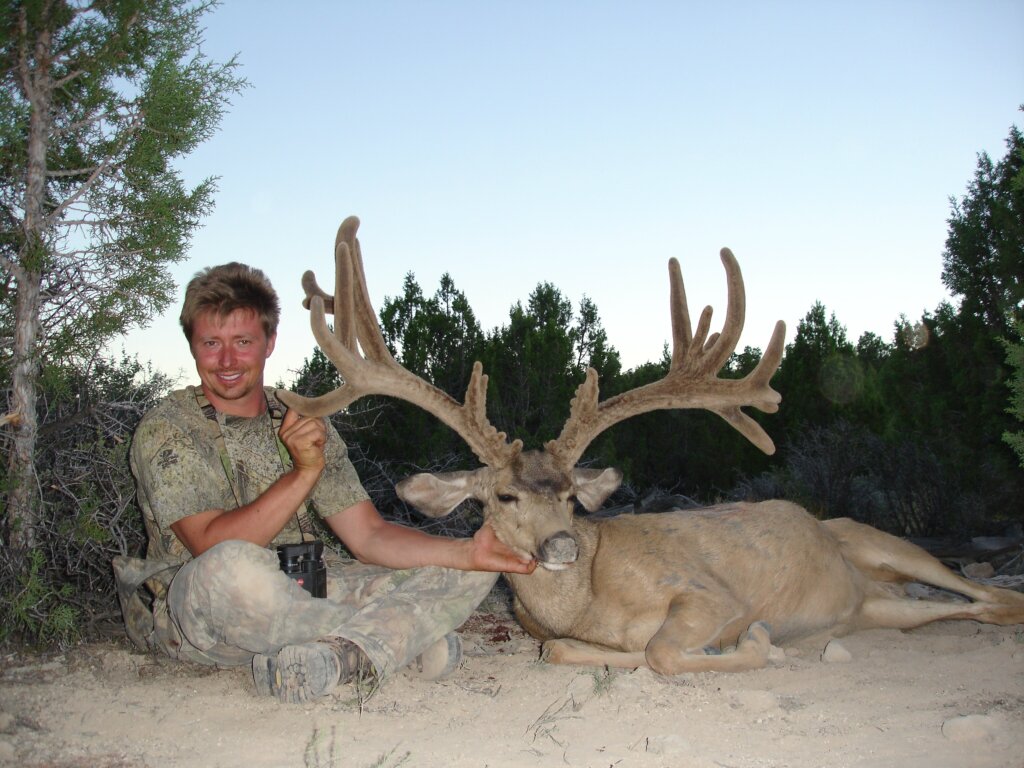
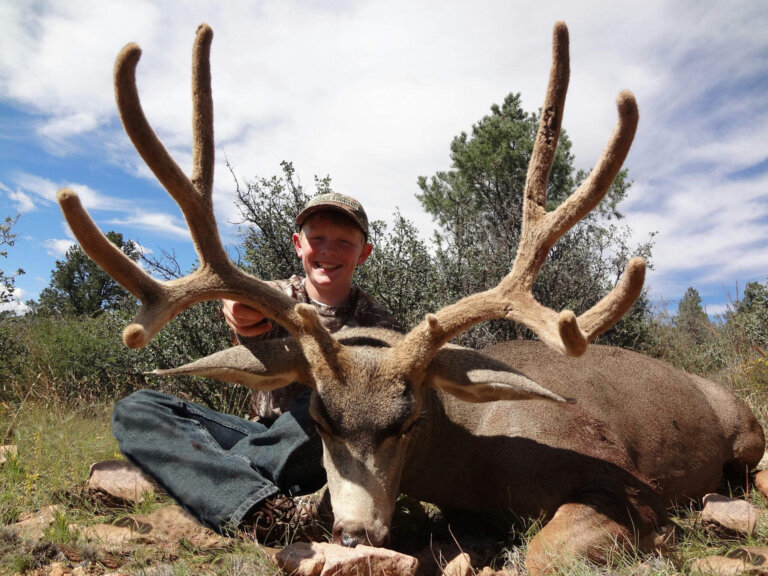
Mule Deer: Several years ago Arizona changed its application system so drawing a tag in the famed Arizona Strip or Kaibab Plateau is now possible for applicants not sitting on two decades’ worth of bonus points. In fact, while not probable, at least it is now possible to draw the very best mule deer tags in the country the very first time you apply. Can you imagine sitting behind your spotting scope with a Strip tag in your pocket knowing at any time the deer of a lifetime could step out? Get in the game today and get your name in the hat for these great tags. I can promise you two things: 1. If you don’t apply you have zero chance at drawing and 2. If you do apply but are unsuccessful in drawing, you’ll gain a bonus point for future draws.
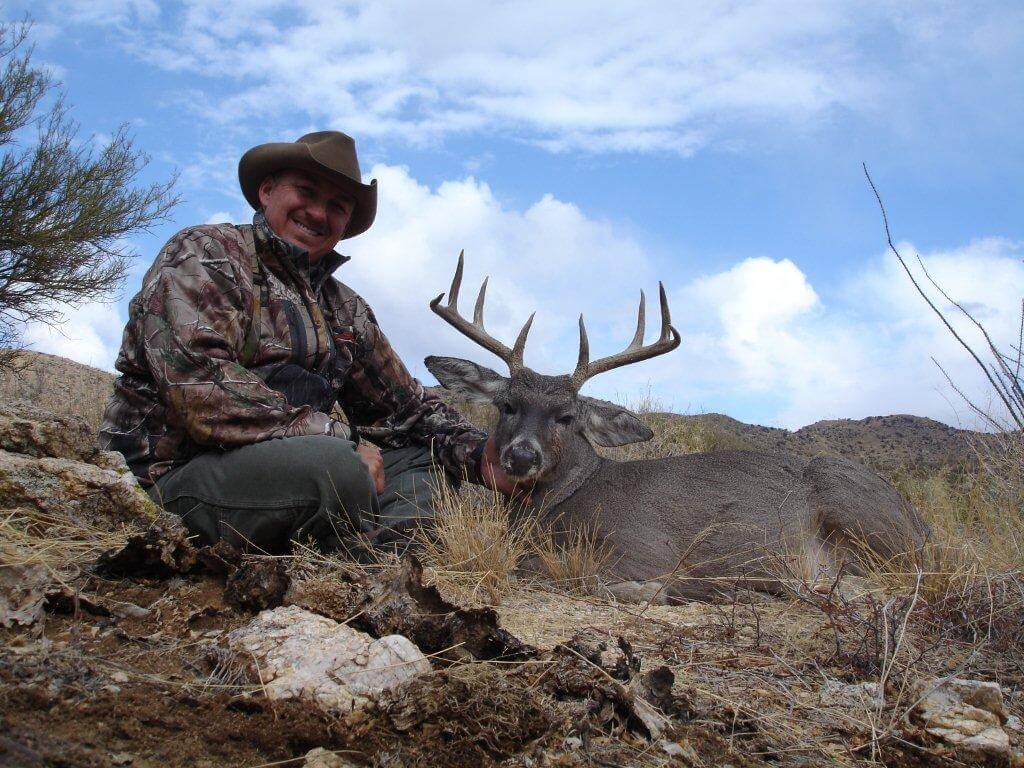
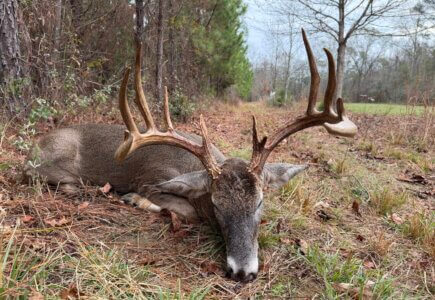
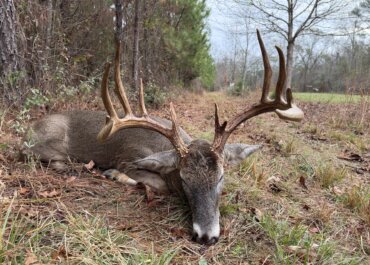
Coues Deer: Why travel to Mexico when we have excellent Coues deer hunting right here in the USA? At the top of the list – Arizona! Every year Boone & Crockett bucks come out of Arizona. However, quality aside, many sportsmen are trying to check off this species for their Super 10s or 29s and Arizona is the perfect place to do just that. For those looking to pick up the species and have an awesome hunt, applying for the early-season deer dates in the best units is the best bet. This early season is much easier to draw and still produces high harvest success rates, particularly when using the services of a WTA TAGS endorsed outfitter. In 2021, WTA TAGS is offering Coues deer applications in Arizona free of charge!
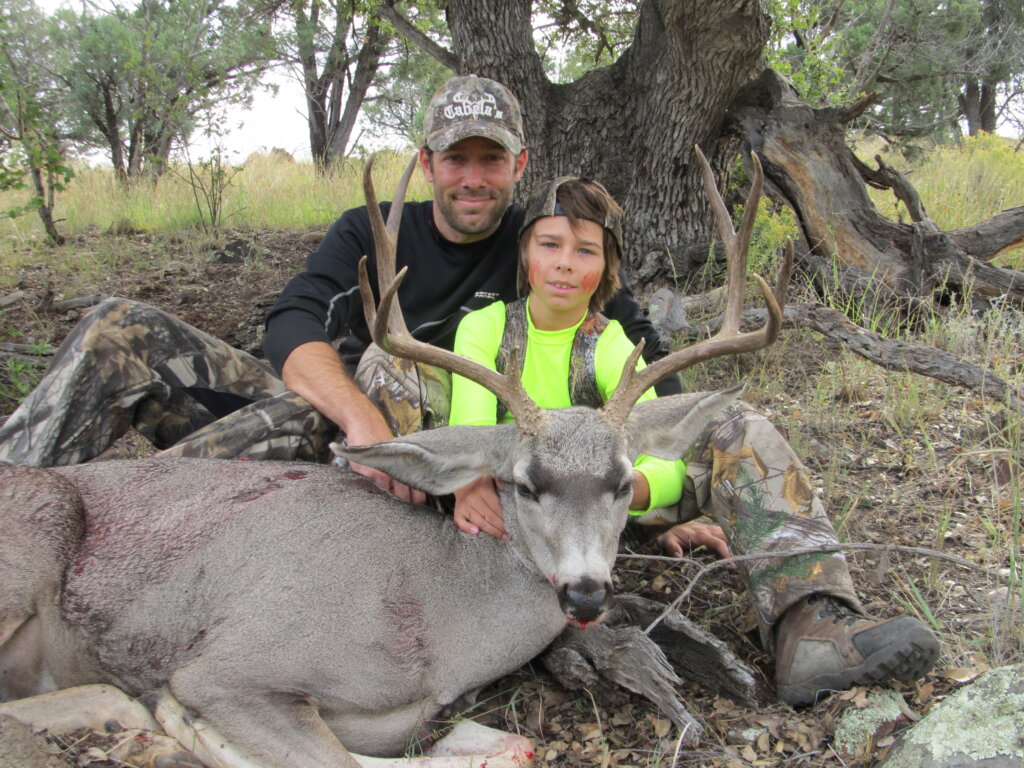
Youth Deer Hunts: Arizona has carved out a limited number of youth-only deer tags in units scattered throughout the state. These hunts are for mule deer or Coues deer and offer better odds of drawing. This is a great opportunity to introduce your youngster to the art of glassing and western big-game hunting in general. Reasonable trophy quality expectations for these guided hunts would be 160- to 170-caliber mule deer and 85- to 95-inch Coues bucks. Remember, the application services of WTA TAGS are free of charge to those 18 years of age or younger.
Again, the application deadline to apply for these exciting Arizona tags is fast approaching. Call our office today and ask to speak to a WTA TAGS Consultant. We will discuss your goals and together decide on a TAGS portfolio that makes sense for you. We can be reached Monday through Friday, 8 a.m. to 5 p.m. MST. Our number is 1-800-755-TAGS (8247).