Book Your Adventure 1-800-346-8747

Arizona’s Deer/Sheep Deadline: That’s a Wrap on the 2024 Draw Season!

Eric Pawlak
|  
Location: Arizona

The Arizona deer and sheep deadline on June 4, 2024 marks the end of another application season. There are a few minor draws and point-only periods coming up in 2024, but the major deadlines have passed and the draw results have been posted. I hope 2024 was your year to draw an awesome tag! If not, you’ve built another valuable bonus point for your future. That’s the name of the game!

If you successfully drew a tag, you received a call from your dedicated WTA TAGS consultant informing you of your good fortune. If you drew a tag and haven’t booked with an outfitter, this needs immediate attention. WTA’s owner Mark Peterson said it best: “After finally drawing a great tag…don’t screw it up at the end…hire a reputable outfitter!”

Arizona Deadlines

Arizona has a staggered deadline for its limited-entry big game tags. June 4, 2024 marks the deadline to apply for deer and sheep tags. For deer, we’re talking about mule deer and coues deer. And for sheep, desert bighorn and Rocky Mountain bighorn are both available.
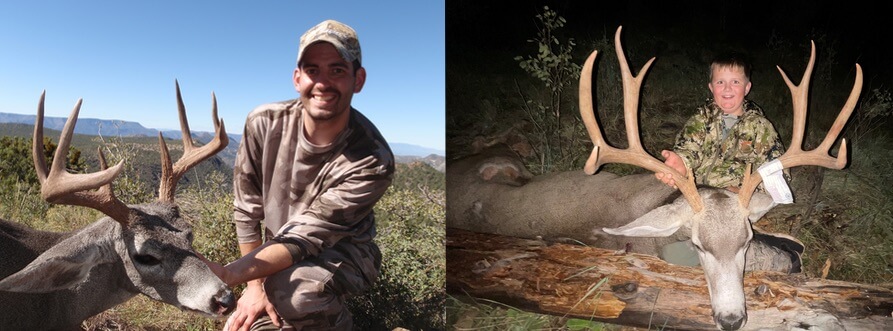
Mule Deer vs. Coues Deer

Applicants in Arizona are restricted to one deer application. The state considers two choices on the application. You can utilize two mule deer choices, or two coues deer choices, or one choice for each. For example, first choice mule deer, second choice coues deer.

Consider this quick, low-level consultation when deciding how to apply for deer in Arizona. Arizona boasts the best mule deer hunting in North America. It is truly the land of 200″. However, these deer reside in a handful of units with VERY limited non-resident tags. This is a tag you may never draw in your lifetime.

Arizona also boasts the best coues deer hunting in the West. Early hunts in October and November can easily be drawn with 0–3 bonus points and we offer highly successful adventures with our TAGS-endorsed outfitters. The more sought-after late coues hunts in December are more difficult to draw, but the tag can be drawn within 8 years, hopefully sooner.
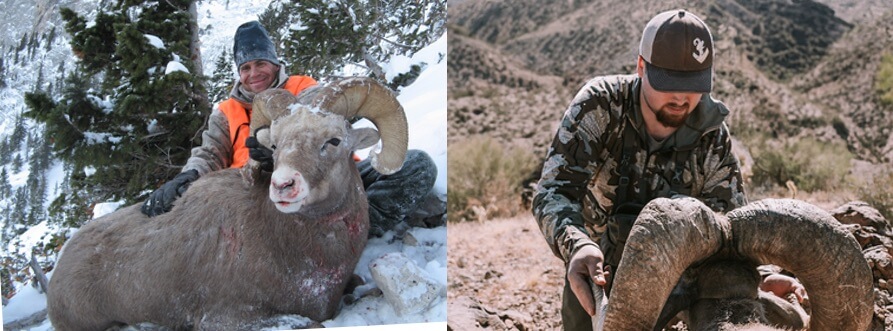
Desert Bighorn vs. Rocky Mountain Bighorn

In Arizona, applicants are also restricted to one sheep application. The state considers two choices on the application. You can utilize two desert choices, two rocky choices, or one choice for each. Apply for first choice desert bighorn sheep, second choice Rocky Mountain bighorn sheep.

This one is easy. If you don’t have a desert, apply both first and second choice for desert bighorn sheep. Arizona offers non-residents far more desert tags than Rocky tags. Also, most of their desert bighorn sheep units produce high quality rams.

I hope the 2024 application season was kind to you. If a tag didn’t come your way, be persistent. As your points accumulate, good things start to happen. If 2024 passed you by and you haven’t been applying for the best tags in the country, don’t fret. As I mentioned earlier, a few applications are still worth considering for this year—you can still build valuable points in Wyoming and Montana for most of their big game species. The point-only application deadlines for these states are several months out.

Call a WTA TAGS consultant today and begin planning for the future in Western big game hunting. And ask about our Women and Children First Program. We offer professional licensing services free of charge to kids under 19 years old and licensing for female clients is offered at 50% off!


From the entire crew a WTA TAGS, have a great summer, try to stay in relatively decent physical shape for the fall, and we’ll call you if you draw an Arizona tag. Good luck!

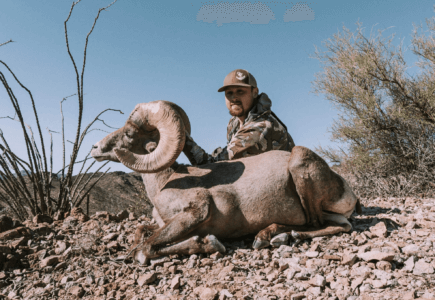
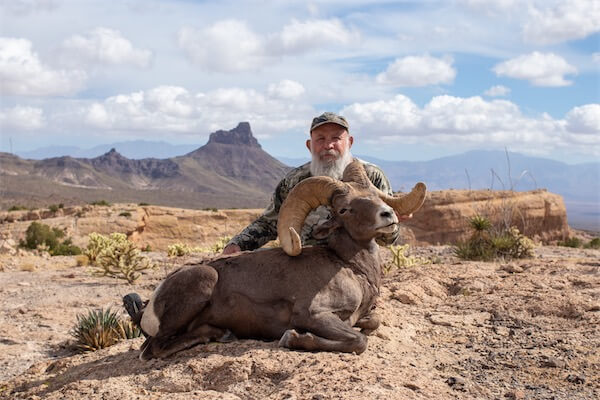
Giant Desert Bighorn Hunt in Arizona

Watch Now

Recent Articles

Popular Hunts

Deer, Coues Deer   ·
Mexico
From 
$6,500
Outfitter #1061
Draw Required
Mule Deer   ·
Colorado
From 
$9,500
Outfitter #1098

Top Arizona Hunting Trips

Draw Required
Javelina   ·
Arizona
From 
$1,500
Outfitter #973
Draw Required
Mule Deer   ·
Arizona
From 
$7,500
Outfitter #841

Related Articles

Estate Hunting: A Closer Look at a Misunderstood Hunting Option

Estate Hunting: A Closer Look at a Misunderstood Hunting Option

Estate hunting, often referred to as high fence hunting, is one of the most misunderstood segments of the modern hunting landscape. The term can carry strong assumptions, but those assumptions rarely reflect the reality of what these hunts actually involve.

At its core, estate hunting offers hunters access to large, privately managed properties where wildlife is carefully stewarded, and hunting opportunities are predictable, efficient, and highly successful. These hunts are not intended to replace traditional public-land or limited-entry experiences. They are meant to provide an alternative option for hunters with specific goals, time constraints, or physical considerations.

Understanding estate hunting begins with recognizing how the properties operate and what the experience looks like on the ground.

What Defines an Estate Hunt?​

Estate hunts take place on privately owned ranches or preserves enclosed by a perimeter fence. These properties can range from several thousand acres to well over 100,000 acres, depending on location, species, and management model.

Within these boundaries, wildlife populations are actively managed year-round. Landowners and outfitters focus on habitat improvement, water development, herd health, genetics, and balanced harvest rates. The result is a stable wildlife population with a strong age structure and consistent hunting opportunity.

Because animals remain on the property, outfitters can offer hunts with a very high harvest probability. In many cases, hunters can pursue specific age classes, horn characteristics, or species that would otherwise require years of applying or limited-entry permits.

What the Experience Is Actually Like

One of the most common misconceptions about estate hunting is that animals are easily located and harvested quickly in a confined space. In reality, many estate properties are vast, and hunters may never see the perimeter fence during their hunt.

These ranches often feature diverse terrain of rolling hills, timber, brush country, open plains, canyons, and river bottoms, allowing animals to behave naturally. Hunters glass, stalk, track, and pass animals just as they would on large private ranches or expansive Western properties.

Once on the ground, the hunt feels far more like a traditional spot-and-stalk or guided private land experience than what many imagine when they hear the term “high fence.”

Why Europe Should Be Your Next Hunting Destination

Why Europe Should Be Your Next Hunting Destination

When hunters think of the ultimate adventures, Africa and Alaska are usually at the top of the list. Yet tucked away in Europe is a world-class hunting experience that most never know enough about to wish for. It’s a mistake, one I made myself for years, until a recent trip to Slovakia opened my eyes to what hunting in the Old World is truly like. In Europe, centuries of tradition reshape your thoughts about international hunting.

The Hunt You Didn’t Expect

My group of seven rolled into Slovakia in early August, the perfect time for the roe deer rut. We had booked five tags per person through WTA, which initially made me nervous. How could taking that many animals be sustainable? But game management in Europe works on an entirely different level. Their wildlife departments track populations down to individual animals, maintaining detailed records unlike anything we have in the States. They issue licenses based on precise population data, and in many areas, they still need to conduct additional culls because game numbers are so healthy.

The hunting itself felt foreign yet familiar. Watching roe bucks chase does across open ag fields reminded me of hunting pronghorn during the rut. We watched as bucks chased does miles over the horizon, only to return and chase more. We would use the standing corn and sunflower rows for cover, glassing open areas where roe deer congregated on clover and alfalfa food plots.

The guides knew every ridge and valley, pointing out where certain bucks lived and separating solid trophies from medal-class deer. Some mornings started at 3 a.m., with hunters in position before dawn. While some stayed afield all day, others slipped back to the lodge for a late-morning feast and rest before the evening hunt.

More than One Species

The hunting was amazing, and we were not limited to roe deer. Once we arrived, we learned that we could add mouflon and red stag to our hunt. Wild boar roamed the same areas. Come September, fallow deer would be available as well. It’s a mixed-bag type of hunt, where you can customize your hunt on the fly.

The mouflon hunting took us into mountains that could have been transplanted from Montana. We parked at the end of a logging road and stalked through timber, glassing for those distinctive curved horns. On one stalk, we heard an odd noise: two mouflon rams butting heads. Following the sound, we intercepted a bachelor band of rams, all jostling and sparring as they moved through the forest. When the biggest ram separated from the group at 70 yards, I made my shot at a free-range animal that had lived wild in these mountains for years.

The quality of the animals shocked everyone. Multiple hunters took mouflon that exceeded expectations. One member of our group dropped a 320″ red stag that wasn’t even on our radar when we planned the trip. These aren’t high-fence operations—this is free-range hunting across extremely varied terrain.

Tradition Runs…
Hunting Croatia: Europe’s Overlooked Paradise

Hunting Croatia: Europe’s Overlooked Paradise

Croatia may be best known for its thousand-plus Dalmatian islands and historic cities like Dubrovnik, but it’s far more than a sightseer’s paradise. This diverse country also ranks among the world’s premier hunting destinations—rivaling Spain and Africa in both variety and quality of game. From the lowlands along the Danube River where some of Europe’s largest red stags reside, to the rugged mountain ranges that harbor massive brown bears, to the coast where mouflon roam, Croatia offers hunters an incredible range of hunting opportunities. Croatia has long been one of WTA’s most popular destinations. And it just keeps getting better!

Here are some of the top choices, beginning in the north and stretching south to cover the full breadth of the country.

Croatian Mountain Lodge: Red Stag, Roe Deer, Brown Bear, Fallow Deer, & Mouflon

Worldwide Trophy Adventures offers a jewel in the Dinaric Alps. This hunting lodge is one of a kind. One of our most popular destinations sits just west of Zagreb, near the town of Ogulin. Our beautiful four-bedroom lodge sits in a secluded forested area surrounded by a variety of species. The surrounding woods hold brown bear, red stag, fallow stag, mouflon, wild boar, roe deer, and more. A world-class staff, excellent meals, and personable guides await your visit above the Adriatic Sea.

Learn…

Get Trip Specials & Cancellations,
Right Where You Want It.

No spam. Just the good stuff. Opt-out anytime.