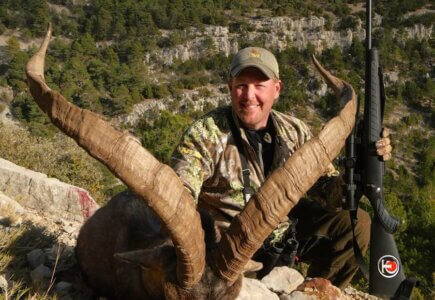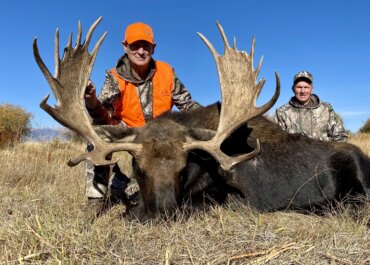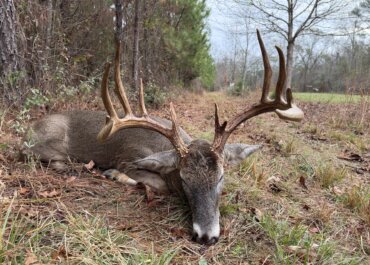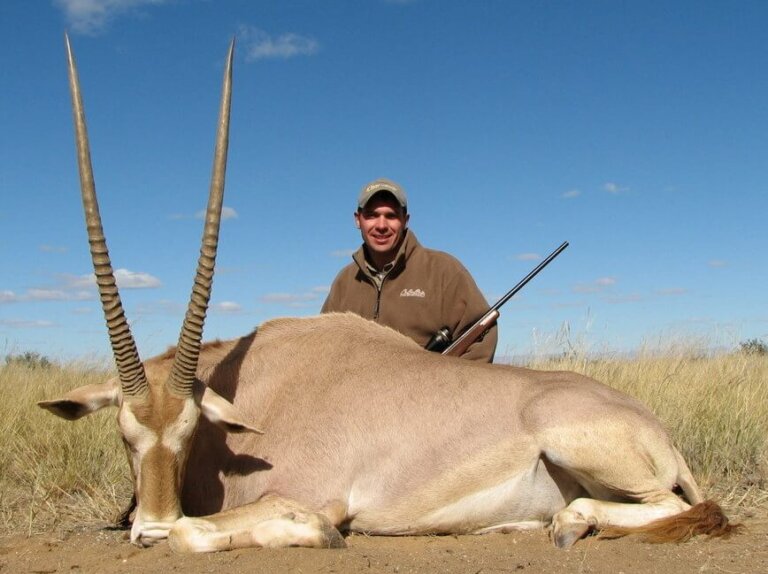
Capture your trophy big game to share with others for a lifetime! Jason Berger, Senior OA Consultant, gave us some great tips to help you take the best photograph or album’s worth of trophy pictures possible in the field.
1. Pre-Trip Organization
For most of us, hunting and fishing is a way of life. There is no better way to capture these memories then a well-thought-out and prepared-for photograph. Be sure to always carry a camera with you at all times. This be in your backpack or on your side. The best photographs are always taken right after game is harvested. Know your camera and be able to use it with the basic functions before going into the field. Understand how to turn you flash on and off manually in the event low light shooting is required. Carry extra batteries & SD cards. Make sure you have protective case for inclemently weather rain etc. Carry moist wet wipes to assist in clean up.
2. Trophy Preparation
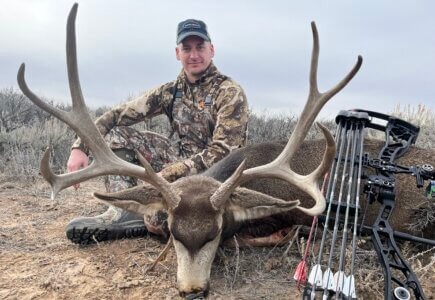
Be sure to remove all blood, dirt, leaves and hide the tongue as this will distract from the photograph. Set the animal up, typically with legs tucked on hooved animals. Bears are usually set up for shots from front to back with belly down and legs stretched to show size. You want to be able to photography multiple angles to showcase your antlers and the animal’s beauty and size. Don’t rush, take your time, and be particular: you only get one opportunity to photograph these memories!
3. Background
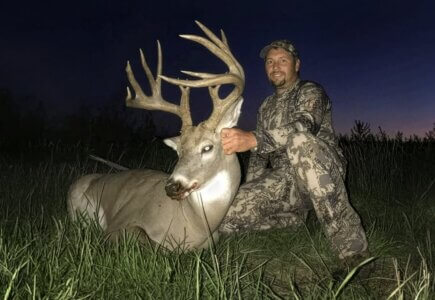
In-field pictures capture the area and tell the story. Try to include as much of the terrain, habitat, and country in the photograph as possible. Blue sky makes for a great background to make the antlers or animal stand out. Be sure to have the sun in your back, be aware of all shadows that will darken the photograph. Under cloudy or dark conditions, the flash can make a significant difference. Always avoid truck bed shots
4. Photography
Tip your hat back and smile; this is a happy moment. Be sure to take multiple pictures from multiple angles. Often times, you would like to capture you hunt partners, guides, or youth who experienced the trip with you. The hunter is usually the closest. Make sure your camera is set to high resolution. Make sure to include the weapon used (bow or rifle). Usually you would hold or set it alongside the animal not to detract from the antler or animal in any way. Always make sure your firearm is unloaded and never place your bow or rifle between the horns. Take several shots from low to medium angles and at various distance. Do not be afraid to get close. Too often, photographs are taken too far away. To make your antlers stand out, grasp antlers with fingertips at the base or behind the head. Often times, you can prop the head up and sit behind with no hands on the trophy. Also a popular pose is to sit alongside your trophy and hold the head. Get creative and don’t rush; this is your time to capture the memory.
5. Share the moment
There are multiple ways to share your memories with friends and family. Social media is one of the most popular. Use Facebook, Instagram, Twitter, YouTube etc. Be sure to transfer your photographs to CD, computer, or flash drive, and label the trip to ensure it is not lost or erased. Print your pictures for photo albums.