Book Your Adventure 1-800-346-8747

Wyoming Antelope – POINTS ONLY

Erik Schell
|  

Wyoming Antelope – POINTS ONLY by Erik Schell

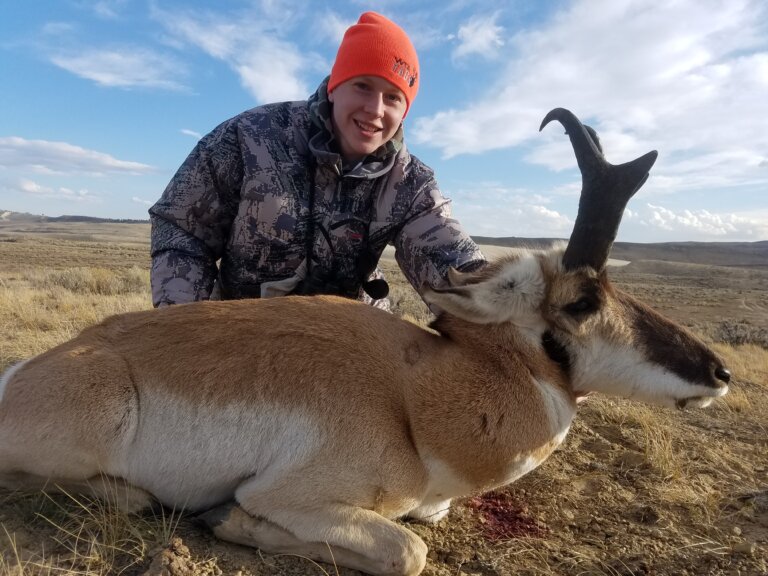
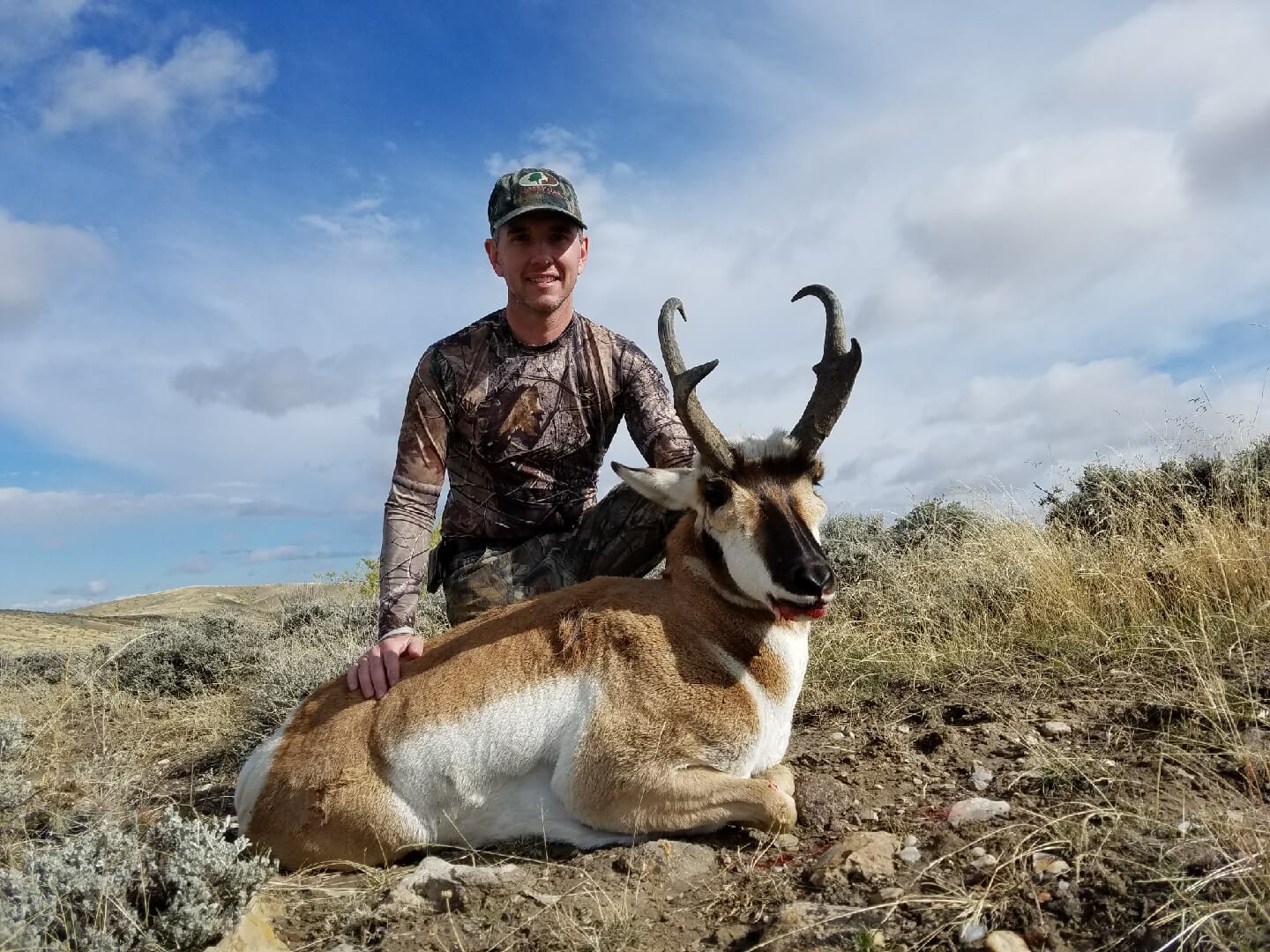
Of all the western big game species there are maybe none quite as iconic as the pronghorn antelope. Small in stature, typically weighing only 80-140 pounds, they rely on keen eyesight that is known to be similar to 10X binoculars. This, combined with their ability to sprint at speeds of over 60 mph, make pronghorn a unique and challenging species to hunt.

Wyoming is home to the largest population of antelope and due to improved range conditions we are set to experience the “glory days” of Wyoming antelope hunting over the next few years. Wyoming not only leads the U.S. in overall population but it also leads in overall Boone & Crockett Record Book entries.

Wyoming issues all of its antelope tags through a draw process. For the DIY hunter, great areas offering large amounts of public land can currently be drawn with as few as three preference points. DIY applicants must also remember Wyoming does issue 25% off all licenses randomly regardless of the number of preference points, meaning if you don’t have any points, you can still draw a tag the first year you apply! Applicants looking to hire an outfitter can typically draw a license the first year they apply.

Regardless of your hunting goals, Wyoming has an antelope hunt that will fit everyone’s desires, from the discerning trophy hunter looking for a record book buck to the father taking his kids on a action packed youth hunt.

The Wyoming “point only” application period for antelope, as well as all species found within the state, is now open. Do not miss out on the chance to increase your odds of drawing a 2019 tag. Contact WTA TAGS today to discuss the vast array of antelope hunting options found in Wyoming. WTA TAGS can be reached at 1-800-755-TAGS(8247) charles-ferenchick-4
Related Articles

Estate Hunting: A Closer Look at a Misunderstood Hunting Option

Estate Hunting: A Closer Look at a Misunderstood Hunting Option

Estate hunting, often referred to as high fence hunting, is one of the most misunderstood segments of the modern hunting landscape. The term can carry strong assumptions, but those assumptions rarely reflect the reality of what these hunts actually involve.

At its core, estate hunting offers hunters access to large, privately managed properties where wildlife is carefully stewarded, and hunting opportunities are predictable, efficient, and highly successful. These hunts are not intended to replace traditional public-land or limited-entry experiences. They are meant to provide an alternative option for hunters with specific goals, time constraints, or physical considerations.

Understanding estate hunting begins with recognizing how the properties operate and what the experience looks like on the ground.

What Defines an Estate Hunt?​

Estate hunts take place on privately owned ranches or preserves enclosed by a perimeter fence. These properties can range from several thousand acres to well over 100,000 acres, depending on location, species, and management model.

Within these boundaries, wildlife populations are actively managed year-round. Landowners and outfitters focus on habitat improvement, water development, herd health, genetics, and balanced harvest rates. The result is a stable wildlife population with a strong age structure and consistent hunting opportunity.

Because animals remain on the property, outfitters can offer hunts with a very high harvest probability. In many cases, hunters can pursue specific age classes, horn characteristics, or species that would otherwise require years of applying or limited-entry permits.

What the Experience Is Actually Like

One of the most common misconceptions about estate hunting is that animals are easily located and harvested quickly in a confined space. In reality, many estate properties are vast, and hunters may never see the perimeter fence during their hunt.

These ranches often feature diverse terrain of rolling hills, timber, brush country, open plains, canyons, and river bottoms, allowing animals to behave naturally. Hunters glass, stalk, track, and pass animals just as they would on large private ranches or expansive Western properties.

Once on the ground, the hunt feels far more like a traditional spot-and-stalk or guided private land experience than what many imagine when they hear the term “high fence.”

Why Europe Should Be Your Next Hunting Destination

Why Europe Should Be Your Next Hunting Destination

When hunters think of the ultimate adventures, Africa and Alaska are usually at the top of the list. Yet tucked…
Hunting Croatia: Europe’s Overlooked Paradise

Hunting Croatia: Europe’s Overlooked Paradise

Croatia may be best known for its thousand-plus Dalmatian islands and historic cities like Dubrovnik, but it’s far more than…

Get Trip Specials & Cancellations,
Right Where You Want It.

No spam. Just the good stuff. Opt-out anytime.