Book Your Adventure 1-800-346-8747

Locked In and Late to the Lake

Mark Peterson
|  
Location: Peru

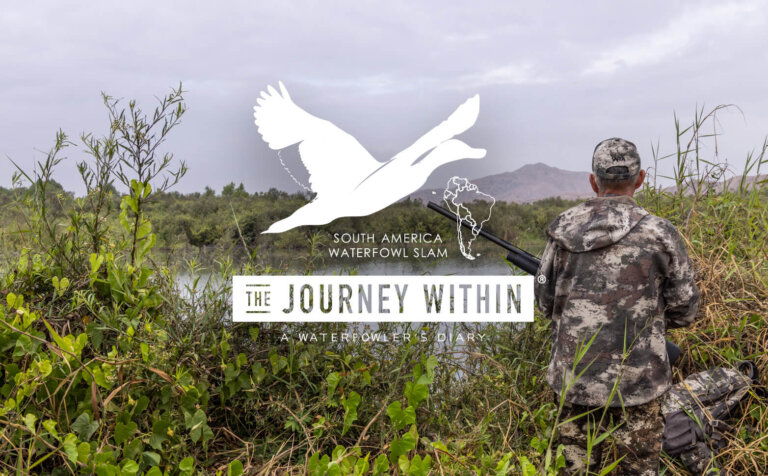
Our alarms went off at 4 a.m. We had time for a quick cup of coffee before checking out of the hotel at 4:45. We headed to the underground parking garage, loaded our gear, and were ready to leave at 5 a.m. sharp. My goal for the day was to shoot a Knob-Billed Duck. We knew this would be a challenge. Our outfitter only knew of one nearby lake where they could be found. Other areas weren’t likely to hold Knob-Billed Ducks, so we hoped to take this species at the first lake. The pressure was on for a successful Knob-Bill hunt. We planned on heading for the Andes early the next morning and weren’t sure when I’d have another opportunity to hunt Knob-Billed Ducks.

Unfortunately, we ran into a problem before we could get on the road. The heavy metal gate that allowed vehicles out of the underground hotel garage was down and locked, and the parking garage attendant was nowhere to be found. After more than 40 minutes, we tracked down the attendant and his key. The gate was unlocked and we speedily drove toward the lake.

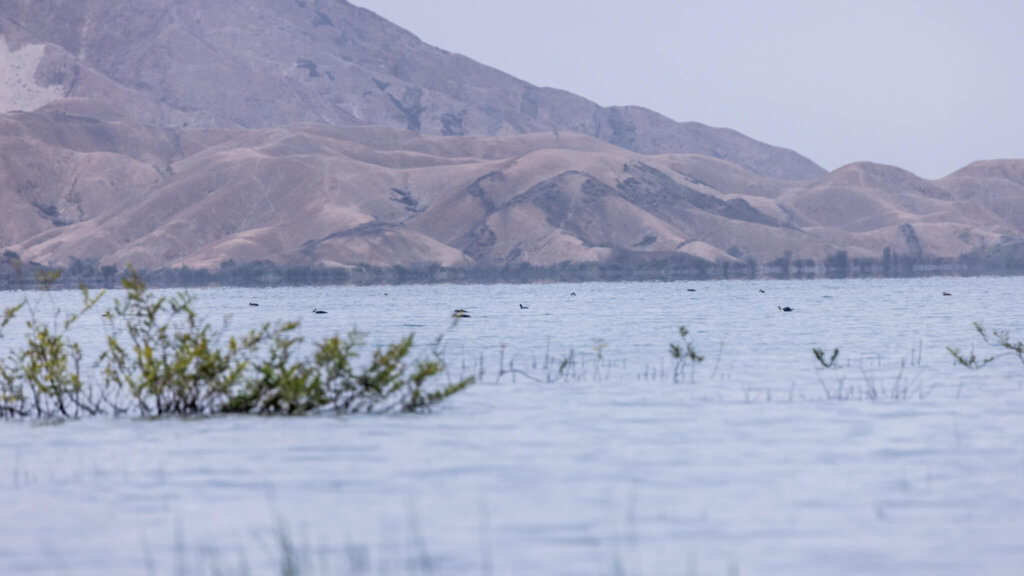
Our frustrating start to the day resulted in us arriving at the lake 30 minutes after first light. We were too late, and the ducks had already flown in from surrounding agricultural fields. We could see Knob-Bills everywhere, but none were within range. Most of them were floating in large groups in the center of the lake. There were a few near the shore along the west end. I tried everything to get a shot, including sneaking up to the west end, but couldn’t get close enough. The Knob-Bills were extremely wary and swam away as soon as they saw any movement. Our outfitter wasn’t optimistic, and said we probably wouldn’t see any action until that evening. He thought that just prior to nightfall the ducks would be flying off the lake to return to nearby fields.
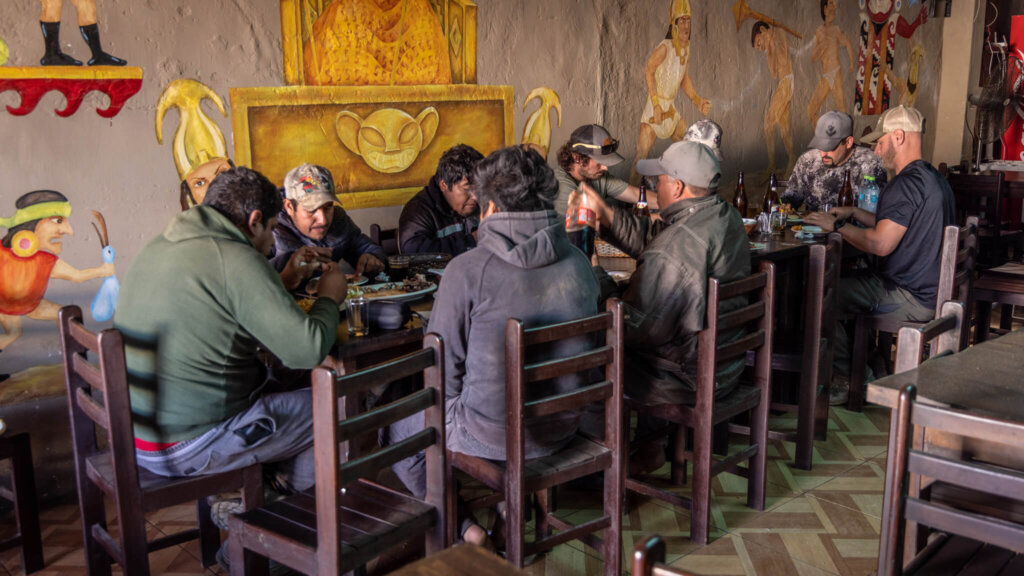
We were hungry! Since we hadn’t eaten since the previous evening, we left the lake at 11 a.m. and drove to a nearby town for lunch. We found an establishment that specialized in serving seafood to the local residents. Angelo, Dad, Justin, Lee, the bird boys, and I crowded around a large table and the nine of us shared baskets of fried fish, fried shrimp, fried clams, and other items. Some foods were caliente (hot) and some were not. It was good to have a full stomach in case my quest for a Knob-Bill drug on into the evening.
We checked out a series of ponds and rivers where our outfitter had previously spotted Knob-Bills, but there were none to be found. We decided our next best option was to drive toward the coast and check out some coastal ponds before returning to the big lake for our late afternoon attempt at Knob-Bills.
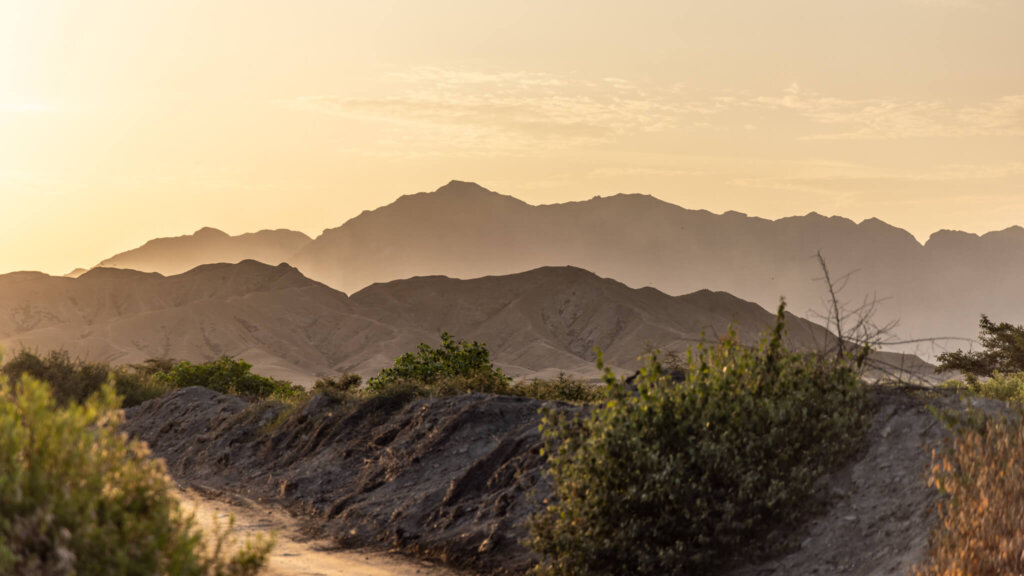
We pulled off the paved highway and onto the rough roads heading to the ponds. The surrounding area was extremely dry and dusty. There were huts made of various materials including old metal, wood, and adobe. Many people in Peru live in informal squatter settlements. The land belongs to the government, but if an individual improves the land and stays long enough, eventually the government will give them the property and they own the place. It is a tough life because there aren’t any wells, so water has to be hauled in. The shacks’ metal, cardboard, or wood would eventually be replaced with homemade adobe blocks and finally, in 20 or 30 years, maybe cement or bricks. These people do what they can to survive. Many of Peru’s residents are employed in an informal economy that falls outside of government regulation and taxation. This also means they work without the protections of legal employment. It’s a barter-and-trade economy. We saw a local holding an antique shotgun in one hand, and that night’s dinner in the other hand: duck. It was nice that somebody in the area was able to shoot a duck that day.
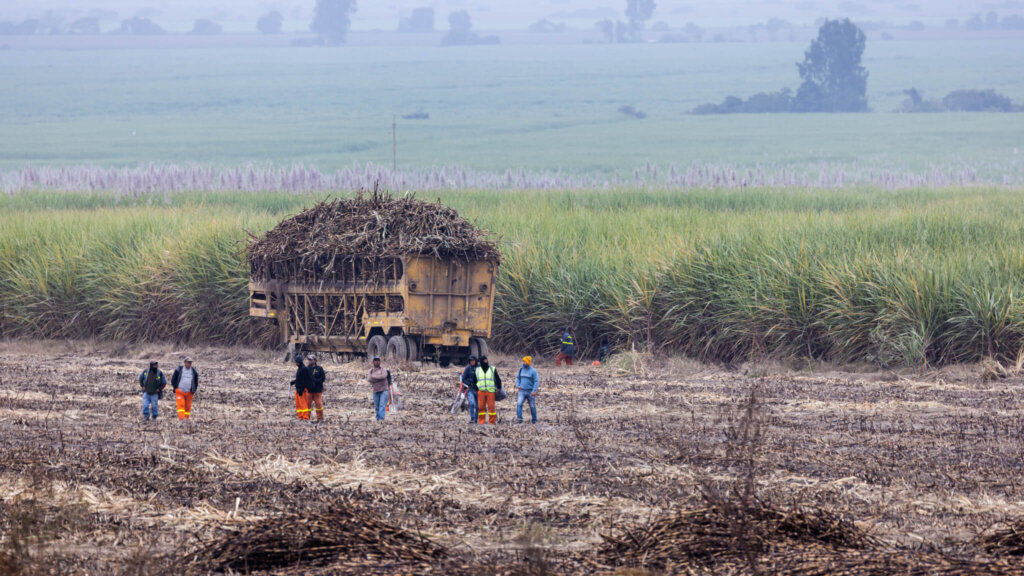
 

These ponds were bigger than the ones we’d hunted the previous day, and because it was the middle of the day, there weren’t many ducks in the air. I finally decided to set up on a pond and Dad took a position about ¼ mile to the north. We each had a bird boy walk around the ponds to spook the ducks up. It worked and they put ducks in the air. Our resulting shots put more ducks up. It wasn’t fancy, but it worked. I ended up with about 20 Cinnamon Teal and a Bahama Pintail. Dad also had a few teal. It was a successful couple of hours.
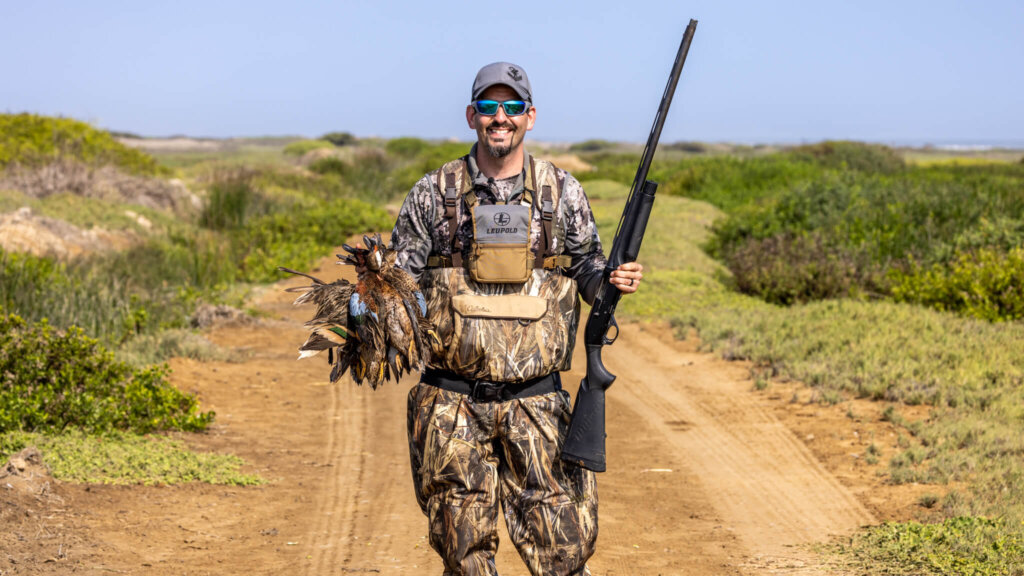
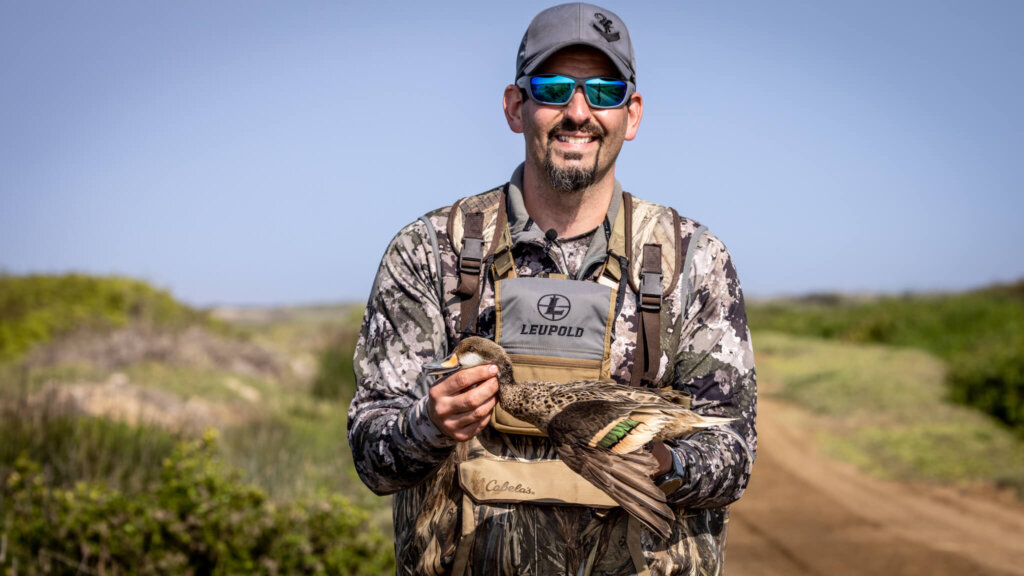
 

We drove back to the lake for Knob-Bills and set up about an hour before dark. I put my waders on and worked my way up a thick, brushy finger where I had seen some Knob-Bills circle that morning. I had a single Knob-Bill come in and took a long shot. I hit him hard twice and could only watch as he kept on going. They are tough ducks!

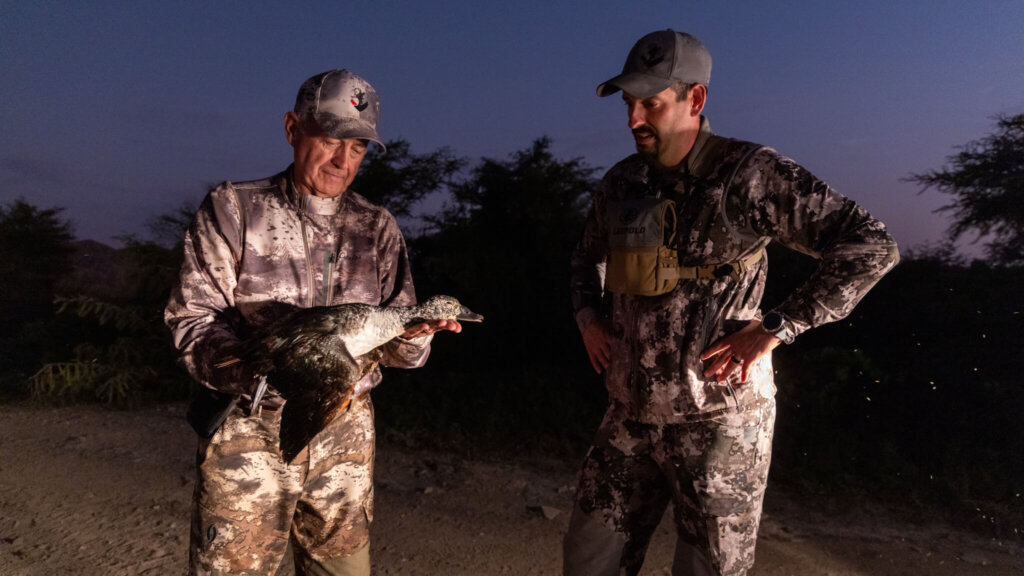
Dad had set up in some brush just off the east side of the lake. Just prior to dark, he dropped a hen Knob-Billed Duck after hitting it twice. His younger bird boy stripped to his shorts for the retrieve. The beaks of Knob-Billed Ducks contain membranes shaped like combs called lamellate beaks. These unique beaks allow the ducks to sift small animals and other food sources from the water. Ducks with lamellate beaks take mouthfuls of water and let the water slip slowly from their beaks when sifting for food. What a cool looking duck! Unfortunately, I’d have to try for my Knob-Billed Duck another day.
Related Articles

Bison Hunting in the Lower 48: An Authentic American Hunting Experience

Bison Hunting in the Lower 48: An Authentic American Hunting Experience

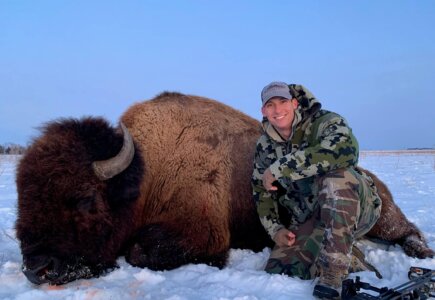
Only a few animals capture the spirit of North America like the American bison. Standing over six feet tall at the shoulder and weighing in excess of a ton, these magnificent animals once roamed the Great Plains in numbers estimated between 30 and 60 million. Today, their numbers have rebounded dramatically from near extinction, but opportunities to hunt truly wild bison remain limited and highly sought after. Whether your goal is to experience a once-in-a-lifetime free-range hunt or harvest a mature bull on a well-managed private ranch, understanding the options for bison hunts is essential before making your decision.

Free-Range Bison Hunts

For many hunters, pursuing a truly wild bison represents one of the greatest adventures available in North America. These hunts take place on large expanses of public land or vast state-managed properties where bison behave much like any other native big game species. Hunters often spend several days glassing, hiking, and tracking animals across rugged landscapes before having the opportunity at a mature bull.

One of the best-known free-range opportunities is found in South Dakota. The bison herd within Custer State Park has become one of the country’s premier hunting opportunities. Every year, the state issues a limited number of highly coveted tags, with a bonus point system in place. Hunters fortunate enough to draw receive assistance from experienced park personnel who help locate and field-judge mature bulls. The success rate is exceptionally high, but drawing the tag takes planning and often requires patience.

Wyoming also offers free-ranging bison tags around the Yellowstone ecosystem. These hunts are considered among the most prestigious bison hunts in North America. Successful applicants often contend with steep terrain, changing mountain weather, and long hikes or horseback rides to pursue animals that migrate out of Yellowstone National Park. Drawing a Wyoming bison license often requires years of applying because competition for these permits is intense.

WTA TAGS offers application services for free-ranging bison in other states including Utah, Arizona, and Alaska. Each has its own application process, draw odds, and regulations, making long-term planning essential.

Estate Hunts

Private ranch bison hunts provide another excellent opportunity to harvest one of North America’s most iconic animals. While some hunters immediately think of small enclosures when they hear the term high fence, that description often fails to represent today’s professionally managed bison operations.

Many private ranches encompass tens of thousands of acres of native prairie, rolling hills, timber, and river bottoms. The fencing exists primarily to manage livestock ownership rather than to make hunting easier. Bison remain incredibly wary, possess excellent eyesight and hearing, and can cover ground surprisingly fast. Successfully harvesting a mature bull still requires careful stalking, good shooting, and experienced guides.

One significant advantage of private ranch hunts is predictability. Tags are guaranteed, allowing hunters to schedule a trip without waiting years to draw a permit. These hunts also tend to offer flexible dates, excellent accommodations, and a much shorter planning timeline than public-land, free-range opportunities.

For many hunters, a quality private ranch hunt is an excellent option. It offers an outstanding way to experience bison hunting without spending decades waiting on a draw. It’s a great way to collect a stunning trophy, provide delicious protein to friends and family, and skip the grocery store.

Choosing the Right Hunt

The deadline to purchase Wyoming preference points is October 31. If WTA is already managing your TAGS applications, you’re all set. If not, don’t miss the chance to secure points this year. It’s the perfect time to talk with a TAGS consultant to start a new portfolio or grow your existing one.

Wyoming’s system is unique. Unlike other states, you don’t automatically receive a preference point if you’re unsuccessful in the draw. Instead, you must log in after July 1 and purchase your points separately. Building points is critical if you want a shot at drawing a Wyoming tag. Over-the-counter opportunities are a thing of the past. Today, only 25% of non-resident tags are issued randomly. The other 75% go to applicants with the highest point totals.

If you want to hunt big game in Wyoming, building preference points isn’t optional…it’s essential.

Watch Wyoming Video

While preference points are an investment in the future, don’t let that keep you from starting now. While Wyoming has units that require 18+ points, there are also good opportunities to hunt sooner. There are elk, deer, and antelope hunts that can be drawn with 0–3 points. Think about it this way—the more points you have, the more options you have.

View Wyoming TAGS Hunts

Find the outdoor adventure of a lifetime.

SEARCH
Try ‘Elk’, ‘Colorado’ or ‘Waterfowl’