Mountain Goat in the Last Frontier
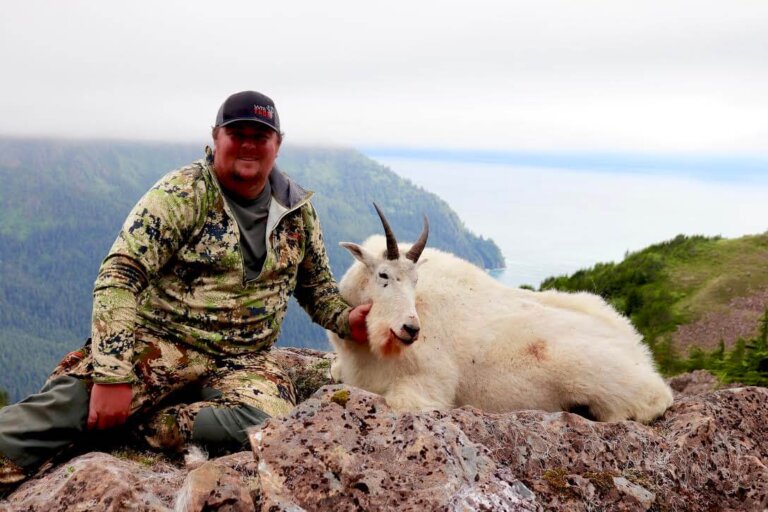
For as long as I have been in the hunting industry, Alaska has always been a place that I have been infatuated with. That being said I never had the opportunity to go until this season when I drew a limited entry mountain goat tag through our WTA TAGS program. Now that a successful trip has come and gone, I can say with full certainty, that Alaska was everything I thought it would be – and more. Its vastness and beauty, accompanied by an incredibly strong sense of “wild”, will forever have a hold on me. I’ve always had a healthy respect for mountain goats, but after hunting them, my respect for the animal and where they call home has grown by leaps and bounds. I was fortunate to hunt with a terrific outfitter and learned a lot about these animals and the right way to prepare for one of these backpack style hunts. After completing the hunt, there are sure some things I would have done differently, and hopefully I can give you guys a little insight on what those things are. To assist you I’ve included my “actual” gear list and also my “new” gear list for comparison.
- To begin, from a preparation perspective, my first piece of advice is an obvious one – get into the best shape possible. Not only will this help you from a hunting perspective, it will also help you in your mental game. Most importantly, you will benefit from a safety perspective as well. When you are training make sure you hike with a heavy pack for extended periods of time. There may be days where you have a 60 + pound pack on for four or five hours at-a-time. Cardiovascular stamina is important, but if you made me choose, I would say being strong in your core and leg muscles is far more important. I was not in great shape for this hunt by any stretch of the imagination yet I rarely felt out of breath, however; my legs and core did suffer from extreme fatigue during certain parts of the trip. I was on the golf swing and hookset training program this spring/summer and let me tell you, it’s not a good one to prepare you for an Alaskan goat hunt.
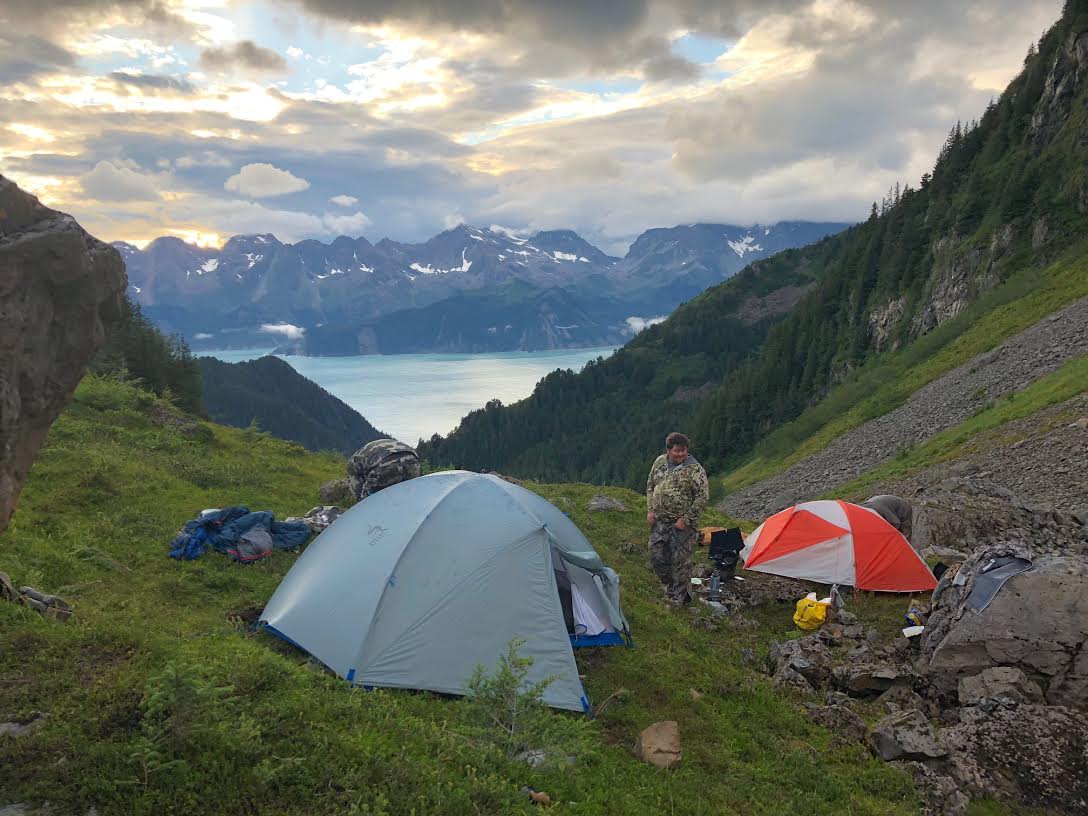
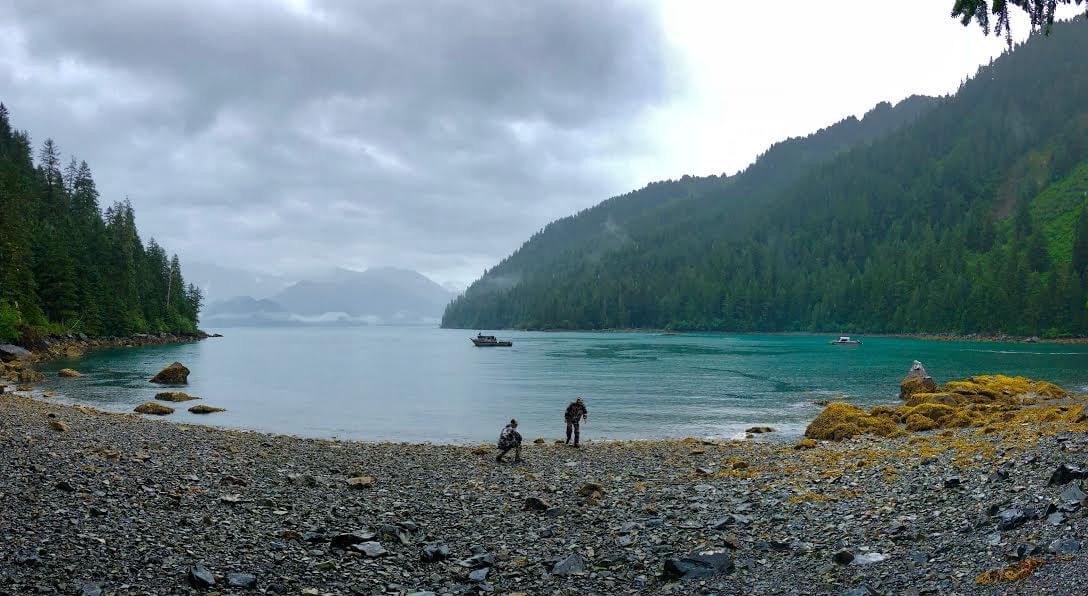
- My second piece of advice is, once again, one that I feel is relatively obvious but should be touched on. Your mental game better be every bit as strong, or stronger, than your physical game. The weather and terrain in Alaskan goat country can be relentless. You may have a five hour walk up the mountain in the pouring rain. Not to be outdone by setting up a spike camp in the pouring rain upon which you will hop into a soaking wet tent with most of your gear soaked to the bone. Things could really get sporty if you were to catch stroke of bad luck and be weathered in for the next 48hrs with nothing to do but look at the inside of your tent. These are very real scenarios that often happen to anyone hunting coastal Alaska for mountain goats. I experienced these in particular firsthand. Keeping a positive mental attitude and not letting the weather and terrain get the best of you will go a long ways. Once that weather does break, and you make it to the top of that ridge, it will all be worth it. Words can’t describe what your eyes will see and all of those perils will quickly be forgotten.
- Third on the list – lets talk about gear! This will be easier to understand once you look at the gear list. When it comes to gear less is more, bring the essentials! A great pack and a great pair of boots are paramount. As far as gear is concerned remember, “cheap meat the dogs eat” buy the absolute best gear you can afford. Every ounce you can shave is important, and gear that can take a beating is definitely the way to go. Even the best gear gets beat up pretty bad in this country. Two of my biggest mistakes where in my boot selection and pack selection. Another thing you should absolutely take with you is a book, a deck of playing cards, or something like an iPad. When you are weathered-in, these small, relatively lightweight items, go a long way for sure! I can promise you I wish I would have had any of the items listed.
- The fourth thing we should discuss is the importance of trip insurance. We have beat that dead horse of the weather being unpredictable in coastal Alaska, but I’ll say it again, these trips into the north-country carry a high risk. I don’t care whether you are in AK, BC, the NWT or the Yukon. What happens, if you can’t boat into your area, or fly into your area? Well, unfortunately, you could be subject to lose all of the money that you have paid for that trip. By the time you arrive the outfitter has paid for permits, equipment, food, made charter arrangements, paid his guides, etc. These are hard cost that cannot be recouped. In the event that weather grounded you for an entire week, getting trip insurance would look like a small price to pay to protect your investment. Additionally, life happens and trip insurance protects you from any unforeseen personal situation that may arise as well.
Hunt Opportunity
With this particular outfitter there are a couple of different hunt opportunities to call out. There will be a link to each hunt at the end of the article.
The first hunt is the backpack style hunt that I personally did. This hunt is a great value, this hunt runs $8,000 and we are seeing draw odds for these tags as good as 1 in 3. This is incredible for an elite species like mountain goat. Good draw odds, and great pricing, it’s a no brainer for the guy that is physically able to do this hunt.
The second hunt will be tailored for the guy who may not be able to handle the physicality of the backpack hunt. We call this the high alpine lake hunt. This outfitter is taking a specialized airplane and landing it on a high alpine lake essentially in goat country. This is as friendly of a mountain goat hunt that you could possibly go on. Remember friendly is a relative term in regards to mountain goat hunting. If you are worried about your conditioning this is the hunt for you. You bypass the long hike up the mountain and drop straight into basecamp by the lake. This outfitter has had many clients shoot their goat VERY close to basecamp. Draw odds on this hunt are still very good, as good as 1 in 2 in some years. The price on this hunt is $9,000 but the charter is a little more specialized and expensive and comes in at $2,000.
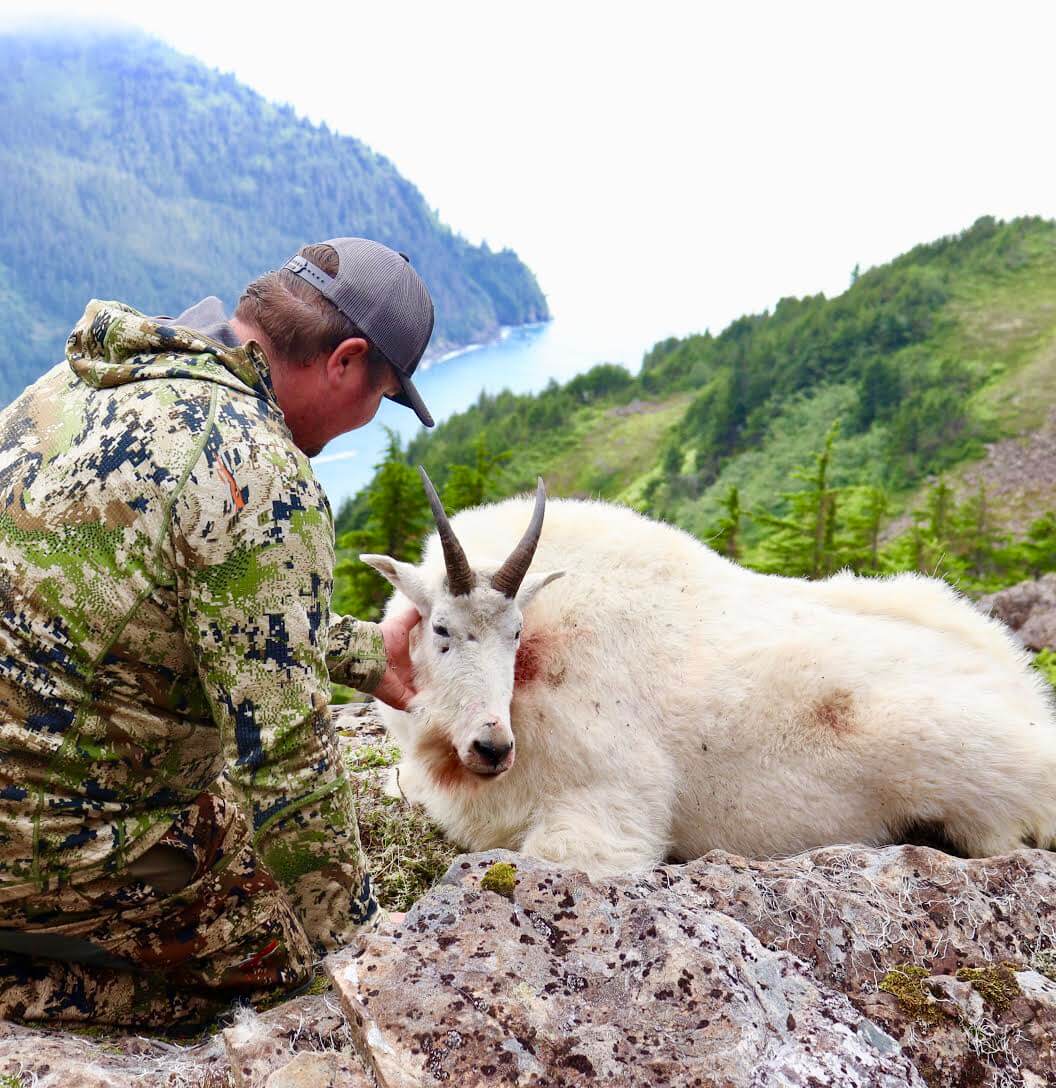
In closing, as I reflect back on my trip personally, it was as tough of a hunt that I have ever done from a physical standpoint. At the same time it was one of my most favorite hunts and without question one of my most rewarding. To be successful on a bucket list animal for me personally and to go through what we went through to make it happen, makes it one of my most cherished trophies. This is an awesome venue and an awesome value for anyone who has mountain goat on their bucket list. Call WTA TAGS today and get applied for this world class adventure – 1-800-755-TAGS (8247).
http://worldwidetrophyadventures.com/tags/tags-outfitter?hunt_id=1679
http://worldwidetrophyadventures.com/tags/tags-outfitter?hunt_id=1680
GEAR LIST
My List
- Cabela’s Prestige 85L pack
- Cabela’s Meindl Ultralight Hunter Boots
- Cabela’s XPG 30 degree mummy bag
- Big Agnes blow up sleeping pad
- 2 Sea to summit lightweight dry bags 20L
- 1 Sea to summit lightweight dry bag 13L
- 3 pairs Cabela’s merino socks
- 2 pairs extra underwear
- 1 pair Sitka merino core long underwear
- Sitka Merino Beanie
- Sitka Stormfront Gaiter
- 1 Pair Sitka timberline pant
- Sitka Redline Performance shirt LS
- Sitka Redline Performance Shirt SS
- Sitka Core Heavyweight Hoody
- Sitka Core Midweight Zip T
- Sitka Core Lightweight Crew LS
- Sitka Core Heavyweight Balaclava
- Sitka Delta Deek Glove
- Generic Leather Gloves
- Sitka Cloudburst Rain Pant
- Sitka Cloudburst Rain Jacket
- Jetboil Flash
- 4 230 gram Jetboil fuel canister
- Cabela’s Alaskan guide series QUL Headlamp
- Extra batteries
- DSLR Camera with extra Lenses
- DSLR Spotting scope adapter
- Cell Phone
- Phone/Camera charging pack (Goal Zero)
- Vortex razor HD 20-65×85 Spotter
- Vortex Razor HD 10×42 Binos
- Vanguard Veo Tripod
- Stone Glacier Skyscraper Tent
- Gunwerks LR1000 6.5 X 284
- G7 Rangefinder
- 1 Box ammo
- 1 Mountain House meal for everyday afield
- 1 Bag of assorted snacks for each day afield ( trail mix, jerky, cliff bars, high energy gummies, candy bars, drink packets)
- 4 liters of water
- MSR Water Bladder
- Nalgene Bottle with LifeStraw adapter
- Superfeet insoles
- Plastic cup and spoon
- Small first aid kit
- Blister kit
- Lighter
- Outdoor edge interchangeable blade knife
- Gerber mulit-tool
- Game bags
- Black Diamond Trail Pro Trekking Poles
NEW LIST – Anything highlighted in red is an addition or a change. The list are pretty similar
- Sitka Mountain Hauler 6200 – The Cabela’s packet was a great pack but this lightweight internal frame pack would have been much more forgiving and easier to haul.
- Crispi Guide GTX – I love my Meindl boots but out of what the guys had on around me I was most impressed by these. Lightweight and more than enough backbone to handle that terrain.
- Cabela’s XPG 30 degree mummy bag
- Thermarest Z Lite – Just a much more compact and lightweight option
- 2 Sea to summit lightweight dry bags 20L
- 1 Sea to summit lightweight dry bag 13L
- 3 pairs Cabela’s merino socks
- 2 pairs extra underwear
- 1 pair Sitka merino core long underwear
- Sitka Merino Beanie
- Sitka Stormfront Gaiter
- 1 Pair Sitka timberline pant
- Sitka Redline Performance shirt LS
- Sitka Redline Performance Shirt SS
- Sitka Core Heavyweight Hoody
- Sitka Kelvin Down WS Hoody – I would keep this in a dry bag and put it on in the evening after taking your wet top off to dry off and warm up. These are nice because they pack down very small
- Sitka Core Midweight Zip T
- Sitka Core Lightweight Crew LS
- Sitka Core Heavyweight Balaclava
- Sitka Delta Deek Glove
- Generic Leather Gloves
- Sitka Cloudburst Rain Pant
- Sitka Cloudburst Rain Jacket
- Jetboil Flash
- 4 230 gram Jetboil fuel canister
- Cabela’s Alaskan guide series QUL Headlamp
- Extra batteries
- DSLR Camera with extra Lenses
- DSLR Spotting scope adapter
- Cell Phone
- Phone/Camera charging pack (Goal Zero)
- Vortex razor HD 20-65×85 Spotter
- Vortex Razor HD 10×42 Binos
- Vanguard Veo Tripod
- Stone Glacier Skyscraper Tent
- Weapon of your choice
- G7 Rangefinder
- 1 Box ammo
- 1 Mountain House meal for everyday afield
- 1 Bag of assorted snacks for each day afield ( trail mix, jerky, cliff bars, high energy gummies, candy bars, drink packets)
- 4 liters of water
- MSR Water Bladder
- Nalgene Bottle with LifeStraw adapter
- Superfeet insoles
- Plastic cup and spoon
- Small first aid kit
- Blister kit
- Lighter
- Outdoor edge interchangeable blade knife
- Gerber mulit-tool
- Game bags
- Black Diamond Trail Pro Trekking Poles
- iPad
- Camp Shoes like crocs or flip flops