Tanzania – new area- great prices, lots of buffalo
I just returned from a trial run on a new area in Tanzania with one of our favorite outfitters.. Our outfitter took over Nalika WMA last year toward the end of season, so this was the first season to go full bore. I wanted to go run an experimental hunt there before we helped market the hunts. I had 2 friends go with me on this hunt. One was buff only and one was buff/leopard combo. I was hoping to shoot a buff.
Nalika is on the southern border of the Selous. It has been the location of a major elephant study, and thus has had active anti-poaching for a number of years while it was not hunted. We saw absolutely no signs of poaching at all. No snares, no footprints, elephants were very abundant, etc. This is a community owned area, but there are no people living in the actual hunt area. An area payment is made to both the government and the community, and the same goes for trophy fees. So the community really benefits from the hunting.
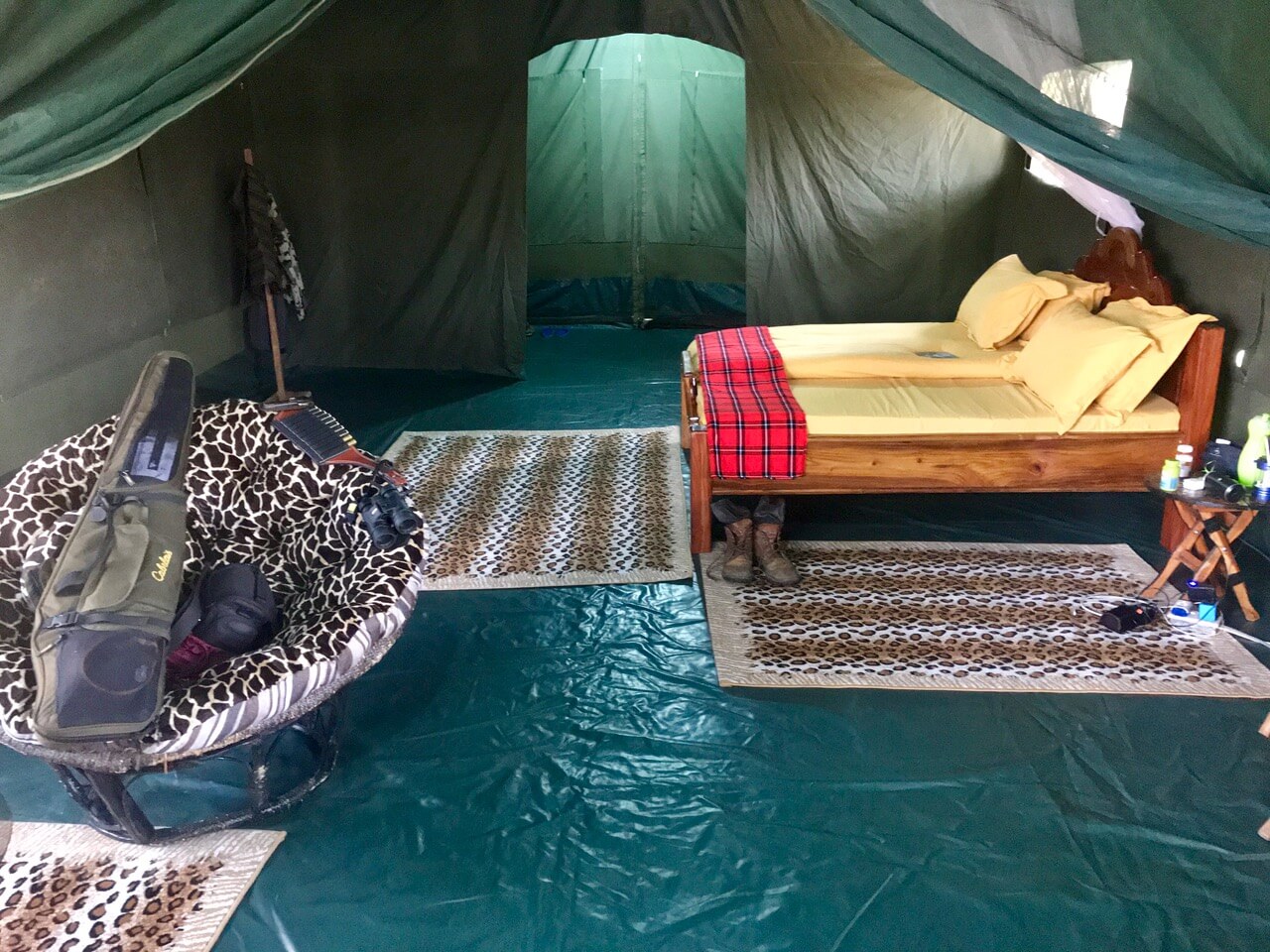
Camp is a very nice traditional tented affair with huge tents, and a nice thatch mess area at the edge of a river. We regularly had elephants, hyena, monkeys, buffalo, jackal, etc. right outside of camp, and lions are not infrequent visitors.
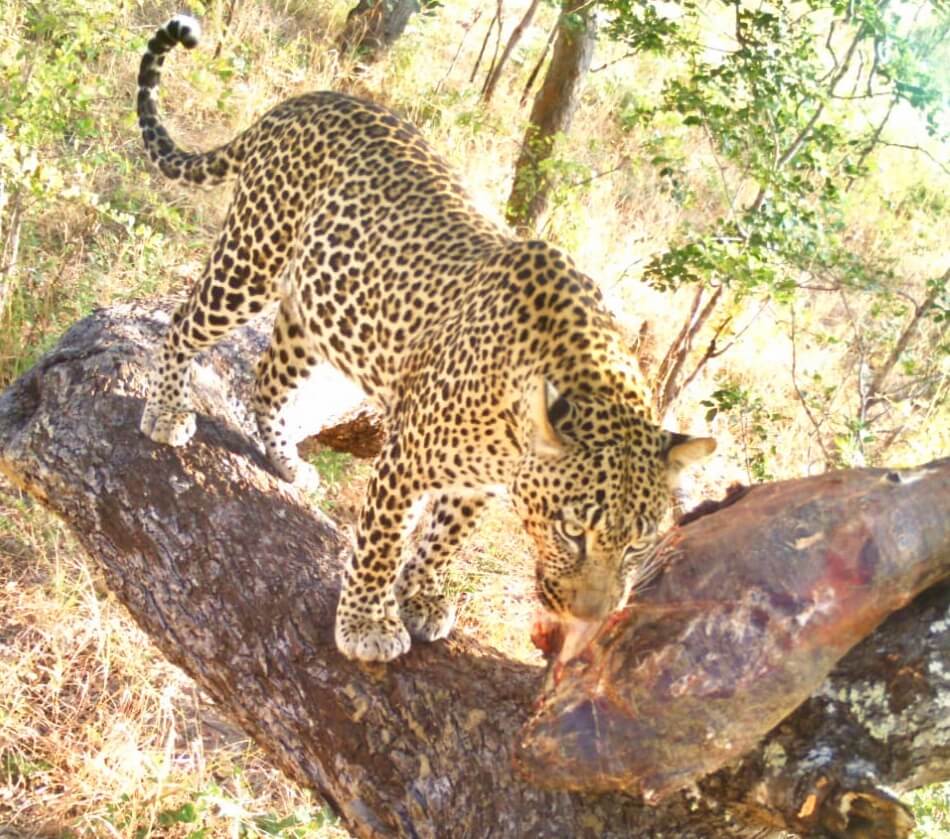
On the hunting end of things, I don’t know that I have ever been somewhere with more leopards and more hyenas. I saw hyenas in daylight 7 days in a row, and fresh tracks are literally in every riverbed and on every road. Likewise, (male) leopard tracks are everywhere. The cats take readily to bait, and stay on bait, and are not shy at all about feeding in daylight. These are normal sized leopards like you will find in the Zambezi Valley or Mozambique. Nice cats, but no 180 pounders.
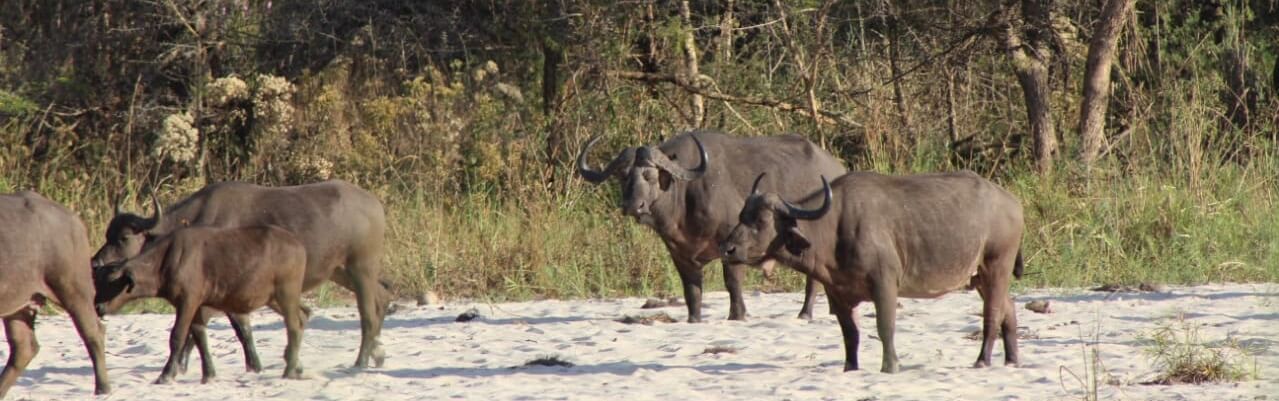
Buffalo numbers are very good. Aerial surveys estimate 2500 buffalo between this concession and the neighboring one (and the outfitter has it for next year). Lots of dagga boys around, and herds of 50-100-200 were very common. One of my friends was into buffalo (and after day 2 was not looking for them) on 12 out of 14 days, and often multiple times per day.
I saw 5 of the largest buffalo bulls I have ever seen on this trip. 5 hard bossed bulls we estimated were over 45-inches, and one my
PH thought might break 50” that had old worn tips. I don’t know how big it was except that it was HUGE. Numerous 42-43” bulls were seen.
The hunting started off with a bang. The outfitter had sent me photos of a nice leopard he had on bait for about 10 days before our arrival. The cat ate every day in daylight.
My friend and his PH went in the first day, built a blind (and a herd of 50 buff walked by as they built the blind), and more than 45 minutes before dark (beautiful daylight) the cat came leisurely walking down the dry riverbed and jumped in the tree and ate. After a few minutes, a shot was taken, the cat hit with a thud under the tree, but then he crawled into the thick riverine. Minutes later the PH stepped in, saw the cat lying at 20 yards hurt badly, but the cat again slid into the green tangle before a shot could be taken. At this point, the other 2 PH’s in camp were called in for backup.
They went in with lights, and eventually the cat began roaring from about 80 yards. It was crazy thick, and smartly, they backed out hoping he was roaring (not grunting) due to being hurt and dying.
We went back and spent the entire next morning, but no blood and no cat. The shot was on video, and it initially looked good, but on inspection, the cat was in an odd position pulling on the meat, and we suspect the shot was low or forward, or both. Terrible to lose this magnificent cat.
It was interesting that 11 minutes after all the PH’s had left the scene the night of the shot, another male leopard (not the same), jumped into the tree and ate, and later a female did the same. This was after all kinds of human activity including 2 trucks right at the bait. These cats are not human savvy.
They had another cat on bait a few miles away, and we checked that trail cam while the guys were sitting for the original cat, and he was there regularly in daylight. Those were the only 2 baits out then- leftover from another hunt just before we arrived where the client shot his daylight cat on day 4. Later we saw a big track in a good spot to hang a bait on my last day there, and we showed the trackers where to hang a bait. You guessed it, by the time I got home, there is a nice big male feeding in daylight. This place is excellent for daylight leopards.
So after the leopard mishap, we were all buff hunting. The 2nd afternoon, the leopard hunter and his PH spotted a lone buff bull in a small swampy area near a river edge about 30 minutes before dark. He was covered in mud, all alone, and ended up being 41.5”. They made a stalk on him, and were able to take him. Again, this is the guy who could have shot buffalo virtually every day after this, and passed up on some absolutely beautiful old and some really big (mid-40’s ) bulls. To his credit, this was his first safari, and he wanted to shoot a few PG animals instead of a 2nd buff.
He did end up with a nice waterbuck and a Johnson’s impala. They passed up on zebra mares, trying to get a stallion.
The other buffalo hunter in camp passed up beautiful old dagga boys on 2 occasions before he finally shot a 45” bull on day 6. He was all about width so this bull was what he wanted though it didn’t have much for bosses. He also killed a Niassa wildebeest and an olive baboon. He wasn’t looking for much else, but toward the end, he decided to try for a 2nd buffalo. They found a beautiful old dagga boy in a dry riverbed, and somehow he just totally missed. It happens to us all at some point.
I had to work a bit more for my buff. On day 2, we got on fresh tracks, and 5 miles later, we caught a herd in some pretty thick grass. We slipped in and out looking at bulls and cows, but didn’t see anything solid. Then we heard a hippo, and things got a bit tense in the thick stuff. Eventually, we got to the bank of a mostly dry riverbed, and there was 120-150 buff from about 80-150 yards. My PH pointed out an absolute monster (the one he thought might make 50 inches). We tried to go around them on the bank above with the wind, but we were cut off by a korongo full of water and hippos that our tracker said went for 3 km, so we couldn’t move that way. We got as close as possible on our bank, and there was a fine looking 43”ish bull lying on the sand. When he got up and was the last in the herd as they moved off, PH put up the sticks. I knew I could shoot 80 yards with the red dot on my double in the wide open, but then I looked just under us, there was a hippo cow with calf, and a bull on the sand at 15-20 yards away. The gentle bank they used to get up and down was at my feet, and it was like a runway from them to us. We sure didn’t want to have a shootout with hippos, and it was just day 2, so we backed off and decided not to shoot.
Obviously a bit obsessed with the giant buff we saw, we tried to find that herd for the next 4 days. I think we were on their tracks a time or two, but the wind or high grass always got us.
We had a number of other close calls with buff without getting shots. It just seemed like we were snakebit. We saw a number of old shootable bulls, and some other really big bulls, but we never could get into double rifle killing range, or get a clean shot. If I had of had my scoped .416, things would have been different.
Toward the end of my hunt, we got on a big herd just after day break, and we had numerous shots at young bulls, but the big guys were always just a bit too far, and the wind wouldn’t stay consistent. Eventually we followed them to the boundary of the neighboring concession where we had to stop after 2 hours of “almosts”.
That afternoon about 1PM as we were driving along looking for a place for lunch, we drove into a group of bulls. They ran over an open hillside and out of sight, so we thought we wouldn’t have much trouble finding them. We didn’t. We only walked a few hundred yards up to the ridge, and a long valley was below, and it was full of buffalo. The bulls we saw were the back end of a huge herd that ended up stretching for over a mile. The ridge we were on ran parallel to the bottom where the buff were, but it was thick, and you could just heard them, and occasionally see a few animals as they went through openings or popped out on the far hillside about 250 yards away. We saw one absolute tank of a bull with big bosses, probably 44” wide and deep drop. He was my dream bull. We just knew if we went into the thick bottom, we would blow the whole bunch out.
Our plan was to wait around and hope they either came back up our way in late afternoon, or fed over the other ridge in the open hills so we could make a move and get a shot. My PH and I and one of the other PH’s in camp, moved up and down the ridge glassing different animals, and just trying to catch a break.
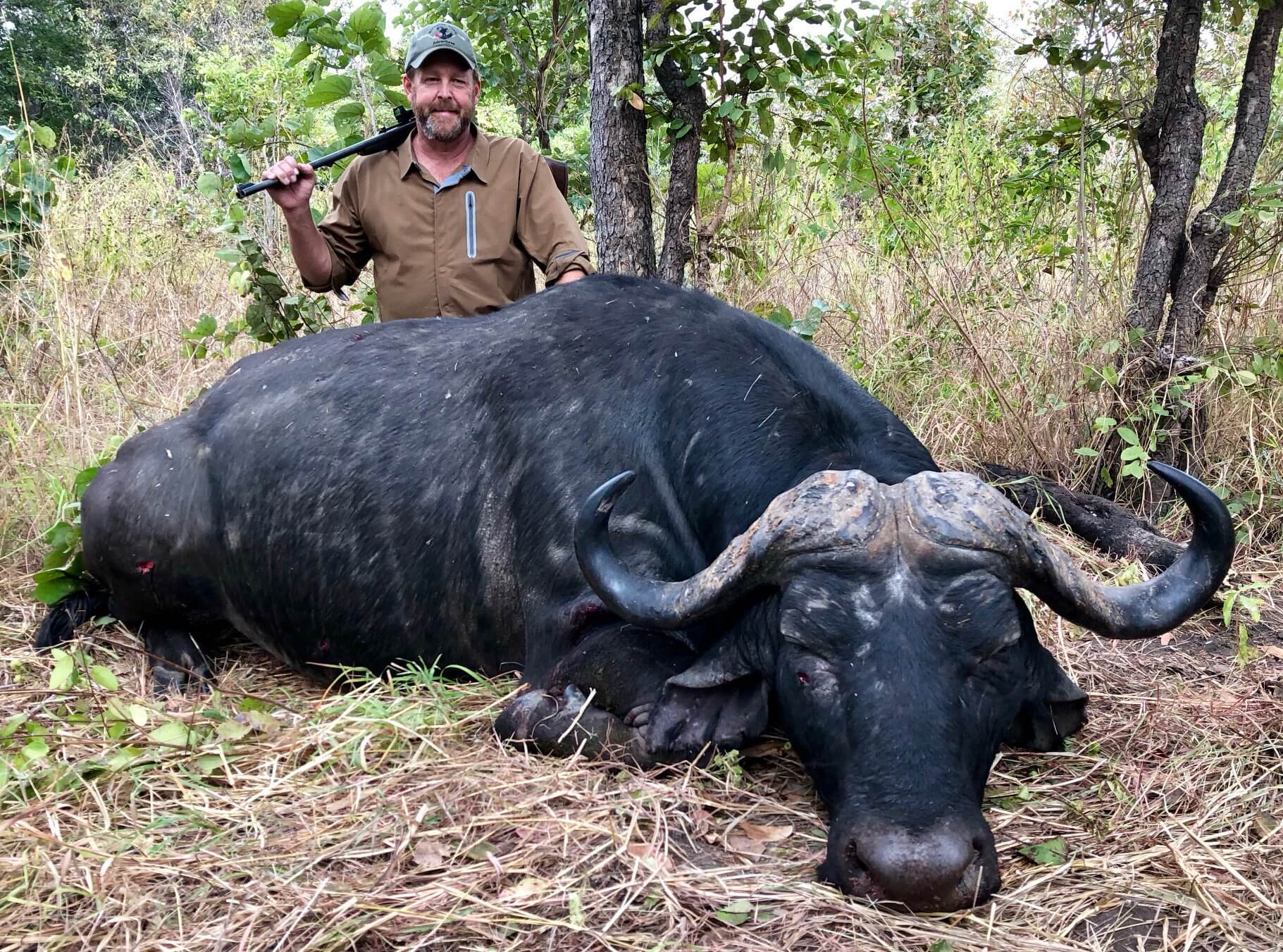
Finally, below us, two hard bossed bulls fed in a small clearing. We dropped below the ridge and got in position, but the bull we had keyed in on moved into some brush, and my PH told me the other bull was in the shadows facing us, and he was very old, but not huge. That’s all I needed to hear. I waited on the sticks, and when the old bull stepped out and presented his shoulder, I took the shot and he crumbled, immediately bellowing. We all figured spine shot. There was a lot of grass (that ended up being way taller than I thought), and I shot a couple more rounds into any part of the bull I could make out.
It turned out that my first shot actually broke both shoulders and was a good double lung shot. Our subsequent shooting was not at all necessary, but I was fine with pumping him full of lead and knowing he was done before we waded down into the tall grass. We had shot him head to rear, but better safe than sorry. He hadn’t moved 3 feet from the initial shot.
He was a great old bull. Obviously not wide (about 38”), but old with worn bosses, and a tank of a body. I would be lying if I said that I wouldn’t have rather killed one of the 45”+ bulls I saw, but I love shooting ugly old buffalo bulls, and that is exactly what he was. I am 100% happy with him.
After that day, my PH and I went over and explored the neighboring concession and checked out the camp that is being erected there. The country is much more open there as it has been burned regularly for years, and we saw a herd of 200+ buffalo bedded right out in an open riverbed in early afternoon.
This area is about 2100 feet elevation, and it makes a lot of difference in temperatures. Nights were great for sleeping as they were in the 50’s, and days were generally in the mid-80’s. So it wasn’t too hot. We did a lot of burning of high grass, and I have no doubt that the buff hunting will be even better in September and October.
There were 3 hunters that came in when we left, and they all killed nice hard bossed bulls within 4 days.
One of the best things about hunting here is that you don’t have to have an expensive charter (normally $8-10,000), and the outfitter has priced these hunts about like a normal priced buff or buff/leopard hunt in Zimbabwe. He also covers 1 gun permit, all license, govt and community fees, 1 night in hotel on each end of the trip and main trophy fees in his pricing. It’s a heck of a good deal for someone who wants to hunt buff or leopard in Tanzania but can’t afford the normal high costs of that country. If you would like more info on this trip, contact me at tim@trophyadventures.com .