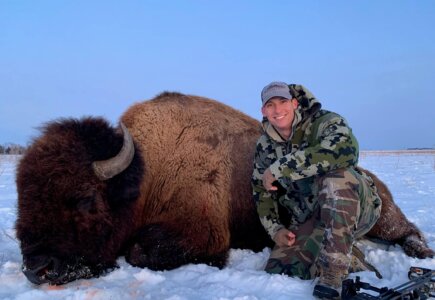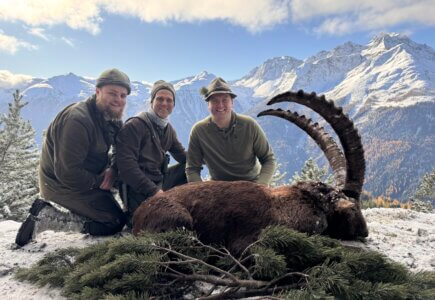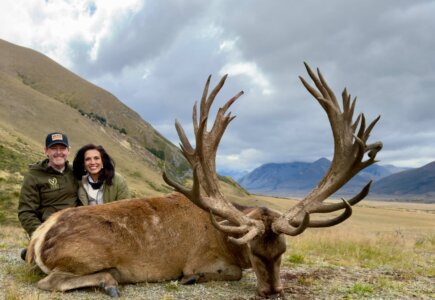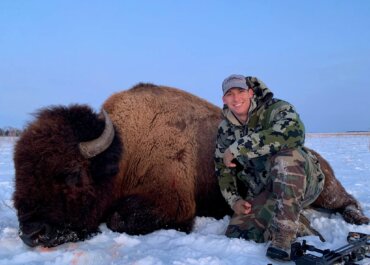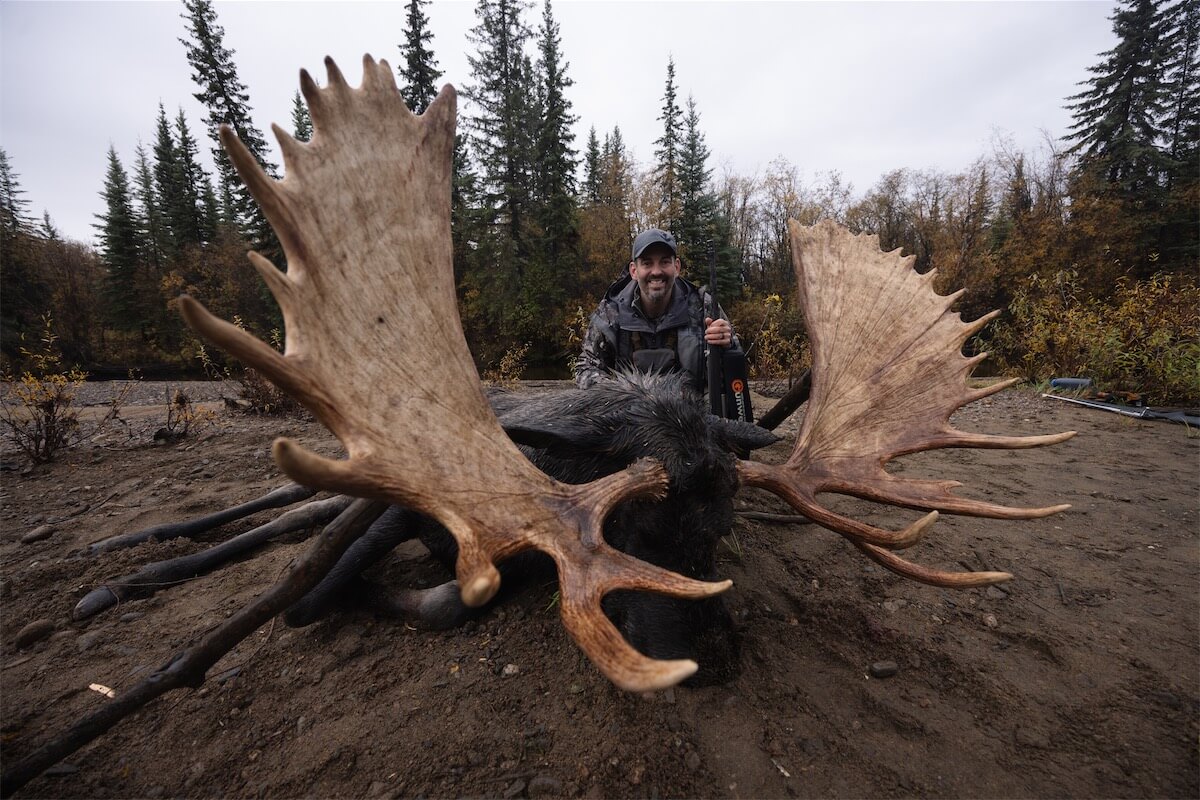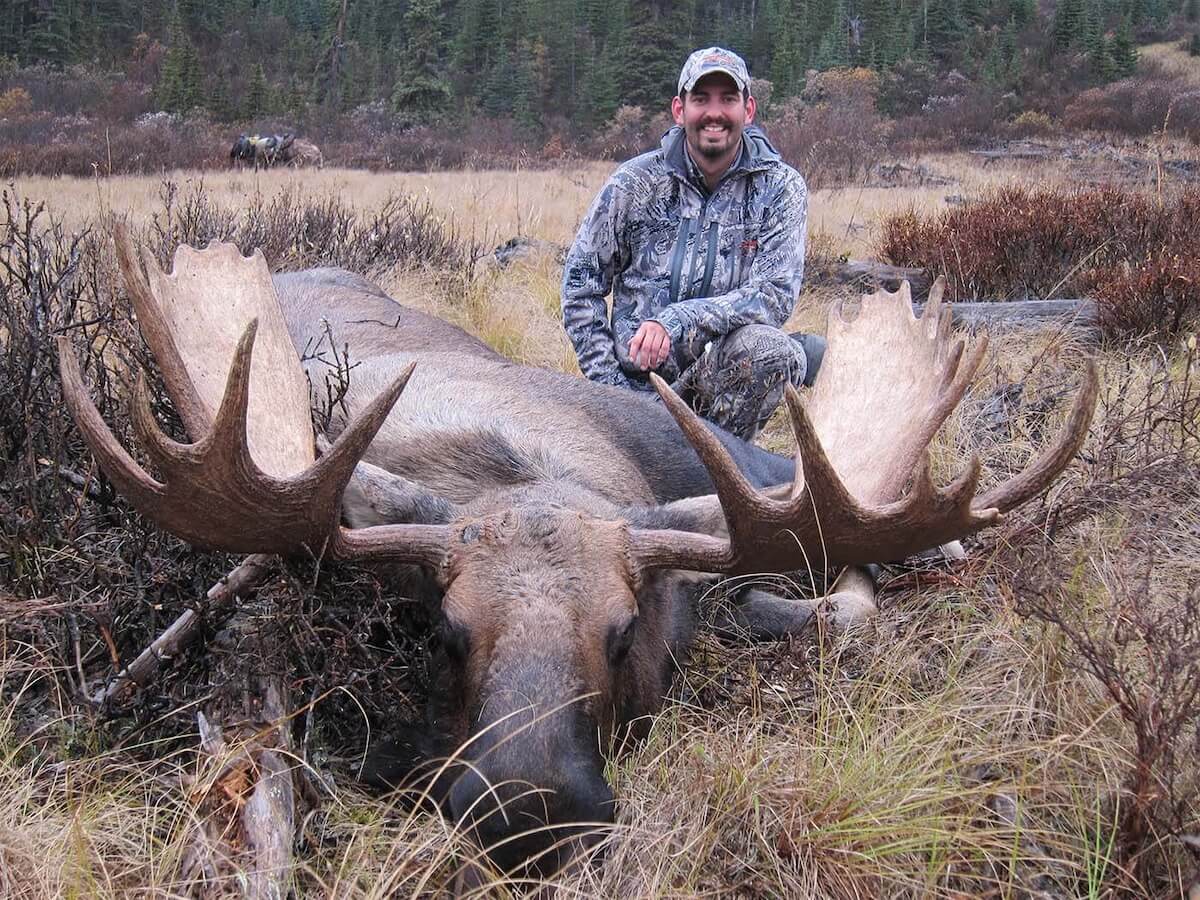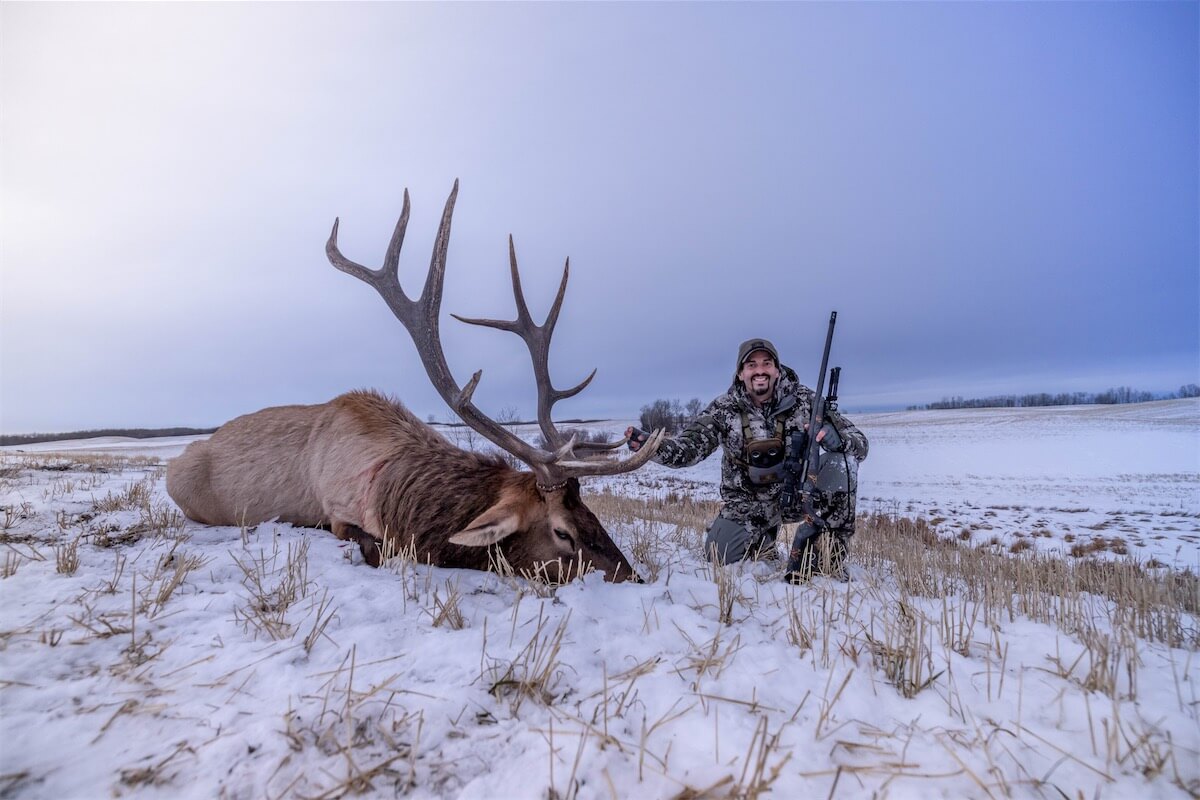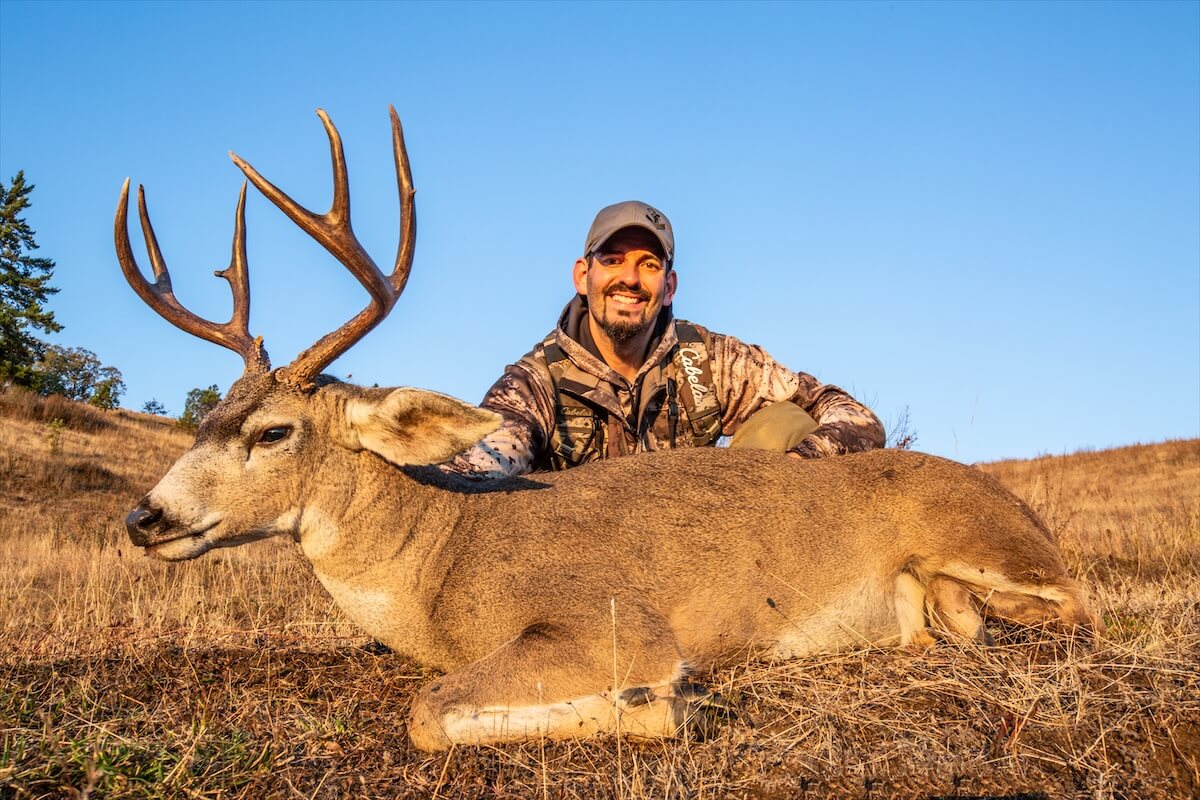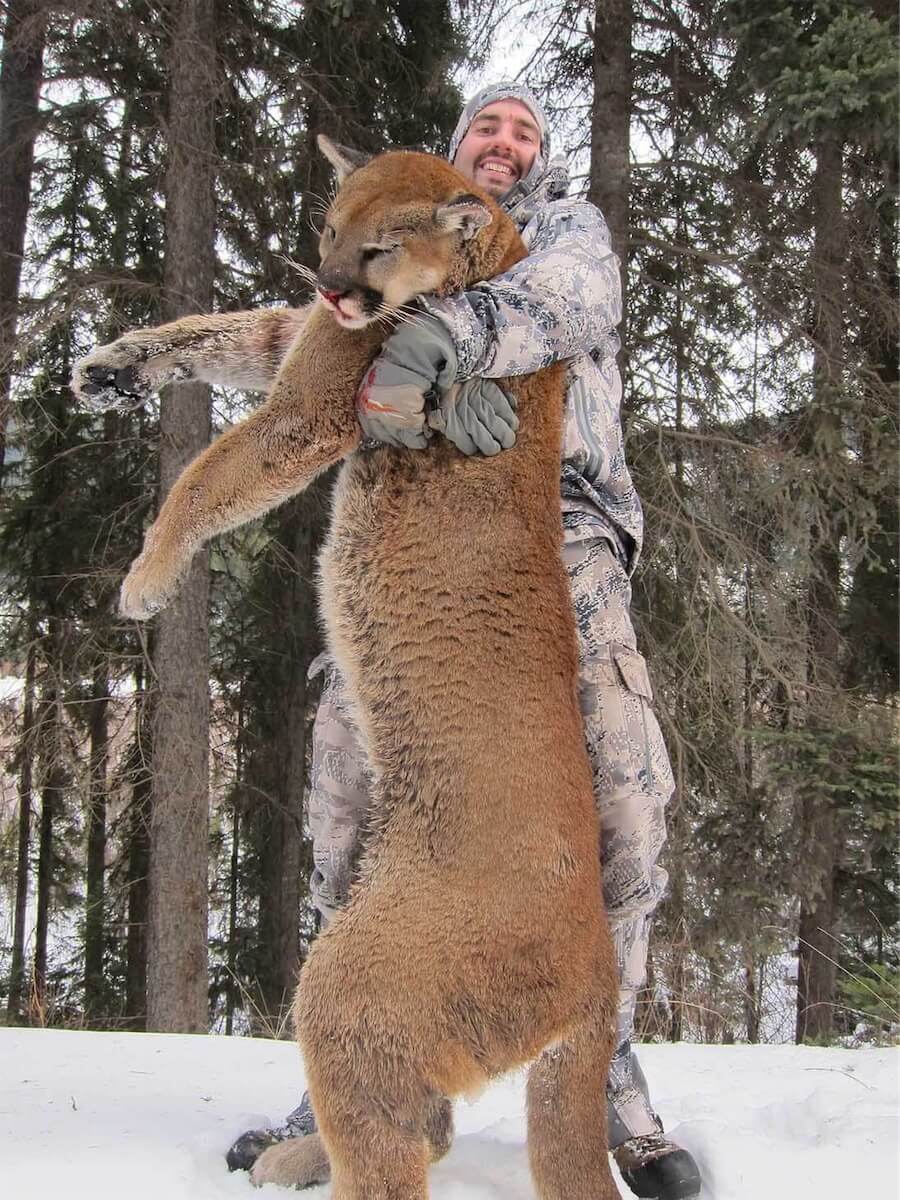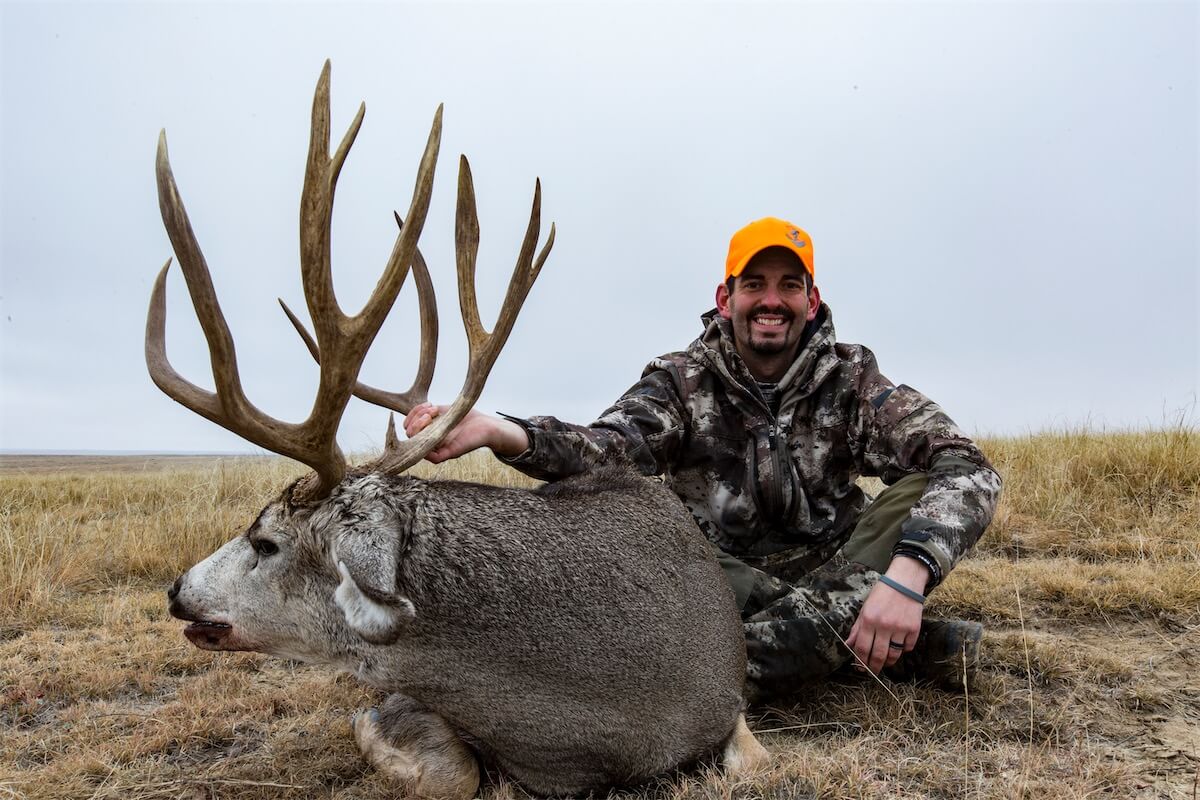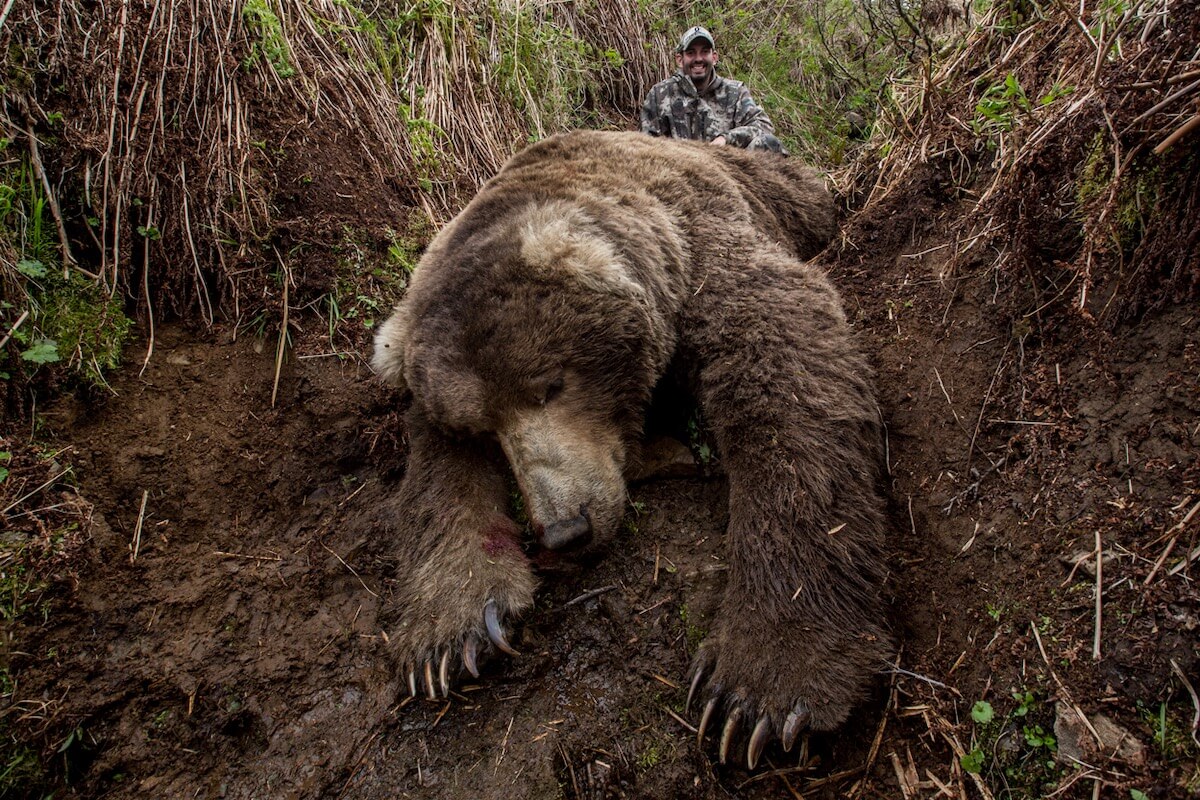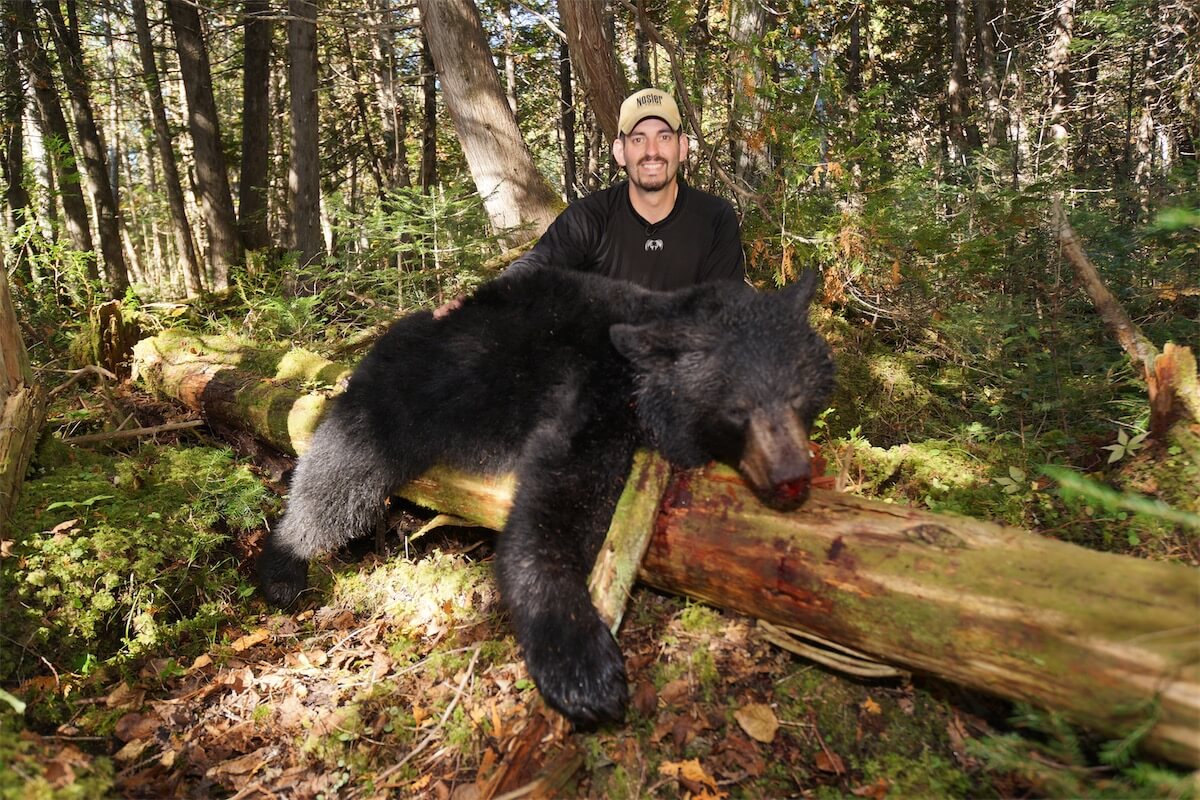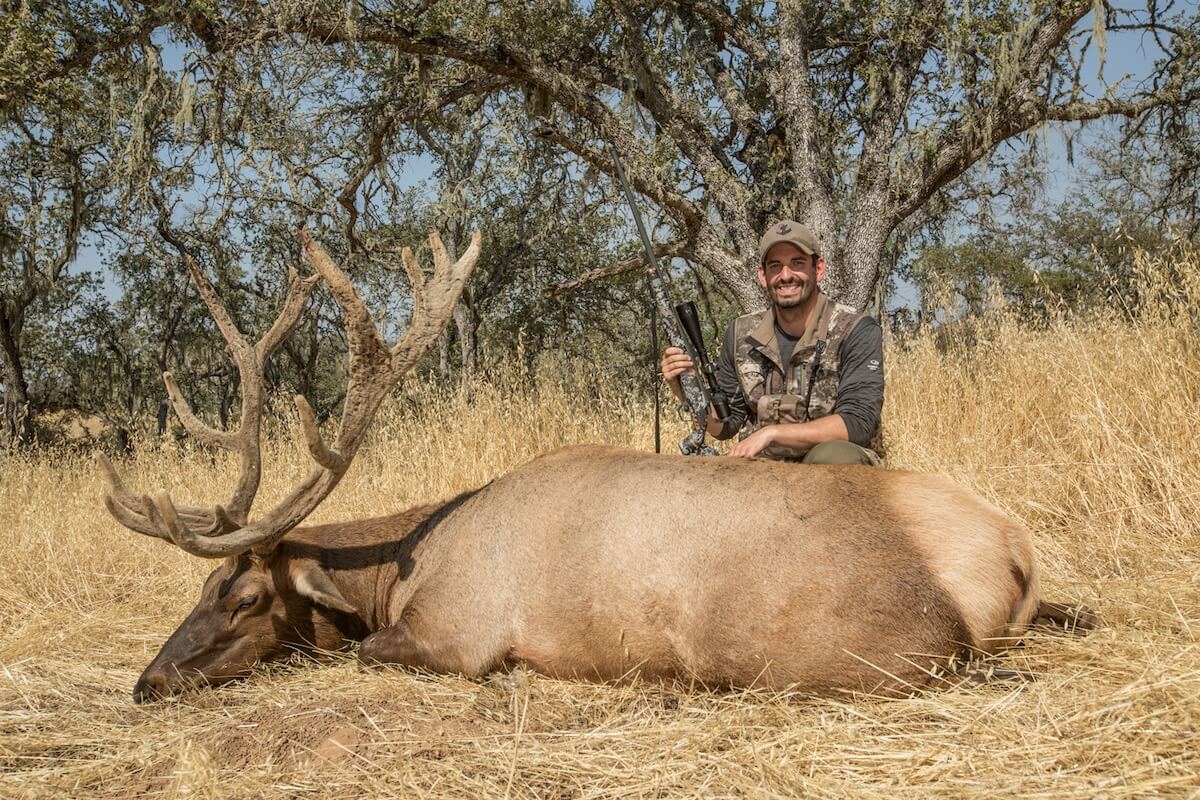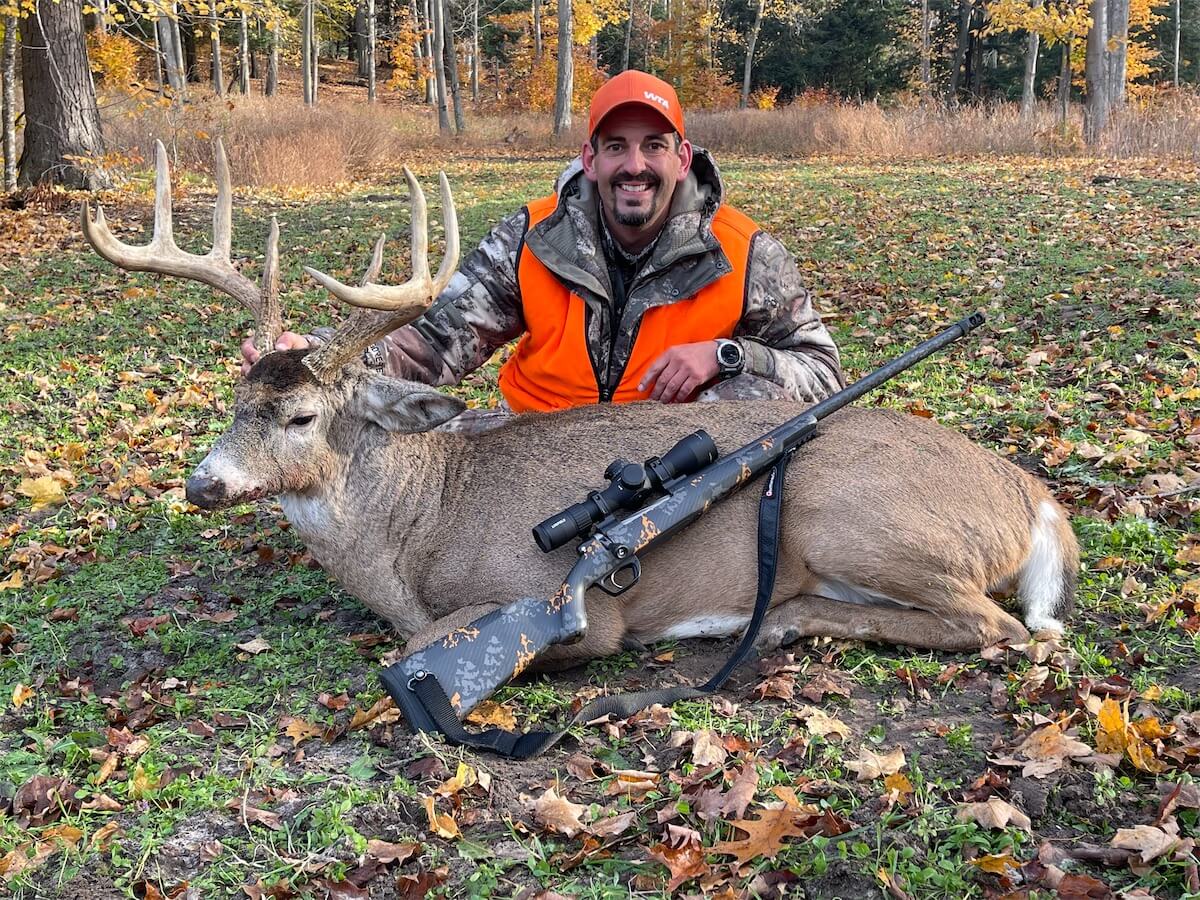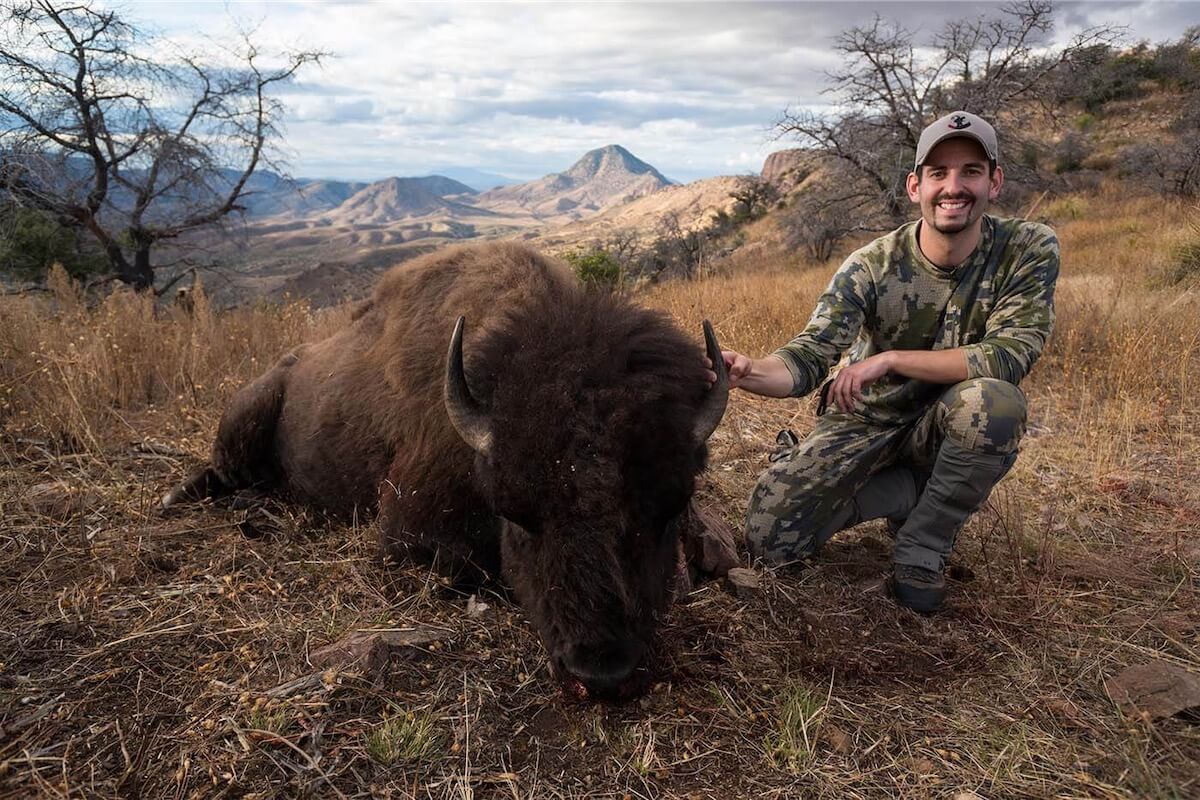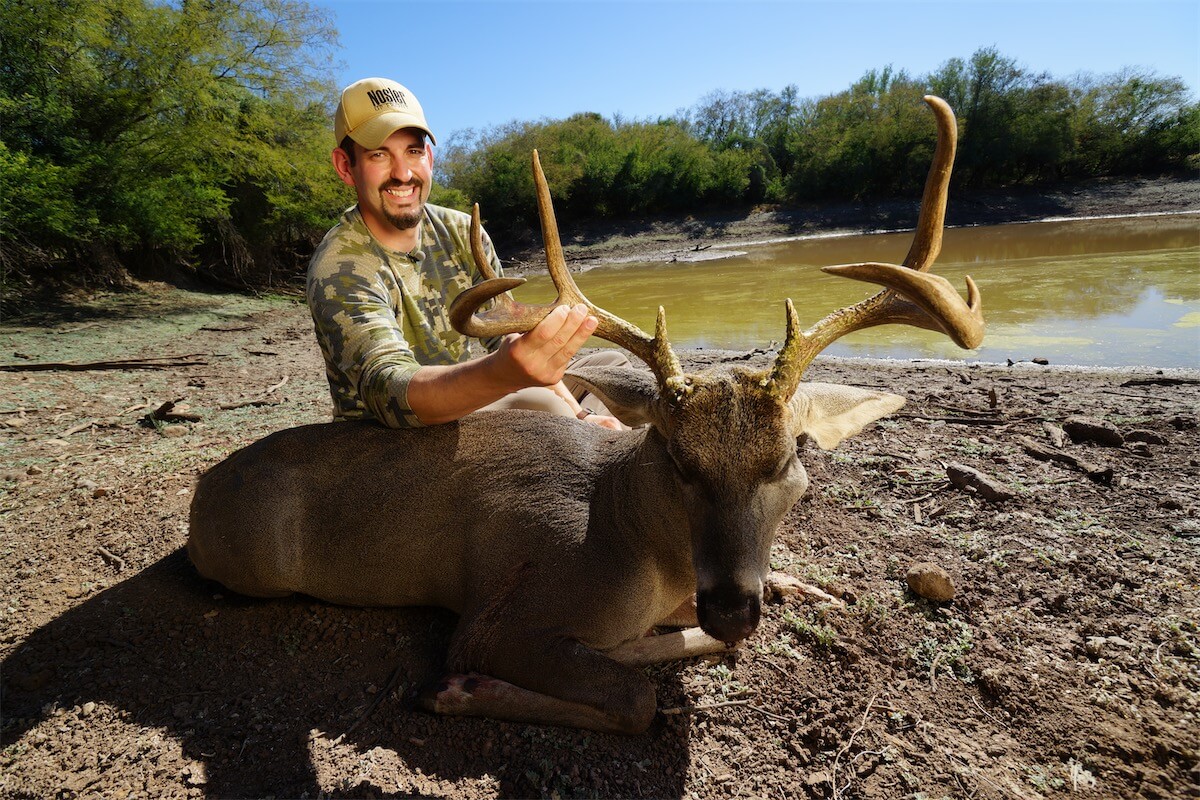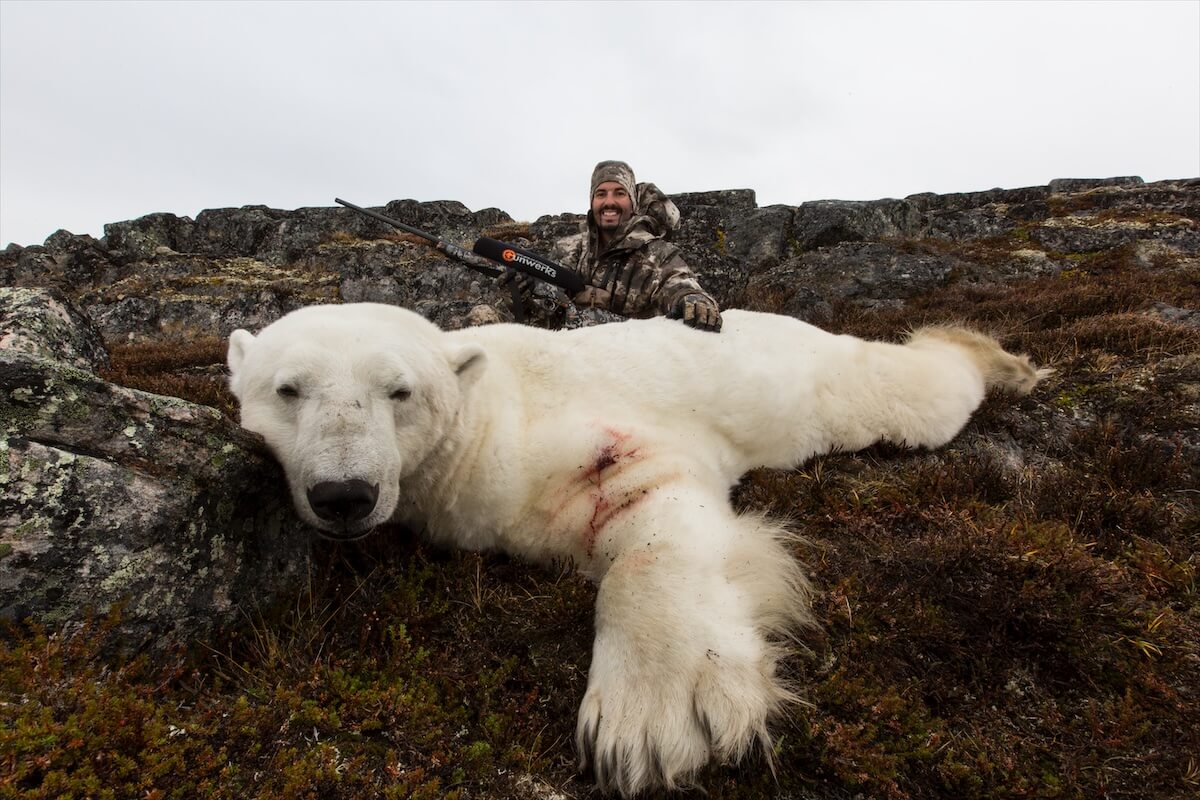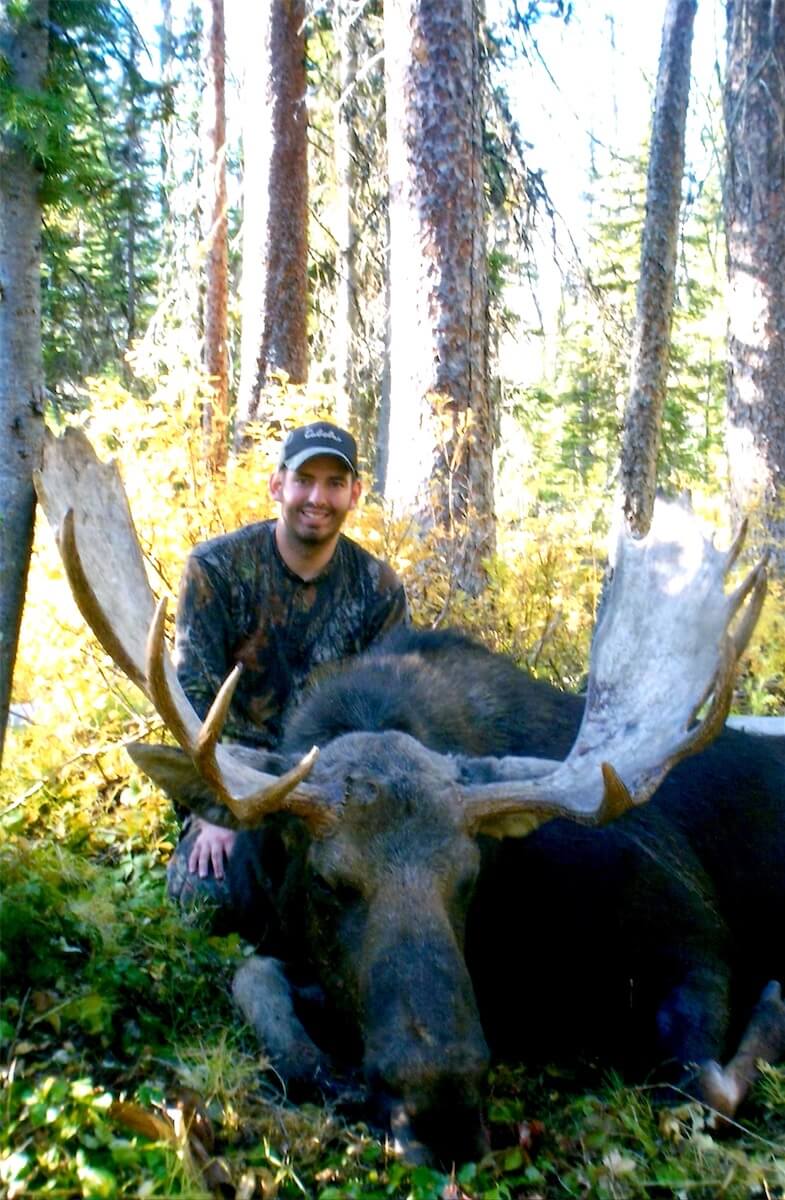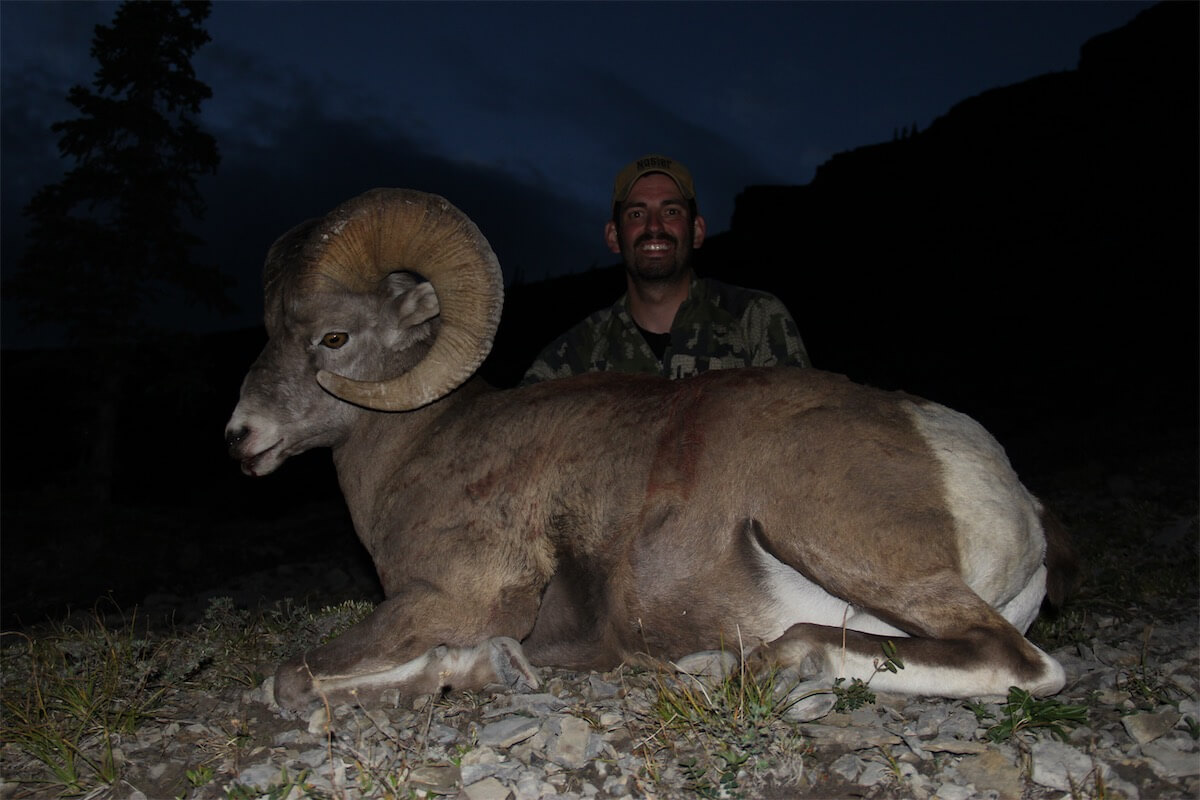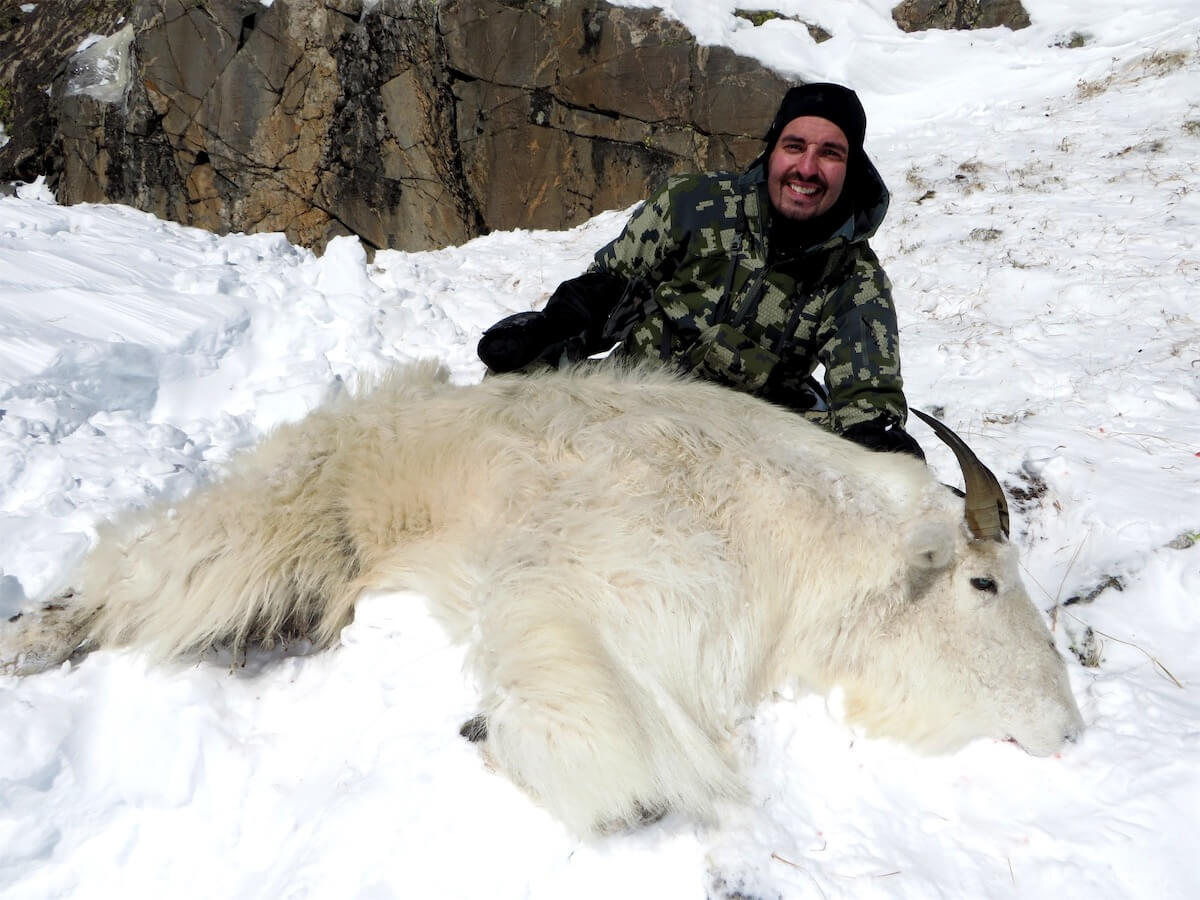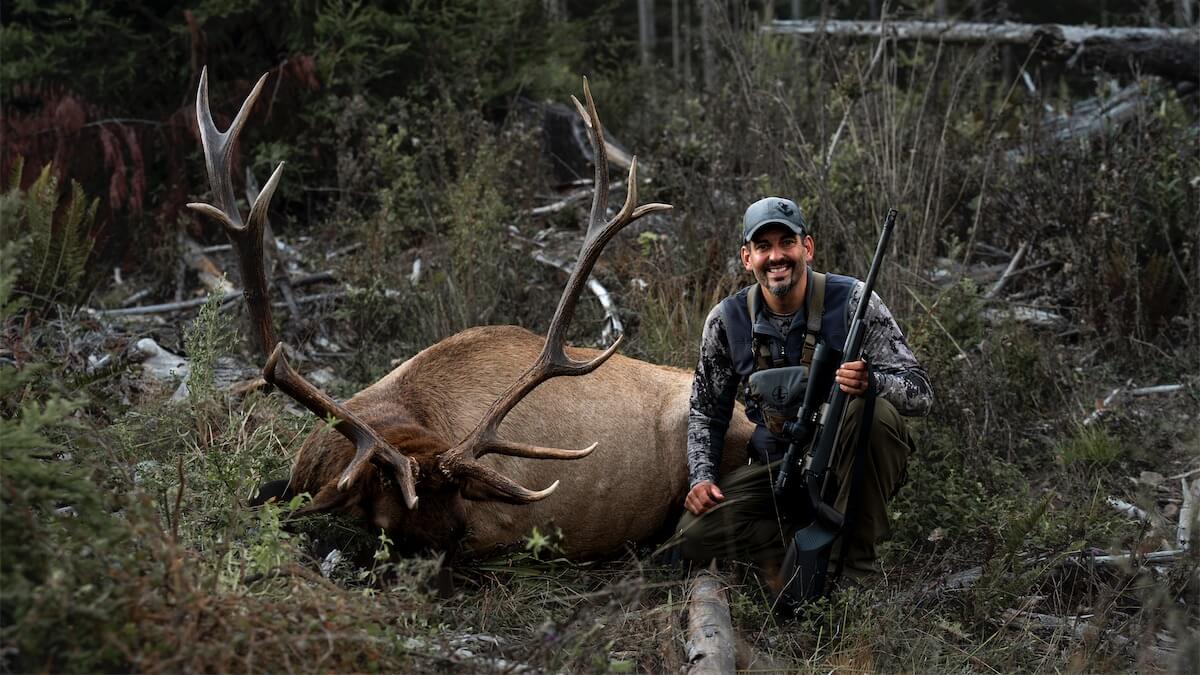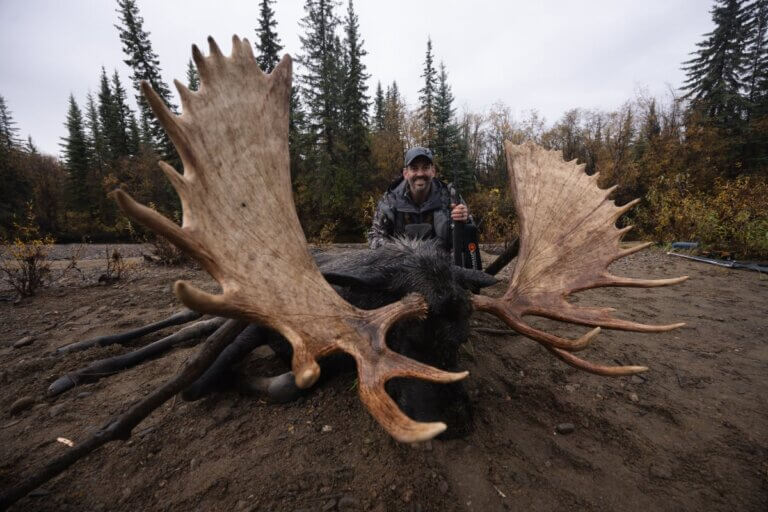
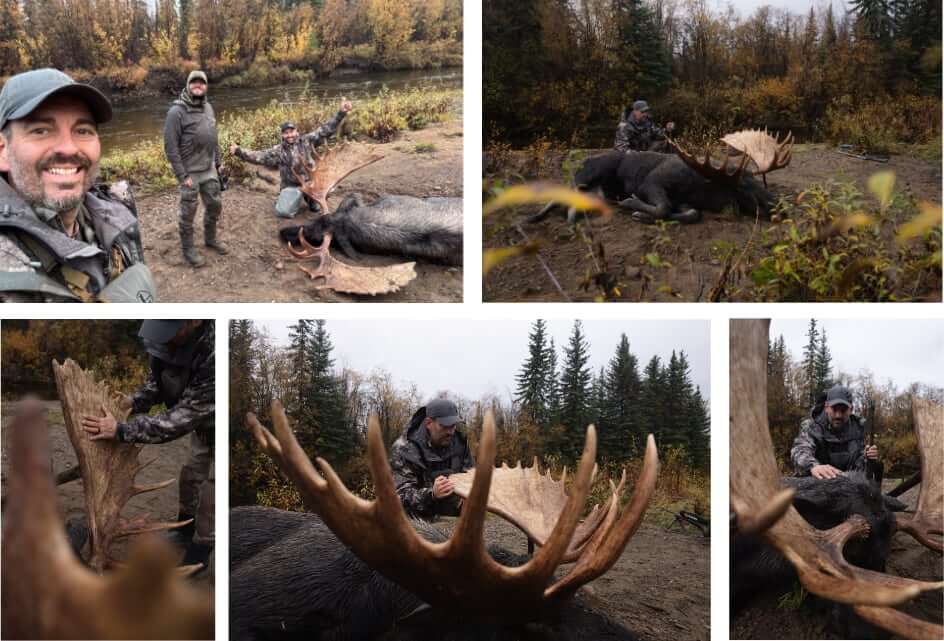
It was September in the Yukon, and I was standing on a sandbar hundreds of miles from the nearest road. My camera guy and the guides were the only people around. When that moose went down, the three of us completely lost it! At that moment, you couldn’t have found three happier guys in the world. That bull completed my North American Super Slam, all 29 species, and it happened exactly 30 years to the month from the hunt that started it all.
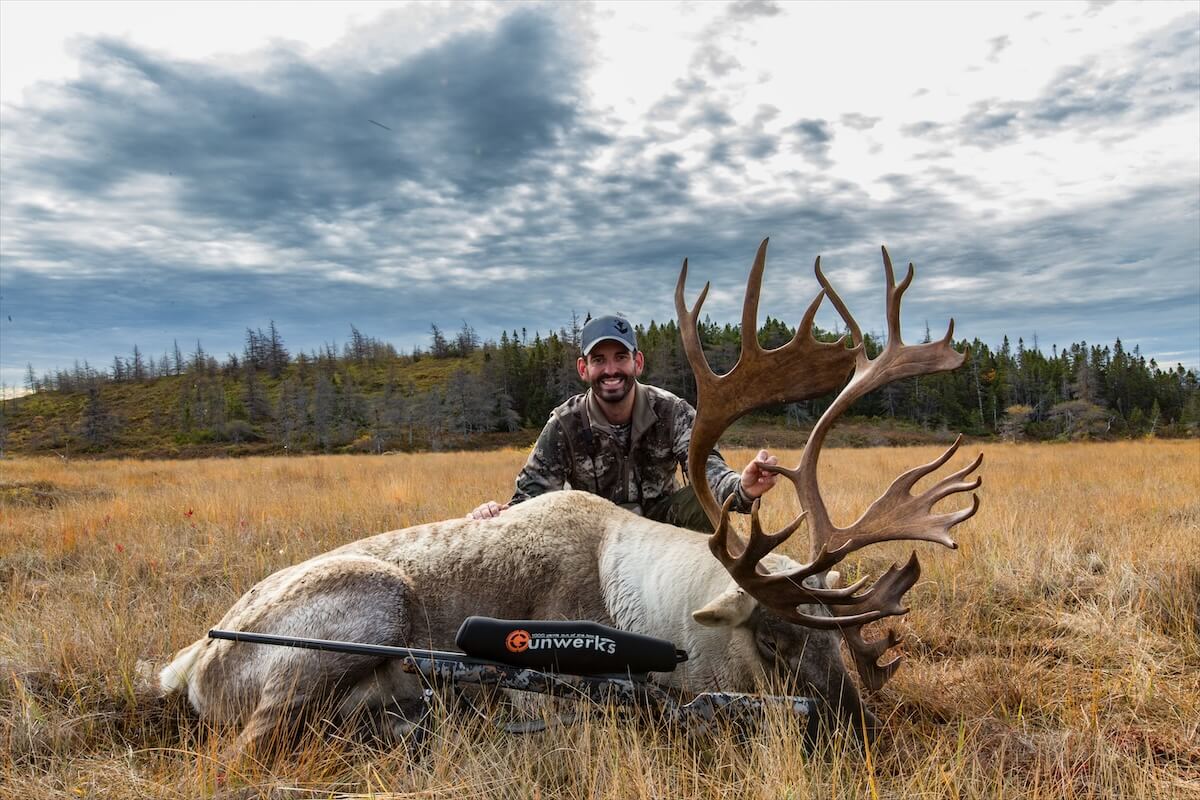
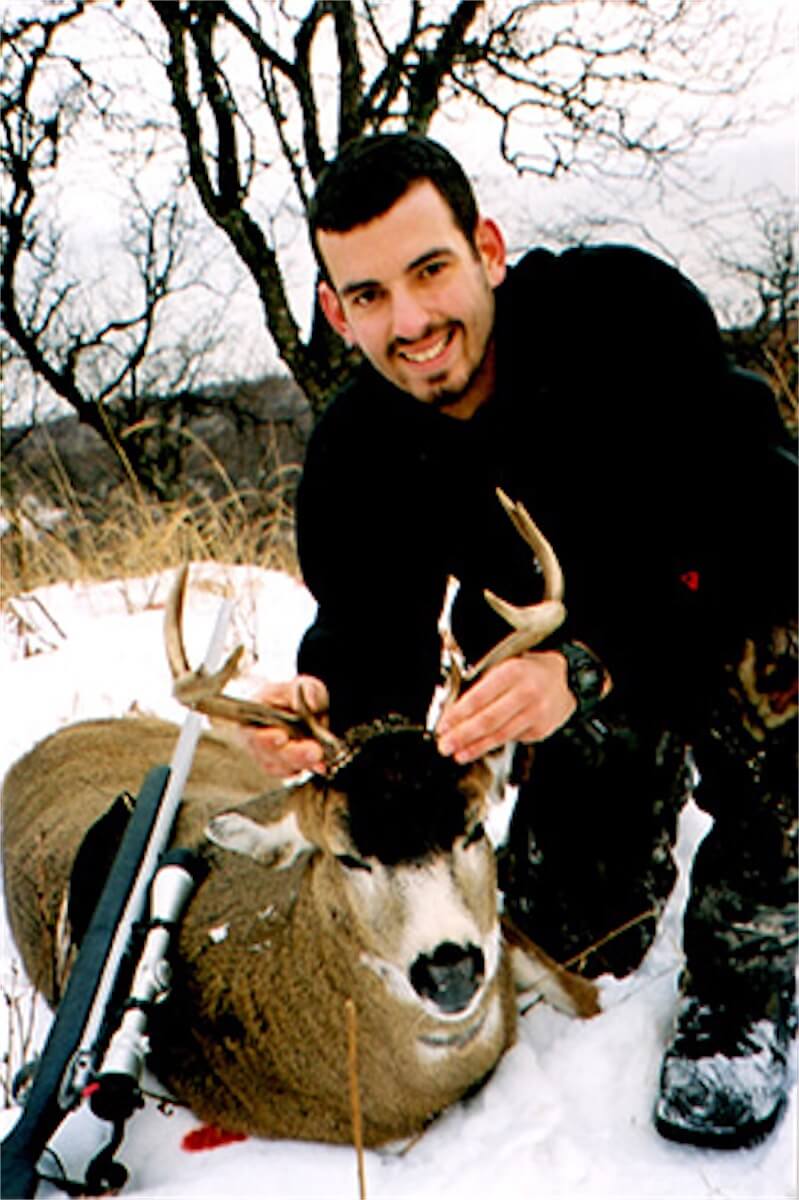
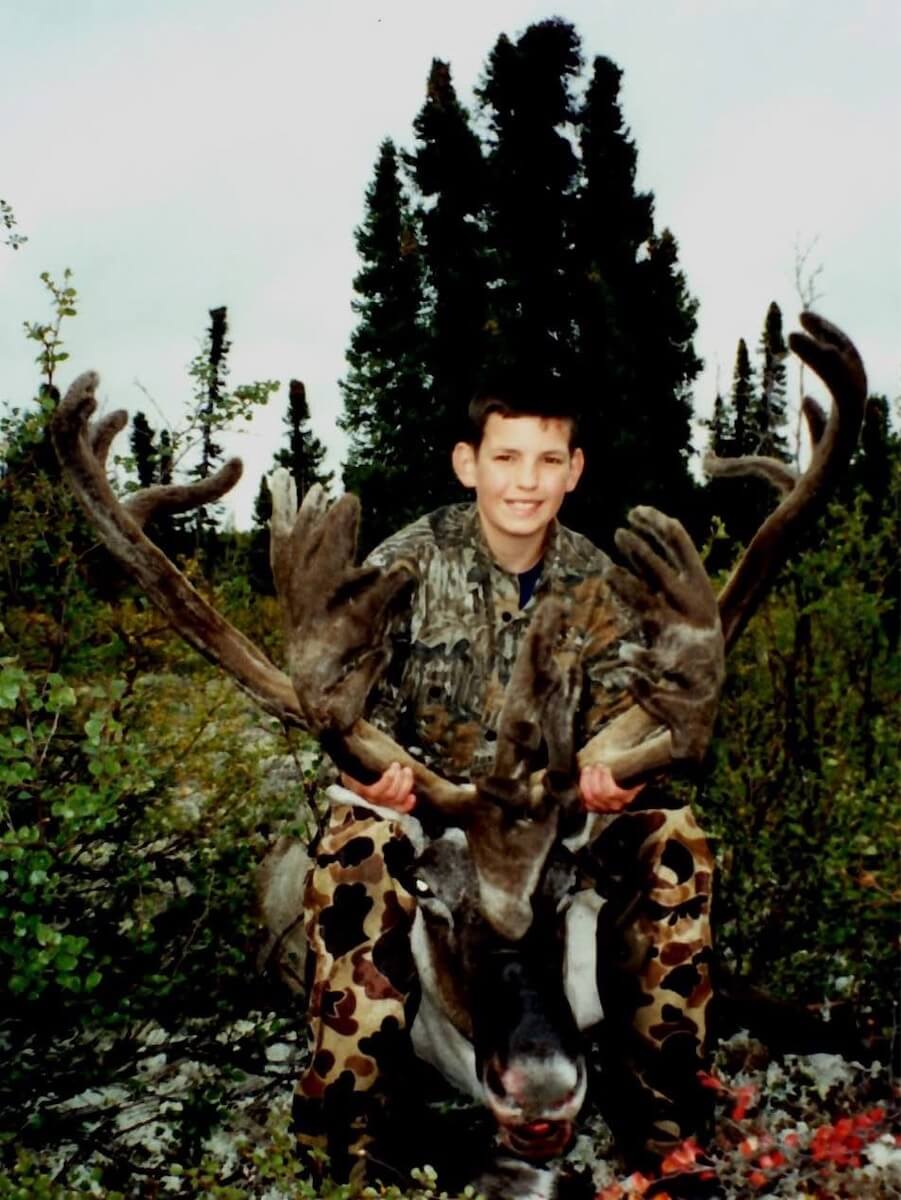
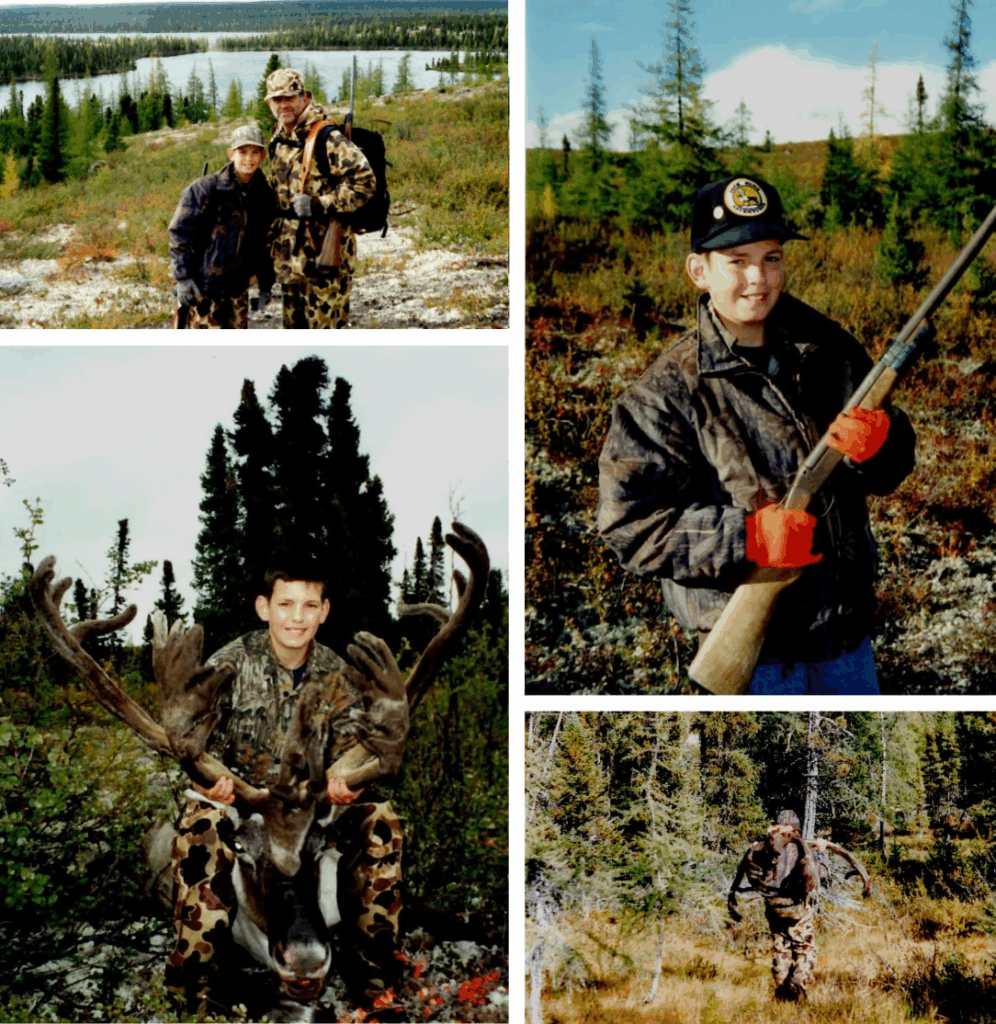
It was 1995 and I was 12 years old the first time I went on a big game hunt. My dad was planning to take me to Quebec, Labrador to hunt caribou. Back then in Michigan, you couldn’t hunt until you were 12, and I had to take hunter safety first. We went to the sheriff’s office and they let me take the test right there. The timing worked on the farm, too. It was after cherry season, but before apple processing started, so we had a little gap when we could sneak away. A caribou hunt in Quebec ran about $2,200 back then. Looking back, that was cheap, but at the time it was a lot of money. My dad took me up there because he knew I loved the outdoors. I remember the details of that trip like it was yesterday.
After Quebec, I didn’t go on another travel hunt until my sophomore year of college, when we went after blacktail on Kodiak Island. That was nine years later. In between, it was deer hunting in Michigan, bird dogs, upland hunting, and eventually bird hunting trips to North Dakota. But Kodiak reignited something.
For a long time, the Super Slam was more of a dream than a plan. I’d never sheep hunted, never been in the high mountains. But when I got into the hunting industry about 13 years ago, that changed. I started traveling more and realized I had a passion for trying new things in new places. That’s what the 29 is. New species, new country. Every hunt is completely different. Even hunting the same animal can be different. Caribou are different depending on whether you’re in Newfoundland or Alaska. Once I committed, the planning became a huge part of the process. Very few species can be doubled up on the same trip. Most North American hunting happens in the Fall, except for bears, so it requires stacking hunts in September through November. COVID derailed a couple of trips to Canada, and a lot of scheduling had to be reworked. There was no grand design for it to take exactly 30 years. That’s just how it worked out.
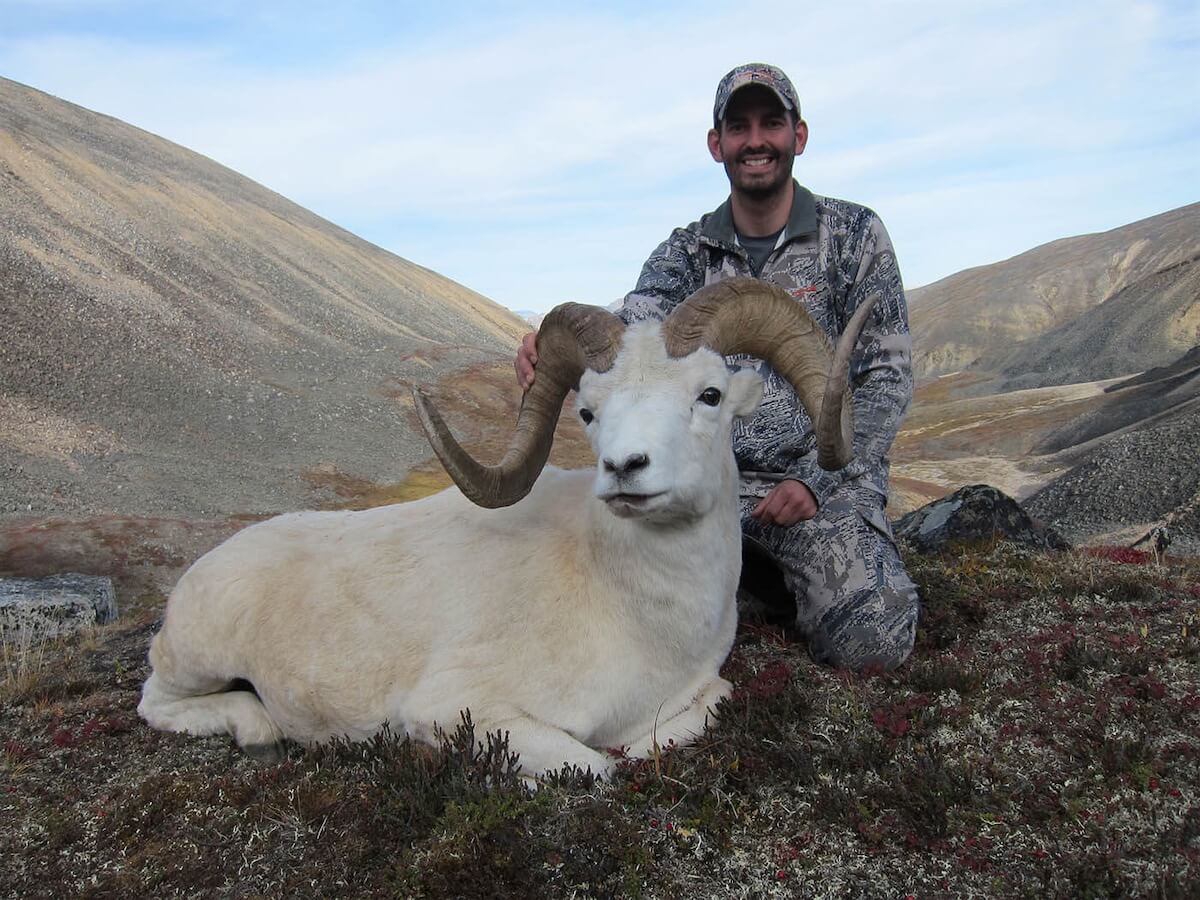
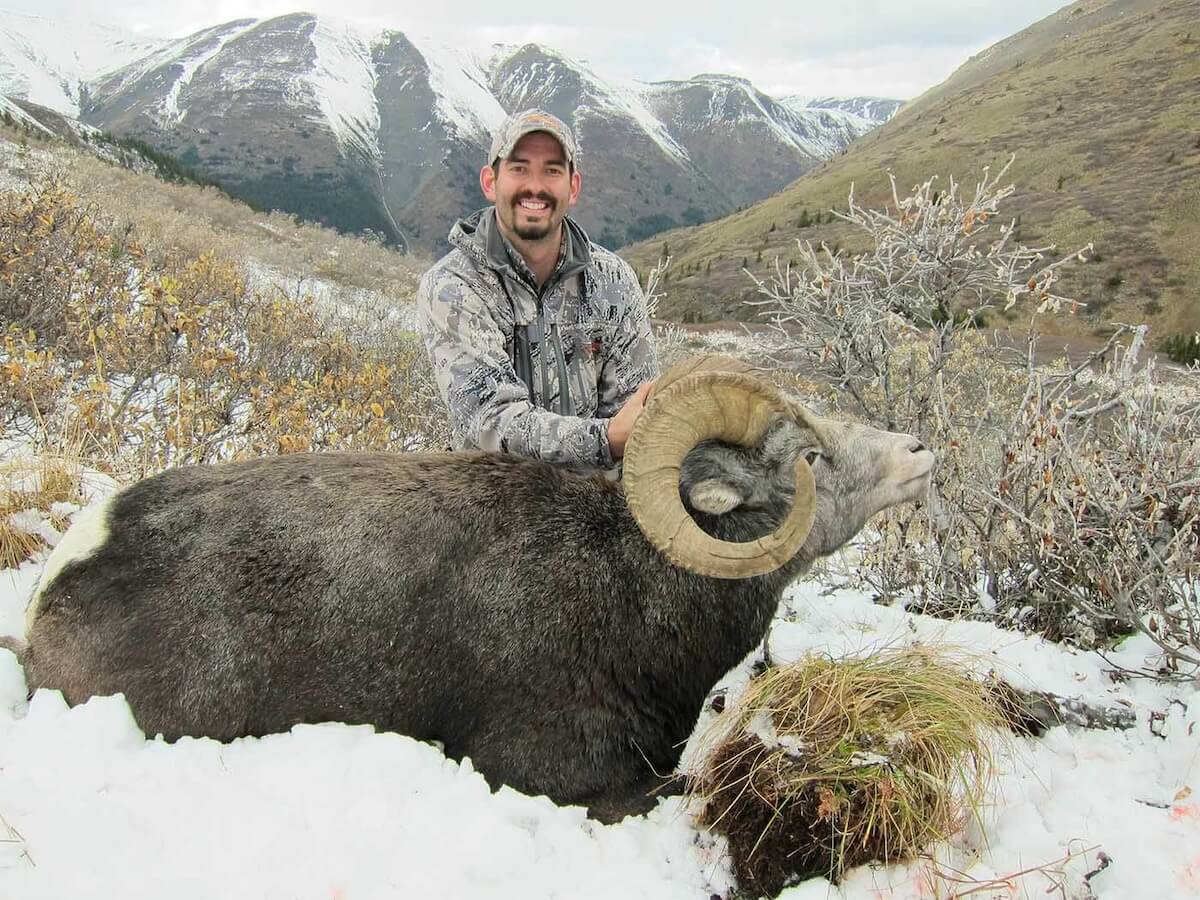
A few moments stand above everything else when I look back. That first hunt with my dad in Quebec, obviously. My dad was with me on a number of these trips, and even when we didn’t know I was building toward the 29, those memories in the field were always special. My first Dall sheep hunt in the Northwest Territories was a turning point. I went in not knowing what to expect, and it hit me fast. I didn’t have the right gear. I wasn’t prepared to shoot at the distances that vast country demands. I wasn’t mentally tough enough. I got back after that first week and thought I might never do it again. A week later, I was planning the next one. That’s the mountain bug!
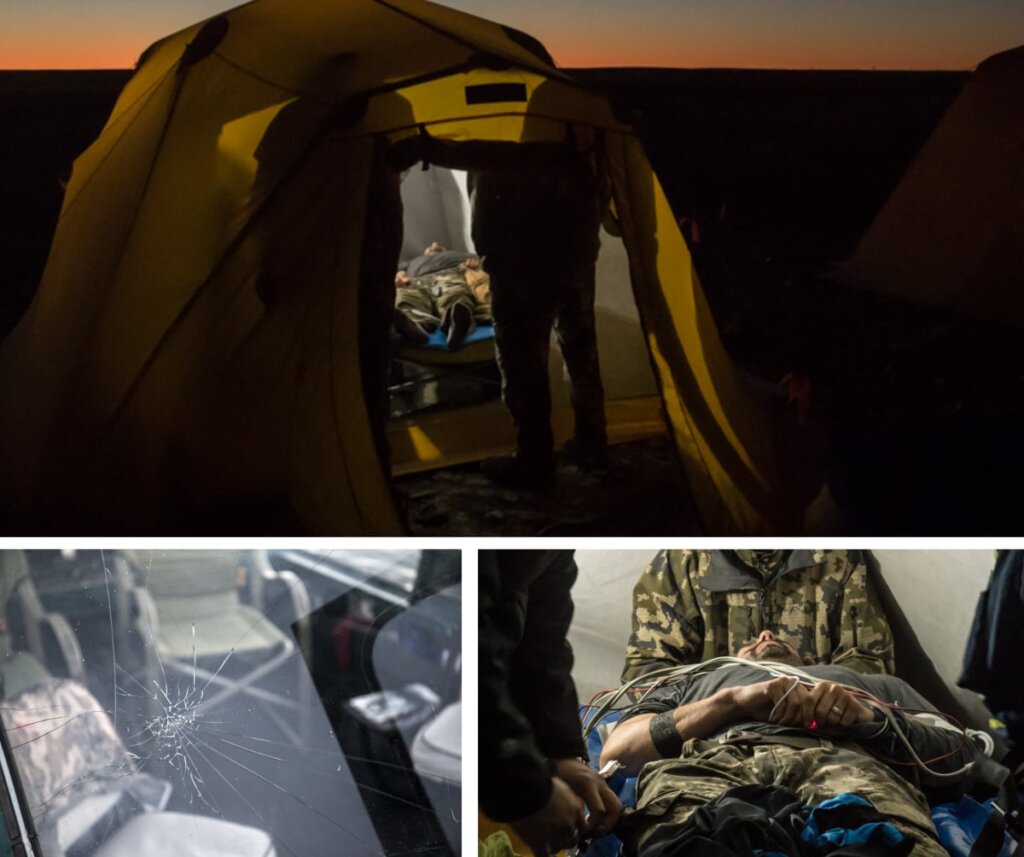
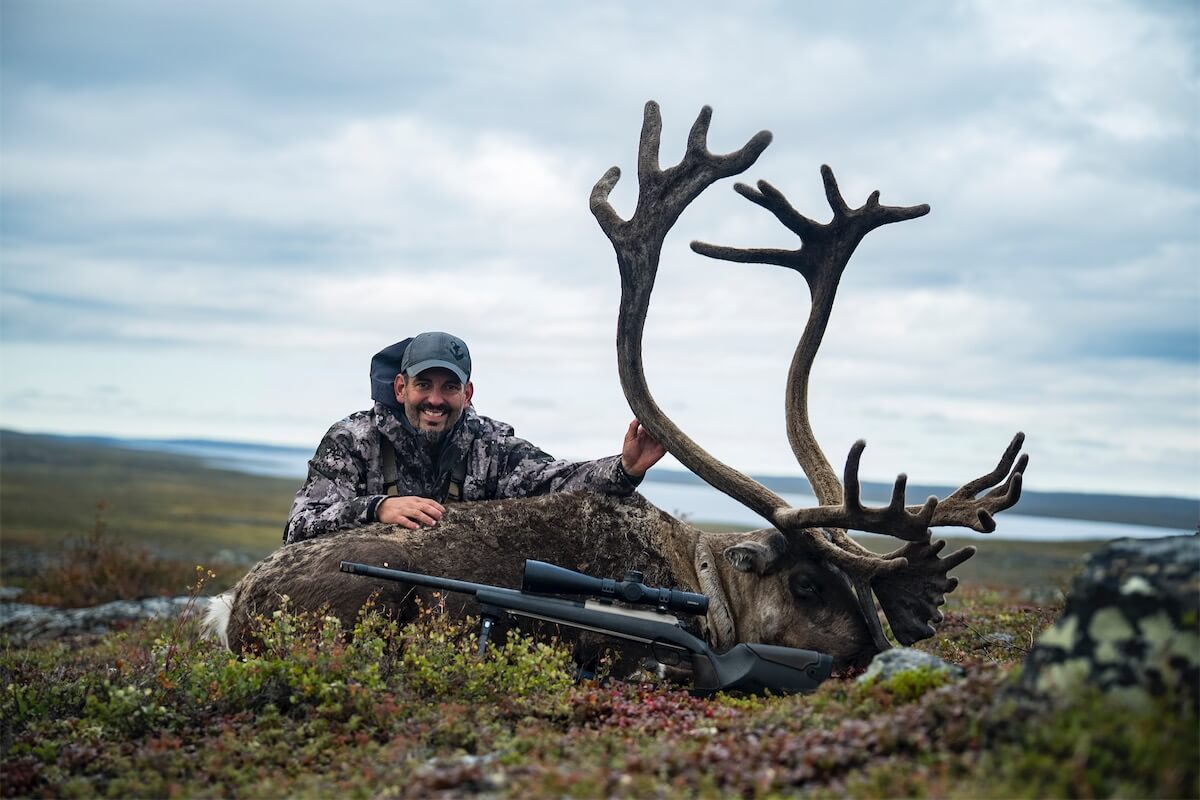
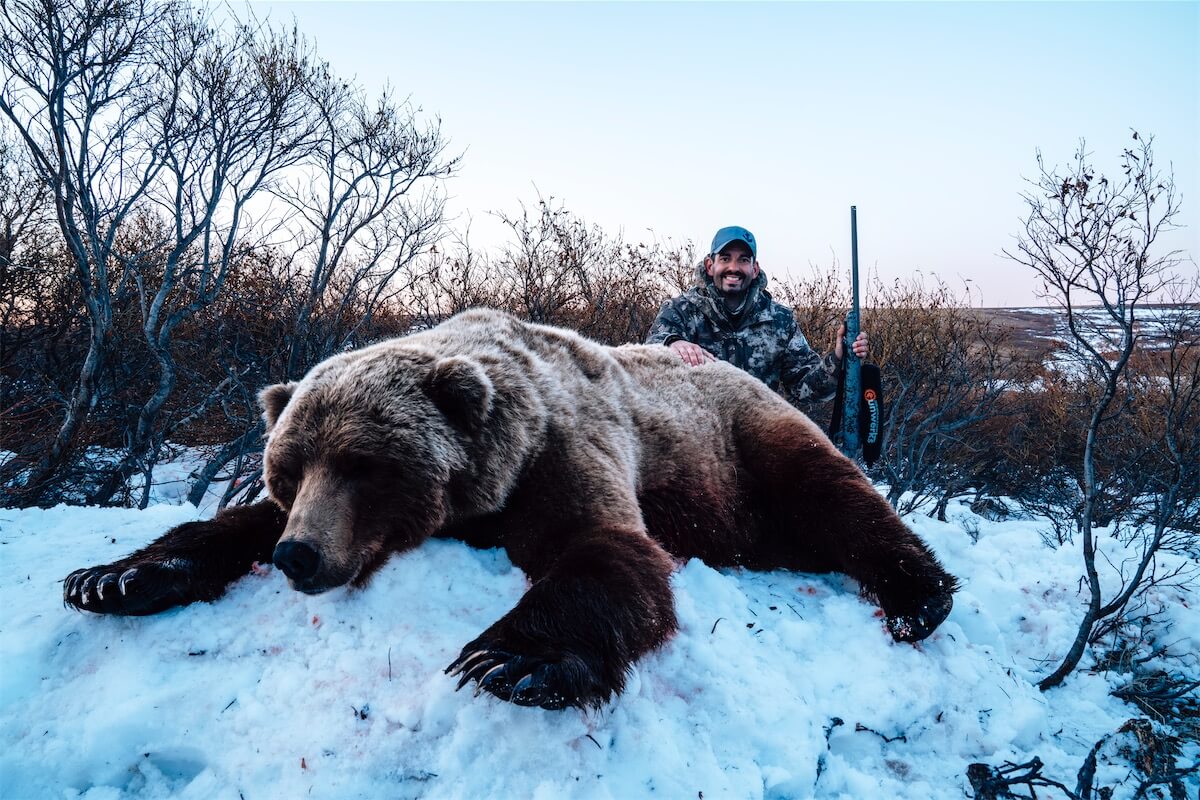
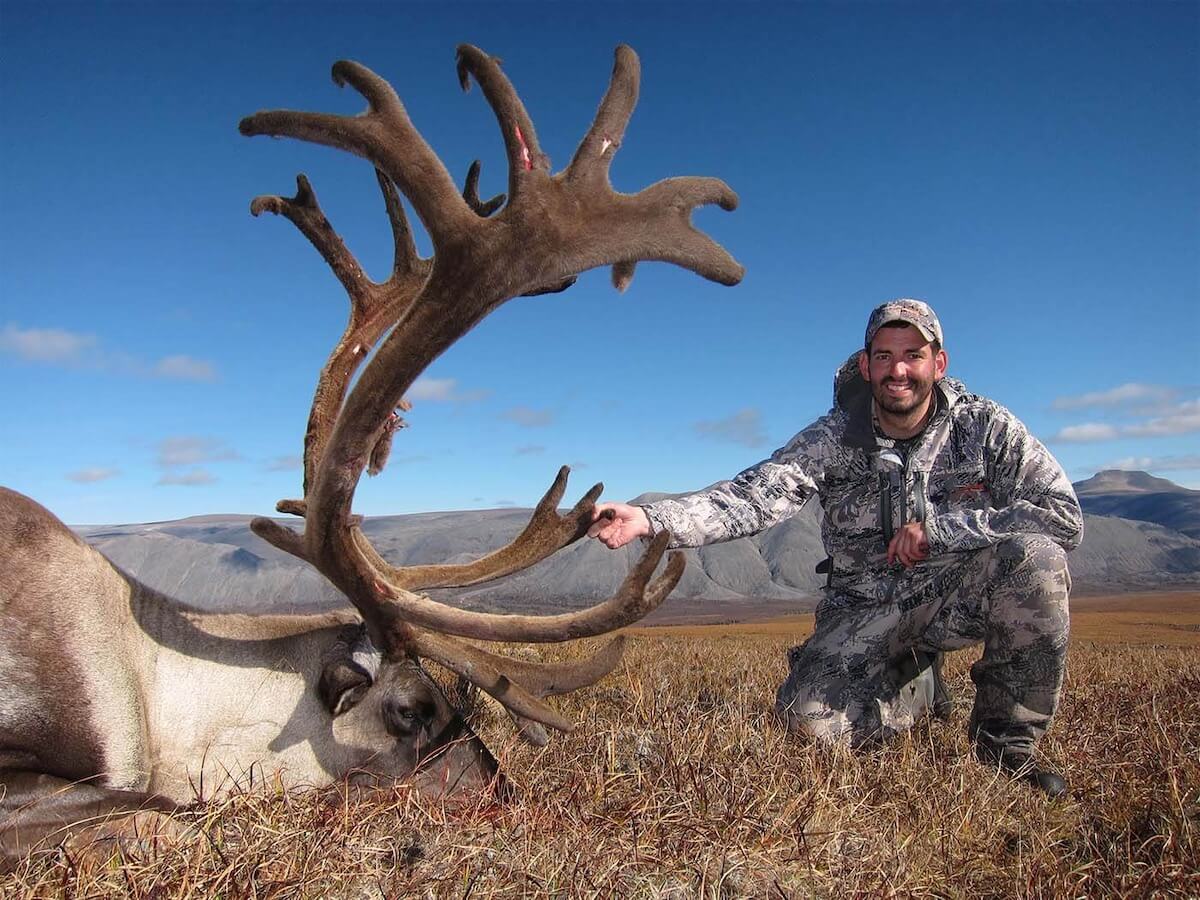
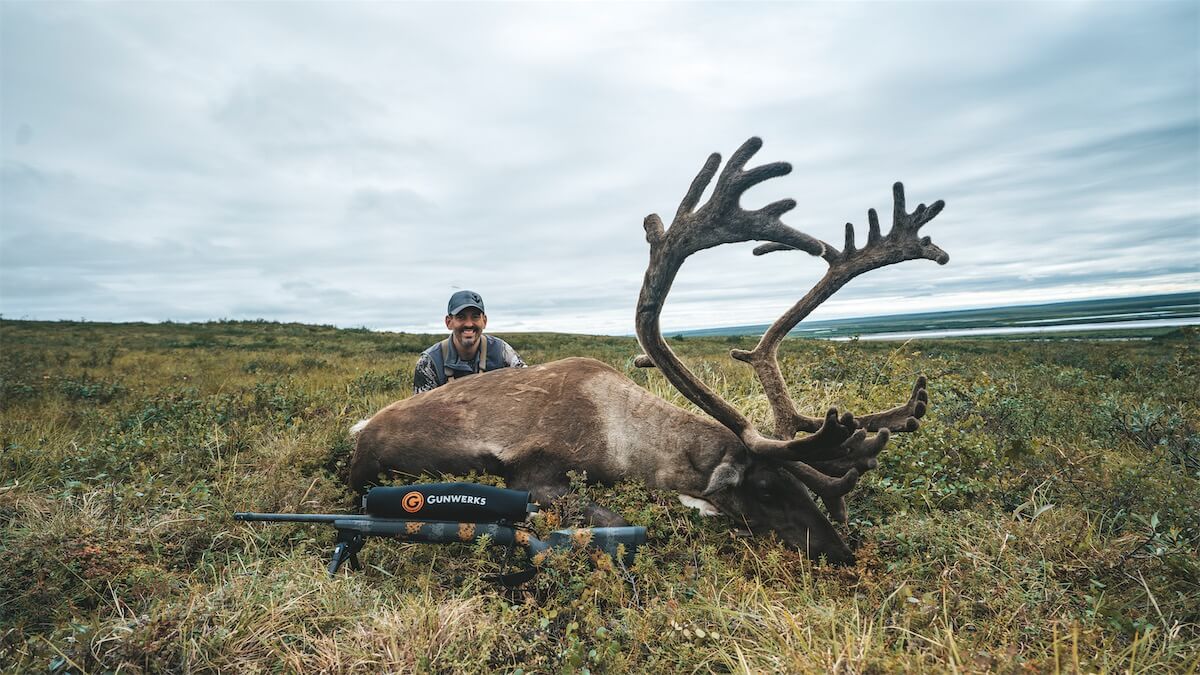
Everybody asks what the toughest species was, and nobody believes me when I say barren ground caribou. I had to make three trips. The first trip, I got in an airboat accident, hit a rock, went through a window, and had to be airlifted out. The second trip was in the same area, but it was warm and there weren’t any caribou around. I took an Arctic grizzly that trip, but no caribou. The third trip this past Fall, everything aligned. Every corner we turned, there were bulls. The migration was there. But even when it comes together, you’re looking at two days of travel on each side and bush planes to get there. Alaska doesn’t make anything easy.
Pursuing something like this for 30 years is a sacrifice, not just for me but for my family. It’s a lot of time away, and none of this would have been possible without the time they sacrificed for me. Being in the industry gave me a head start that most people don’t have. The team at WTA provided me with the knowledge on where to go, when to go, and what to expect. If you can get into the right areas and you’re willing to wait for the best outfitters, it really increases your success.
While I was chasing the Super Slam, I was also building Worldwide Trophy Adventures, and the two grew together. Traveling to all of these destinations shaped how I think about the opportunities we offer through WTA. I also completed the waterfowl slam, the upland slam, and international bird hunting along the way. There was a lot of juggling, but it all worked toward the same goal.
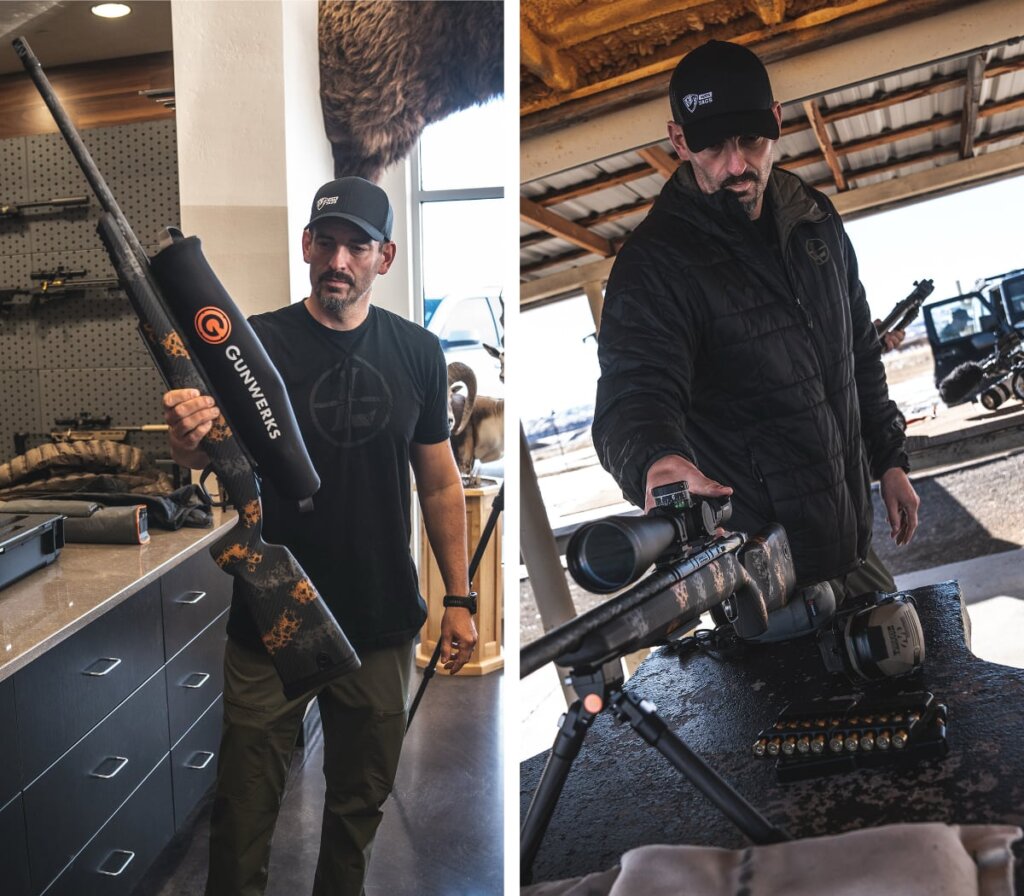
One of the biggest changes along the way was gear. When I met Aaron at Gunwerks almost 10 years ago and shot one of their rifles for the first time, I was hooked. It was better than anything I’d used before. The rifle was amazing, but the system they put together put it over the top: rangefinder, their own ammo, everything working together. I tell everybody the same thing. You see me shoot a long distance on TV, but I’m not a great shot. I just use great equipment that makes me better than I am. I’ve done two of their Long Range University courses, and each made a real difference. The biggest takeaway from the first was canting. I’m a bird hunter at heart, and bird hunters grip hard. That instinct was killing my accuracy at distance. Learning to relax my grip and keep the rifle level completely changed my shooting in the field. Don’t shortchange yourself on gear. You have so much invested in the hunt, don’t walk in with equipment that limits you.
I hope the takeaway from the film, The 29, is that it isn’t about the trophies. It’s about the experiences and the memories. The beauty of hunting is that you celebrate your biggest successes in the middle of nowhere with one or two other people. Your championship moment isn’t on national TV. It’s on a sandbar in the Yukon with your camera guy and your guides. These are the moments that stick in my mind.
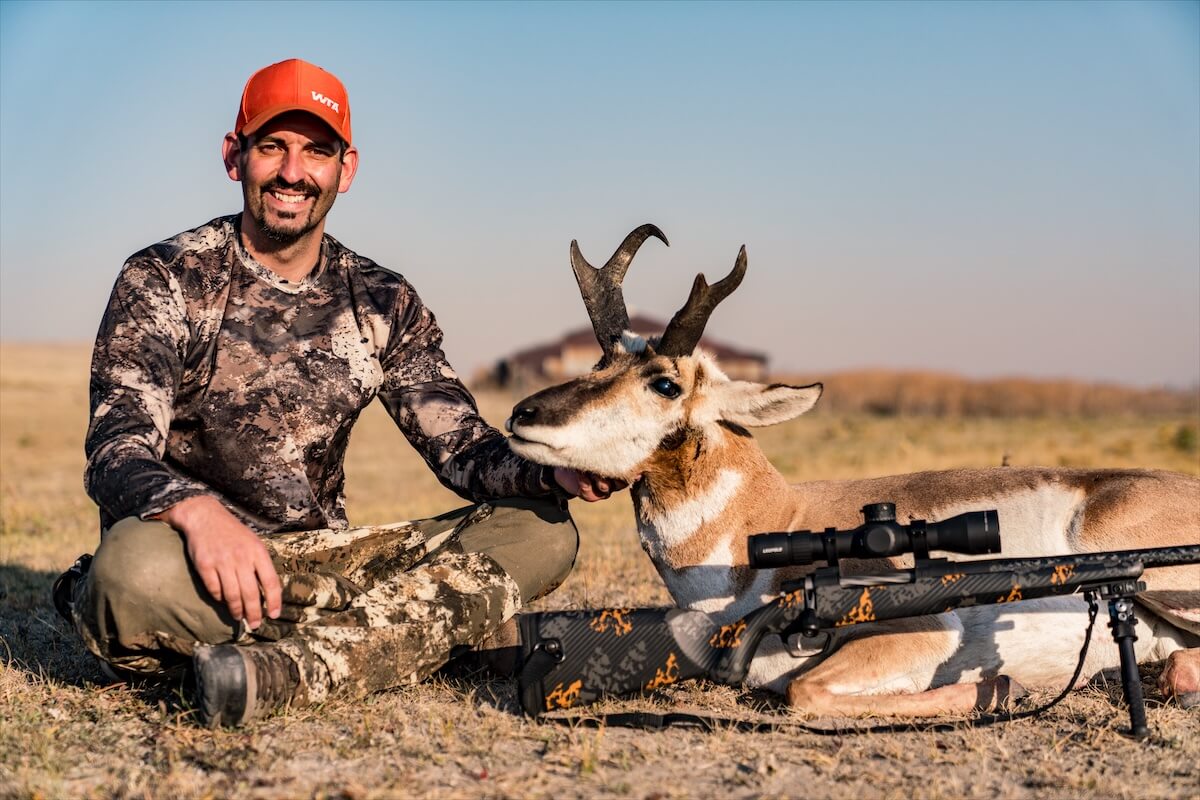
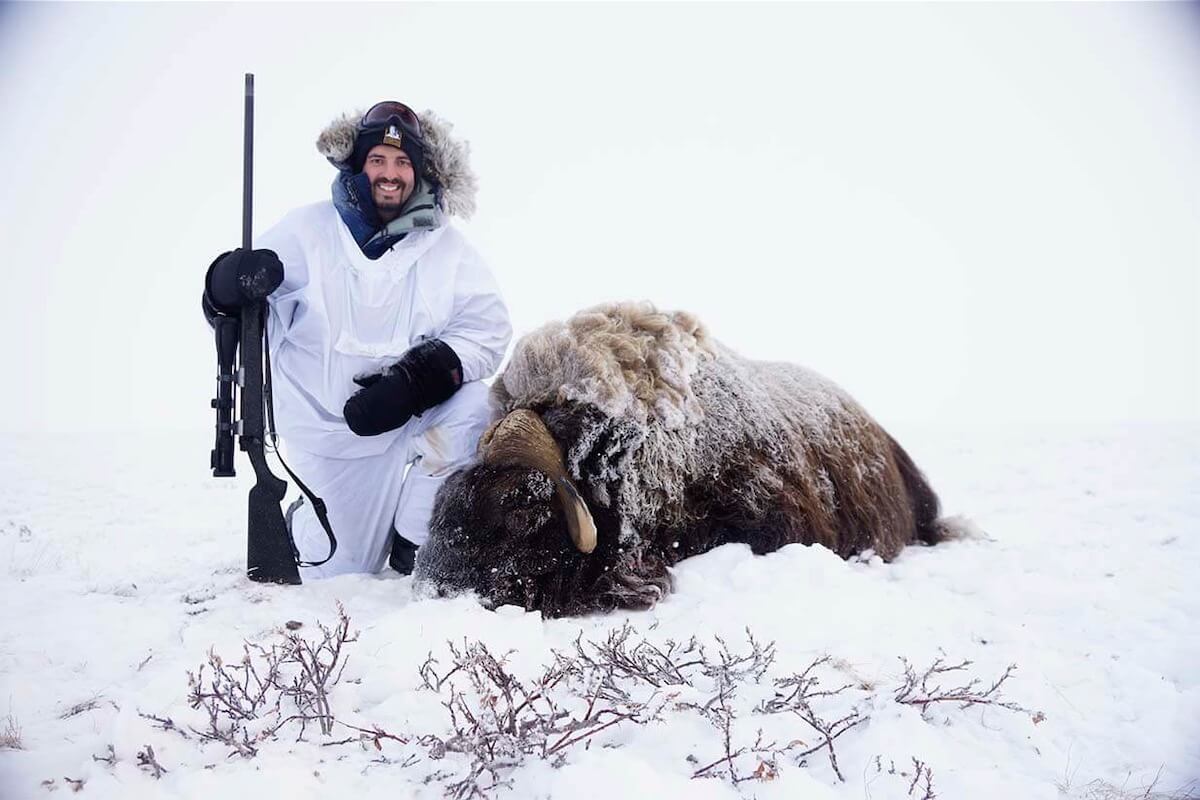
The 29, in No Particular Order
The more I travel, the more I see how critical hunter-funded conservation is. The $100 for a license, the tags, the people going into the field, that’s what keeps conservation moving forward. There’s a real battle happening out West right now. We’ve built cities in the animals’ habitat, shrunk it dramatically, and added predators that go unchecked. The balance must be managed, and generally, state agencies do a good job of it. They adjust licenses from year to year based on what’s happening on the ground.
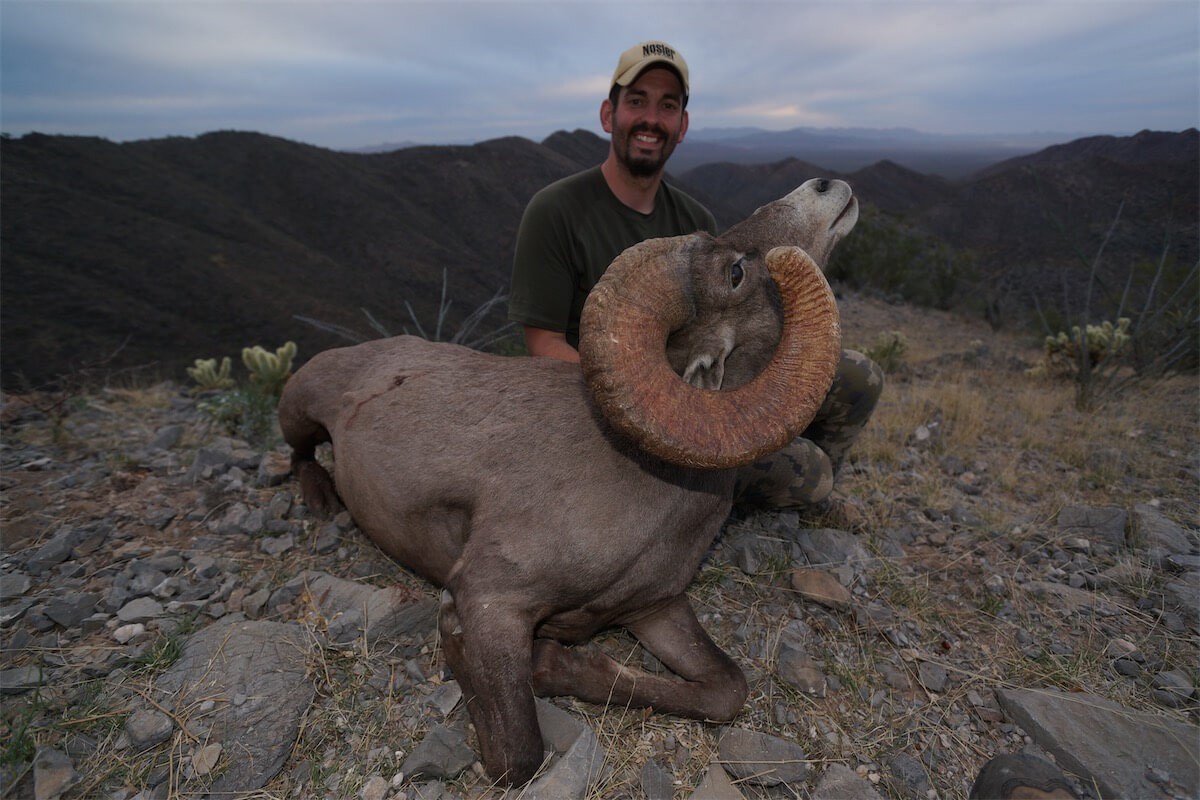
If I could give one piece of advice to anyone starting their own hunting journey, it would be to apply in the Western states now. Mountain goat, sheep, moose, desert bighorn, Rocky Mountain elk. The cost of everything goes up every year, and the sooner you start building points, the better off you’ll be. That’s one of the things I love about WTA’s TAGS program. We get people applied, and for the premium tags like sheep, it can take 20+ years to draw. But you’re in the system earning toward your chance. We even have kids apply for free until they’re 18. Start at 12, and even if a sheep tag takes 25 years, they’ll be in their late 30s when they draw. I started filming at 30, and the mountains looked a lot shorter than they do now at 42.
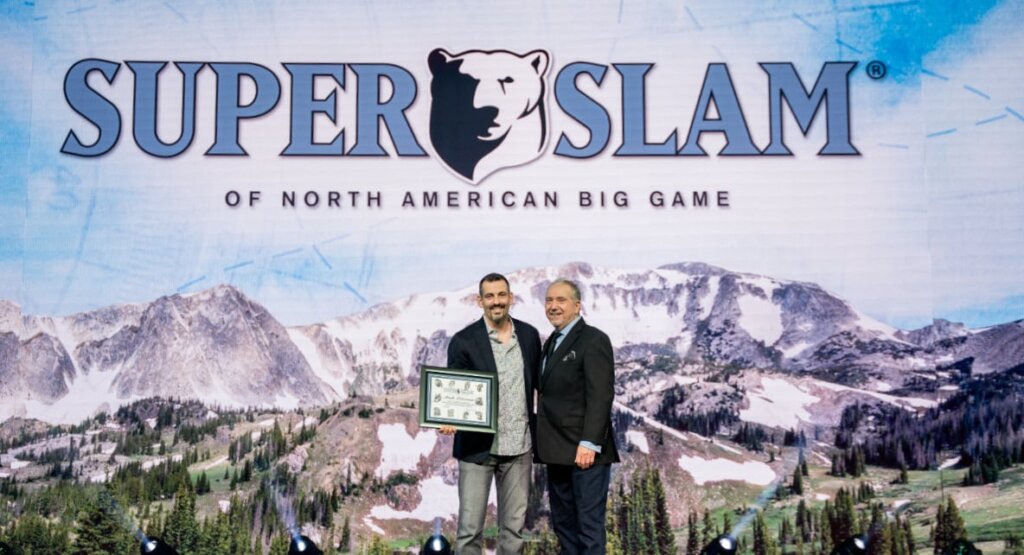
Thirty years ago, a 12-year-old kid from a Michigan cherry farm flew to Quebec with his dad and came home a hunter. Everything that followed—the mountains, the sheep, the grizzlies, the friendships, the failures, and that moose on the Yukon sandbar—all of it grew from one trip. Believe it or not, the 29 didn’t happen because I had a master plan. It happened because I kept showing up, kept planning the next one, and never let the years pass without chasing something new. That’s the best advice I can give anyone. Start now. The journey will take care of itself.