Book Your Adventure 1-800-346-8747

Estate Hunts – A New Experience

Matthew Gindorff
|  
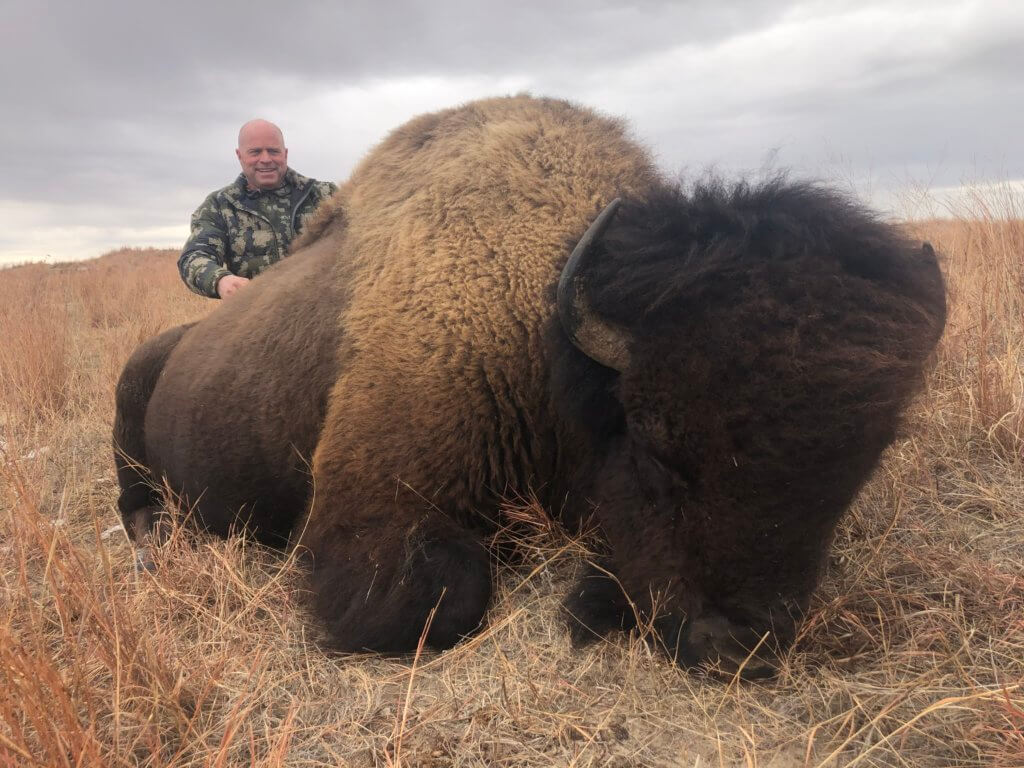
Species: Elk, Deer, Bison
Location: United States
“There is a big difference between HOPING you’re on a property that can fulfill your expectations and KNOWING you’re on a property that can do so!”

Many moons ago, back at the start of my career, I was asked to arrange an African plains game safari for a group of hunters. I had never been to Africa, so I politely declined knowing that it’s hard to consult on something I had no experience with. It was made very clear, however, that they wanted me to get it organized and to do whatever was necessary to get it done – even if that meant, I needed to get on a plane and fly to Africa to do so.
The reason I had never explored South Africa was because of all the rumors I had heard over the years. Everything from “it’s ALL high fenced” to “who wants to shoot something in a cage.” But in all honesty, at the conclusion of my exploratory mission, it was one of the very few destinations I had traveled too, that I didn’t want to leave. I was completely wrong with my initial assumptions. I LOVED every second of it and have been back multiple times since.
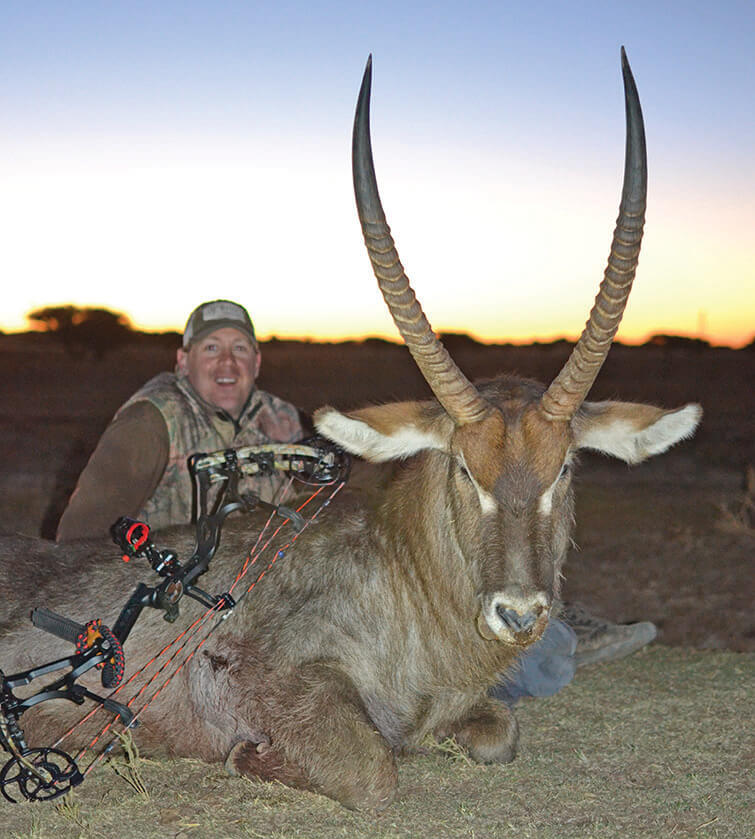
It seems that destinations like South Africa, New Zealand and parts of South America are acceptable locations when discussing “estate” or “high fence” styles of hunting. But bring that same conversation back to US soil and my answer would be, “that’s just not for me” – that was, until COVID 19 altered my hunting plans early this fall. I was scheduled to travel to Greenland with a group of clients and chase Muskox with my bow, but when Denmark (that’s who regulates Greenland) closed its borders to all entry and we had to push our trip to the 2021 season. I decided to give estate hunting in the US a try. With hesitation, I proceeded to  book myself and a fellow first-time US estate hunter, a whitetail hunt in Michigan. And just like Africa, I was completely wrong with my assumptions! 
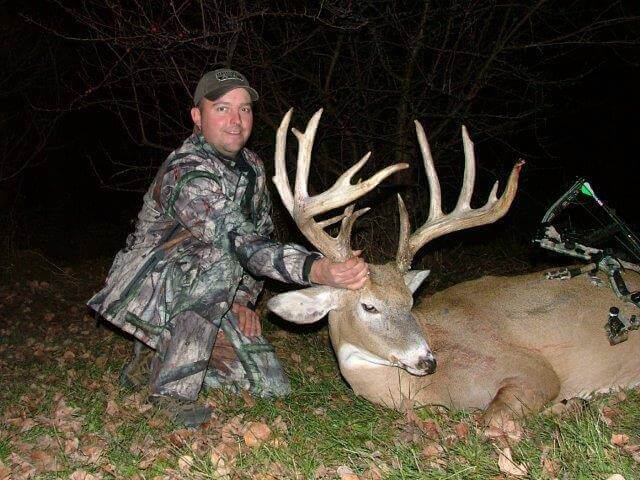
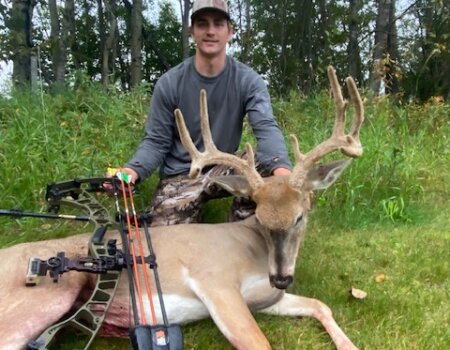
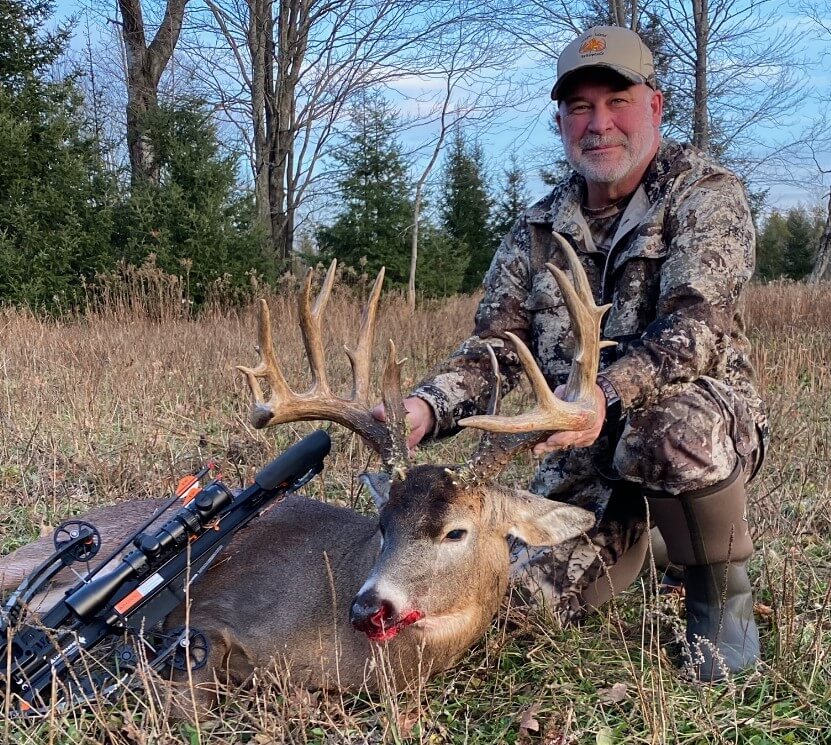
I will say, there is a big difference between hoping you’re on a property that can fulfill your expectations and knowing you’re on a property that can do so! At no time did I feel like I was in some “controlled environment”.  The deer were just as unpredictable and elusive as I had ever experienced with my whitetail hunts in Canada and across the lower 48. I found myself hunting age rather than antler size and was fortunate enough to take an old 7½ year old deer (based on trail camera history) and my hunting partner was able to harvest a gorgeous buck that scored just over 200 inches. I was able to pass on multiple deer larger than the one I took, but I found it easier to do so, because I envisioned that 2½ year old mid-160″ buck, as a 5½ year old – the true giant he could turn into. Now, I’m not usually in the business of passing on deer like that, but based on the environment I was hunting, it was pretty cool knowing I had a good chance to encounter exactly what I was looking for. That same desire is what drives me every time I go afield, no matter where I’m hunting. I can honestly say, I’ve never been so comfortable passing on so many big deer.

It was a cool hunting experience and given the opportunity and if my schedule allows, I will return in the future.
High fence, low fence, no fence hunting… I’ve had the opportunity to be exposed to all and have formed my opinions for each. Good or bad, this has been crucial to my ability to consult clients on the best destinations around the globe. Over the years, WTA has continued to look at expanding its assortment of North America-based estate-style hunting opportunities, simply because of the growing demand. Here is our offering, if this style of hunting is of interest to you. 

In closing, I know this is a tough topic for some, but I can tell you first and foremost, I am a big fan of anyone that chooses to spend their free time and money in the outdoors. Who am I to tell someone what is right and wrong when it comes to spending time in their pursuit? I’m so happy that we have access to an assortment of venues around the globe that fit all physical levels and abilities for anyone that cares to participate. We all have opinions regarding how things are hunted; field vs. water in the duck hunting world, bow vs. gun in the big game world, while all the while, we’re still trying to figure out where crossbows fit into the picture. In my book, we’re all hunters no matter what your passion or pursuit is, just as long as you are doing so in a legal and ethical manner! Whether you’re restricted physically, by time, or simply want to try a new approach, give our WTA consultants a call and have a conversation to discover all the possibilities that exist.
Recent Articles

Popular Hunts

Draw Required
Whitetail Deer   ·
Kansas
From 
$11,000
Outfitter #164
Elk, Rocky Mountain Elk   ·
Utah
From 
$2,500
Outfitter #075

Top United States Hunting Trips

Draw Required
Whitetail Deer   ·
Kansas
From 
$11,000
Outfitter #164
Elk, Rocky Mountain Elk   ·
Utah
From 
$2,500
Outfitter #075

Related Articles

Apply for Alaska’s Most Coveted Tags

Apply for Alaska’s Most Coveted Tags

Most sportsmen don’t think of the draw when contemplating a hunt in Alaska. That’s because, for most of the big…
Against the Odds: Drawing Back-to-Back Sheep and Goat Tags 

Against the Odds: Drawing Back-to-Back Sheep and Goat Tags 

Drawing a sheep tag with 1-in-5,300 odds is amazing. Drawing a mountain goat tag the next year? That’s lottery luck. That’s why it didn’t seem real when my WTA consultant, Jordan Roche, called me two years in a row with that news!

I’d been working with Jordan at WTA TAGS for about five years, letting him manage my hunting applications in multiple states while I focused on staying in shape for whatever hunts might come through. When he called about the Tok Range Dall sheep tag (the only non-resident permit out of 10 total), I knew it was special.

After the excitement of drawing my tag settled in, it was time to find the right outfitter to make my hunt a success. WTA recommended one of their top partners for that area and handled every detail. My outfitter made it clear: this would be a backpack hunt in some of Alaska’s toughest sheep country. At 64, with two hip replacements, I can’t run anymore. But I can hike. So that’s how I prepared—I hiked mile after mile with a weighted pack, knowing the Tok doesn’t care about age or medical history.

We went in a day and a half before the season opened and spotted a band of 14 rams, including one heavy-horned giant that immediately caught our attention. Then Alaska did what Alaska does best. Weather rolled in, the rams vanished, and we spent the three days scouring valleys and ridges to find them again.

When we finally relocated them, we had to break camp and make a major move. After a full day’s work, we spotted six rams bedding down as evening fell. The next morning, we made our play.

The wind that day was unlike anything I’d ever experienced. It sounded like a freight train roaring up the mountain; gusting, dying, gusting again. At 320 yards, I had to time my shot during the lulls. My first shot went wide in the wind. The second shot dropped him—a beautiful 39″ ram. Honestly, I didn’t care about the number. That’s not why I hunt. I’m in it for the experience and a good animal. This ram was both.

The pack-out was its own adventure. We crossed the glacier-fed Tok River multiple times before Matt showed up with a Korean War-era military vehicle that could go just about anywhere. After nine days in the mountains, that slow, bumpy ride was a step up from travelling another 10 miles on foot. This was a trip I’ll never forget.

When Jordan called me in February 2025 to tell me I’d drawn a mountain goat tag, I actually laughed. “Figure out something for next year,” I told him, knowing the odds of a three-peat were one in a million. But first, it was time to prepare for my goat hunt.

I flew into Homer at the end of August, expecting to start hunting on Tuesday. By Monday evening, my outfitter, Paul, was warning me about the incoming weather. “We might not get you in until Friday,” he said. He wasn’t kidding. We sat through three days of howling wind, driving rain, and zero visibility before finally getting our chance.

Paul operates from a landing craft that serves as a mobile base camp. But getting from sea level to where the goats live? That was the hardest climb I’ve ever done, and I’ve completed five sheep hunts.

It was only 1,500 vertical feet, but every step came wrapped in devil’s club thorns, soaking brush, deadfall, and rain-slicked cliff bands. We hiked for what seemed like an eternity before stopping for the night to set up camp.

The next morning changed everything. Once above that coastal jungle, the alpine opened up to reveal why we’d suffered through that brutal climb. There were mountain goats everywhere. Good billies. The kind that makes you forget about devil’s club and exhaustion.

I took my billy on August 30, the first day of actual hunting after being sidelined due to weather. While packing him out, we witnessed something I’d never seen: ravens harassing a billy goat. They would swoop within inches of his head, and he’d swing his horns, trying to knock them away. Paul had told me about this strange relationship between ravens and goats, but seeing it firsthand was incredible.

The trip down gave us one more show. A black bear, fat from gorging on berries, army-crawled through the blueberry patches, entertained us from 400 yards away. I had a bear tag, but watching him was worth more than any trophy. Crossing salmon-choked streams on the way out completed the full Alaskan experience.

Both hunts worked because of solid preparation and connections with the right team. Jordan, my WTA consultant, had been helping me strategically build points and select units for years. When the draw results came through, WTA’s network meant proven outfitters were ready and handled every detail. They provided thorough gear lists, arranged logistics, and coordinated air charters. Everything was dialed in.

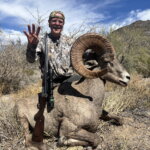
Some guys chase record books. Others chase hunting milestones. I finished my slam in 2019 with a desert ram, but what excites me most these days is the experience—the hunts that test you, humble you, and stay with you long after the pack is unloaded. When you work with the right people and put in the preparation, amazing things can happen. Jordan’s already working on my applications for 2026, so we’ll see what adventure comes through next.

Contact WTA TAGS to learn more about drawing the tags of your dreams: 1-800-755-8247

Get Started with WTA TAGS
Wyoming’s Preference Point Deadline Is Approaching: October 31

Wyoming’s Preference Point Deadline Is Approaching: October 31

Preference Point Deadline: October 31, 2025

The deadline to purchase Wyoming preference points is October 31. If WTA is already managing your TAGS applications, you’re all set. If not, don’t miss the chance to secure points this year. It’s the perfect time to talk with a TAGS consultant to start a new portfolio or grow your existing one.

Wyoming’s system is unique. Unlike other states, you don’t automatically receive a preference point if you’re unsuccessful in the draw. Instead, you must log in after July 1 and purchase your points separately. Building points is critical if you want a shot at drawing a Wyoming tag. Over-the-counter opportunities are a thing of the past. Today, only 25% of non-resident tags are issued randomly. The other 75% go to applicants with the highest point totals.

If you want to hunt big game in Wyoming, building preference points isn’t optional…it’s essential.

Watch Wyoming Video

While preference points are an investment in the future, don’t let that keep you from starting now. While Wyoming has units that require 18+ points, there are also good opportunities to hunt sooner. There are elk, deer, and antelope hunts that can be drawn with 0–3 points. Think about it this way—the more points you have, the more options you have.

View Wyoming TAGS Hunts

Get Trip Specials & Cancellations,
Right Where You Want It.

No spam. Just the good stuff. Opt-out anytime.