Every year, hunters ask me how to hunt deer and elk without having to wait 15 or more years to draw a tag. My answer is Montana.
Montana gives you options to put an elk tag, deer tag, or both in your pocket. Non-resident hunters must draw a general license to be entered in the special permit-area drawing. But non-resident hunters who draw a general license and are not successful in drawing a limited-entry permit will still have options, such as turning their general license back in to the state for a refund or hunting one of the many general units.
General-season units cover most of the western portion of the state but there are a handful of units scattered across the eastern side. There are also a number of limited-entry units that have the potential to produce bigger bulls, most of them located on the eastern half of the state. Rifle permits have tough odds, but most archery permits can be drawn by a non-resident every 2–5 years.
It’s confusing, but we can guide you through the process.
Here’s a quick glance at available tags:
- General Big Game Combo:
This provides you with a general elk and general deer tag. 75% are awarded to those with the most general preference points and the remaining 25% go in a random draw for applicants with 0 preference points. - General Elk:
General elk tag only. Same as above. - General Deer:
General deer tag only. Same as above.
And subsequent permit area tags:
- Permit Area Elk:
To enter the Permit Area elk draw, you must first be successful in drawing a Big Game Combo or Elk Combo tag. - Permit Area Deer:
To enter, you must first be successful in drawing a Big Game Combo or Deer Combo tag.
Here are answers to some common questions.
- What is a Bonus Point?
A bonus point is an extra name in the hat. These points apply toward the Permit Area elk and deer draws. For example, when you apply with four bonus points for a particular species, those points will be squared and your name will be entered in that draw 16 times. - What is a General Preference Point?
A preference point gives you true preference over applicants with fewer points. If you have two preference points for a particular species, you will always draw before those with one preference point. Preference points apply for any of the three available combo tags, but you cannot have preference points for each species. - Can I return a tag?
All online license purchases and applications are final and cannot be changed or withdrawn. Once you draw your tag, you can request an 80% refund on the tag by August 1 or a 50% refund before the start of the general season. State fees are non-refundable.
Elk Season Overview
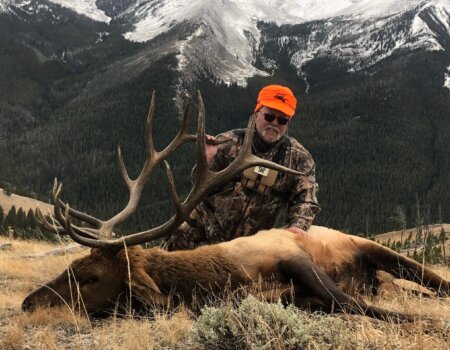
Montana has been a popular western state for elk hunting for a long time and its popularity has continued to grow in recent years. In 2021 alone, there was an overall increase of more than 14,000 applicants for the three nonresident combination license types. Although elk populations are down from historical highs, the elk numbers are still very good and on the upswing. Hunting can very good on general tags as well as the handful of limited-entry tags.
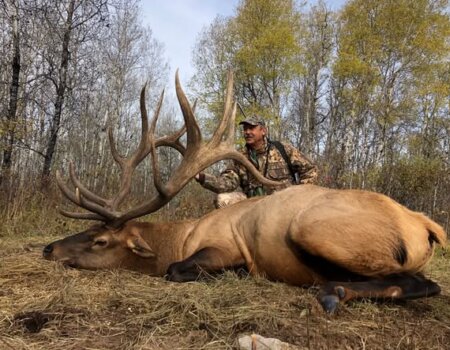
If you are looking for a true trophy-quality bull and don’t want to wait 10+ years to draw, you should consider archery hunts—these hunts are producing bulls over 350″ every year and you will wait only 3–5 years to draw in limited-entry units. The hunts take place on some unbelievable ranches that hold quality elk year after year. If you are looking for a limited-entry rifle hunt, you may wait a lifetime before you get lucky and draw one of these coveted tags. But if you do get lucky, you will have one of the best rifle elk hunts in the country.
If you are looking for a true wilderness hunt on horseback that will provide memories to last a lifetime, we have those options as well. These hunts are in high demand and will most likely require planning several years out as most are hunted on a general elk tag.
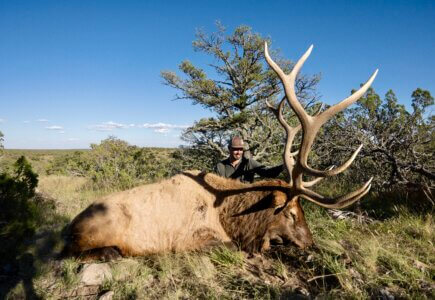
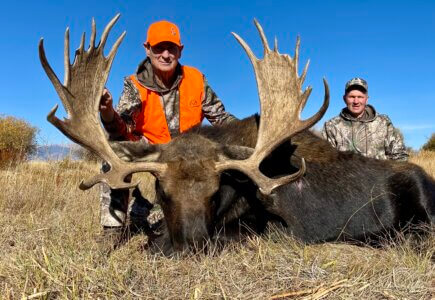
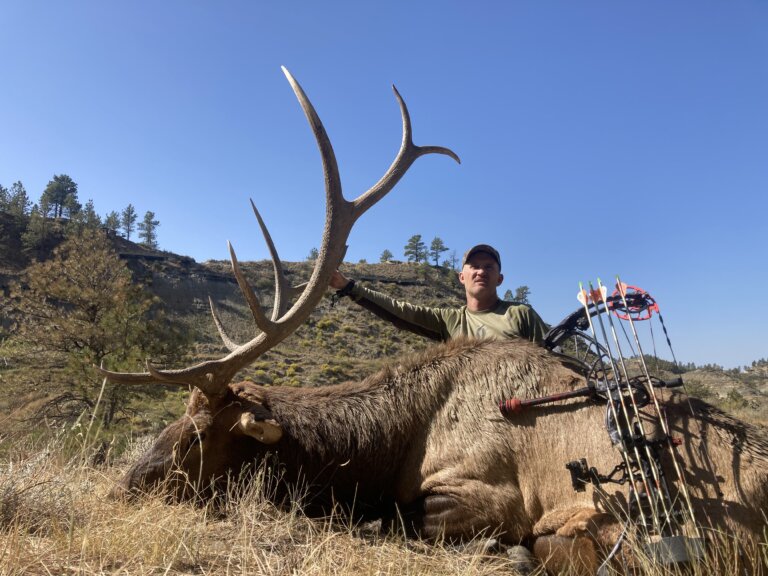
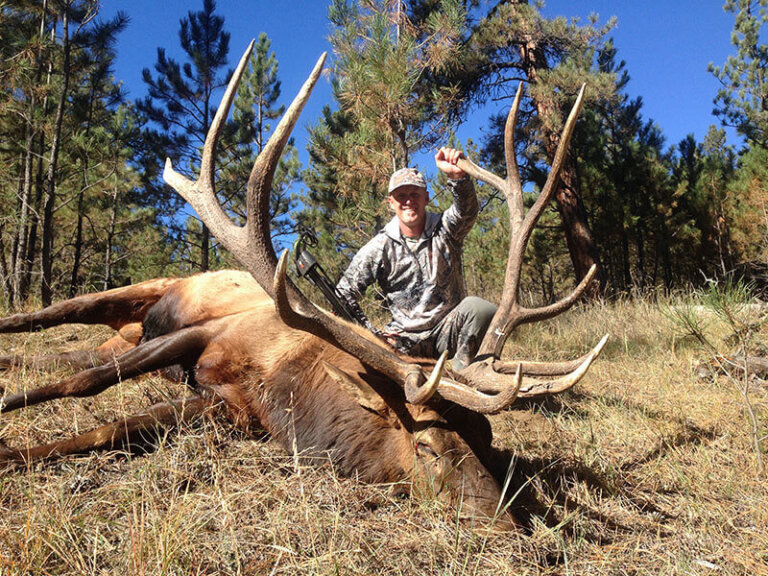
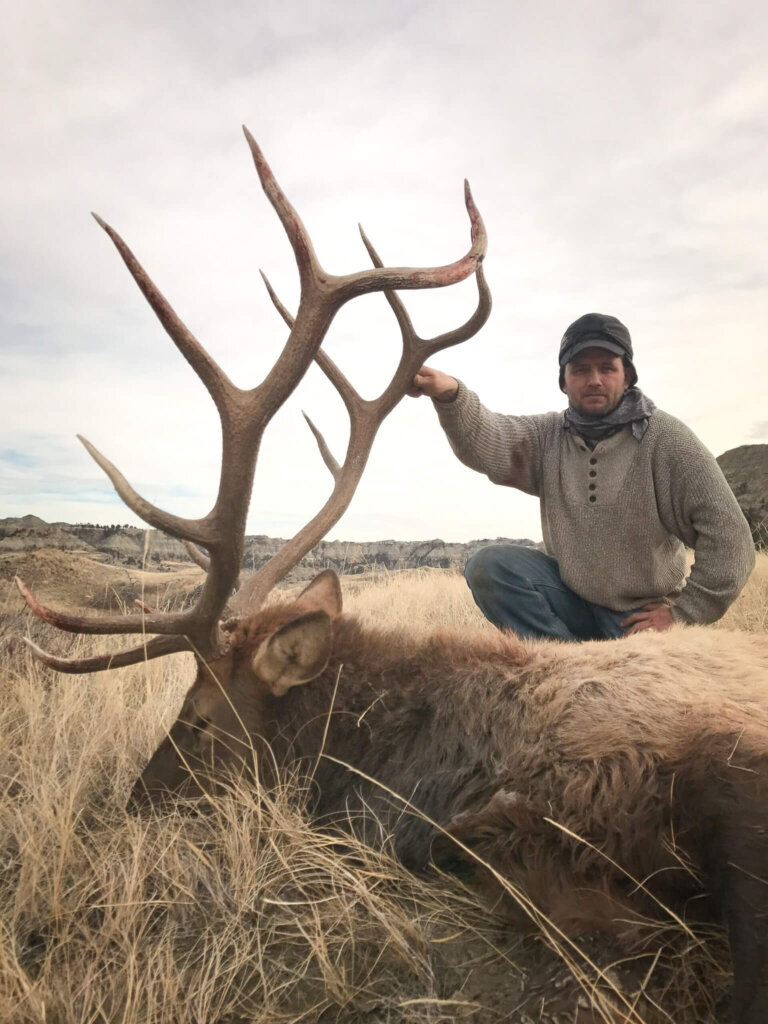
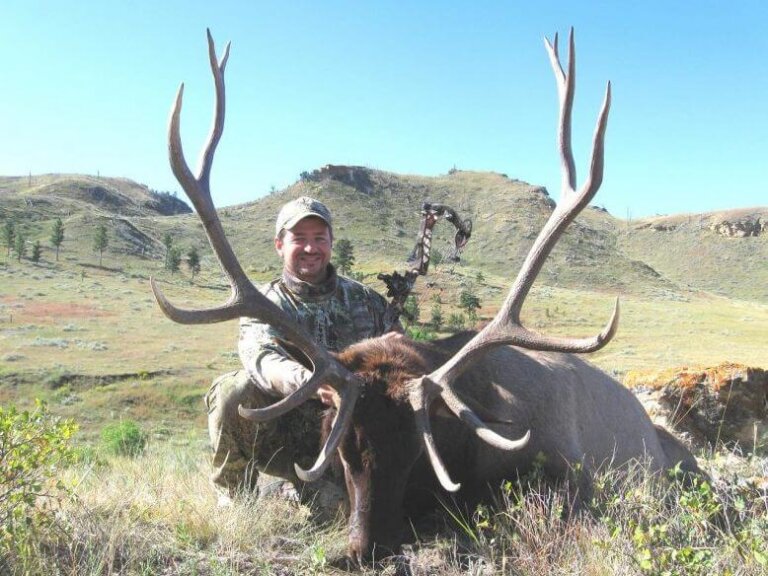
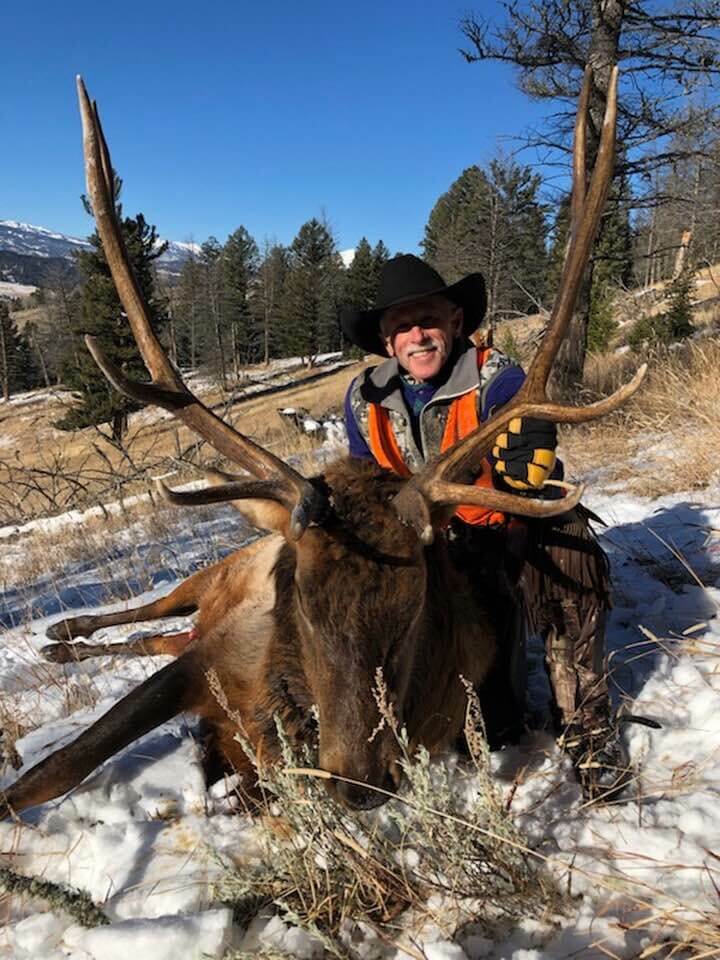
Following are options for Elk hunts. Click each photo for more information.
Deer Season Overview
Montana provides great deer hunting opportunities.
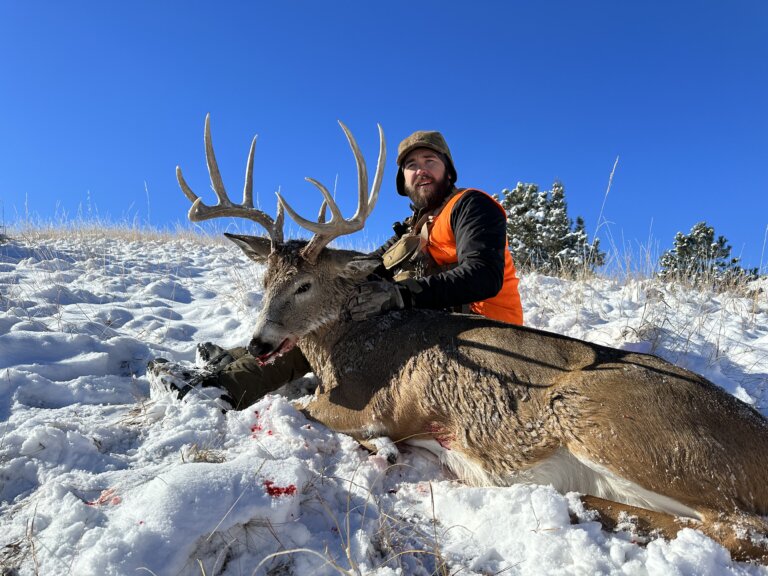
Whitetail deer have been doing great across the eastern half of the state, though a few areas have seen some die-off due to disease. However, the numbers are still doing well overall as these deer rebound very quickly. These hunts on private ranches are often overlooked, but you won’t be disappointed if you book one. And most are general deer tag hunts.
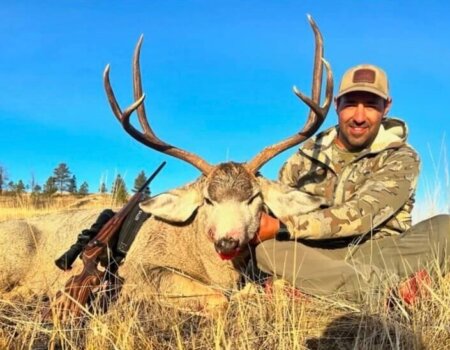
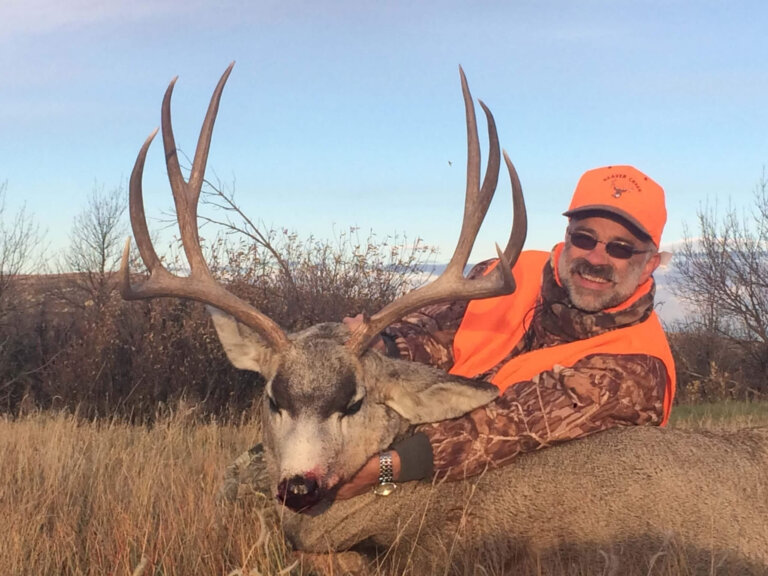
Mule deer numbers have dropped across the western half of the state but the eastern part has seen an increase over the last several years. With rifle season going into November, you are likely to see some rutting activity, especially if you get cold weather.
Since there are only a handful of true trophy units and very low draw odds, I would recommend applying for the general tag every year as well as for one of these high-end units. The worst that could happen is you end up with a general tag and you could still go hunting, even if you don’t draw one of the coveted limited-entry tags. By the same token, if you are already going to have a general tag in your pocket there is no reason not to apply for a limited-entry tag.
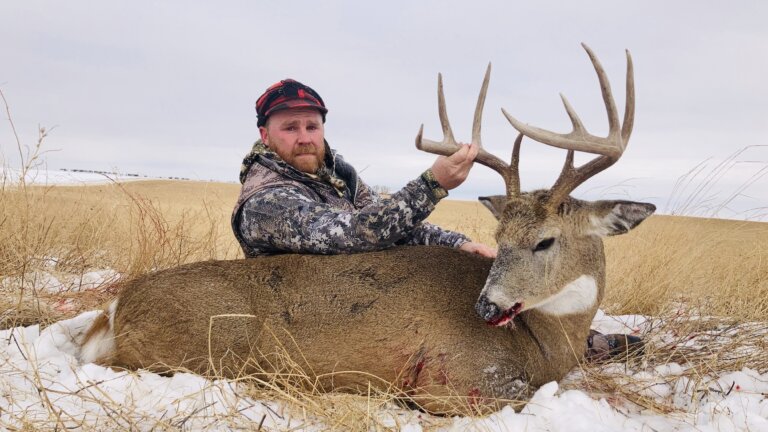
Following are options for Deer hunts. Click each photo for more information.
In summary, Montana has one of the most confusing and complicated application systems in the West. Fortunately, the WTA TAGS team deals with this state every year and has a good understanding of the numerous changes that are implemented every year.
For assistance with applying for the 2023 Montana deer and elk draw, contact WTA TAGS at 800-755-8247 or click here to email. Remember, the deadline is April 1, 2023.