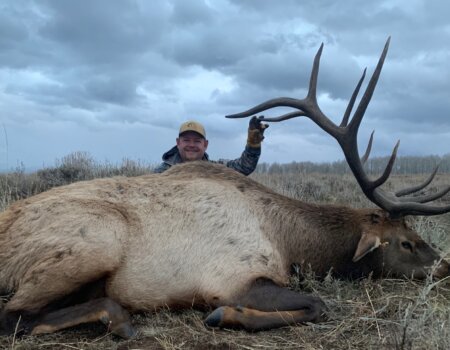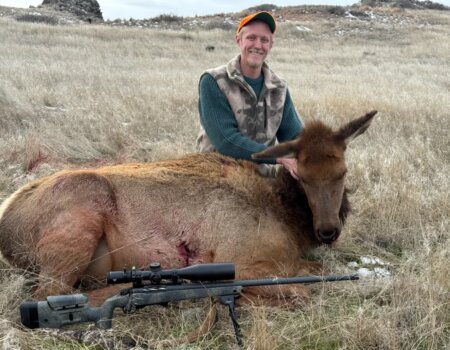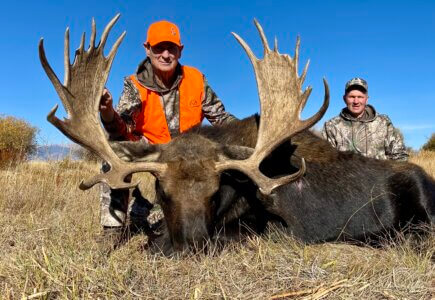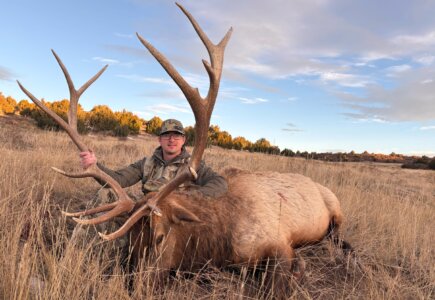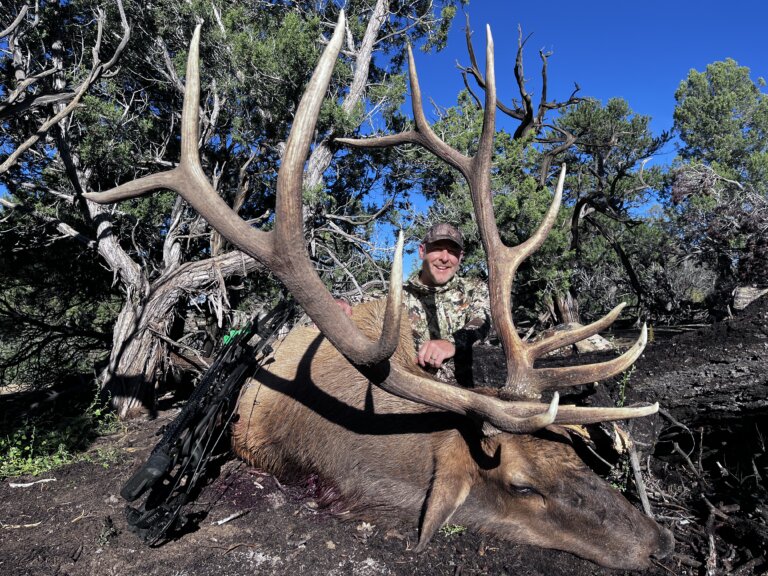
Each Fall, hunters from around the world converge on the western United States with one common goal in mind: harvesting the majestic Rocky Mountain elk. A mature bull, often reaching 8 years old and weighing nearly 800 pounds, is seasoned with knowledge from previous hunters’ shortfalls and is a master at traversing the mountainous landscape unnoticed. The challenges posed by this species only sweeten the taste of success. The appeal of elk hunting consumes almost all of us, sending us down a daunting path. How do I hunt in the finest areas more often, with the best outfitters, at a fair and justifiable price point? The answer is simple. Apply for tags!
Each state across the West issues its most sought-after tags through an annual limited-entry draw process. Which means sportsmen are required to apply for tags each year. These draw systems vary vastly from state to state, and the rules continue to evolve. Certain states work great for hunters of every mindset, while others should not even be considered. Another key element is applying in the right units. It’s simple to find each state’s most desired area, but be warned that these often come with dismal draw odds. Understanding the up-and-coming and underrated draw units will monumentally improve your draw odds. The sheer amount of research that goes into applying for tags can be intimidating, but the quality of the hunts demands that the draws not be overlooked. This is where the expertise of WTA TAGS can assist you.
For 20+ years, WTA TAGS has been successfully drawing top-tier tags on behalf of our clients and arranging the necessary outfitting services to maximize on these incredible opportunities. Our dedicated team of consultants and application specialists immerse themselves in research and data year round, all in the name of delivering the finest services and fulfilling your dreams. Clients who utilize WTA TAGS can expect a well-thought-out strategy specifically customized for you by your appointed consultant. Your consultant will be able to select and apply you into the ideal areas based upon your preferred choices. This is up to you. Then, once you draw a tag, TAGS can pair you with the right outfitter that specializes in the area and aligns with your expectations. This outfitter network was developed using a boots-on-the-ground approach. TAGS consultants have driven countless miles and spent thousands of days afield to ensure recommendations are spot on.
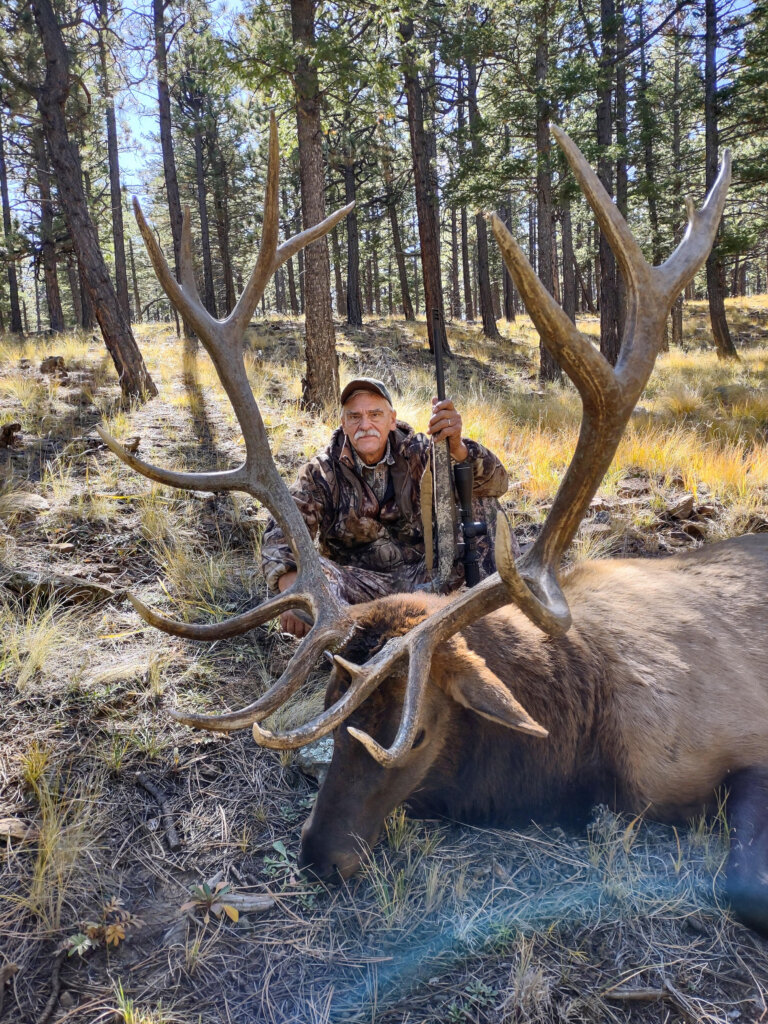
WTA TAGS Must-Apply Elk States
Arizona: Each year, Arizona produces some of the largest bulls in the U.S. Don’t overlook the late rifle hunts here. Great bulls are taken yearly and draw odds are vastly improved over the early hunts.
Colorado: This is an opportunity state, meaning a plethora of options are available to get you into the field. But true trophy hunts for applicants with 3–10 preference points are extremely limited. Planning ahead and relying on the WTA TAGS outfitter network is key.
Montana: Each and every year, the quality of bulls coming out of Montana’s Permit Areas seems to improve. The Permit Areas where WTA TAGS has outfitters are comprised of enormous, private ranches that rival the West’s finest areas with monumentally shorter draw cycles. Archers can expect to draw with 4–6 points and rifle hunters with 5–10 points, depending on expectations.
New Mexico: From high success hunts for quality bulls with great draw odds to the famed Gila region, New Mexico has it all. With 100% random draw odds, you could potentially draw the tag of a lifetime in the first year you apply.
Wyoming: Wyoming is the most underrated elk destination in the West. From the world-class “general” ranches in the southeastern portion of the state, to the top-tier limited quota areas, to the horseback hunts being conducted in the wilderness, Wyoming has a hunt that will appeal to everyone.
Other States to Consider for Elk
Nevada: With the small number of non-resident elk tags available in the Silver State, it can easily take two decades or more to draw. However, if drawn, this state can easily produce 360–400″ bulls. And with a squared bonus point system, Nevada offers the best point system in the West.
Utah: Like Nevada, Utah offers non-residents a dismal number of premium, limited-entry draw tags. However, also like Nevada, Utah holds tremendous quality for the lucky applicant. We typically recommend applying in both states if you’re under 50 years of age. You can’t draw if you don’t apply!
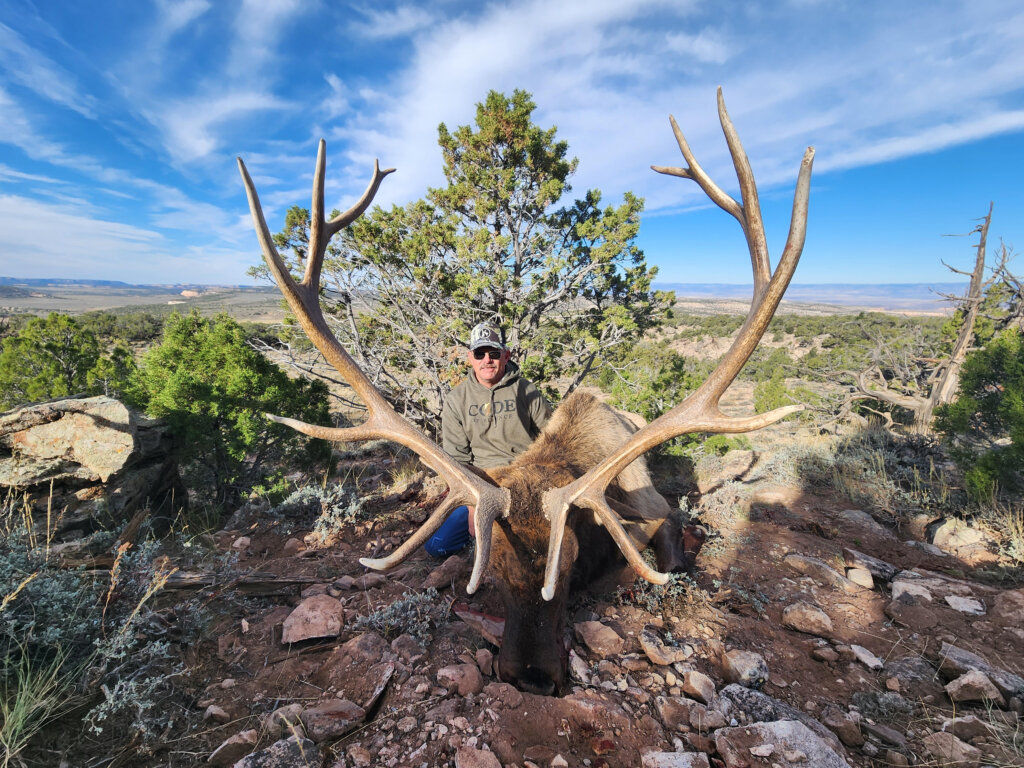
Drawing a premium, limited-entry bull elk tag in any of these states will decrease the price point of a fully-guided hunt. Upon drawing, you will often find outfitters charging less than $9,000. When you consider the quality of the hunt/unit, drawing a tag offers the best value in the world of elk hunting, by far.
In closing, if you are considering applying for the first time and are seeking consultation services, or you have been building points all over the West for years and want assistance with area and outfitter selection, WTA TAGS can help. Please call today and ask to speak with a WTA TAGS consultant. A well-structured conversation with a professional team that does this for a living can take your hunting adventures to the next level. Call us at 1-800-755-8247, Monday–Friday from 8 a.m.–5 p.m. Mountain.