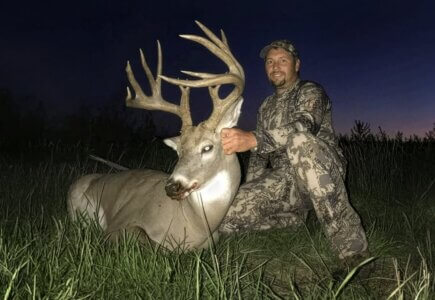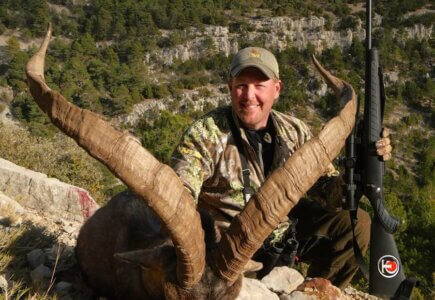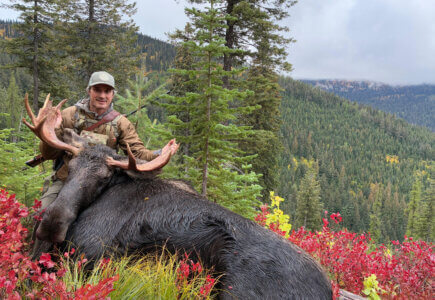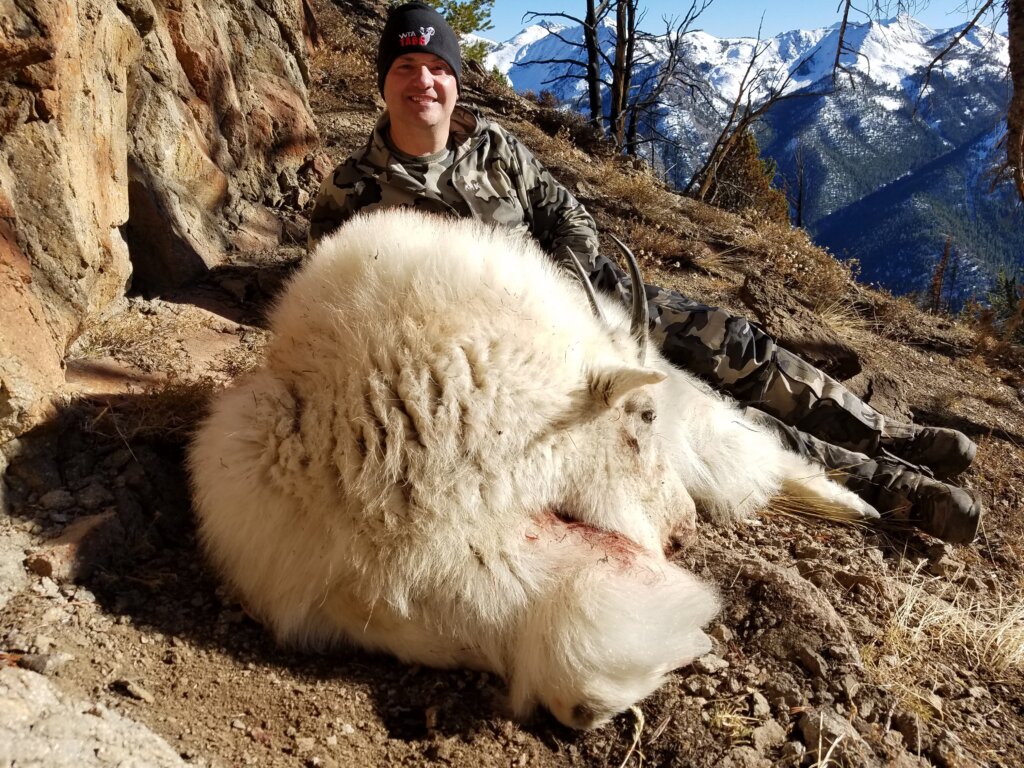
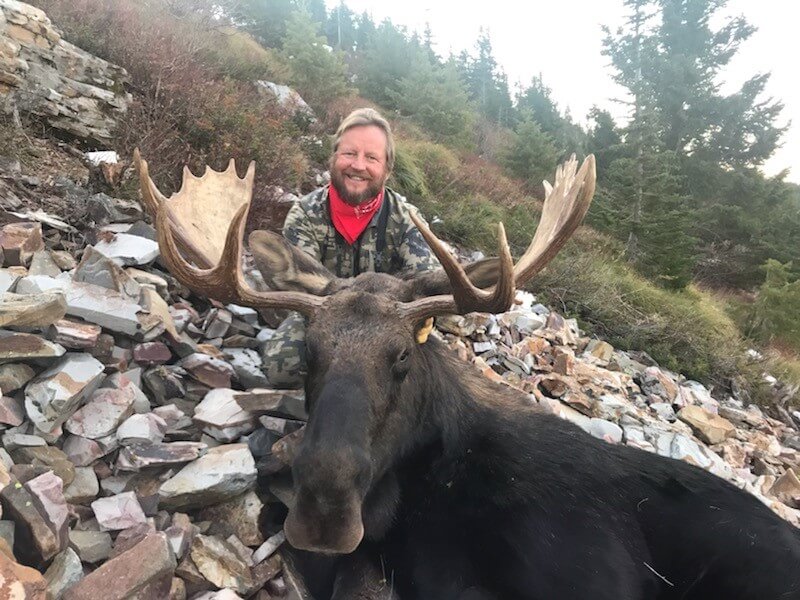
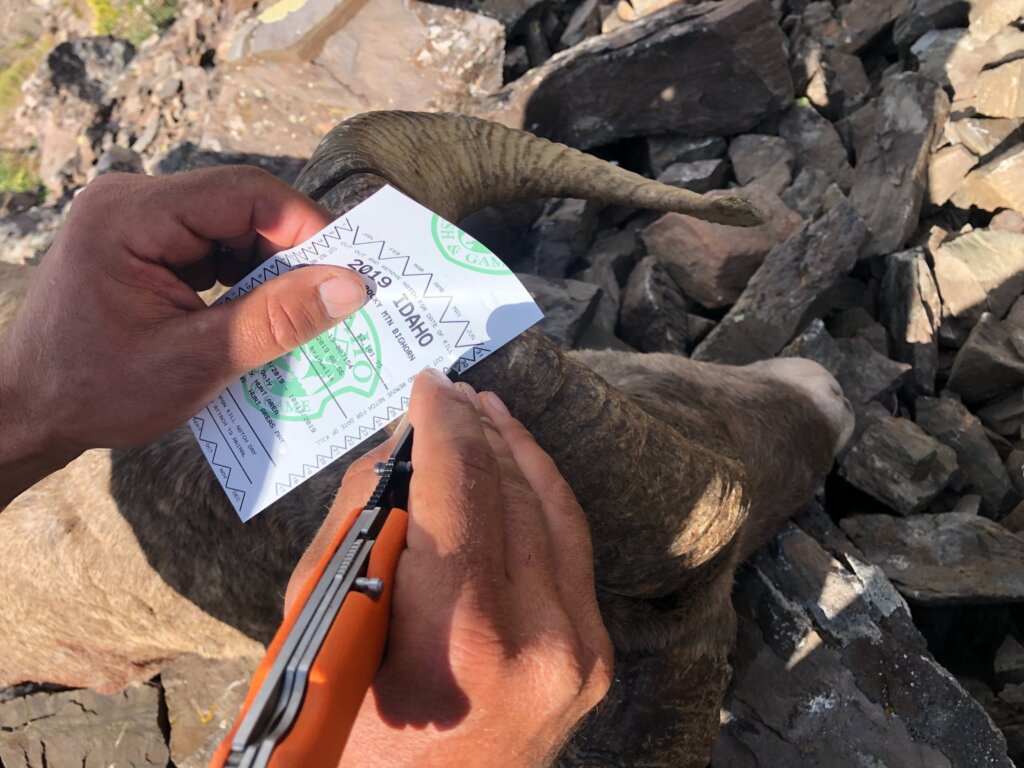


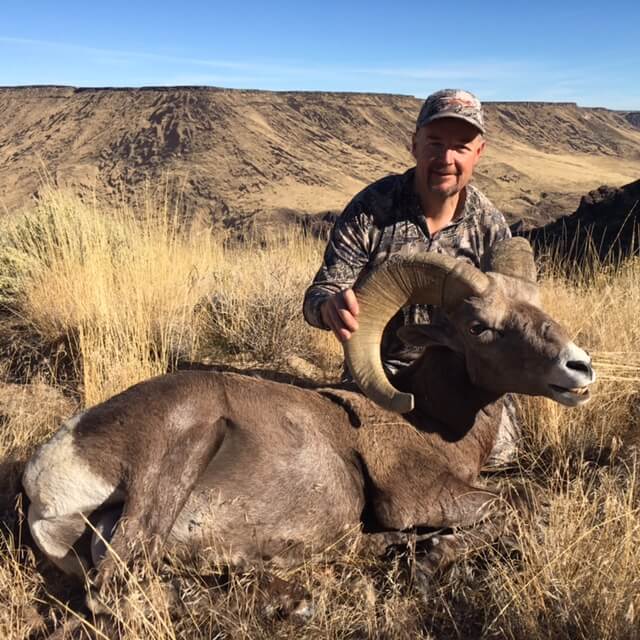
No Points? No problem! If hunting Shiras moose, bighorn sheep or mountain goat is on your bucket list than Idaho is a state that needs to be on your radar.
Idaho is a pure lottery, random draw state. Therefore, if you are not sitting on a decade + worth of points, no problem – you have the same odds of drawing as anyone else. Furthermore, Idaho is unique in the fact that you can only apply for one of these species each year. For example, if you apply for bighorn sheep than you are not eligible to submit applications for mountain goat, moose, elk, deer or antelope. This, combined with that fact that you are required to purchase a non-resident annual hunting license AND front the entire state tag fee (that WTA TAGS will float for you) at the time of application, keeps the odds for these species at some of the best the West has to offer. Idaho is also considering a price increase in license and tag fees for 2021, so this might be a good year to take advantage of drawing a tag before it gets more expensive.
Although the draw odds for bighorn sheep and mountain goat are the best in the West, the real bright spot are the odds of drawing a Shiras moose tag. Idaho will again offer up to 56 Shiras bull moose permits to non-residents in 2020. That’s an incredible number. Moose can be found nearly statewide with quality bulls being present in almost every unit. Other than a couple of hard to draw areas there are several units that have draw odds of 10%-25%. This is truly astounding, especially when compared to all other western states that can easily take 20+ years to draw a Shiras bull moose tag. With drawing odds often better than 1 in 10, applying for Shiras moose in Idaho is especially appealing.
To apply for moose, bighorn sheep (Rocky or Cali), or mountain goat non-residents must purchase the $171.69 hunting license and submit the $2,101.75 tag fee at the time of application. Remember, if utilizing the services of WTA TAGS, we will float this tag fee on your behalf! We make it easy!
If you are interested in applying or would like more information, contact WTA TAGS at 1-800-755-TAGS (8247). The Idaho application deadline for moose, bighorn sheep and mountain goat is April 30, so call us today.
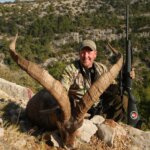

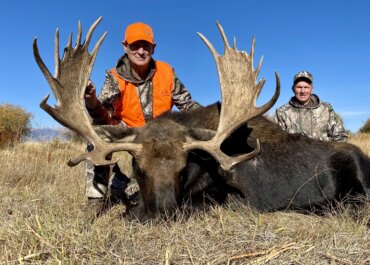
When it comes to big game hunting, Colorado is often at the forefront of every sportsman’s mind. With its diverse landscapes, from the iconic Rocky Mountains to the expansive eastern plains, Colorado offers a range of hunting opportunities for both residents and non-residents. While some tags can be acquired over the counter, many of the premier hunting opportunities in Colorado are found through its highly competitive draw system. This is why you need to apply and build valuable preference points in Colorado!
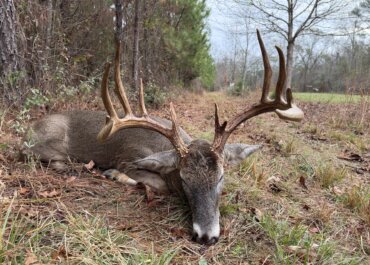
Estate hunting, often referred to as high fence hunting, is one of the most misunderstood segments of the modern hunting landscape. The term can carry strong assumptions, but those assumptions rarely reflect the reality of what these hunts actually involve.
At its core, estate hunting offers hunters access to large, privately managed properties where wildlife is carefully stewarded, and hunting opportunities are predictable, efficient, and highly successful. These hunts are not intended to replace traditional public-land or limited-entry experiences. They are meant to provide an alternative option for hunters with specific goals, time constraints, or physical considerations.
Understanding estate hunting begins with recognizing how the properties operate and what the experience looks like on the ground.
Estate hunts take place on privately owned ranches or preserves enclosed by a perimeter fence. These properties can range from several thousand acres to well over 100,000 acres, depending on location, species, and management model.
Within these boundaries, wildlife populations are actively managed year-round. Landowners and outfitters focus on habitat improvement, water development, herd health, genetics, and balanced harvest rates. The result is a stable wildlife population with a strong age structure and consistent hunting opportunity.
Because animals remain on the property, outfitters can offer hunts with a very high harvest probability. In many cases, hunters can pursue specific age classes, horn characteristics, or species that would otherwise require years of applying or limited-entry permits.
One of the most common misconceptions about estate hunting is that animals are easily located and harvested quickly in a confined space. In reality, many estate properties are vast, and hunters may never see the perimeter fence during their hunt.
These ranches often feature diverse terrain of rolling hills, timber, brush country, open plains, canyons, and river bottoms, allowing animals to behave naturally. Hunters glass, stalk, track, and pass animals just as they would on large private ranches or expansive Western properties.
Once on the ground, the hunt feels far more like a traditional spot-and-stalk or guided private land experience than what many imagine when they hear the term “high fence.”